Choosing the right CO2 pressure vessel is essential for various applications. Industries rely on these vessels for efficient gas storage and transportation. A well-selected CO2 pressure vessel improves safety and efficiency, benefiting operations greatly.
However, making the right choice can be complex. Factors such as size, material, and safety features must be considered. Each application may have unique requirements. For instance, food and beverage industries need specific standards for compliance and quality.
Understanding your needs is crucial. Consulting with experts can help clarify options. You may find that a specific vessel type suits your application better than others. Remember, quality matters. A reliable CO2 pressure vessel ensures long-term performance and safety. Careful consideration will lead to informed decisions, ultimately reducing risks and enhancing productivity.
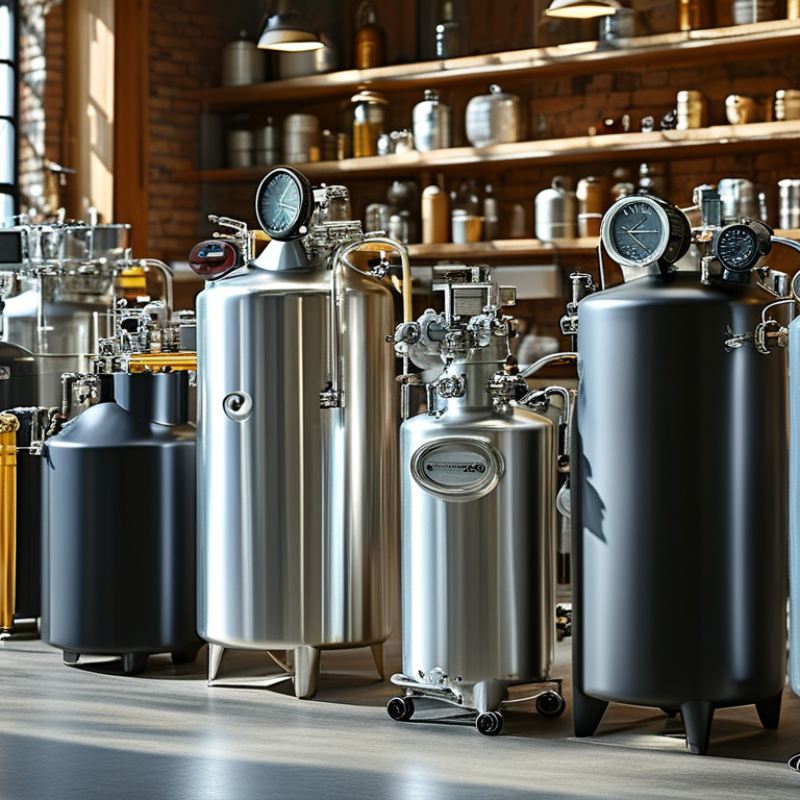
CO2 pressure vessels are critical in various applications, from food and beverage industries to medical fields. These vessels store and transport carbon dioxide safely. Understanding their key components helps in purchasing the right model. Common features include safety valves, pressure gauges, and reinforced materials. These elements ensure reliability while minimizing risks.
Safety valves are essential. They release excess pressure to prevent explosions. It’s crucial to know the pressure limits of your vessel. A gauge allows you to monitor pressure levels consistently. Overlooking these can lead to accidents. The material of the vessel dictates its endurance. Steel is commonly used for its strength, but might be heavier. Aluminum offers a lightweight option but requires careful handling.
Always assess your specific needs before making a choice. Consider the volume of CO2 you need to store. Will you require portability? Reflecting on these questions can help narrow your options. Don’t rush the decision. Take time to consult professionals or existing users for insight. Being well-informed can greatly enhance your experience with CO2 pressure vessels.
When choosing a CO2 pressure vessel, understanding your specific needs is crucial. Size and capacity are key factors. CO2 tanks come in various sizes, from small portable units to large industrial-grade vessels. According to the Compressed Gas Association, a typical user may need a vessel that holds between 100 PSi to 500 PSi, depending on the application. Assessing your project requirements can save you both time and money.
Consider how often you will use the vessel. For sporadic use, a smaller tank may suffice. However, if your operations require a continuous supply, larger tanks are essential. The American Society of Mechanical Engineers recommends ensuring that your chosen vessel meets the pressure demands of your operations. Check regulatory guidelines to avoid costly fines.
Remember that proper maintenance is just as important as size. Regular checks help identify leaks or pressure inconsistencies. Even the best-designed systems can fail if neglected. Balancing capacity and maintenance needs ensures efficiency. Reflect on your long-term goals; they should guide your purchasing decisions.
| Vessel Type | Size (Liters) | Maximum Pressure (psi) | Suitable Applications | Material |
|---|---|---|---|---|
| Vertical Cylinder | 50 | 2000 | Food & Beverage Processing | Carbon Steel |
| Horizontal Tank | 100 | 2500 | Industrial Applications | Stainless Steel |
| Dewar Flask | 20 | 1000 | Laboratory Use | Aluminum |
| Skid-Mounted | 150 | 3000 | Gas Processing | Composite Material |
Choosing the right CO2 pressure vessel involves careful consideration of material options. Stainless steel and carbon steel are two popular choices in the industry. Stainless steel is known for its corrosion resistance and durability, making it suitable for high-purity applications. Industry reports indicate that stainless steel vessels can withstand higher pressures, reducing the risk of failure under extreme conditions.
Conversely, carbon steel offers cost advantages and is often used in less stringent environments. However, its susceptibility to corrosion can be a drawback. According to the American Society of Mechanical Engineers (ASME), the lifespan of carbon steel vessels can diminish significantly if not properly maintained. Regular inspections and protective coatings are essential for optimizing their longevity.
It’s also crucial to consider temperature and pressure ratings when selecting materials. The appropriate material must withstand both the operational pressure and the service temperature to prevent catastrophic failure. A mismatch can lead to unexpected costs and safety hazards. Evaluating materials requires not just technical knowledge but also an understanding of specific application needs. Balancing cost, reliability, and safety is a challenge that industry professionals must tackle.
When selecting a CO2 pressure vessel, safety standards and regulations are paramount. In the United States, the American Society of Mechanical Engineers (ASME) sets the standards for pressure vessels. Compliance with ASME codes ensures that the vessel can withstand the required pressures and temperatures. According to a 2022 report from the National Institute for Occupational Safety and Health (NIOSH), improper handling of CO2 vessels can lead to catastrophic failures, prompting the need for strict adherence to safety regulations.
Pressure vessels must also meet local and federal regulations. These regulations cover design, materials, and testing protocols. The European standards, such as the Pressure Equipment Directive (PED), enforce guidelines similar to ASME. Companies must undergo rigorous inspections to ensure their vessels are in compliance. A 2021 survey found that over 30% of manufacturers reported challenges in meeting these standards, indicating a potential area for improvement.
Safety devices like pressure relief valves are essential. They help prevent over-pressurization, a leading cause of accidents. The lack of these safety features can result in serious workplace injuries. Studies suggest that nearly 50% of pressure vessel incidents are linked to regulatory non-compliance. Regular maintenance is crucial. Outdated vessels may not perform reliably. Investing in training for handling and maintaining these vessels can mitigate risks significantly.
When choosing the right CO2 pressure vessel, understanding cost considerations and maintenance is vital. The initial investment can vary significantly. A recent industry report indicated that prices for CO2 pressure vessels range from $2,000 to over $10,000, depending on size and specifications. While a higher upfront cost may deter some, investing in quality can reduce long-term operational expenses. A well-constructed vessel often emphasizes safety and efficiency, which translates to savings over time.
Maintenance costs should also be factored into your decision-making process. Regular inspections and adherence to safety standards are essential. Failure to maintain the pressure vessel can result in more severe financial repercussions. For instance, neglecting small repairs can lead to more extensive damage, costing four times more than routine upkeep. The industry guideline suggests a maintenance budget of approximately 10%-15% of the initial vessel cost per year. This figure serves as a benchmark for ensuring your vessel remains functional and safe, ultimately prolonging its lifespan. Always choose a vessel that aligns with your operational needs to avoid any mishaps that could derail your goals.
: They are used to store and transport carbon dioxide in various industries, including food, beverage, and medical fields.
Important components include safety valves, pressure gauges, and reinforced materials for reliability and reduced risks.
Safety valves release excess pressure to prevent explosions, which can be catastrophic if overlooked.
Assess your project requirements, frequency of use, and the volume of CO2 needed. This narrows down your options.
A pressure gauge helps monitor pressure levels consistently, preventing accidents from pressure inconsistencies.
Yes, compliance with ASME standards and local regulations is crucial to ensure safe operation and minimize risks.
Steel and aluminum are common; steel is strong but heavy, while aluminum is lightweight but needs careful handling.
Regular checks can prevent leaks and ensure efficient performance; neglect can lead to system failures.
Many manufacturers struggle to meet safety standards, reflecting a need for improvement in compliance.
Invest in training and adhere to maintenance schedules to mitigate risks associated with handling and operations.
When selecting the right CO2 pressure vessel for your needs, it's essential to understand its key components and features. Start by assessing your requirements, which include determining the appropriate size and capacity based on your specific applications. Additionally, evaluate the material options available for CO2 pressure vessels, as this will impact durability and performance.
Safety is paramount, so familiarize yourself with the relevant safety standards and regulations governing CO2 pressure vessels. Lastly, consider the long-term costs associated with maintenance and operation to ensure that your investment remains viable over time. By taking these factors into account, you can make an informed decision that best suits your requirements.

Hongke Qingneng