 Hongke Qingneng
Whitepaper: The Future of Mobile Medical Waste Sterilization Systems
In the contemporary healthcare and biosafety landscape, managing clinical waste poses critical logistical, environmental, and epidemiological challenges. Historically, centralized incineration served as the primary methodology for neutralizing infectious pathochemical matrices and microbiological loads. However, the associated carbon emissions, hazardous dioxin releases, and substantial fuel expenditures have stimulated a global paradigm shift. Municipalities, remote health facilities, and disaster management clusters are transiting toward decentralized, on-site, and mobile systems. High-temperature steam sterilization systems mounted on mobile skids provide a highly efficient, ecologically benign, and secure mechanism for handling biohazard flows.
"Decentralization of medical waste processing eliminates cross-infection vectors inherent in long-distance biohazard transportation. Mobile steam treatment systems represent a vital tool for environmental defense and biosafety containment."
1. Global Procurement Demands & Regulatory Compliance
International procurement offices in sectors such as healthcare logistics, military operations, emergency response services, and marine transport are prioritizing containerized and trailer-mounted disinfection platforms. Key drivers in the procurement selection matrices include:
- Microbiological Inactivation Compliance: Meeting international standards (such as the STAATT Level IV criteria) which require a minimum log106 reduction in Geobacillus stearothermophilus spores.
- Mobility and Operational Adaptability: Plug-and-play capability to function within microgrids, generating steam autonomously using integrated diesel, natural gas, or electric boilers.
- Secondary Emissions Containment: Advanced odor filtration via activated carbon beds and BSL-3 standard HEPA exhaust air treatment systems.
2. Deep Comparison: Mobile Autoclaving vs. Traditional Incineration
Evaluating the lifecycle impacts of on-site steam autoclaving relative to thermal oxidation (incineration) highlights clear operational benefits:
| Evaluation Parameter | High-Temp Mobile Steam Autoclaving | Fixed Incineration Plants |
|---|---|---|
| Direct Carbon Footprint | Low (Minimal energy required for steam chamber phase-change) | High (Constant auxiliary fuel support to maintain >850°C) |
| Harmful Off-Gases | None (Condensed steam, VOC-scrubbed non-condensables) | Dioxins, Furans, Heavy Metals, Acid Gases (SOx, NOx) |
| Capital Expenditure (CAPEX) | Moderate (Compact footprint, mobile chassis integration) | Extremely High (Advanced scrubbing towers, land rights) |
| Regulatory Approval Path | Accelerated (Closed-loop thermodynamic system) | Protracted (Subject to rigorous environmental impact assessments) |
3. Hebei Industrial Factory 4.0: Manufacturing Excellence & Supply Chain Resiliency
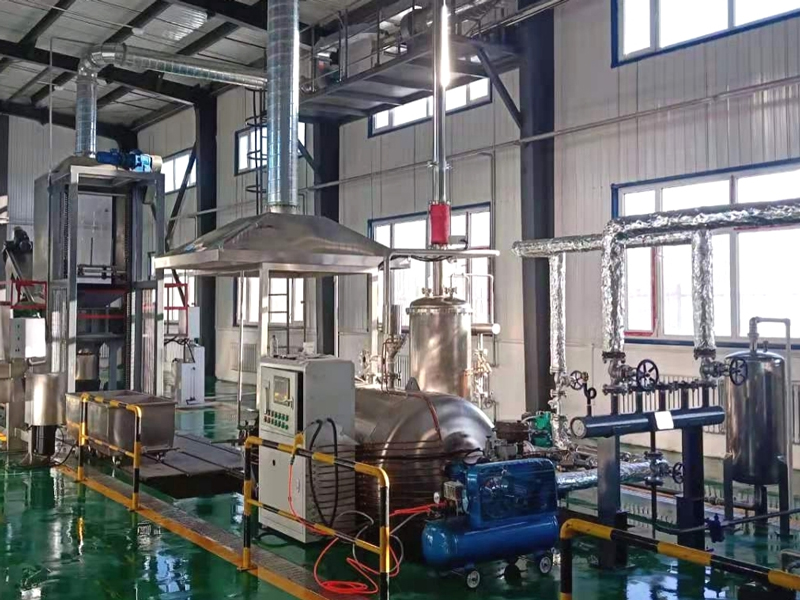
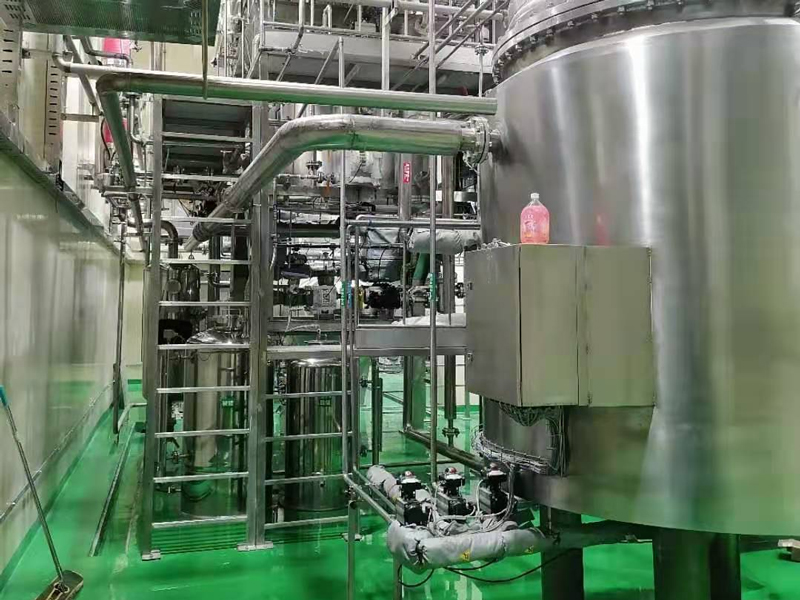
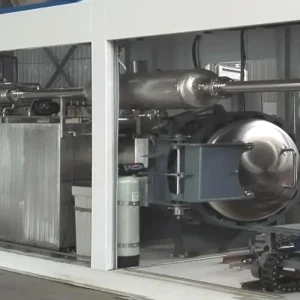
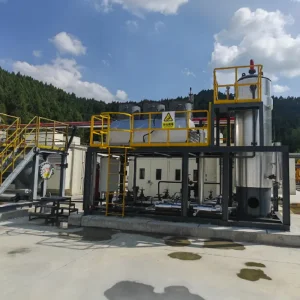
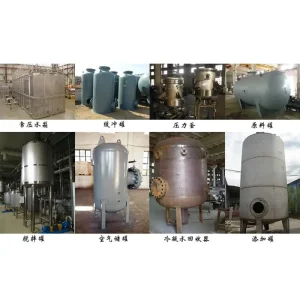
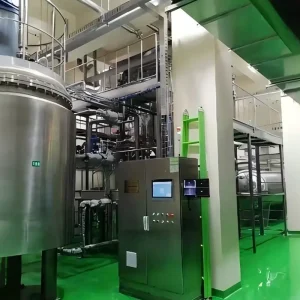
The manufacturing hub of Hebei Hongke Qingneng Environmental Protection Equipment Co., Ltd., situated in the Sanhe Economic Development Zone, Langfang City, exemplifies modern high-precision engineering. Since June 2021, backed by a registered capital of 78 million yuan, our facility has integrated Advanced manufacturing workflows to deliver high-quality pressure vessels and skid-mounted structures. By utilizing advanced welding automation, 100% radiographic weld testing, and stress-relieving thermal processing, the factory guarantees long-term mechanical reliability under cyclic pressure loads.
Being positioned in the Beijing-Tianjin-Hebei industrial corridor offers major logistics advantages. Local raw material ecosystems ensure quick access to high-grade SS304, SS316L, and structural steel, safeguarding production schedules from global supply chain disruptions. With direct access to deep-water shipping lanes and overland freight routes, we can guarantee rapid transport of fully integrated mobile sterilization skids to international destinations.