Engineered by leading academic minds to deliver high-efficiency industrial waste gas controls.
Understanding the strict regulatory transitions and demand dynamics across international markets.
Volatile Organic Compounds (VOCs), including aromatic hydrocarbons, chlorinated solvents, and organic alcohols, represent a critical vector in modern industrial environmental management. Historically, manufacturing facilities treated VOCs as simple operational waste. However, the modern industrial landscape, shaped by regulations like the EU's Industrial Emissions Directive (IED 2010/75/EU) and the US EPA’s Clean Air Act amendments, has transitioned toward zero-emission and circular economy standards. Today, selecting the right VOC Exhaust Treatment Equipment Manufacturer is not merely a box-ticking exercise for compliance; it is an optimization of raw materials, energy conservation, and system efficiency.
Modern petrochemical, chemical synthesis, pharmaceutical, and electronic manufacturing sectors yield compound gases requiring custom thermal oxidation, catalytic recovery, or cryogenic condensation. As global processing factories expand, requirements for specialized equipment that can manage varying concentrations (from highly concentrated hydrocarbon streams down to diluted ventilation air) have intensified. Standard methods like thermal flaring are phased out in favor of recovery-focused configurations, where solvents are condensed or converted back to process thermal energy via Regenerative Thermal Oxidizers (RTOs).
Propelled by advanced scientific research and robust certifications.
Bridging state-of-the-art physics academy research with heavy manufacturing capabilities.
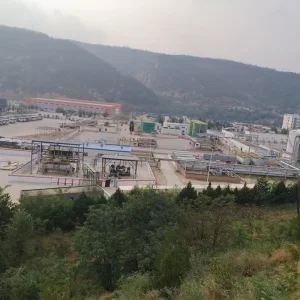
Established in June 2021, with a registered capital of 78 million yuan, Hebei Hongke Qingneng Environmental Protection Equipment Co., Ltd. has established its core research and production operations within the industrial base of the Sanhe Economic Development Zone, Langfang City. The company specializes in the R&D, design, and manufacture of complex equipment for the energy conservation and environmental protection sectors.
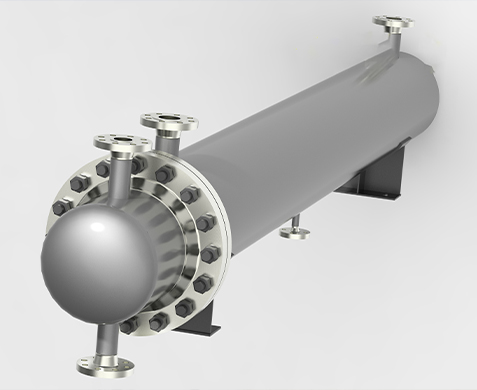
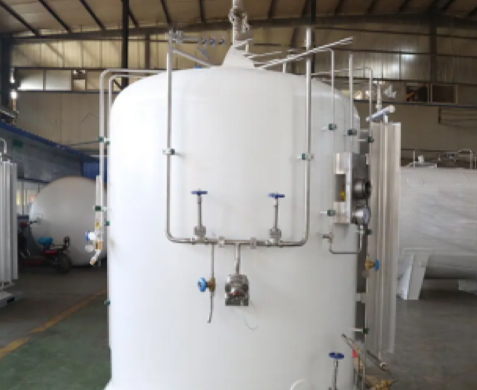
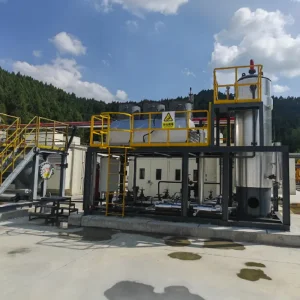
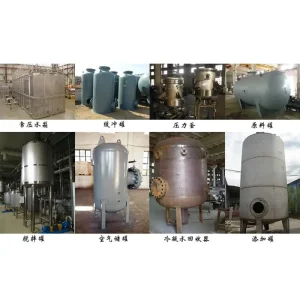
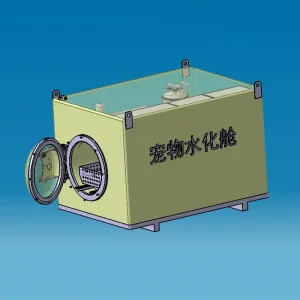
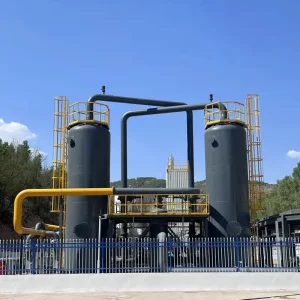
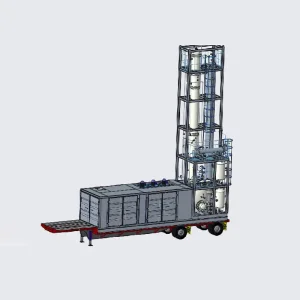
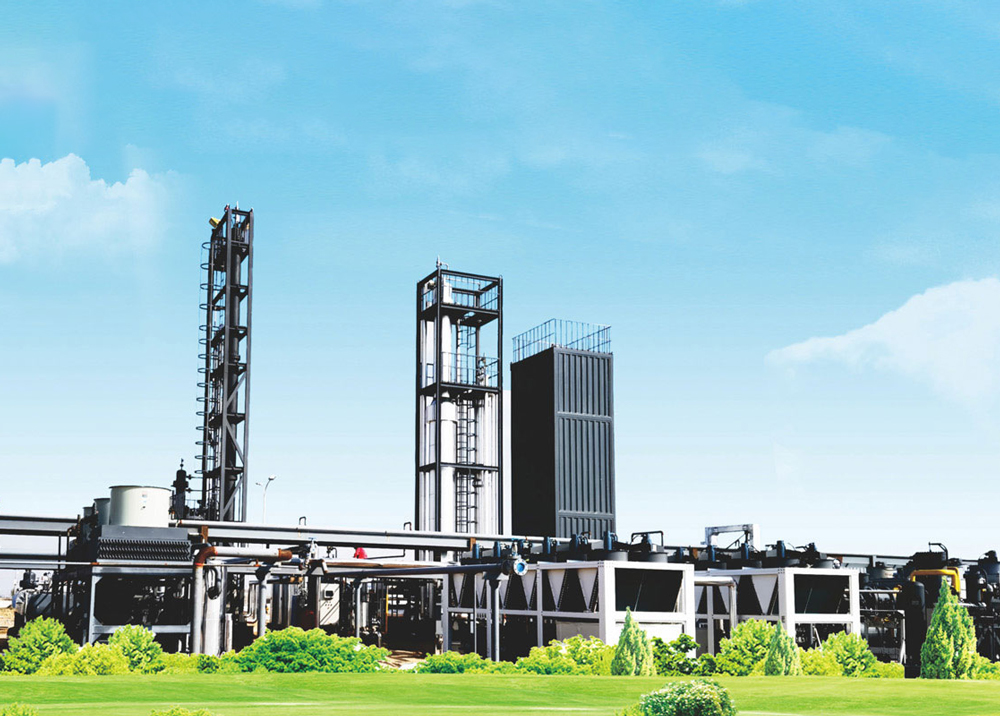
Our operational framework encompasses a comprehensive array of pressure vessels, medical waste treatment machinery, eco-friendly pet dehydration chambers, biological wastewater units, and custom skid-mounted gas treatment assemblies. Our industrial footprint covers the purification and liquefaction of coalbed methane (CBM), shale gas, and natural gas, alongside optimized chemical tail gas recovery systems and high-efficiency VOC abatement units.
Supported by a highly skilled team of engineers and scientists from prestigious institutions, including the Institute of Physics and Chemistry Technology of the Chinese Academy of Sciences (CAS) and Tsinghua University, we combine thermodynamic theory with industrial practice. This synergy enables us to achieve high performance in cryogenic gas processing, pressure boundary designs, and complex system controls.
Guided by specialized experts in thermodynamics, refrigeration, and environmental engineering.
Founder & Chairman
Doctoral degree from the Institute of Physics and Chemistry Technology, CAS. Recipient of the National 863 Program grants and multiple awards including the Beijing Science and Technology Award. He has oversaw the deployment of over 50 large-scale skid systems across China.
General Manager
Ph.D. Candidate & Senior Engineer, CAS. Author of 24 international peer-reviewed academic papers (11 SCI/EI indexed) and holder of 5 national patents. Recipient of the China International Industry Expo Silver Medal.
Chief Engineer
Doctor of Engineering, CAS. Renowned for key research in "Skid-mounted Natural Gas Liquefaction Units" and heat transfer kinetics of mixed working mediums. He translates advanced cryogenics into modular industrial systems.
Integrating technical advantages, certified manufacturing, and global standards compliance.

By maintaining direct links with Tsinghua University and the Chinese Academy of Sciences, we utilize state-of-the-art thermal modelling, finite element analysis (FEA), and process simulation tools (ASPEN HYSYS) to deliver highly efficient plant dynamics.

We hold the A2 level Pressure Vessel Manufacturing License, Pressure Pipeline Component Manufacturing License, GB/T19001-2016 quality system certification, and the Sinopec HSSE/China Petroleum Health, Safety and Environment Management System certification.

Our primary goal is to help modern industries transition to low-carbon operations. We provide high gas recovery rates, reduce atmospheric emissions, capture scattered greenhouse gases, and recover valuable helium and light hydrocarbons.
Demonstrated performance across complex environmental containment setups.
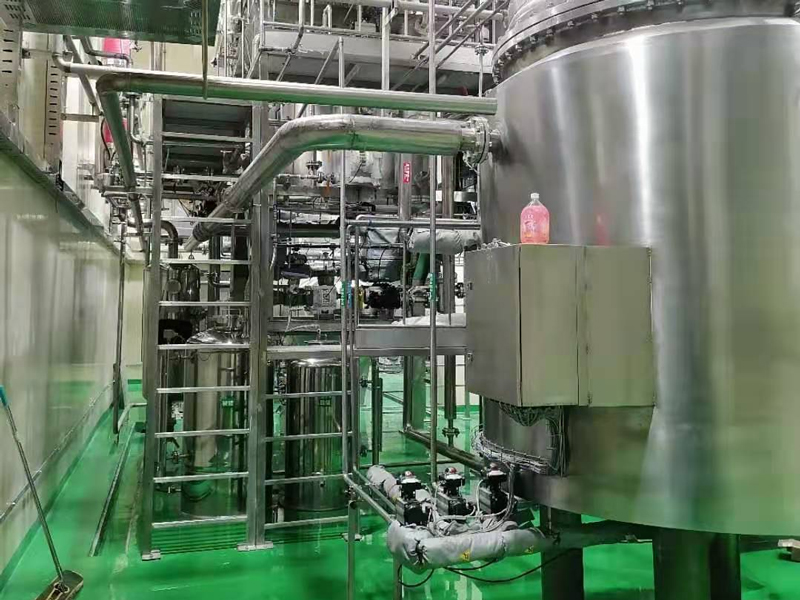
Fully enclosed, high-pressure alkaline hydrolysis chambers configured for Biosafety Level 3 (BSL-3) research environments. Complete containment of biological agents.
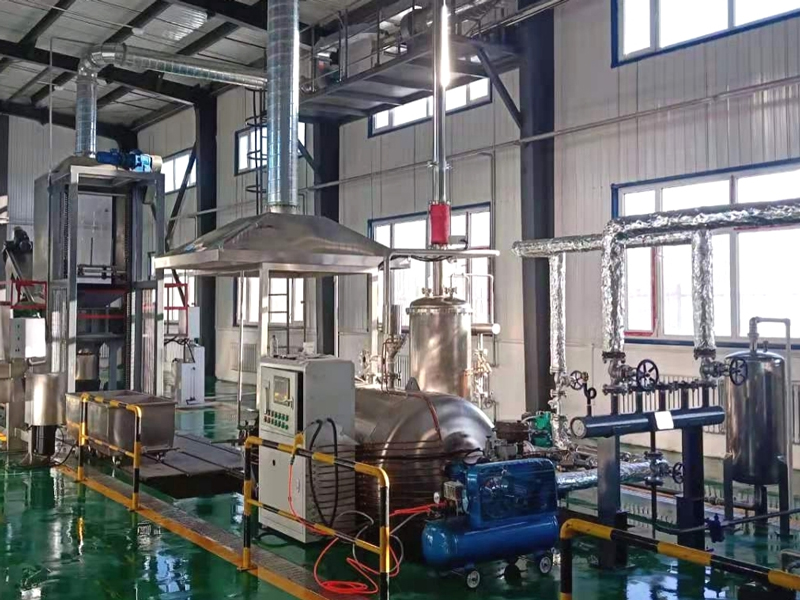
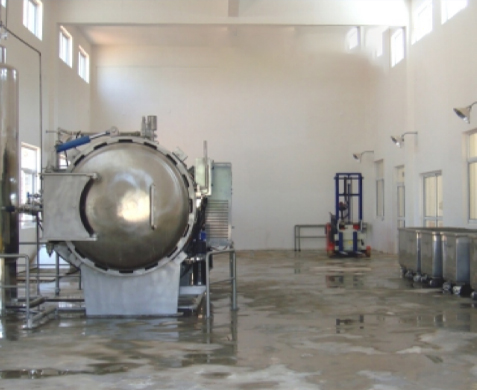
Self-contained, high-temperature steam sterilization units mounted on rapid-deploy skids, meeting global emergency response protocols.
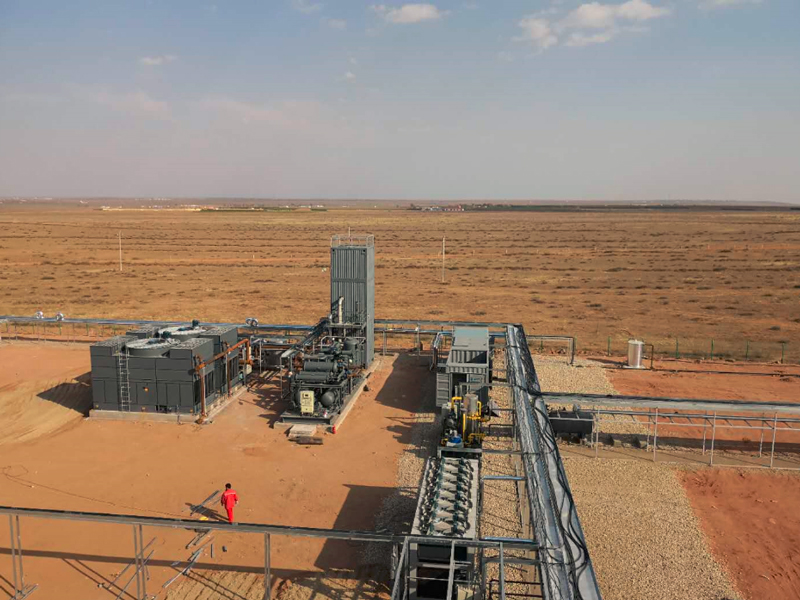
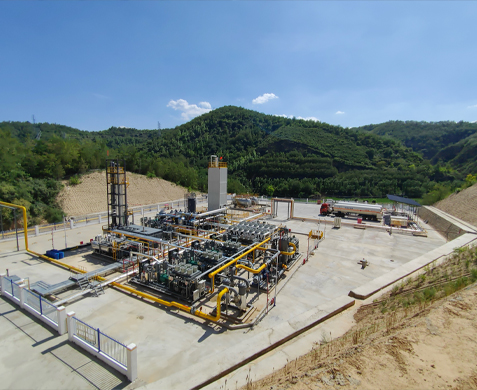
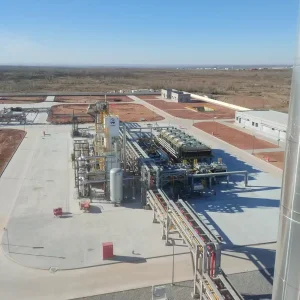
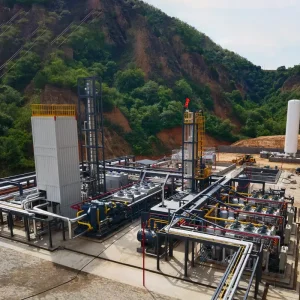
Deployable skid systems recovering flash gas and associated petroleum gas directly at the wellhead, transforming potential flares into usable LNG.
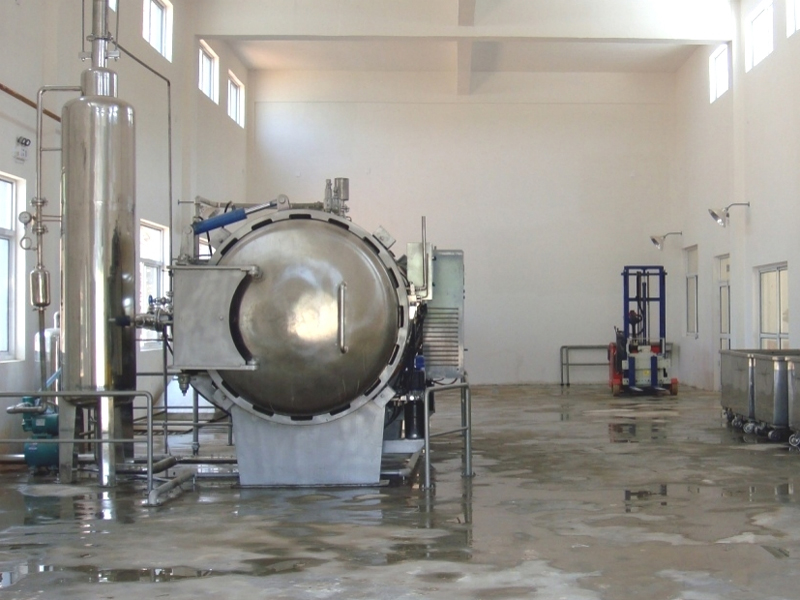
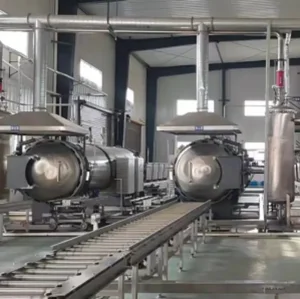
High-volume automated shredding and steam autoclave lines designed for metropolitan waste management complexes.
How our factory delivers advanced, cost-effective environmental equipment to global buyers.
Procuring heavy environmental machinery internationally requires addressing lead times, raw material sourcing, and localized installation. Choosing a China-based factory offers key advantages in resource integration, component sourcing, and engineering expertise. At our Langfang production base, we combine regional steel manufacturing and valve supply networks with advanced thermodynamic engineering. This proximity reduces delivery delays, enabling rapid engineering-to-order cycles that outperform Western competitors by up to 40% in project schedule execution.
Furthermore, global procurement managers need to verify compliance with international design codes. We address this directly by adhering to ASME Section VIII Div 1/2 standards for pressure boundaries, CE marking for European markets, and local standard certifications. Our skid-mounted designs are built to fit standard shipping configurations (ISO flat racks or containers), minimizing transportation risks and reducing on-site installation work from weeks to days.
Technological refinement and rigorous testing across our pressure vessel and gas skid assembly lines.
Detailed insights from our engineering team on selection, safety, and operation.
A: Method selection depends on VOC concentration (ppm), flow rate (Nm³/h), moisture levels, chemical composition, and whether solvent recovery is commercially viable. Low-concentration, high-flow streams are typically treated using zeolite concentration rotors paired with an RTO. In contrast, high-concentration streams with valuable organic constituents are better suited for cryogenic condensation or adsorption-recovery systems.
A: Leveraging industrial refrigeration cycles, we lower the stream temperature to condense volatile components out of the carrier gas phase. Under sub-zero regimes (ranging from -40 °C to -180 °C), hydrocarbons transition to liquid or solid phases, allowing separation from non-condensable components. This approach is highly effective for recovery-focused petrochemical operations and BOG helium extraction.
A: Skid mounting allows for factory assembly, integration, and testing under controlled shop conditions. This reduces issues caused by welding, dust, and electrical errors on-site. The compact, pre-piped, and pre-wired skid structures are delivered complete, simplifying field integration and accelerating project timelines.
A: The ASME Boiler and Pressure Vessel Code (BPVC) Section VIII is widely required in the Americas and international projects. For Europe, compliance with the Pressure Equipment Directive (PED 2014/68/EU) and CE marking is necessary. In China, manufacturers must hold the A2 level manufacturing license. We design and manufacture to meet these regional standards, ensuring regulatory compliance and structural integrity.
A: Safety is maintained through structural pressure boundaries and integrated instruments. We employ ATEX/IECEx certified explosion-proof instrumentation, automatic nitrogen purging loops, flame arrestors in feed channels, gas sensors, and redundant pressure relief systems (safety valves/rupture discs) to prevent over-pressurization and ignore sources.
A: Preventive maintenance is scheduled annually, focusing on burner calibration, structural inspections of ceramic media (for RTOs), and valve actuator tests. Continuous parameters (inlet pressure, bed temperature profiles, hydrocarbon emissions) are monitored via PLC interfaces, allowing operators to identify issues before they require downtime.
A: No, they require distinct systems due to differences in state and biological load. Solid medical waste is processed using high-temperature steam sterilization and autoclaving (with pre-vacuum shredding). Biological liquid wastes (such as virus-containing cultures or laboratory effluent) are treated in specialized thermal sterilization reactors designed for continuous flow containment.
A: Our core team includes Ph.D. holders from the Institute of Physics and Chemistry Technology of the CAS. We translate laboratory research in cryogenics, gas thermodynamics, and heat exchange performance into industrial-scale products. This helps optimize refrigerant mixtures, lower power requirements, and improve gas separation efficiency.
Explore our complete range of custom environmental and process equipment.
Connect directly with our engineering team for custom drawings, system sizing, and quotation parameters.
Whether you require an A2 pressure vessel, a skid-mounted VOC cryogenic recovery unit, or biological containment systems, our academic design team is ready to evaluate your process specifications.
Request Professional Quotation Hongke Qingneng