Explore our state-of-the-art skid-mounted processing units, engineered for high reliability, efficient thermodynamics, and rapid deployment.
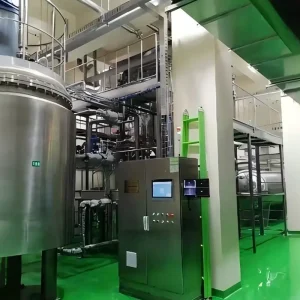
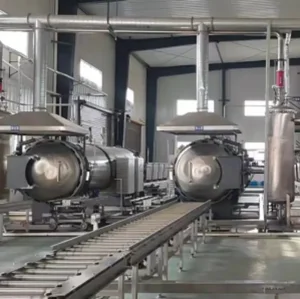
The global shift toward decentralized gas infrastructure, flare gas reduction, and localized resource recovery has driven the demand for highly efficient, modular process solutions. Skid-mounted liquefaction equipment represents the peak of this technological transition. By packaging complex chemical processes—such as acid gas removal, dehydration, heavy hydrocarbon extraction, and cryogenic cooling—into transportable, pre-commissioned structural frames, industrial operators bypass high-cost on-site construction hurdles.
Hebei Hongke Qingneng Environmental Protection Equipment Co., Ltd. (Registered Capital: 78 Million Yuan) stands at the forefront of this manufacturing and design revolution. Located in the Langfang Sanhe Economic Development Zone, we engineer custom process skids optimized for shale gas processing, coalbed methane (CBM) capture, biogas-to-LNG upgrading, and helium purification from boil-off gas (BOG). Our systems ensure high thermodynamic efficiency by utilizing advanced Mixed Refrigerant Cycles (MRC) and optimized refrigeration technologies.
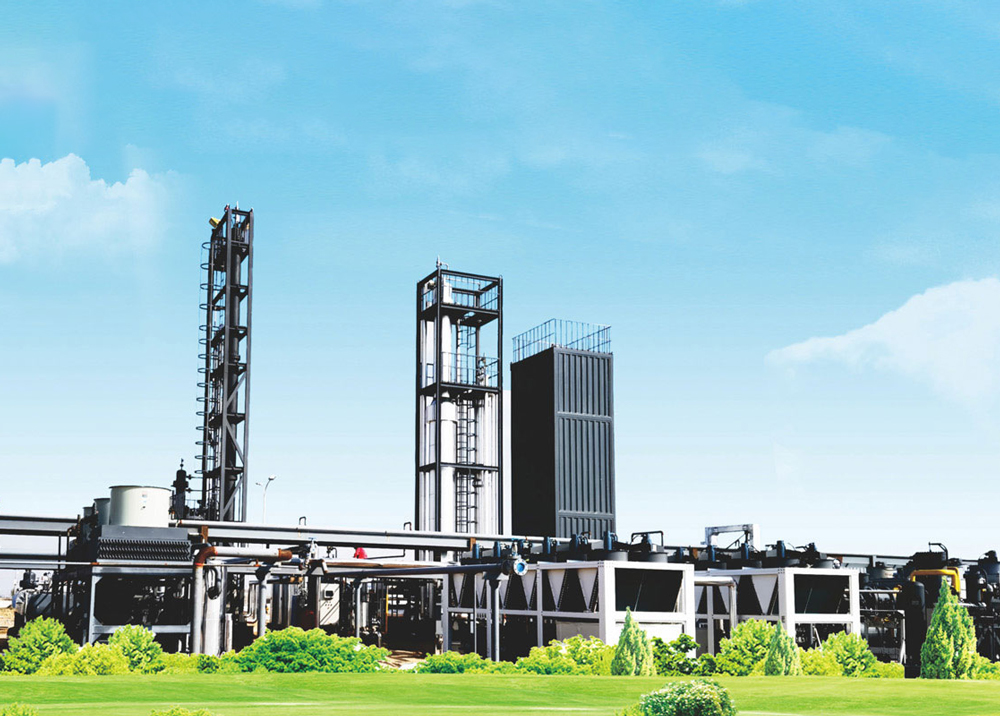
Our core differentiation lies in our deep ties with top-tier scientific institutions and our award-winning cryogenic R&D team.
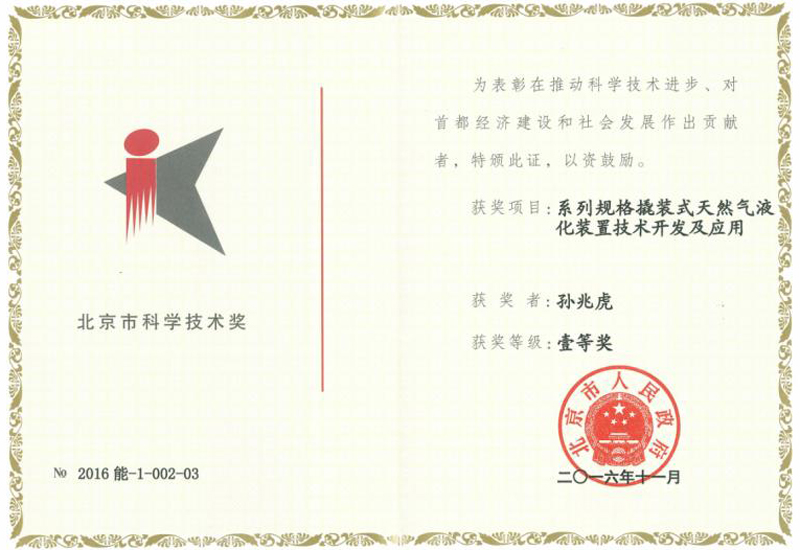
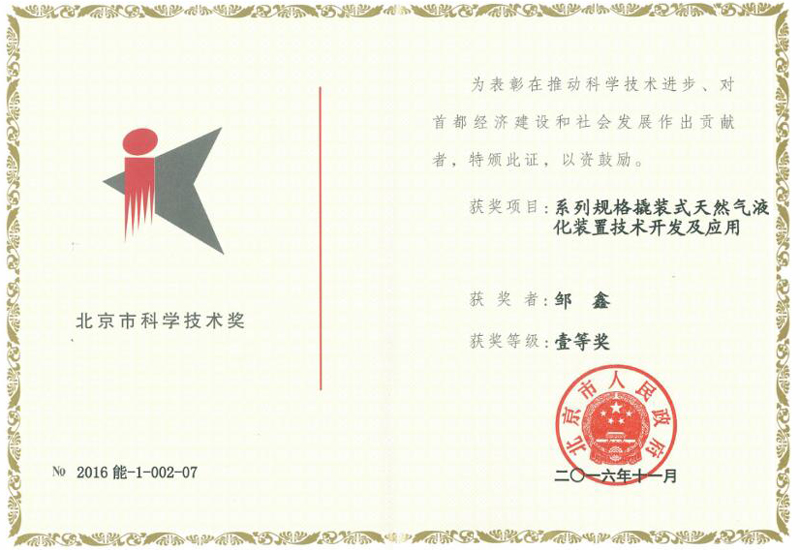
A national senior engineer and former project lead under the National 863 Program. Dr. Sun has led major research funded by the Natural Science Foundation and space-military agencies. He has received the Special Prize of Technological Invention from the Chinese Society of Refrigeration (2015) and the First Prize of the Beijing Science and Technology Award (2016). Under his leadership, the company has developed over 20 proprietary technologies and implemented more than 50 industrial skid units across Asia.
Leading the commercialization of our cryogenic and pressure vessel portfolios, Zou Xin has authored 24 academic papers (11 SCI/EI indexed) and holds multiple invention patents. He received the Silver Medal of the 19th China International Industry Expo (2017) and is a co-recipient of the Beijing Science & Technology Award. His expertise bridges laboratory thermodynamic research with scalable, high-throughput manufacturing.
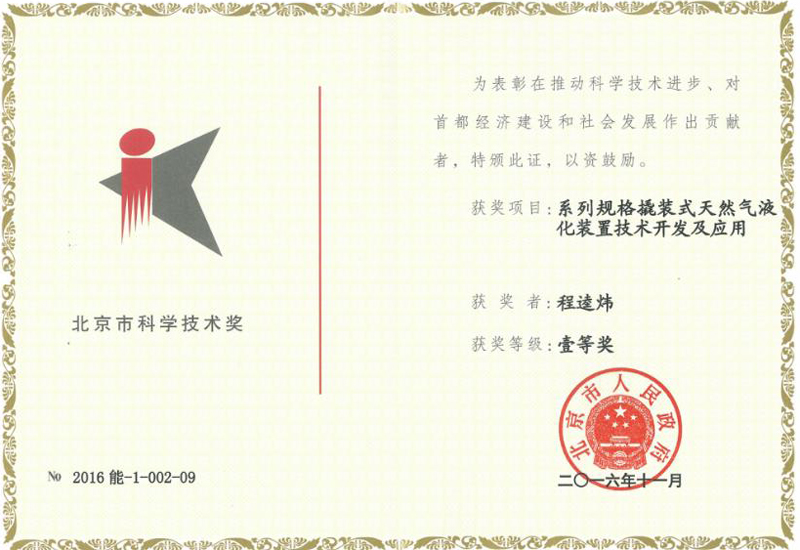
Dr. Cheng is the lead architect of our "Modular Specification Series for Skid-Mounted Natural Gas Liquefaction Systems." His pioneering research into the phase change heat transfer characteristics and flow properties of mixed refrigerants under extreme pressures has directly shaped our high-performance heat exchangers, reducing operational footprint and parasitic power loads by up to 15%.
Why modern processing operations rely on modular skid engineering to optimize capital expenditure and deployment schedules.
Each module consolidates purification, heavy hydrocarbon removal, refrigeration, and control cabinets on a structural steel base frame. Inter-skid connections are minimized to ensure fast site assembly.
By using a tailored mixture of nitrogen and hydrocarbons (C1 through C5), our cryo-coolers achieve higher coefficient of performance (COP) values compared to traditional pure nitrogen expander cycles.
Built in accordance with GB/T19001-2016 quality systems, Sinopec HSSE, and CNPC Health, Safety and Environment guidelines. Holds certified Class A2 pressure vessel manufacturing licenses.
By modeling the non-equilibrium transient phase transitions of hydrocarbon mixtures, our CAS engineering team developed an internal feed-forward algorithm for automatic flow matching. This mitigates liquid slugging risks in the cold box during sudden feed gas composition shifts.
We design and manufacture heavy industrial systems covering clean energy, environmental protection, and specialized deep refrigeration.
Why global EPC firms and industrial operators partner with our Langfang manufacturing base.
Purchasing skid-mounted liquefaction equipment from a specialized manufacturer in China offers major strategic advantages. We combine a robust domestic supply chain with strict international quality compliance. Our Langfang facility is situated within a major industrial manufacturing cluster in Hebei Province, providing direct access to premium raw steel, advanced cryogenic valves, and specialized instruments.
By optimizing structural designs and using domestic component chains, we deliver systems at a lower cost than Western fabricators, without sacrificing technical performance.
Our streamlined manufacturing workflow supports concurrent engineering. We fabricate structural skids, assemble piping, integrate electrical systems, and run pressure tests in parallel, saving weeks on delivery timelines.
With A2 pressure vessel licenses, ISO 9001 certifications, and experienced welding teams, every weld is verified via non-destructive testing (NDT), including radiographic and ultrasonic tests, to ensure long-term structural integrity in harsh field conditions.
Before shipping, each skid undergoes electrical diagnostics, pressure testing, and helium leak detection at our factory, minimizing commissioning issues when the equipment arrives on site.
Key considerations for international buyers sourcing industrial skid-mounted systems.
We adapt our core mechanical and thermal design schemas to meet international standards such as ASME Section VIII, CE-PED, and local environmental standards, ensuring smooth site approval processes.
For acid gas or marine environments, we use high-grade alloys, including 304L/316L stainless steel and duplex steels, along with robust coating systems to prevent stress corrosion cracking.
Our skids integrate PLC architectures (Siemens, Allen-Bradley) that communicate via Modbus/TCP or Profinet with main plant Distributed Control Systems (DCS), allowing remote monitoring and safe shutdowns.
Actual system configurations deployed across diverse operations.
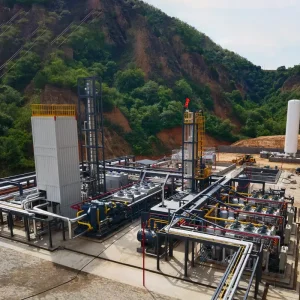
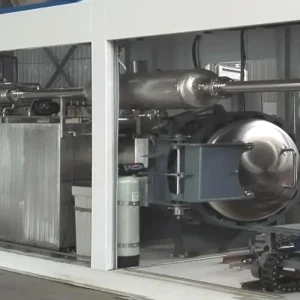
Heavy structural skid assembly showing integrated piping manifolds and vibration isolators.
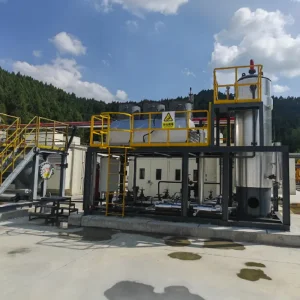
High-efficiency acid gas removal section designed to meet H2S and CO2 specification limits.
Multi-stream plate-fin heat exchangers mounted within vacuum-insulated enclosures.
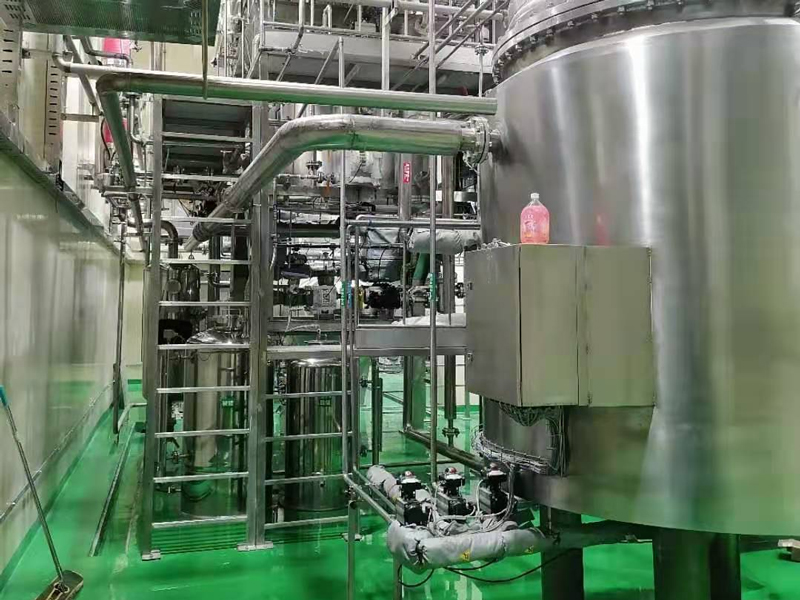
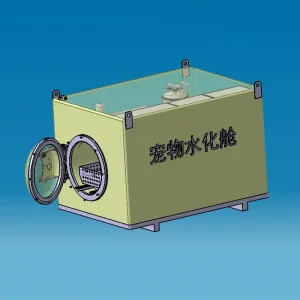
Fully automated alkaline hydrolysis autoclave for laboratory animal residue processing.
How new market demands and environmental standards are shaping the next generation of skid designs.
The industrial gas and cryogenic liquefaction sector is adapting to meet global carbon-neutral targets. Standard, custom-engineered modular systems are increasingly incorporating carbon capture modules. By coupling amine-based CO2 extraction with cryogenic separation, operators can liquefy and capture carbon directly at the wellhead, transforming raw natural gas or biogas into low-carbon fuels.
Additionally, the rising demand for helium has made BOG helium extraction a key focus for LNG storage terminal operators. Boil-off gas contains valuable trace elements of helium. Our research team has developed modular extraction skids that use multi-stage membrane separation and cryogenic fractionation to refine crude helium to over 99.999% purity. This allows terminal operators to secure high-value secondary revenue streams from existing boil-off gas resources.
Technical answers to key inquiries regarding design codes, operating conditions, and custom fabrication.
Our mechanical systems are designed to meet GB150 and A2 pressure vessel licensing requirements. We also align designs with ASME Section VIII Division 1 & 2, and CE-PED standards for international installations, utilizing professional software like PV Elite for structural calculations.
MRC systems provide higher thermodynamic efficiency (lower specific power consumption per kg of liquefied gas) compared to pure nitrogen expansion. The mixed refrigerant composition can be adjusted to match the cooling curve of the feed gas, making it ideal for variable gas flows.
Depending on the feed gas composition and capacity, engineering design and fabrication takes 22 to 32 weeks. This includes process simulation, structural modeling, A2 pressure vessel fabrication, PLC programming, and factory tests.
We design centralized medical waste steam autoclaves and specialized high-temperature alkaline hydrolysis systems for laboratory animal carcasses. These systems destroy all pathogens and reduce solid waste volume safely without emission issues.
Yes. We integrate customizable pre-treatment purification skids using amine washes for acid gas removal, molecular sieve beds for dehydration, and activated carbon beds for heavy hydrocarbon capture to protect downstream cryogenic components from freezing.
Access our full catalog of desulphurization, purification, and modular pressure vessel systems.
 Hongke Qingneng