High-Quality High-Temperature Hydrolysis Treatment Equipment for Laboratory Animal Carcasses - China Suppliers & Factory Solutions Factories, Factory

Introducing our advanced high-temperature alkali hydrolysis treatment system for laboratory animals, designed and manufactured in China. This state-of-the-art system, produced by leading suppliers in the industry, ensures complete sterilization of animal tissues. Following the alkali hydrolysis process, the treatment effectively transforms biological materials into solid residues while generating minimal waste liquid and a negligible amount of odorless, harmless gas. Our innovative solution guarantees eco-friendly and safe disposal, meeting the highest standards for laboratory waste management. Trust our factory to provide the most reliable and efficient treatment systems for your laboratory needs

Product Description

Product Description

High-Temperature-Hydrolysis-Treatment-Equipment-for-Laboratory-Animal-Carcass2
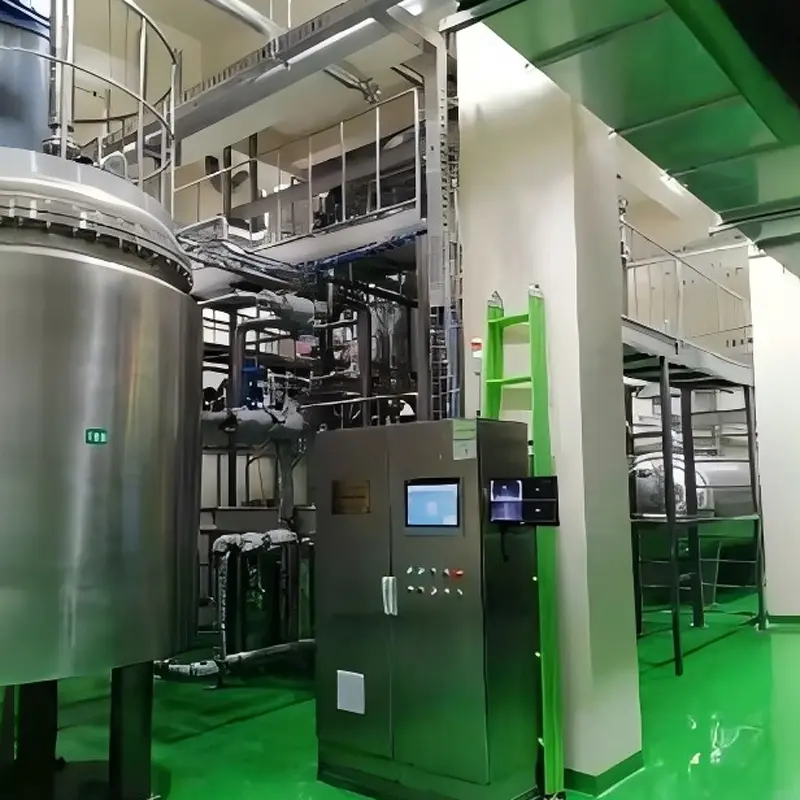
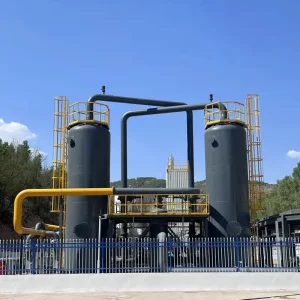
Laboratory animal carcass treatment equipment is also known as animal tissue alkali hydrolysis treatment equipment, experimental animal tissue treatment equipment, animal tissue degradation system, animal residue processor, animal carcass harmless treatment equipment, etc.
The corpses of epidemic animals, including epidemic infected experimental animals, vaccine production animals and other experimental animals needed in the research process, are in great danger. Harmful microorganisms such as virulent infectious viruses are likely to lie in these corpses, and improper treatment will cause the spread and spread, which will seriously threaten the lives and health of human beings and other organisms. The traditional burial method can only isolate, but can not kill harmful microorganisms; The incineration method will release dioxin and other harmful gases when burning animal carcasses, which will seriously pollute the environment.
The animal carcass treatment equipment adopts advanced high-temperature alkali hydrolysis treatment process, and uses alkaline substances such as NaOH and KOH to hydrolyze macromolecular substances such as proteins, lipids, nucleic acids and carbohydrates in animal tissues into water-soluble small molecular segments under high temperature and high pressure, so as to completely inactivate pathogenic microorganisms and kill the most stubborn prions. After treatment, animal tissues become solid residue, waste liquid and a small amount of odorous harmless gas, so as to realize harmless treatment. It can be widely used to treat various animal residues and biological tissues produced by various biological laboratories and animal vaccine factories.
Simple Operation

High-Temperature-Hydrolysis-Treatment-Equipment-for-Laboratory-Animal-Carcass3
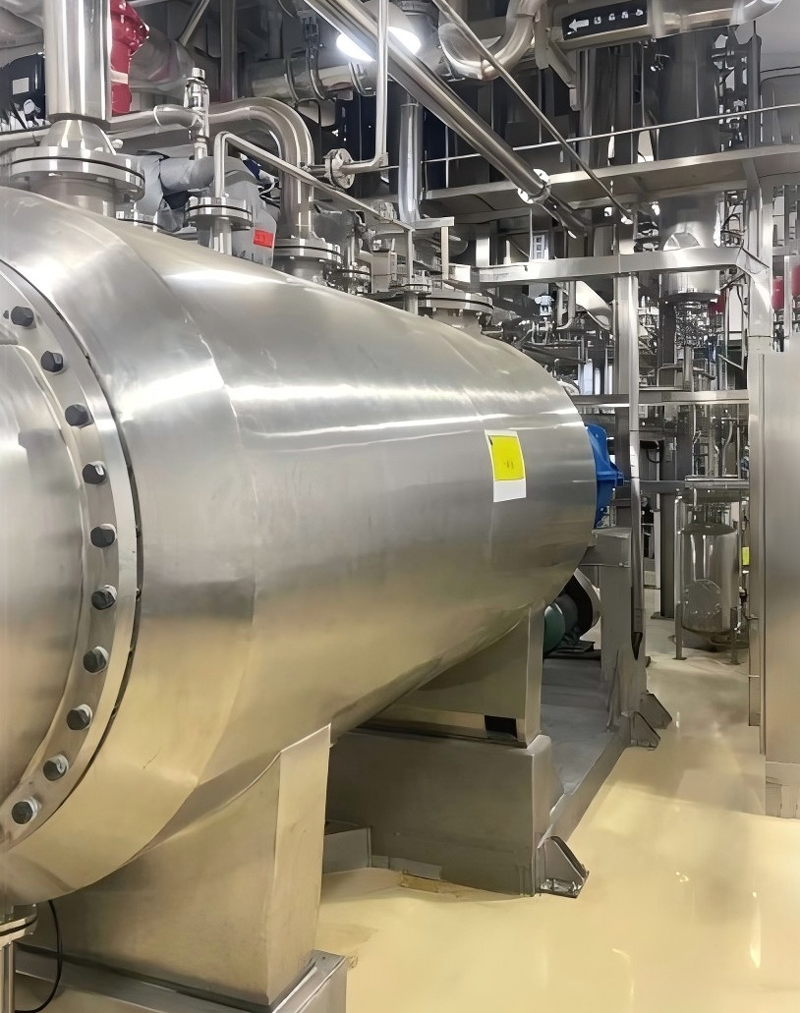
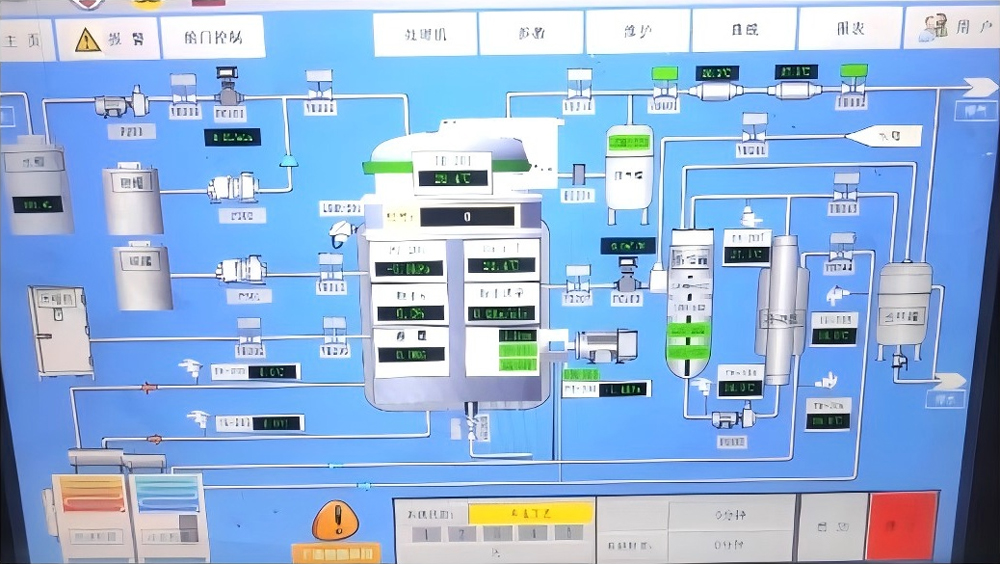
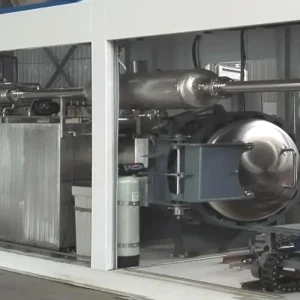
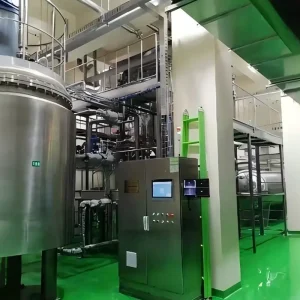
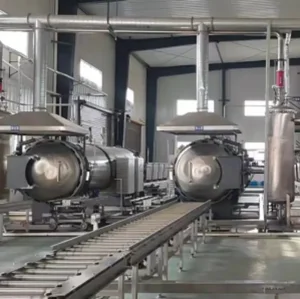
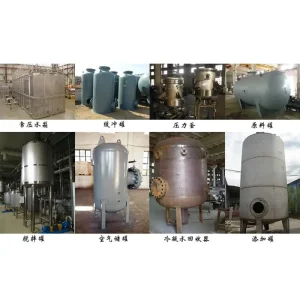
The laboratory animal high-temperature hydrolysis treatment equipment adopts automatic control as a whole, with fixed procedures, simple operation and simple training. The equipment is all made of stainless steel materials, with low maintenance cost and labor-saving.
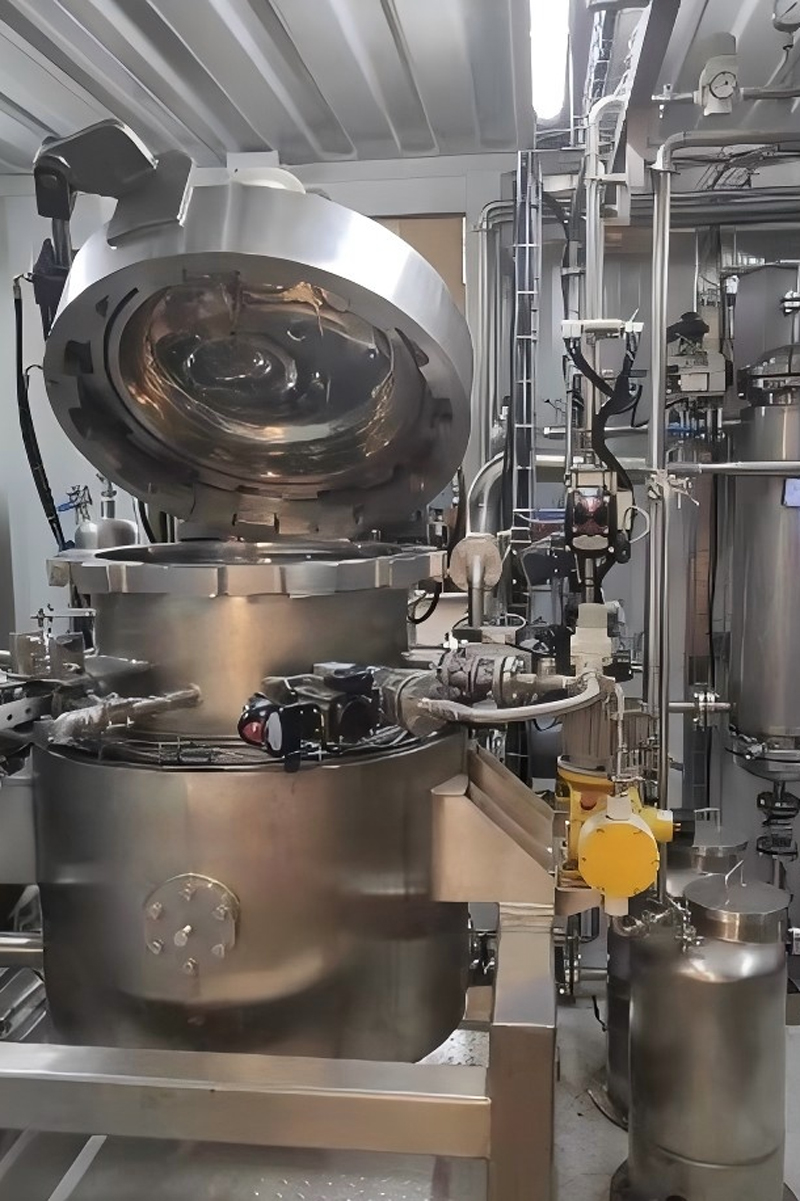
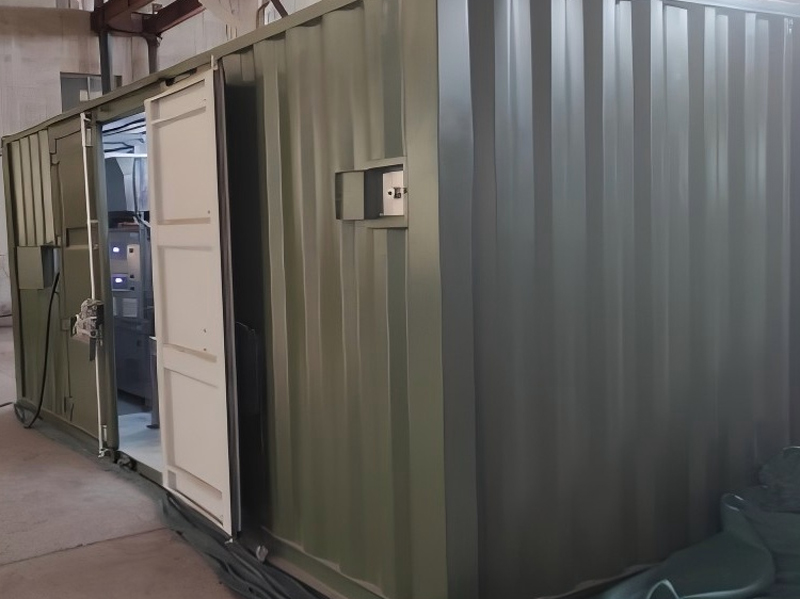
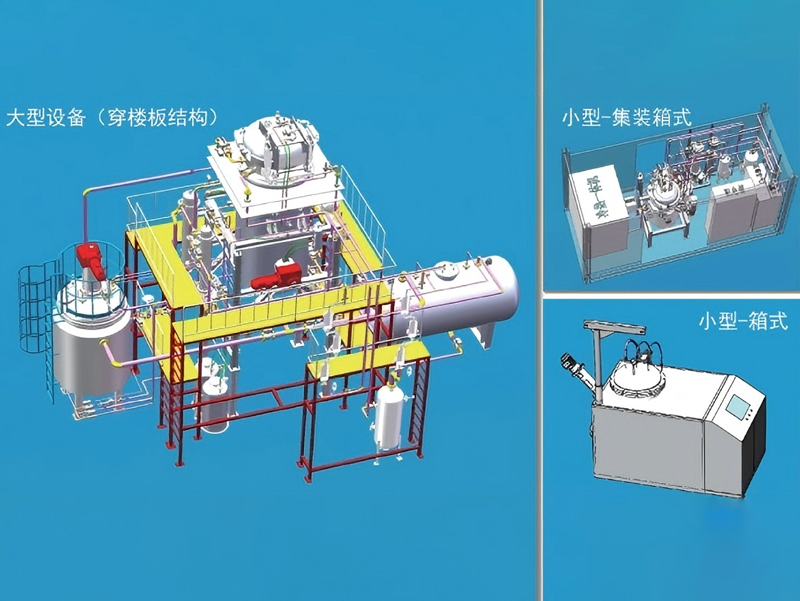
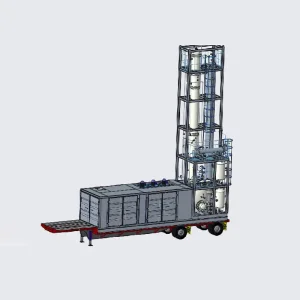
A mobile alkali hydrolysis treatment equipment for animal carcasses has also been developed. All the equipment is integrated in the container, which can be loaded and transported by ordinary trucks. It can treat the diseased animal carcasses anytime and anywhere, and eliminate the risks arising from the secondary transportation of diseased animal carcasses. It can also support the treatment of a large number of diseased animals in the event of regional outbreaks.

Product Advantages

Compared with incineration method, high temperature alkali hydrolysis method has the following outstanding advantages:
1
The floor area of the equipment is only 1/5 of that of the incinerator, which greatly saves the floor area.
2
The processing cost is low, the equipment is fully automated, and the operation is simple.
3
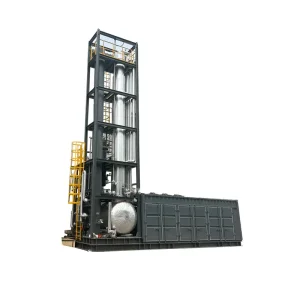
The equipment can be installed vertically or horizontally. The part where the feed inlet passes through the floor or wall adopts biological seal, which reduces other sterilization equipment and shortens the sterilization route.
4
The final effluent from the treatment of animal carcasses is solid residue (animal bone residue) and waste liquid. The solid residue can be directly transported away. Although the BOD of waste liquid is high, the BOD value of waste liquid discharged into the park pipe network is greatly reduced after mixing and diluting with the sewage of the whole park. The incinerator needs to be equipped with corresponding smoke and dust removal devices to meet the requirements of environmental protection. In addition, the incineration process consumes a large amount of oxygen, produces carbon dioxide, and has a large amount of carbon emissions, which is not conducive to the goal of carbon neutralization. Compared with the two methods, the alkaline hydrolysis method is easier to meet the requirements of environmental protection, and the pollution to the environment is minimized.
5
In terms of investment, the price of alkali hydrolysis treatment equipment is lower than that of incinerator.
The high temperature alkaline hydrolysis method not only has the sterilization ability of burying method, but also avoids the disadvantages of environmental pollution and high economic cost of incineration method. It is a reliable and preferred technical scheme for the treatment of animal carcasses.

Frequently Asked Questions (FAQ)

What is laboratory animal carcass treatment equipment?
It is also known as animal tissue alkali hydrolysis treatment equipment, animal tissue degradation system, or animal residue processor. It is designed to safely and harmlessly process animal residues and biological tissues from laboratories and vaccine factories.
How does the high-temperature alkali hydrolysis process work?
The process uses alkaline substances like NaOH and KOH to hydrolyze proteins, lipids, nucleic acids, and carbohydrates in animal tissues into water-soluble small molecular segments under high temperature and high pressure, completely inactivating pathogenic microorganisms and prions.
Why is alkali hydrolysis preferred over traditional burial or incineration?
Unlike burial, it completely kills harmful pathogens. Unlike incineration, it does not release dioxins, consumes far less oxygen, generates lower carbon emissions, has a lower price, and requires only 1/5 of the floor area of an incinerator.
What are the final residues of this treatment process?
The treatment results in solid residue (such as animal bone residue) that can be directly transported away, waste liquid that has its BOD value greatly reduced after dilution in the park's sewage network, and a small amount of odorous harmless gas.
Is the equipment easy to operate and maintain?
Yes, the equipment features automatic control with fixed procedures, requiring simple operation and minimal training. It is constructed entirely of stainless steel, ensuring low maintenance costs and labor efficiency.
Is there a mobile version of this treatment equipment available?
Yes, a mobile alkali hydrolysis treatment equipment is available. The entire system is integrated into a container that can be transported by ordinary trucks, allowing on-site treatment of diseased carcasses to eliminate secondary transportation risks.

Related Products