Hebei Hongke Qingneng Environmental Protection Equipment Co., Ltd. was established in June 2021, with a registered capital of 78 million yuan. Located in the high-tech industrial cluster of Sanhe Economic Development Zone, Langfang City, Hebei Province, our enterprise operates at the convergence of advanced academic research and heavy industrial manufacturing. We are dedicated to the research, development, and high-fidelity fabrication of energy conservation, purification, and environmental protection equipment.
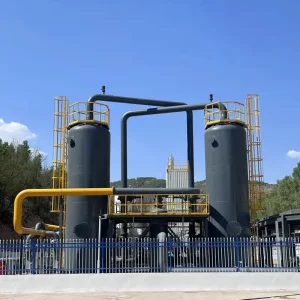
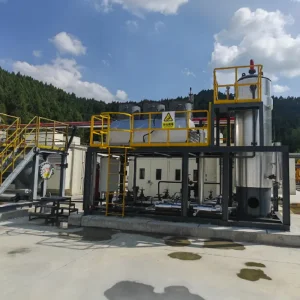
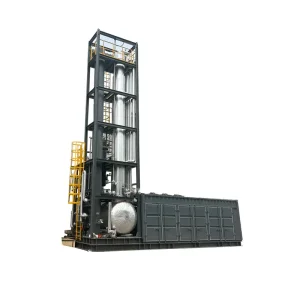
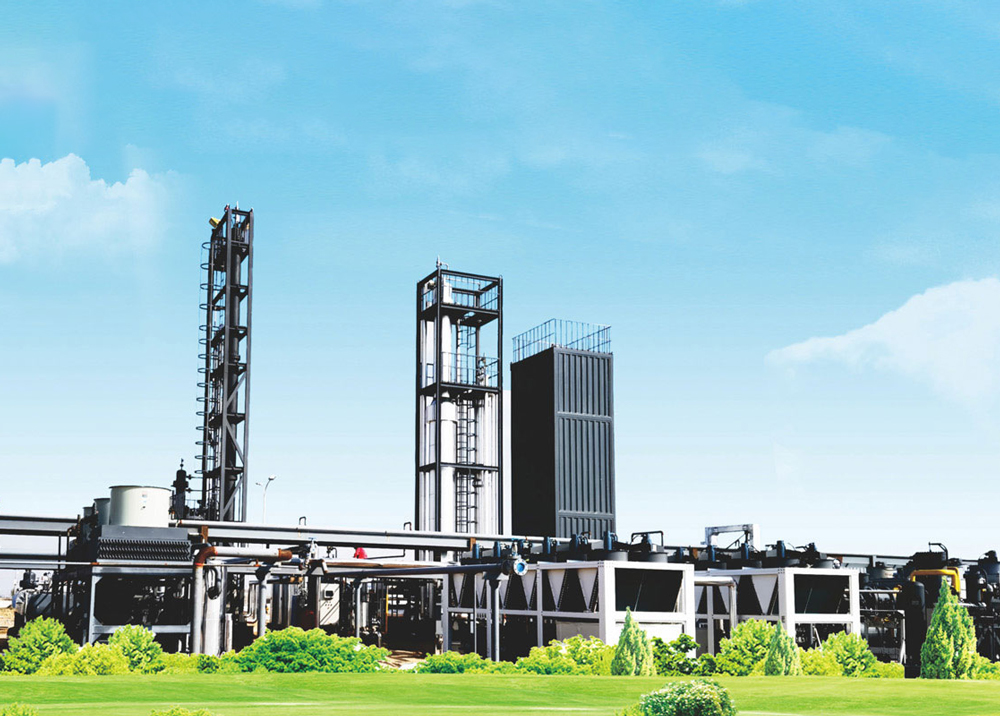
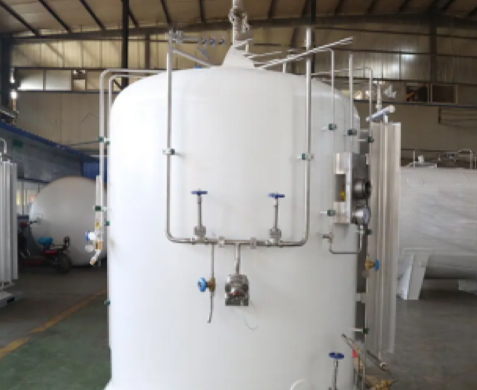
Our comprehensive production facility specializes in the design and manufacturing of various class pressure vessels, bio-hazard decontamination chambers, gas sweetening modules, and gas recovery skids. Hongke Qingneng's engineering footprint encompasses complex, integrated systems: coalbed methane (CBM) purification, shale gas deacidification, natural gas liquefaction, volatile organic compound (VOC) thermal oxidation, industrial cryogenic cooling, and BOG (Boil-Off Gas) tail gas helium extraction plants.
The global energy landscape is undergoing a critical transition. Stringent environmental mandates, such as the IMO 2020 marine fuel regulations, regional ultra-low emission standards for coal-fired power plants, and global gas transmission specifications, demand highly efficient desulfurization systems. The removal of Hydrogen Sulfide (H₂S) and Sulfur Dioxide (SO₂) is no longer just a compliance requirement—it is essential to protect downstream catalysts, prevent pipeline corrosion, and secure the lifecycle of industrial assets.
Modern industrial desulfurization utilizes two primary pathways: Wet Scrubbing and Dry Desulfurization Processes. Wet systems, including amine-based chemical solvent absorption (MDEA, MEA), are the industry standard for high-capacity natural gas sweetening and refinery sour gas treatment. Meanwhile, dry desulfurization processes, which utilize metal oxide reactive beds (such as iron oxide or zinc oxide), are preferred for low-to-medium sulfur loads due to their simple design, skid-mounted portability, and minimal fluid handling requirements.
International procurement agents, project managers, and Engineering, Procurement, and Construction (EPC) firms face complex technical requirements when sourcing gas sweetening plants. Key purchasing criteria include:
Sourcing desulfurization and gas purification equipment from China offers distinct advantages, particularly in terms of supply chain resilience and cost-efficiency. Our manufacturing base in the Langfang Industrial Zone leverages a mature ecosystem of raw materials, high-precision machining, and seamless logistics. This strong local supply chain enables us to source premium materials and specialized components quickly, reducing manufacturing lead times.
Furthermore, our engineering processes integrate Factory 4.0 standards. We utilize robotic welding, computerized non-destructive testing (NDT), automated stress-relieving ovens, and advanced thermodynamic simulation software to design and fabricate vessels and skids with high precision. This balance of advanced manufacturing and lean production practices ensures that Hebei Hongke Qingneng delivers high-quality industrial equipment that meets international standards at competitive price points.
| Technical Parameter | Dry Desulfurization Modules | Wet Amine Sweetening Systems |
|---|---|---|
| Typical Inlet H₂S Concentration | 10 - 2,000 ppmv | 0.1% - 5.0% vol (Sour Gas) |
| Outlet H₂S Specifications | < 4 ppmv (Clean Gas Pipeline Spec) | < 4 ppmv (Highly customizable) |
| Operating Pressures | Atmospheric to 10.0 MPa | 0.5 MPa to 8.5 MPa |
| Target Applications | CBM, Biogas, Wellhead Associated Gas | Large Liquefaction Plants, Refineries |
| Typical Materials of Construction | Carbon Steel / 316L Stainless Steel | 316L SS cladding / Carbon Steel with HIC resistance |
Our technical authority is driven by a senior R&D team from prestigious institutions, including the Institute of Physics and Chemistry Technology of the Chinese Academy of Sciences (CAS) and Tsinghua University. We bridge the gap between advanced cryogenic, thermodynamic, and process chemistry research and heavy industrial equipment manufacturing.
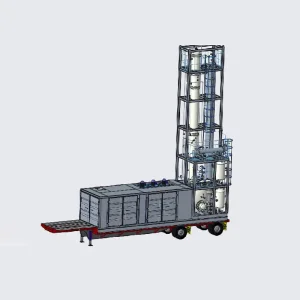
Our integrated manufacturing capabilities deliver high-performance environmental protection and gas processing equipment.




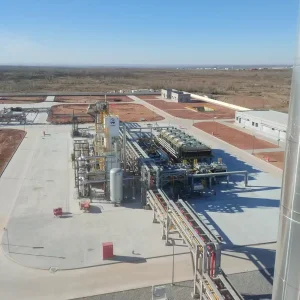
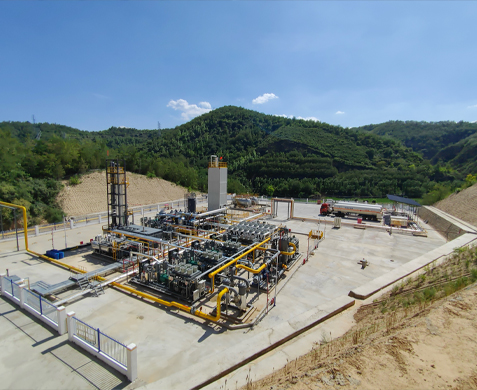
Below are several key projects demonstrating our design, manufacturing, and commissioning work across diverse operating conditions.
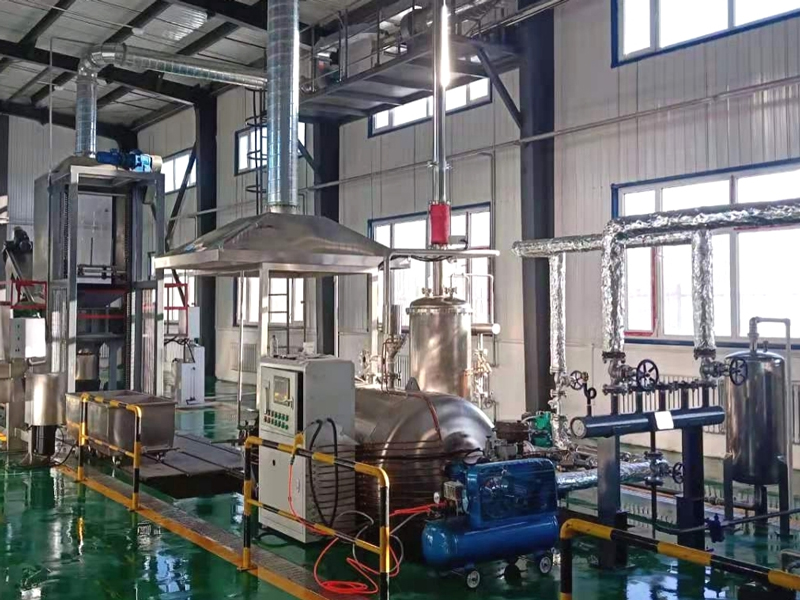
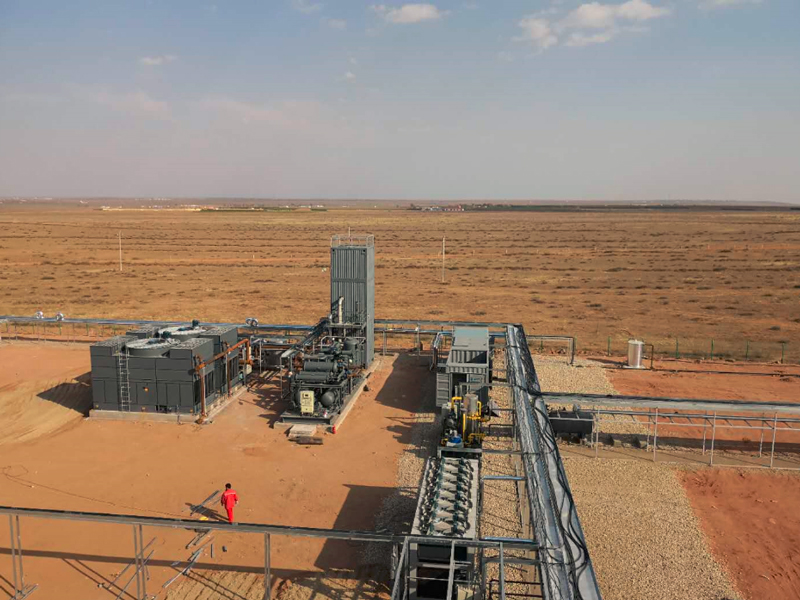
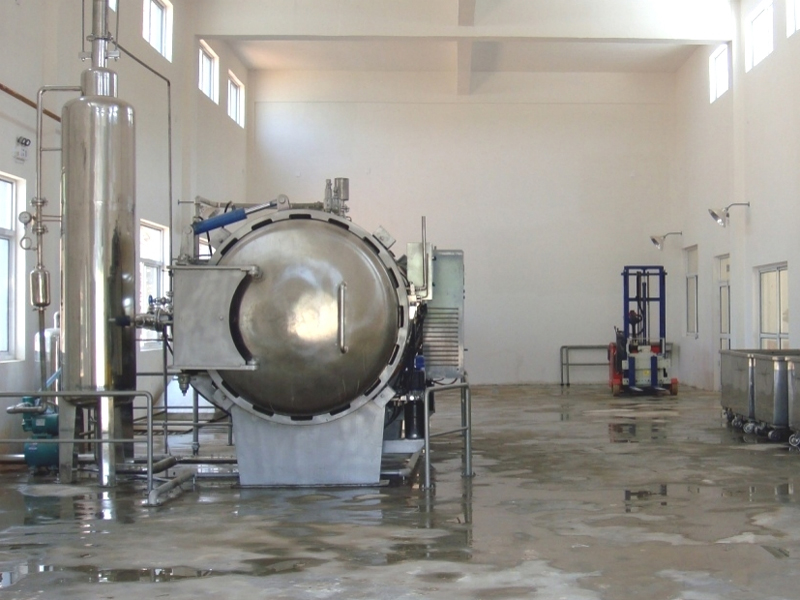
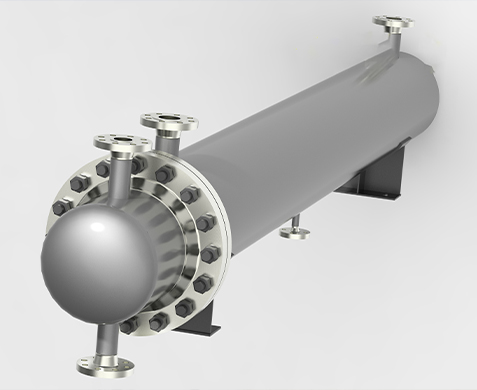
Industrial purification systems must be adapted to different regional conditions, regulatory climates, and process environments. Below are several key localized operating contexts for our equipment:
In regions like North America's Permian Basin or Central Asia's oilfields, associated gas is often flared due to pipeline specifications and high H₂S concentrations. Our skid-mounted dry desulfurization units and micro-scale amine sweetening systems offer a modular alternative. These pre-packaged units can be deployed directly to the wellhead to recover and sweeten associated gas, converting an environmental liability into pipeline-grade natural gas or feedstock for modular LNG production.
CBM extraction requires desulfurization and oxygen-removal solutions. We design customized vacuum regeneration processes and gas purification skids that handle high oxygen, low pressure, and fluctuating sulfur loads. These systems ensure the safety of downstream compressors and liquefaction equipment.
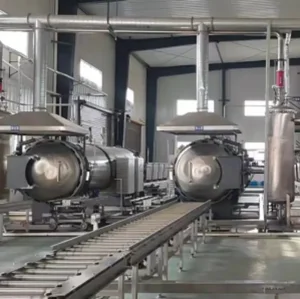
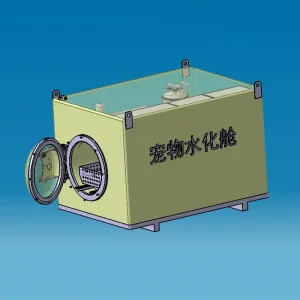
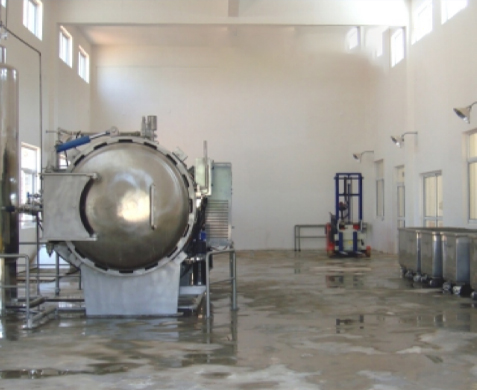
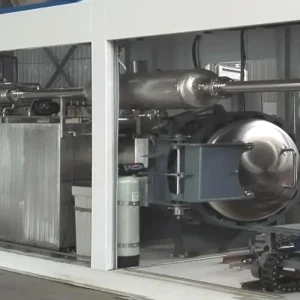
Beyond gas sweetening, our expertise in thermal engineering and pressure vessel design extends to high-temperature sterilization systems. Our centralized medical waste facilities and mobile steam disinfection units provide reliable sterilization of pathogenic materials. These systems are used by municipal waste operators, laboratory animal research centers, and agricultural facilities to process hazardous organic waste safely and efficiently.
Technical answers to common questions about our desulfurization and gas purification equipment.
 Hongke Qingneng