1. What is the core mechanism of dry desulfurization?
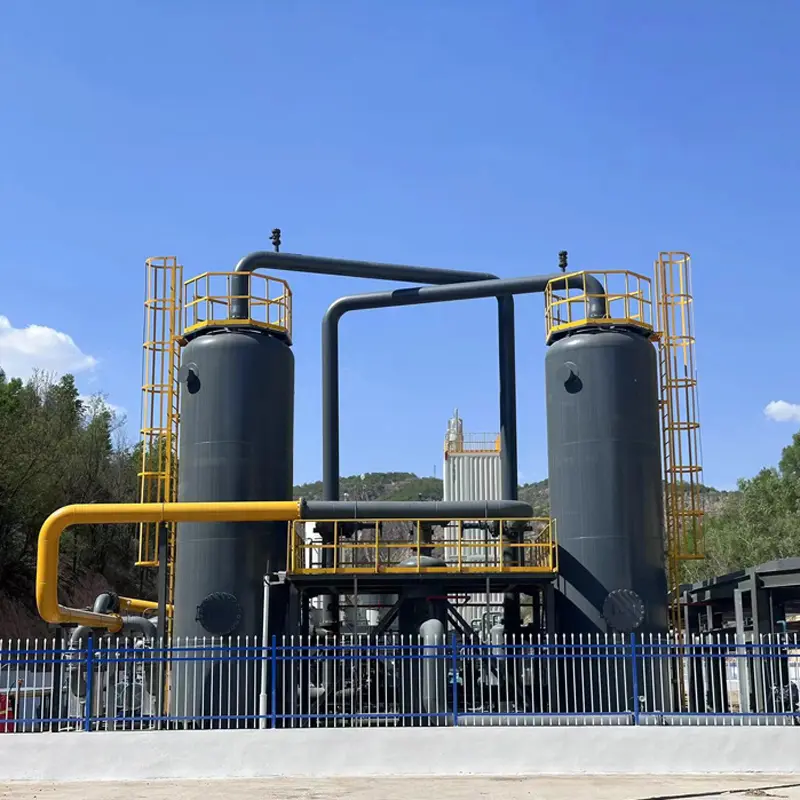
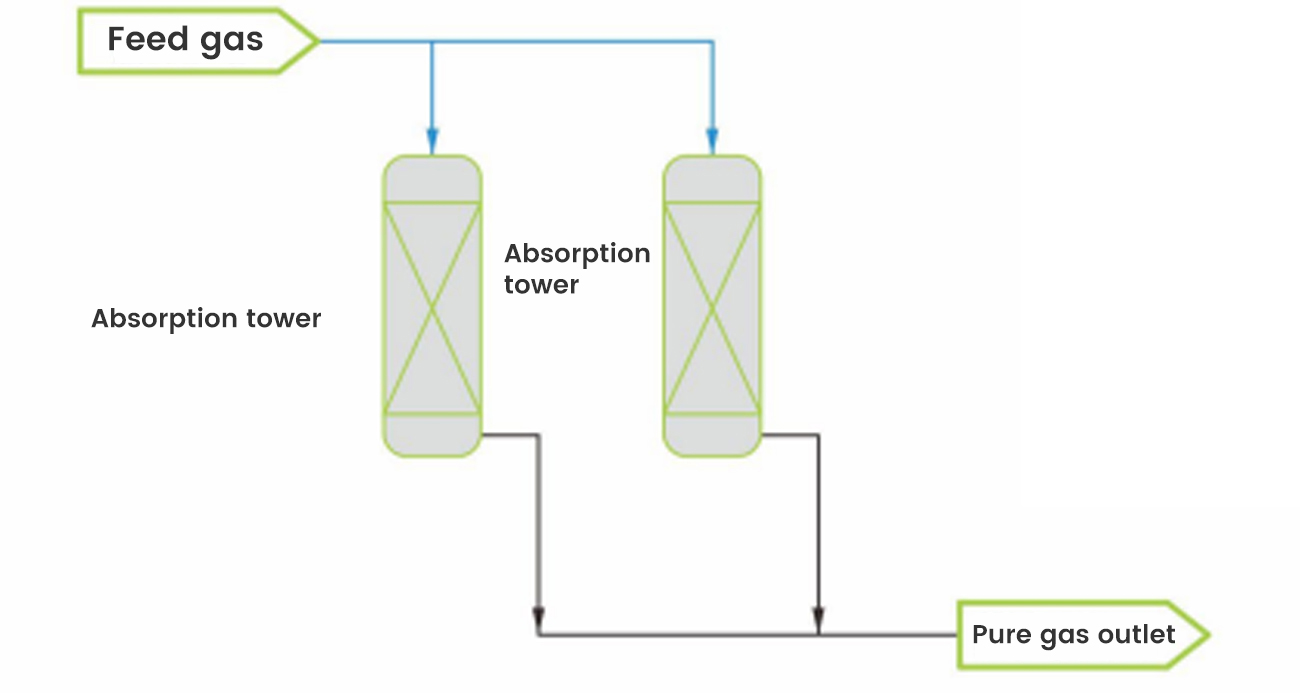
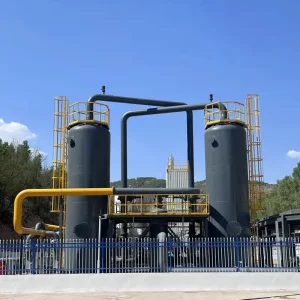
Dry desulfurization relies on a fixed-bed desulfurization tower filled with solid oxidizing agents like iron oxide or activated carbon. When raw gas passes through, H₂S undergoes a redox reaction and is chemically fixed inside the bed.
2. Where is dry desulfurization most effectively applied?
It is ideal for processing gases with small volumes and low sulfur content. Because it requires no complex liquid circulation system, it is widely utilized in remote gas wells and small gas stations.
3. How does wet desulfurization remove H₂S from raw gas?
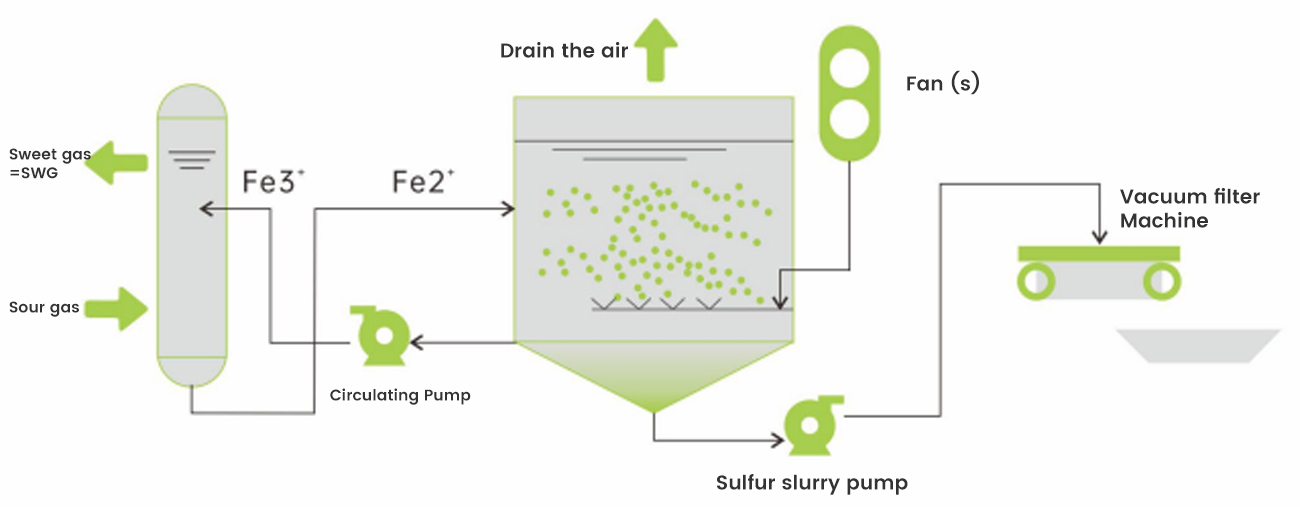
Wet desulfurization utilizes gas-liquid absorption. Raw gas enters an absorption tower where it contacts a sprayed liquid solvent (such as alcohol-amine or quebracho solution), rapidly absorbing and removing the H₂S.
4. How is the absorbed sulfur recovered in the wet system?
The sulfur-rich liquid is sent to a regeneration tank where, under reduced pressure and air oxidation, H₂S is converted into sulfur monomers. This sulfur foam is separated, settled, heated, and melted to produce exportable solid sulfur.
5. Is the desulfurization liquid reused in the wet process?
Yes. During regeneration, the liquid restores its chemical activity to become "poor liquid." It is then pressurized and pumped back to the absorption tower for continuous recycling.
6. Which process is better for high-sulfur working conditions?
Wet desulfurization is better suited for high-sulfur conditions. Although the process is more complex than dry desulfurization, it offers a much larger treatment capacity and higher desulfurization efficiency.
 Hongke Qingneng