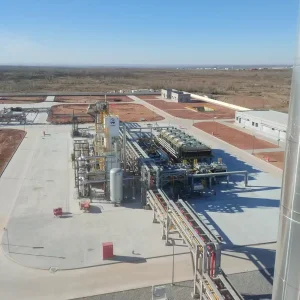
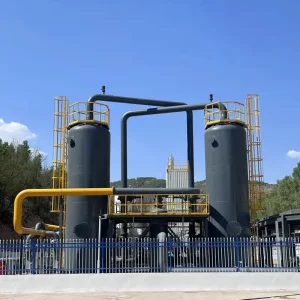
Explore our cutting-edge, factory-ready pressure vessels, desulphurisation plants, and skid-mounted LNG equipment engineered to deliver highest system integrity.
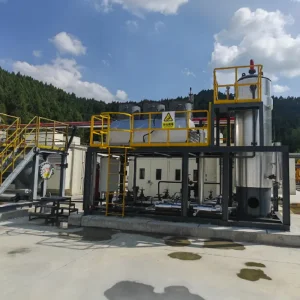
Hebei Hongke Qingneng Environmental Protection Equipment Co., Ltd. was established in June 2021 with a registered capital of 78 million yuan. Operating out of our advanced industrial base within the Sanhe Economic Development Zone in Langfang City, we have solidified our reputation as a premier designer and manufacturer of high-end energy conservation and environmental protection systems.
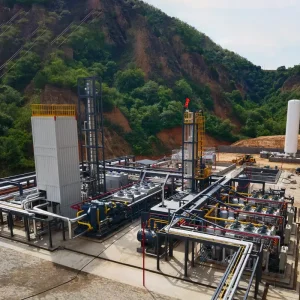
Our core capabilities lie at the intersection of thermal science and environmental protection engineering. We specialize in the development, fabrication, and commission of modular, skid-mounted gas purification and liquefaction facilities for natural gas, coalbed methane (CBM), and shale gas resources. In addition, we design custom pressure vessels, medical waste treatment machinery, and industrial refrigeration structures operating at extreme cryogenic temperature ranges.
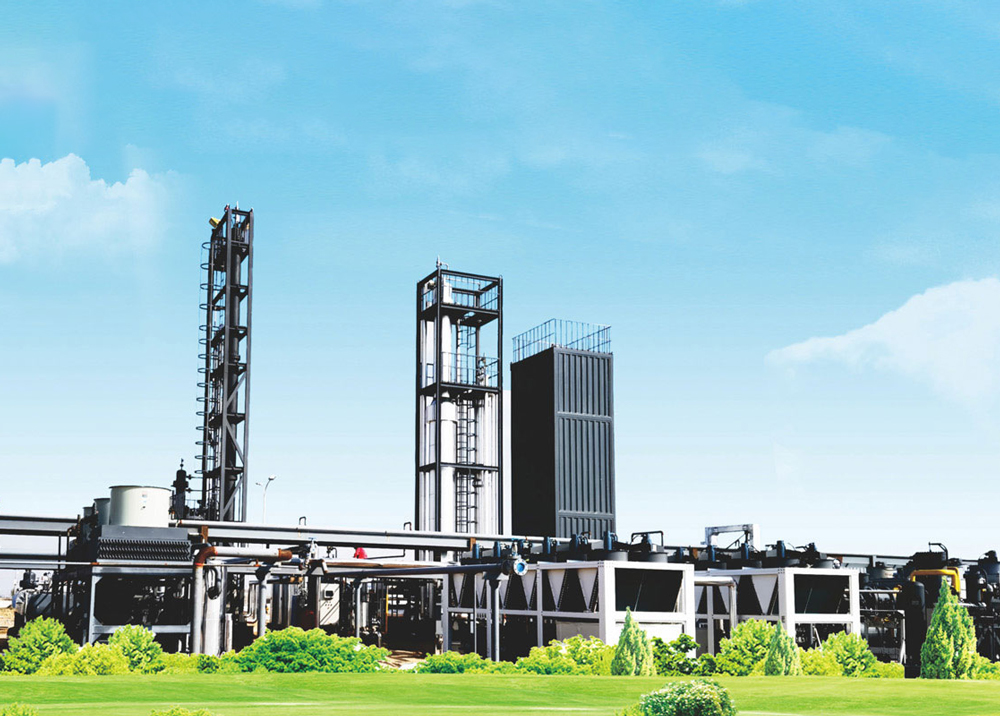
"By integrating advanced cryogenic engineering models with robust structural manufacturing, Hebei Hongke Qingneng bridges the gap between academic thermal research and field-proven operations. Our technologies enable operators to minimize emissions, recover flare gas, and optimize lifecycle costs."
Our technologies are driven by scientists and engineers from China's top academic institutions, holding major patents in cryogenic phase transitions and thermodynamics.
Obtained his Ph.D. from the Institute of Physics and Chemistry Technology, Chinese Academy of Sciences (CAS). He is a National Senior Engineer who has directed the National 863 Program, Aerospace and Military Cryogenic Projects, and the CAS Major Knowledge Innovation Program. His accolades include the Beijing Science and Technology Award (First Prize, 2016) and the Chinese Society of Refrigeration Technological Invention Award (Special Prize, 2015).
Senior Engineer of the Institute of Physics and Chemistry Technology, CAS. He has directed several national major science and technology special projects. Dr. Zou has published 24 domestic and international academic papers (including 11 indexed by SCI/EI), applied for 5 national patents, and holds the Silver Medal of the 19th China International Industry Expo (2017).
Holds a Doctor of Engineering from the Institute of Physics and Chemistry Technology, CAS. Specializes in phase change heat transfer characteristics and flow dynamics of mixed working mediums. He developed the "Technology Development and Application of Skid-mounted Natural Gas Liquefaction Unit with Series of Specifications" which won the First Prize of Science and Technology Award of Beijing.
In the contemporary energy landscape, the utilization of natural gas, shale gas, and coalbed methane is shifting towards localized, modular processing. Historically, large-scale central liquefaction terminals dominated the market. However, remote and scattered gas sources—such as associated petroleum gas (APG), shale gas wells during initial flowback, and coal mine vents—require highly dynamic, portable, and responsive processing technologies. This is where skid-mounted liquefaction plants deliver substantial economic and environmental value.
As a leading liquefaction plant manufacturer, our engineering team optimizes two primary thermodynamic processes to match feed gas characteristics:
Raw gas feeds contain significant concentrations of impurities ($H_2S$, $CO_2$, water vapor, heavy hydrocarbons, and VOCs) that must be mitigated prior to cryogenic processing to prevent freezing and equipment degradation. Our facilities integrate multi-stage purification blocks including thermal swing adsorption (TSA) dehydrators, amine-based acid gas removal systems, and VOC condensation stages. Additionally, we specialize in BOG (Boil-Off Gas) helium extraction, recovery systems for natural gas exhaust, and tail gas cleanup, turning potential pollutants into commercial co-products.
We build to international engineering standards, holding certifications from global quality assurance associations and petrochemical operators.
Licensed to design and manufacture Class I, II, and III high-pressure vessels, heat exchangers, and cryogenic reactors conforming to GB150 and ASME Section VIII standards.
Certified under Sinopec HSSE and China Petroleum (CNPC) Health, Safety, and Environment Management standards, ensuring zero-incident structural reliability.
Backing by the Chinese Academy of Sciences (CAS) allows us to integrate patented algorithms for mixed refrigerant flow distribution and phase change heat transfer.
We provide complete turnkey operations, from initial simulation and stress analysis using PV Elite, to factory testing, installation, and field optimization.
Our production facilities design non-standard equipment categorized under four industrial verticals:

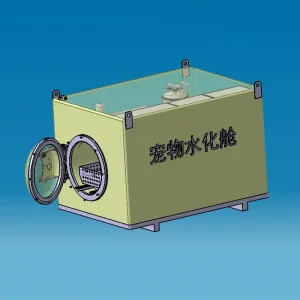
Centralized and mobile medical waste high-temperature steam treatment, animal tissue (residue) processors, and pet harmless treatment solutions.

Skid-mounted gas liquefaction rigs, raw gas deacidification, TSA gas dehydration systems, H₂S scrubbers, and VOC separation blocks.

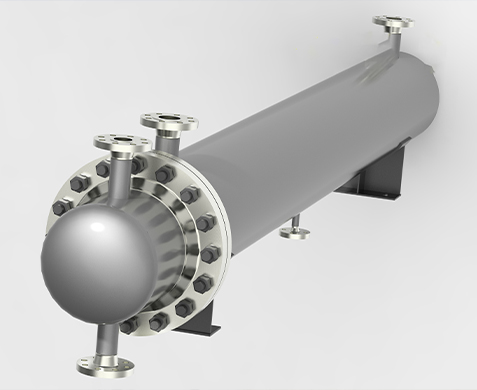
Custom heavy pressure vessels, chemical reactors, experimental thermodynamic benches, and shell-and-tube heat exchangers.

Ultra-low temperature refrigeration systems (-40℃ to -180℃), custom vacuum cold traps (-135℃), and pharmaceutical freeze dryers.
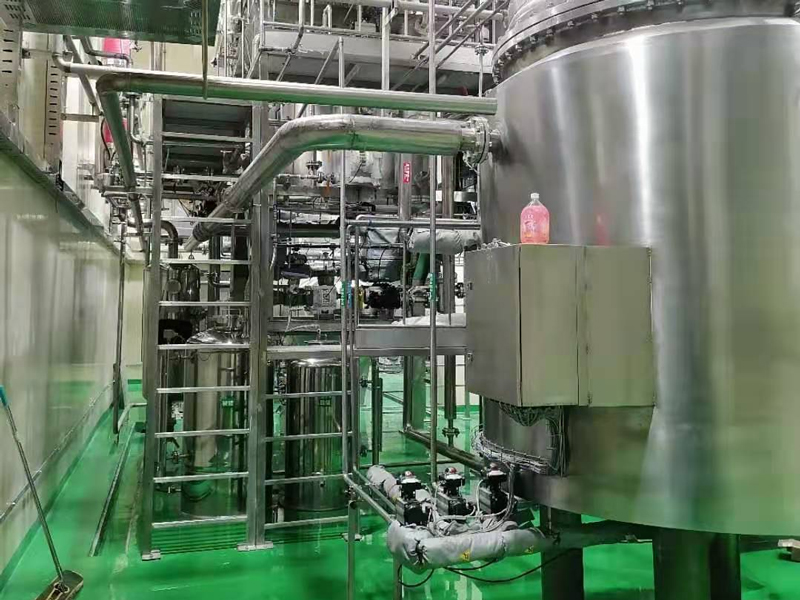
Laboratory Animal Residue Harmless Treatment System
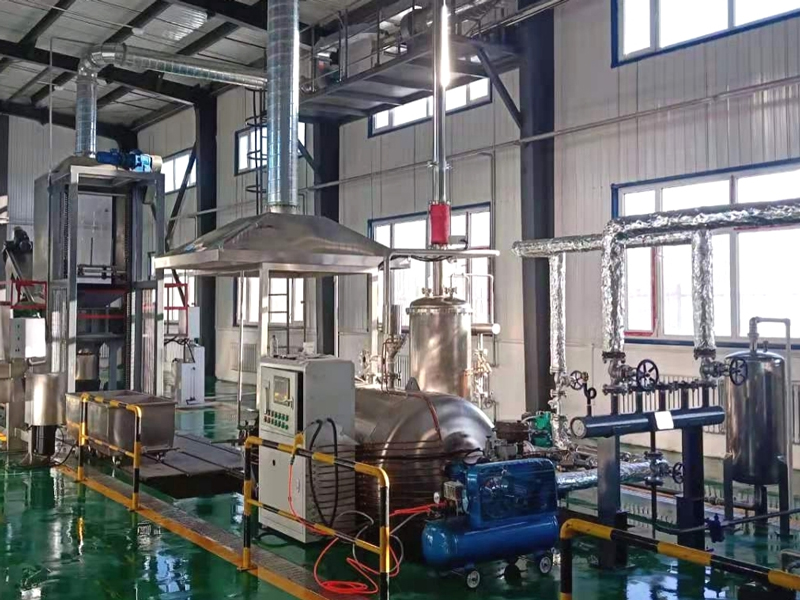
Mobile Medical Waste Disposal Equipment
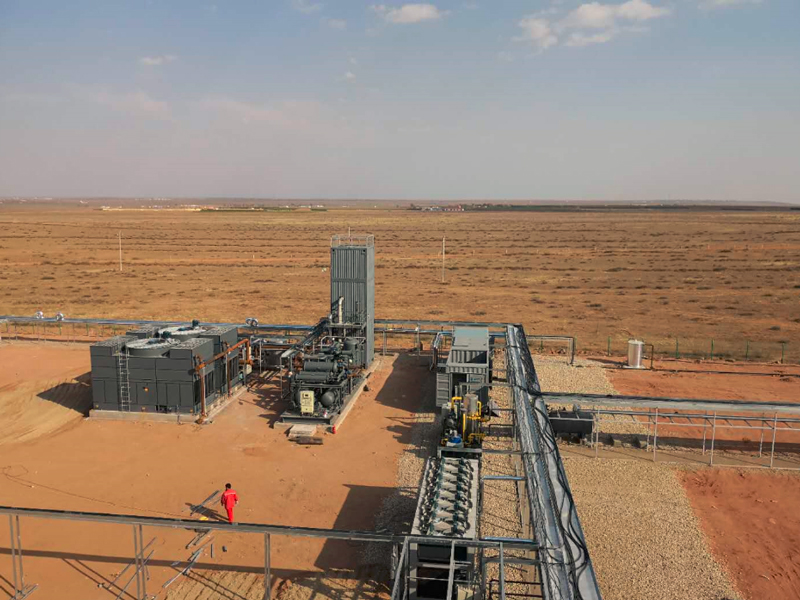
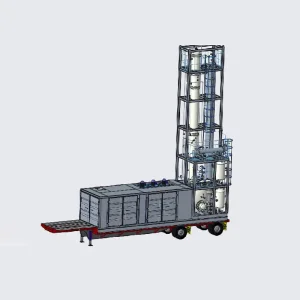
M3/d Well Gas Cryogenic Liquefaction Project
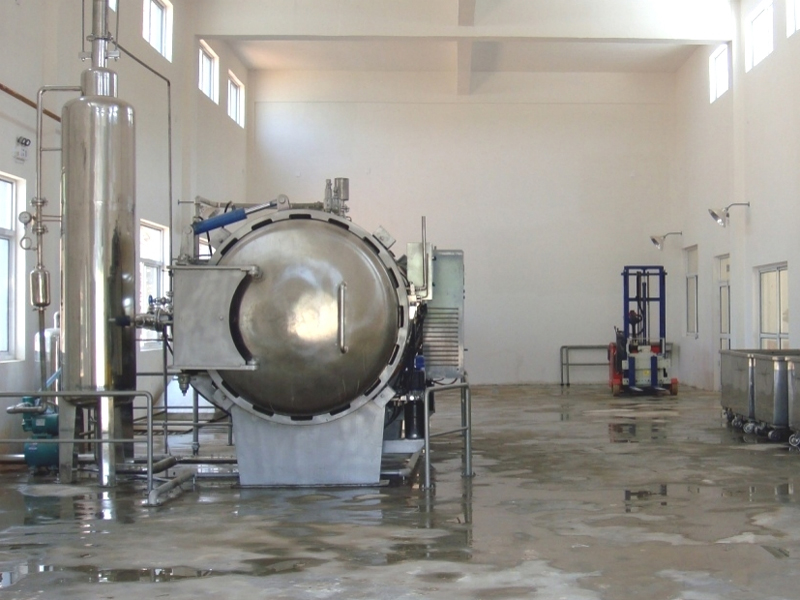
Centralized Medical Waste High-Temperature Steam Treatment
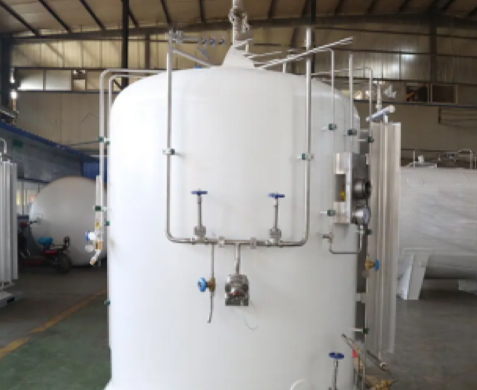
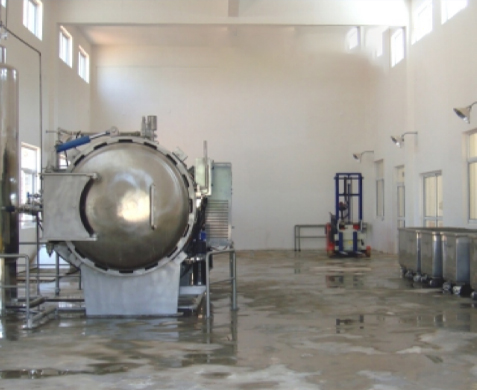
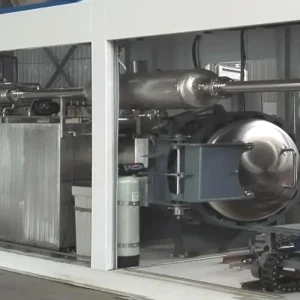
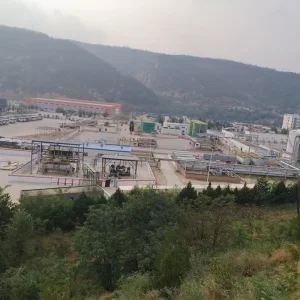
Inside our advanced production plants, where cryogenic heat exchangers and gas separation vessels are structured.
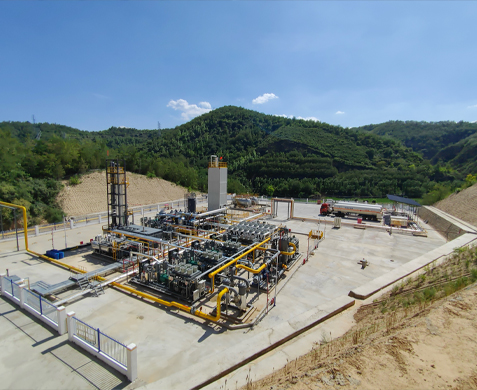
As the international community marches toward net-zero targets, the role of liquefaction factories is evolving. We are actively moving beyond traditional LNG systems into the processing of carbon-neutral vectors and extreme deep-cold applications.
By capturing biogas from agricultural waste, landfills, and anaerobic digestion complexes, we configure carbon-neutral fuel liquefaction lines. Standard biomethane contains elevated $CO_2$ volumes which must be separated down to less than 50 ppm using advanced temperature-swing adsorption membranes before liquefying. This bio-LNG serves as a heavy-duty fuel substitute, significantly dropping Scope 1 emissions.
Our technical pipeline includes cryogenic carbon capture units, which cool post-combustion exhaust gas down to temperatures where $CO_2$ changes phase directly to liquid or solid, separating it cleanly from nitrogen and oxygen. This method bypasses the need for high-energy chemical amines, making it a viable alternative for heavy industry emissions abatement.
Helium is a scarce, high-value element widely utilized in medical imaging and semiconductor production. In natural gas streams, helium typically concentrates in the Boil-Off Gas (BOG) phase during liquefaction. By utilizing a multi-stage cryogenic separation cycle, Hebei Hongke Qingneng plants fractionate BOG to isolate crude and pure helium gas, generating significant profit loops from existing raw gas streams.
Detailed process insights for engineers, procurement directors, and plant managers assessing cryogenic liquefaction configurations.
Skid-mounted units are entirely assembled and pressure-tested inside our factory before delivery, which cuts onsite installation timelines by over 60%. These modular configurations adapt to changing gas flow rates, permit easy relocation to other wellheads, and dramatically lower construction costs in remote oil and gas fields.
The concentration of heavier hydrocarbons ($C_3+$), acid gases ($CO_2$, $H_2S$), and moisture defines the pre-treatment sequence. High $CO_2$ (above 50 ppm) will freeze at cryogenic temperatures and plug the heat exchanger tubes. Our custom plant simulation models adjust the mixed refrigerant composition dynamically to ensure safe phase heat transfer without pipeline blockage.
We maintain an A2-level pressure vessel manufacturing license, a pressure pipeline components manufacturing license, and comply with GB/T19001-2016 quality systems. Furthermore, our plants are built in accordance with Sinopec HSSE and CNPC HSE standards, verifying that every weld, component, and stress boundary is verified under strict testing protocols.
With correct gas pre-treatment to prevent hydrocarbon plugging, our core brazed aluminum plate-fin heat exchangers (cold boxes) possess a design life of 15 to 20 years. Preventive maintenance focuses on inspecting cryogenic valves, checking expander/compressor bearings, and regenerating TSA molecular sieves every 24 to 36 months.
Yes. Our multi-stage VOC purification blocks are designed to operate inline. They extract hydrocarbon vapors from storage tank vents or gas purification tail lines, liquidizing the VOCs via deep refrigeration. This controls emissions compliance while recovering valuable natural gas liquids (NGLs) back into the storage stream.
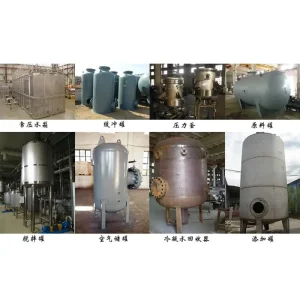
Explore our specialized range of high-temperature sterilization, gas treatment, and non-standard pressure vessels manufactured to custom industrial specifications.
Get in touch with our lead cryogenic design team to request process simulations, parameter checks, and quotation estimates based on your raw feed gas composition.
 Hongke Qingneng