Home >
Hot Products >
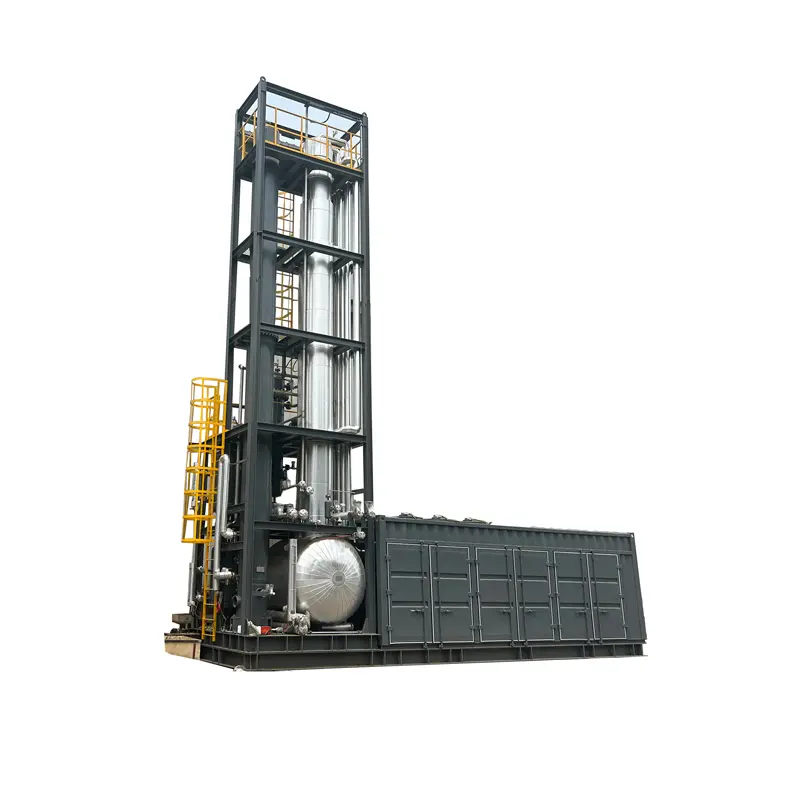
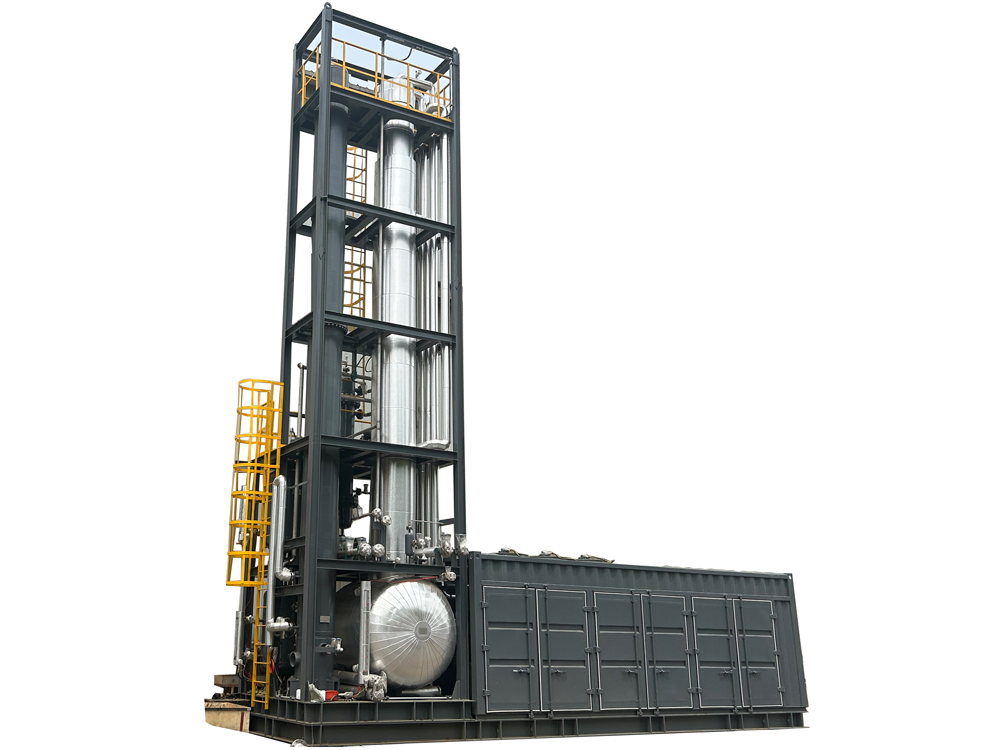
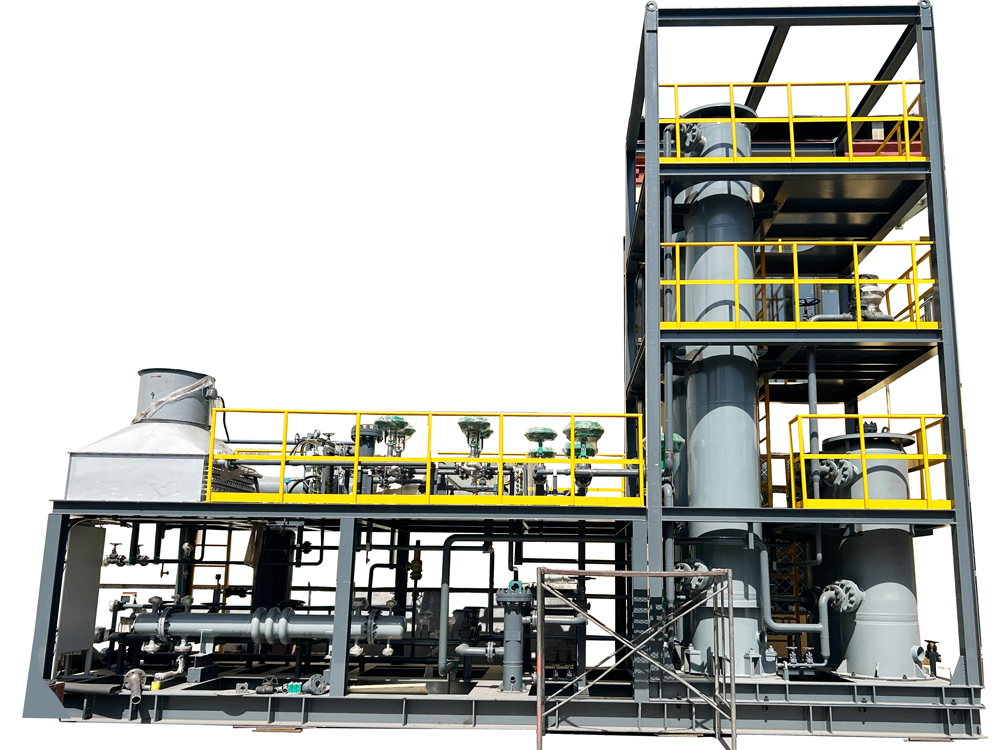
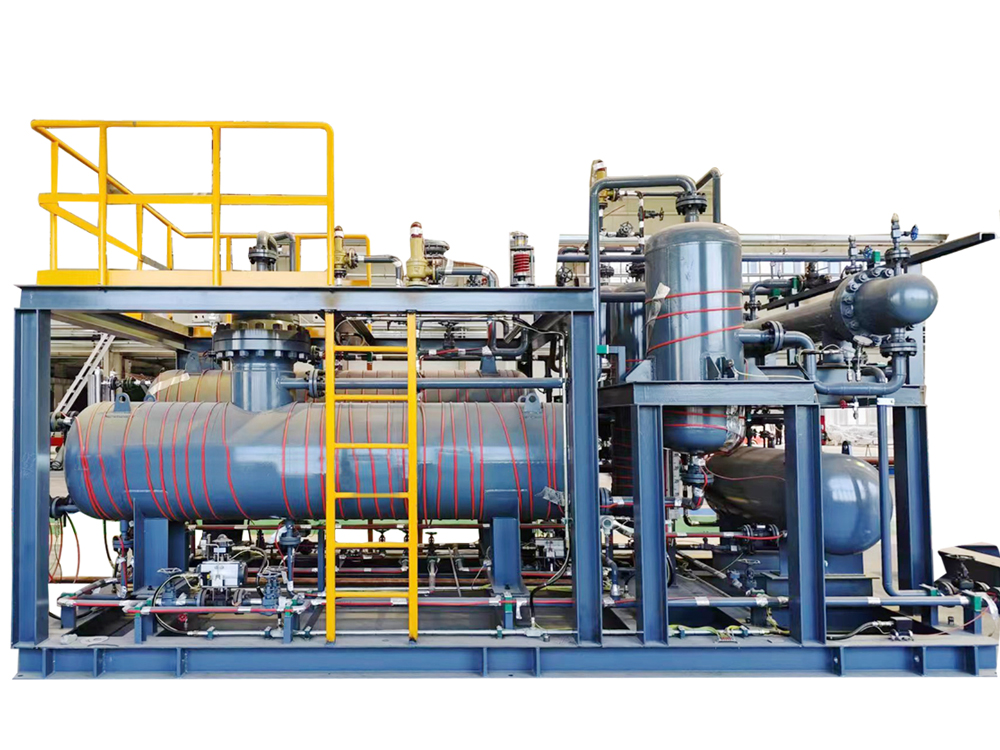
China Purification Equipment Suppliers in China: Deacidification, Dehydration & Heavy Hydrocarbon Removal Factory Solutions Factories, Factory
1 / 1
China Purification Equipment Suppliers in China: Deacidification, Dehydration & Heavy Hydrocarbon Removal Factory Solutions Factories, Factory
Pre-treatment: Addressing Hazards and Controlling Feedstock Impurities for Quality Assurance
, Discover how our China-based suppliers ensure the highest standards of feedstock quality through effective pre-treatment processes. Our factory utilizes advanced techniques to identify and manage potential hazards associated with feedstock impurities, safeguarding the integrity of your products. Trust us to deliver superior solutions that elevate your production to the next level, ensuring safety and quality every step of the way
1. Pre-treatment: hazards and control of feedstock impurities
In the gas treatment process, the impurities contained in the raw gas, such as liquid free water, solid particles, H₂O, acid gas (CO₂, H₂S), etc., not only accelerate the corrosion of the equipment and clogging of the pipeline, but also may affect the stability of the subsequent process and the quality of the product, so it is necessary to strictly control the impurity indicators. Pre-treatment adopts a step-by-step purification strategy, firstly, the use of alcohol and amine method to efficiently remove the acidic gas, and then with the help of molecular sieve adsorption technology, to further remove water, heavy hydrocarbons, mercury and other impurities, in order to lay the foundation for the subsequent treatment.
2. Acid gas removal: multiple technologies and customised solutions
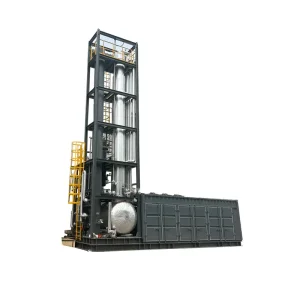
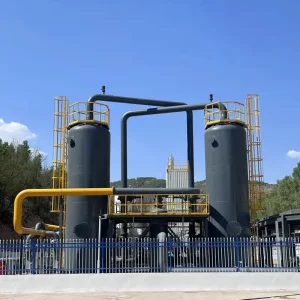
There are many different technologies for acid gas removal, including molecular sieve adsorption method, alcohol-amine method, modified hot potassium method, sulfone-amine method and so on. The selection of solvents and process design for different technologies requires comprehensive consideration of the composition of the raw gas, pressure conditions, product quality standards, and overall costs and operating expenses. With rich experience in the industry, the deacidification plant is customised based on the ethanolamine method to ensure efficient acid gas removal according to the characteristics of the gas components and the working conditions at the site.
3. Dewatering: Efficient solutions to fit the scenario
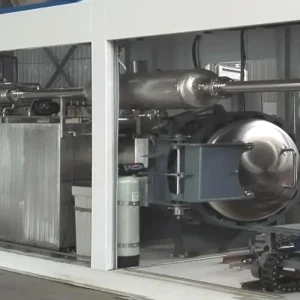
Natural gas dehydration mainly adopts absorption and adsorption methods. For small-scale projects, the molecular sieve adsorption method has the advantage of efficient dewatering even under low partial pressure of water vapour due to its strong adsorption performance, while further removing residual acid gas. In addition, the device is easy to operate, compact and occupies a small space, which is highly suitable for small-scale projects. It is worth mentioning that the regas of the molecular sieve system comes from the BOG after recovering the cooling capacity of the re-liquefaction unit, so as to achieve the recycling of energy.
4. Removal of trace mercury and aromatic hydrocarbons: a guarantee of precision purification
In order to ensure that the gas quality meets the stringent standards, the purification equipment adopts targeted technology to deal with trace pollutants. Specialised sulphur-impregnated coal-based activated carbon is used to effectively adsorb and remove possible trace amounts of mercury, while special adsorbents are used for in-depth purification of aromatic hydrocarbons. Through these precise treatment measures, trace impurities in the gas are efficiently removed, and the gas purification effect is guaranteed in all aspects.
Frequently Asked Questions
Q1: What are the main hazards of impurities in raw gas?
A1: Impurities like liquid free water, solid particles, H₂O, and acid gases (CO₂, H₂S) accelerate equipment corrosion, cause pipeline clogging, and negatively affect subsequent process stability and product quality.
Q2: How does the pre-treatment process remove acidic gas and water?
A2: The process uses a step-by-step purification strategy, starting with the alcohol and amine method to remove acid gas, followed by molecular sieve adsorption technology to remove water, heavy hydrocarbons, and mercury.
Q3: Which technologies are available for acid gas removal?
A3: Common technologies include molecular sieve adsorption, the alcohol-amine method, the modified hot potassium method, and the sulfone-amine method. Customized solutions are designed based on the ethanolamine method.
Q4: Why is the molecular sieve adsorption method suitable for small-scale projects?
A4: It provides highly efficient dewatering even under low water vapor partial pressure, removes residual acid gas, is easy to operate, and has a compact design that saves space.
Q5: How is energy recycled in the molecular sieve dewatering system?
A5: The regeneration gas (regas) of the molecular sieve system is sourced from the BOG (Boil-Off Gas) after recovering the cooling capacity of the re-liquefaction unit, enabling efficient energy recycling.
Q6: How are trace mercury and aromatic hydrocarbons removed?
A6: Specialized sulphur-impregnated coal-based activated carbon is used to adsorb trace mercury, while targeted special adsorbents are utilized for the deep purification of aromatic hydrocarbons.
 Hongke Qingneng