This treatment method is in line with the ‘People's Republic of China Animal Epidemic Prevention Law’, the Ministry of Agriculture ‘dead and diseased animals harmless treatment technical specifications’.
The treatment residual liquid can be discharged into sewage pipes or used for irrigation of ornamental plants.
Hydration is different from traditional cremation, there is no smoke emission, no pollution of the environment, the treated product can also be used as organic fertiliser liquid for irrigation of ornamental plants, which is pure green treatment.
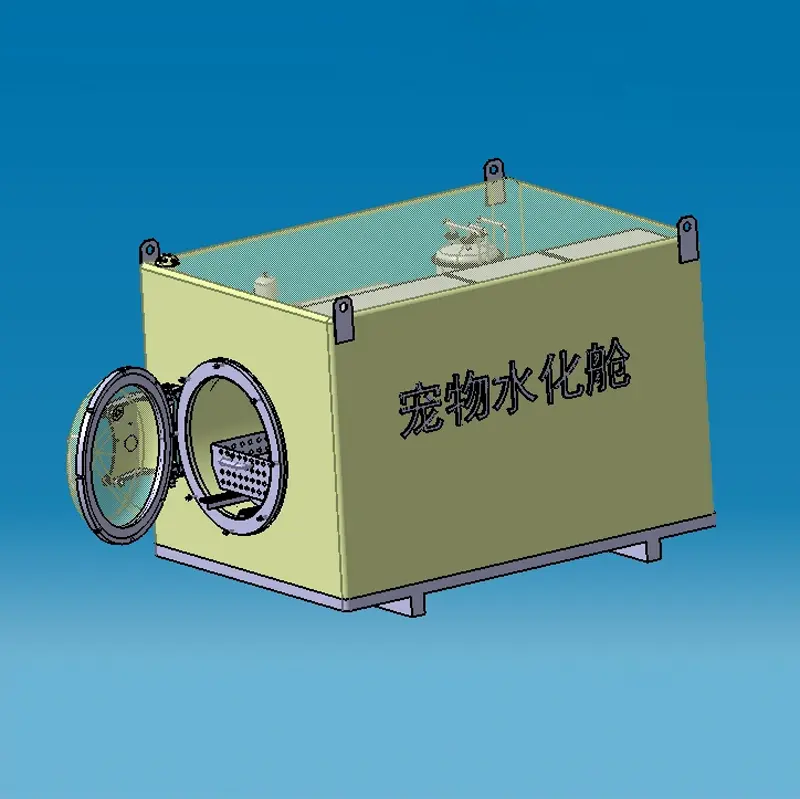
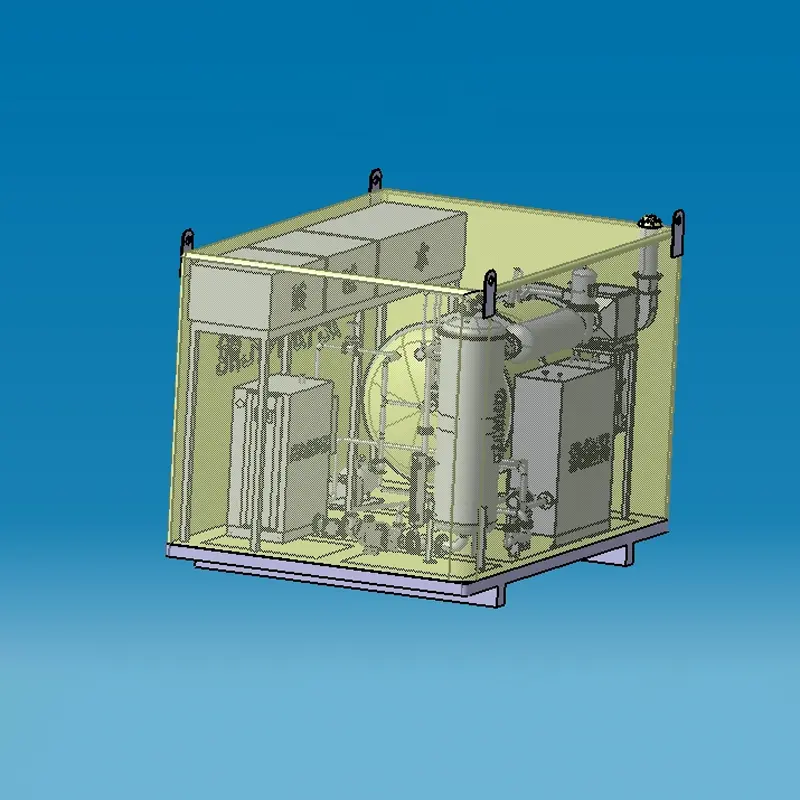
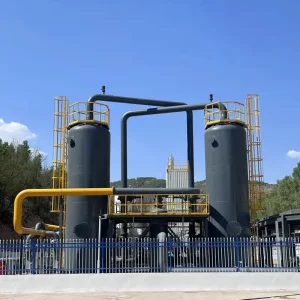
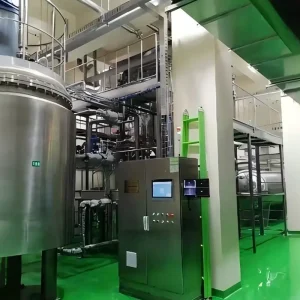
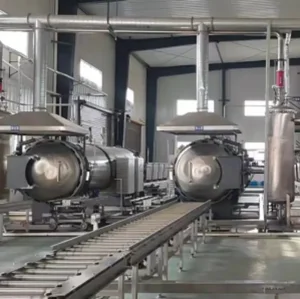
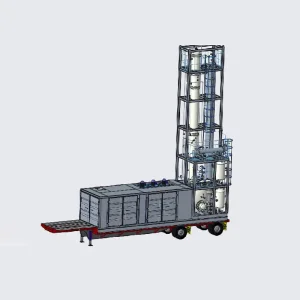
The pet hydration cabin is developed for pet hospitals, pet funeral centres and other venues. The equipment is made of high-quality stainless steel, beautiful and durable. It can be fixed in place or used in a vehicle. The operation of the external water, electricity, liquefied pet gas (natural gas) can work.
✔
Small Pets: Processing time of 2 hours to 3 hours.
✔
Medium & Large Pets: Processing time of 3 to 4 hours.
✔
Simple Operation: Only one person is needed for the treatment.
Q:
Does the pet hydration cabin comply with epidemic prevention standards?
Yes, this treatment method is fully in line with the "People's Republic of China Animal Epidemic Prevention Law" and the Ministry of Agriculture's "dead and diseased animals harmless treatment technical specifications".
Q:
How can the residual liquid from the treatment be disposed of?
The treatment residual liquid is environmentally friendly and can be discharged directly into sewage pipes or used as organic fertilizer liquid for the irrigation of ornamental plants.
Q:
What are the environmental benefits of hydration compared to cremation?
Unlike traditional cremation, hydration produces no smoke emissions and does not pollute the environment. It is a pure green treatment option.
Q:
What utilities are required to operate the pet hydration cabin?
The equipment requires external water, electricity, and liquefied pet gas (natural gas) to operate properly.
Q:
How long does the pet treatment process take?
The treatment takes 2 to 3 hours for small pets and 3 to 4 hours for medium and large pets.
Q:
What is the difference between the manual and automated operation modes?
Manual operation requires the operator to manually switch each valve based on system parameters. Automated operation uses a control box to automatically manage the valves according to pre-programmed treatment procedures.
 Hongke Qingneng