 Hongke Qingneng
1 / 1
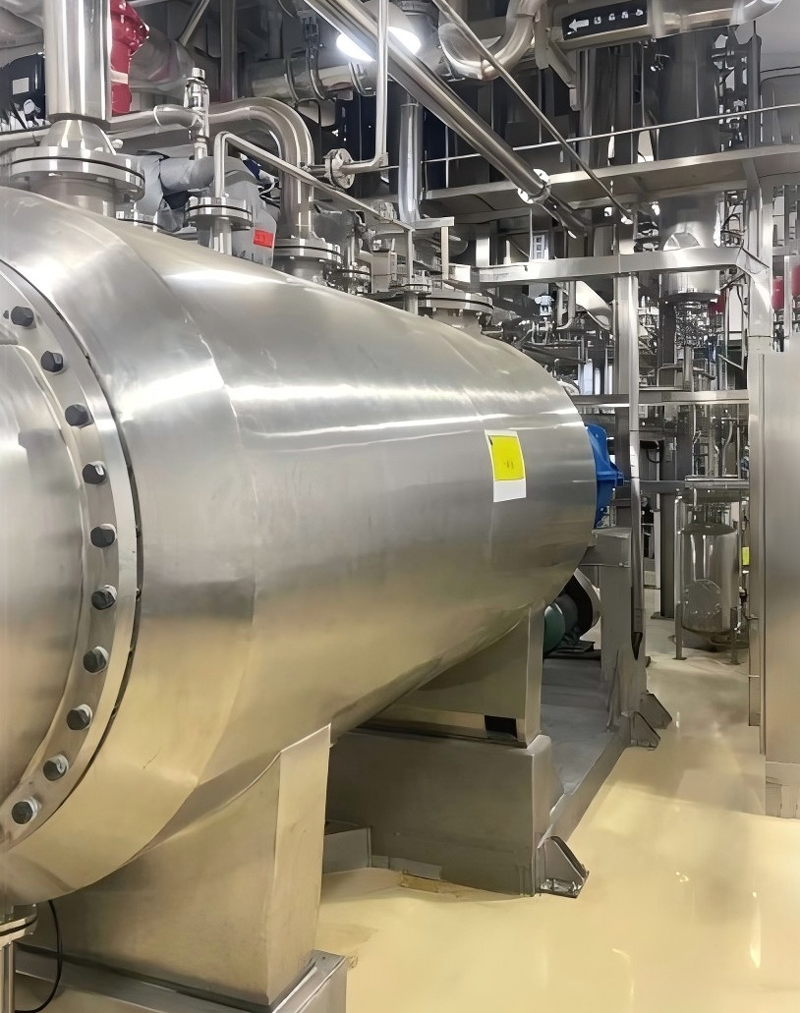
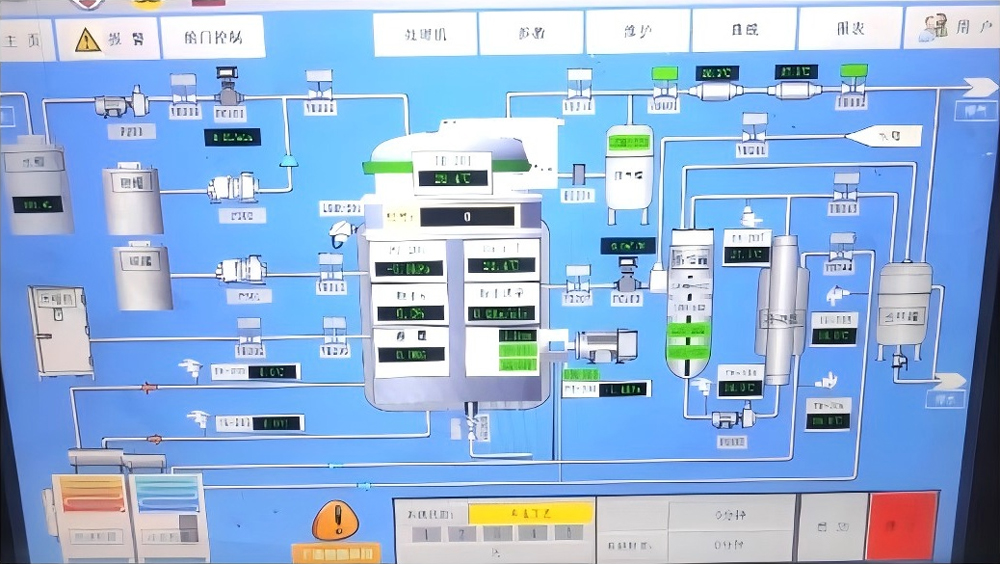
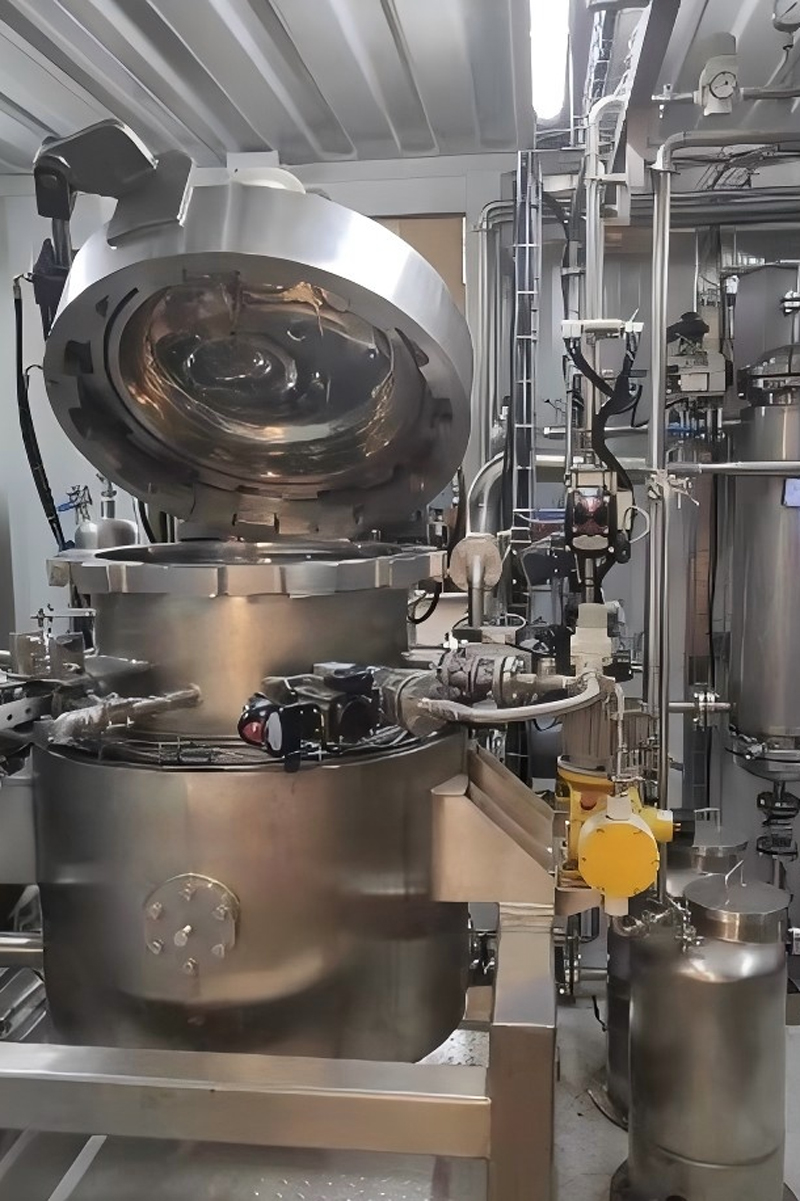
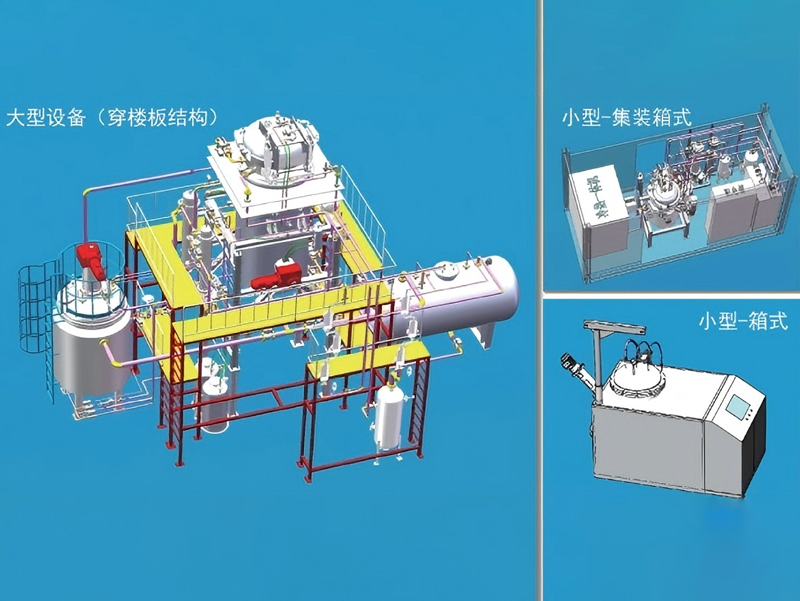
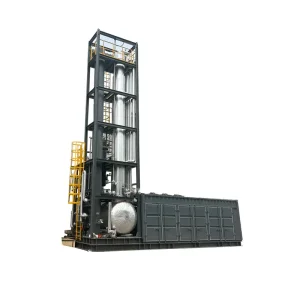
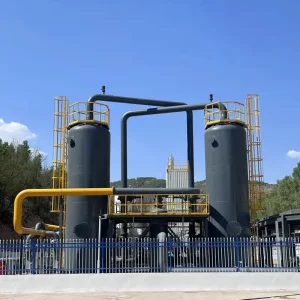
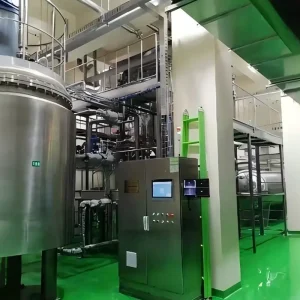
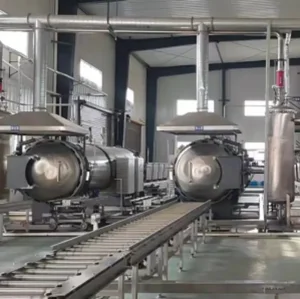
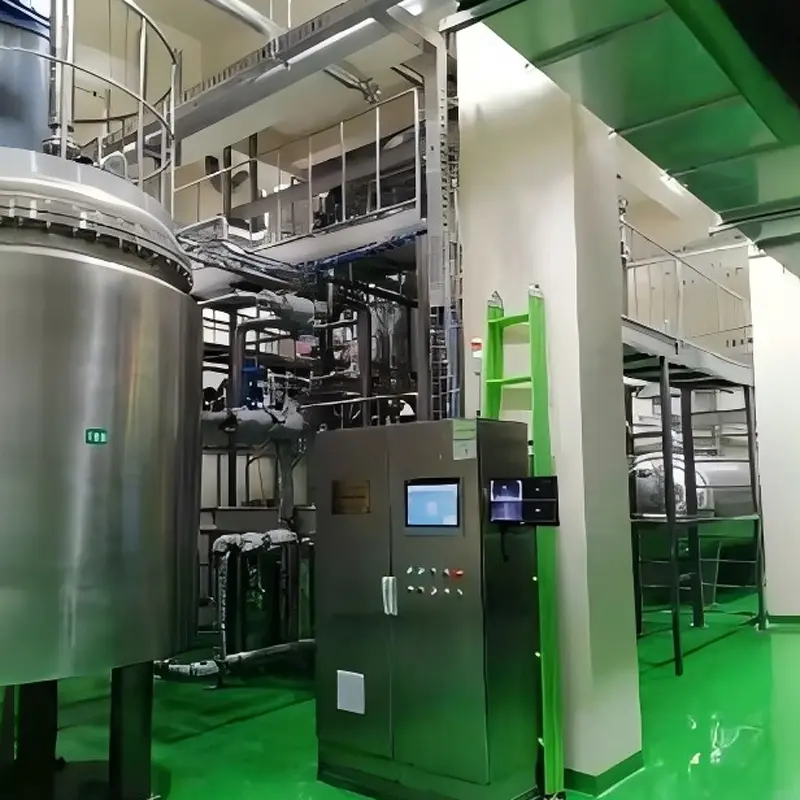
It is also known as animal tissue alkali hydrolysis treatment equipment, experimental animal tissue treatment equipment, animal tissue degradation system, animal residue processor, or animal carcass harmless treatment equipment. It is designed to treat various animal residues and biological tissues produced by biological laboratories and animal vaccine factories.
The corpses of epidemic animals or experimental animals carry a great danger because harmful microorganisms, such as virulent infectious viruses, can lie in them. Traditional burial only isolates but does not kill these microorganisms, and incineration releases dioxin and other harmful gases, causing serious environmental pollution.
The process uses alkaline substances such as NaOH and KOH to hydrolyze macromolecular substances (proteins, lipids, nucleic acids, and carbohydrates) in animal tissues into water-soluble small molecular segments under high temperature and high pressure. This completely inactivates pathogenic microorganisms and kills the most stubborn prions.
Alkali hydrolysis requires only 1/5 of the floor area of an incinerator, has lower processing and investment costs, and is fully automated. It has much lower carbon emissions, does not require complex smoke and dust removal devices, and is easier to meet environmental protection requirements.
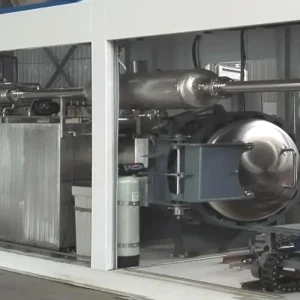
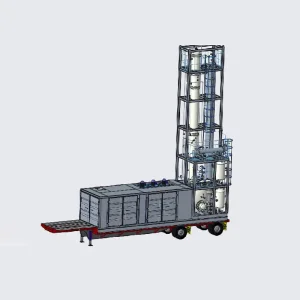
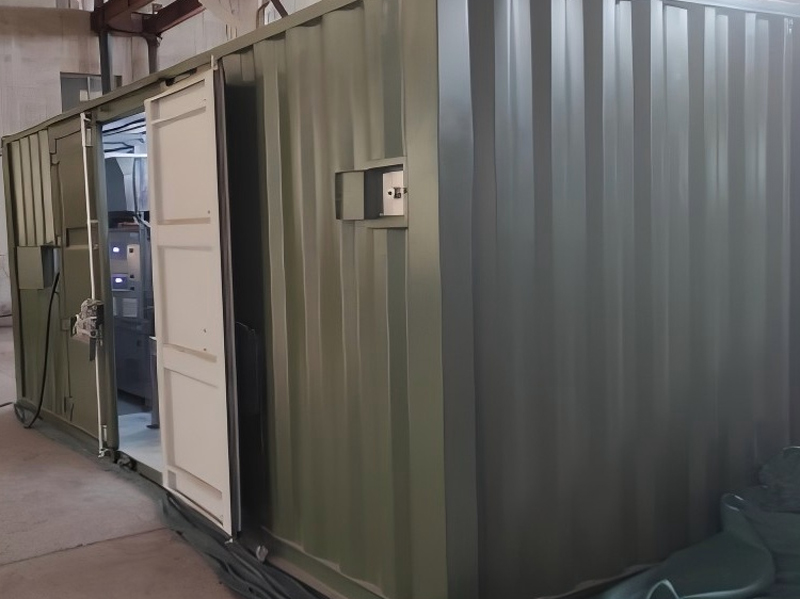
Yes, a mobile alkali hydrolysis treatment equipment has been developed where all components are integrated in a container. It can be loaded and transported by ordinary trucks to treat diseased animal carcasses onsite, eliminating the risks of secondary transportation.
The final products are solid residue (animal bone residue) that can be directly transported away, waste liquid (which is mixed and diluted with the park's sewage network to reduce its BOD value), and a small amount of odorous harmless gas.