Choosing the right LNG pressure vessel is crucial for efficiency and safety in operations. With various options available, it can be overwhelming to make the best choice. An LNG pressure vessel serves as a critical component in the storage and transportation of liquefied natural gas. The selection process requires a thorough understanding of one’s specific needs.
Different applications demand varying specifications. For instance, some industries may prioritize design pressure and storage capacity, while others focus on material compatibility and safety features. Understanding these aspects ensures you select the most suitable LNG pressure vessel.
Additionally, not all manufacturers offer the same quality. This inconsistency can lead to performance issues and safety concerns. It’s imperative to consider established brands known for their reliability. Engaging with experts can offer valuable insights into your decision-making process. As you navigate your options, remain aware of the balance between cost and quality. The right LNG pressure vessel should not only fit your budget but also meet industry standards and operational requirements.
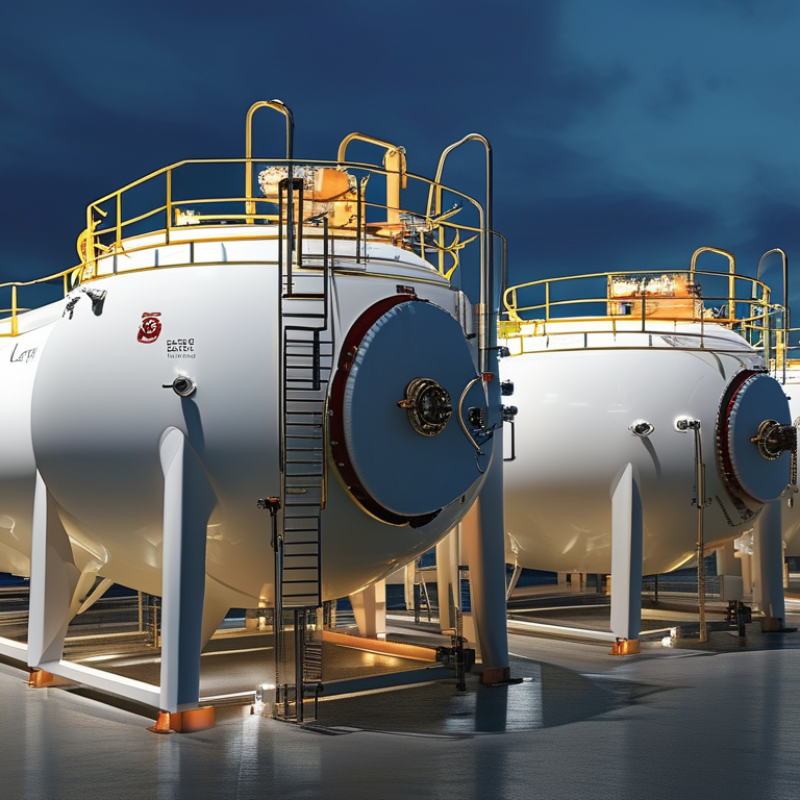
When it comes to LNG pressure vessels, understanding the different types and specifications is essential. These vessels are crucial for storing liquefied natural gas safely. Key specifications include storage capacity, pressure rating, and insulation type. Each feature plays a significant role in the vessel's performance. For example, a higher pressure rating often means better storage capabilities.
When choosing an LNG pressure vessel, consider the operating environment. Will it be exposed to extreme temperatures? The material used can affect durability. Stainless steel is often chosen for its corrosion resistance. However, it can be more expensive. Modifying your choice here requires careful thought and reflection.
Tips: Always check local regulations regarding LNG storage. Compliance is not just about safety; it also affects your operational costs. Assess your budget and long-term needs. A too-small vessel may lead to frequent refills, while an oversized one incurs higher purchase costs. Think critically about your unique situation. Don't rush into a decision; take your time to analyze all factors.
When assessing your LNG storage needs, consider two crucial factors: volume and pressure. The volume required largely depends on the scale of your operations. For small facilities, a compact vessel might suffice. Larger operations, however, necessitate a more substantial storage solution. Always factor in future growth. It’s vital not to underestimate your needs, as inadequate storage can lead to costly disruptions.
Pressure considerations are equally important. LNG operates effectively at low temperatures and specific pressures. Ensure your pressure vessel can maintain these conditions without risking safety. Different applications may require varying pressure levels. Be conscious of the potential for leakage if the vessel is not properly rated. Regular maintenance and inspections are also essential for reliability. A well-chosen pressure vessel should accommodate your current needs and future expansion, ensuring efficient and safe LNG storage for years to come.
Selecting the right material for LNG pressure vessels is crucial for safety and durability. Industry reports suggest that approximately 10% of LNG-related incidents involve material failures. The choice between stainless steel, carbon steel, and specialized alloys can significantly impact the vessel's strength and longevity. For instance, austenitic stainless steel provides excellent corrosion resistance but can be more expensive. In contrast, carbon steel is cost-effective but less resilient in extreme temperatures.
When assessing materials, consider the operating environment. LNG operates at cryogenic temperatures, affecting material properties. Reports indicate that brittle fracture risks increase in steel below -100°C. It is essential to test materials under expected conditions. This helps prevent catastrophic failures that result in costly repairs and safety hazards.
Tips: Always request third-party testing results for materials. This ensures quality and reliability. Monitor the vessel’s temperature and pressure regularly. Routine inspections can identify potential issues before they escalate. Additionally, collaborating with experienced engineers can provide insights into the best material options for your specific needs. Investing time in material selection pays off in long-term operational efficiency and safety.
When selecting an LNG pressure vessel, regulatory compliance is crucial. Many standards guide the fabrication process. Familiarity with these standards is essential for safety and effectiveness. The American Society of Mechanical Engineers (ASME) provides guidelines that manufacturers must follow. Compliance ensures that vessels can withstand the unique challenges of LNG storage.
Safety is a fundamental aspect of LNG pressure vessel design. Various codes, such as the National Fire Protection Association (NFPA) guidelines, emphasize fire safety. Inspecting materials and welding techniques can reveal potential flaws. These checks can prevent catastrophic failures in the future. An important part of compliance is to document all processes thoroughly. Inadequate records can lead to serious legal implications.
However, meeting these standards can be complex. The industry often faces challenges with inconsistent interpretation of regulations. This can lead to mistakes and additional costs. It's essential for buyers to collaborate with experienced professionals. This partnership helps navigate the intricate landscape of LNG regulations. Effective communication is key to ensuring compliance and safety standards are met.
Acquiring an LNG pressure vessel is a significant investment. Budgets can vary widely. According to the International Gas Union, the average cost of a standard LNG storage tank ranges from $2 million to $5 million. This does not include the additional operational and maintenance costs that accrue over time.
Understanding these ongoing costs is essential for any budget. Maintenance can add 10% to 15% of the initial vessel cost yearly. Factors such as location, regulations, and vessel size impact these expenses. Predictive maintenance techniques can reduce these costs. However, they require upfront investment in technology and training.
It's crucial to conduct a thorough cost-benefit analysis. Factors that are often overlooked include transportation logistics and safety compliance expenses. These can strain budgets unexpectedly. Keeping track of all potential costs ensures a realistic financial plan. Engaging with industry experts can provide valuable insights into best practices and long-term savings strategies.
: They store liquefied natural gas safely and efficiently.
Specifications like storage capacity and pressure rating affect performance significantly.
Stainless steel is common due to its corrosion resistance, although it can be pricey.
Extreme temperatures can impact durability, making material selection crucial.
Compliance ensures safety and affects operational costs significantly.
Guidelines from organizations like the American Society of Mechanical Engineers are essential.
Collaborating with experienced professionals can help clarify requirements and avoid mistakes.
Inconsistent interpretation of regulations can lead to errors and increased costs.
Thorough documentation of all processes is essential to avoid legal issues.
An incorrect choice can lead to frequent refills or higher initial costs.
Choosing the right LNG pressure vessel is crucial for ensuring safe and efficient storage of liquefied natural gas. Understanding the key specifications and types of LNG pressure vessels is the first step in making an informed decision. Factors such as the required storage volume, pressure considerations, and material selection play significant roles in the overall safety and durability of the vessel.
Additionally, it is essential to comply with regulatory standards during fabrication to ensure that the LNG pressure vessels meet safety requirements. Conducting a thorough cost analysis will also help in budgeting for both the acquisition and ongoing maintenance of the LNG pressure vessel. By carefully evaluating these aspects, you can select a vessel that meets your specific needs while ensuring optimal performance and compliance with safety regulations.

Hongke Qingneng