Choosing the right Oil Pressure Vessel is crucial for avoiding costly mistakes and ensuring operational efficiency. According to the International Journal of Pressure Vessels, improper selection can lead to 20% of system failures. Expert Samira Townsend, an industry analyst, states, "The right oil pressure vessel can save time and money, while the wrong one can be disastrous.”
Understanding the specific needs of your operation is essential. Factors like pressure rating, material, and intended use all play significant roles in selecting the appropriate vessel. A survey conducted by the American Society of Mechanical Engineers indicates that 30% of manufacturers underestimate these factors, leading to unnecessary expenditures.
Investing in the correct technology requires careful consideration of various elements. Balancing cost with quality can be challenging. However, awareness of market standards and expert input can illuminate the best choices. Reflecting on past issues can guide better decision-making. Ensure that the chosen Oil Pressure Vessel aligns with both safety requirements and operational goals for optimal performance.
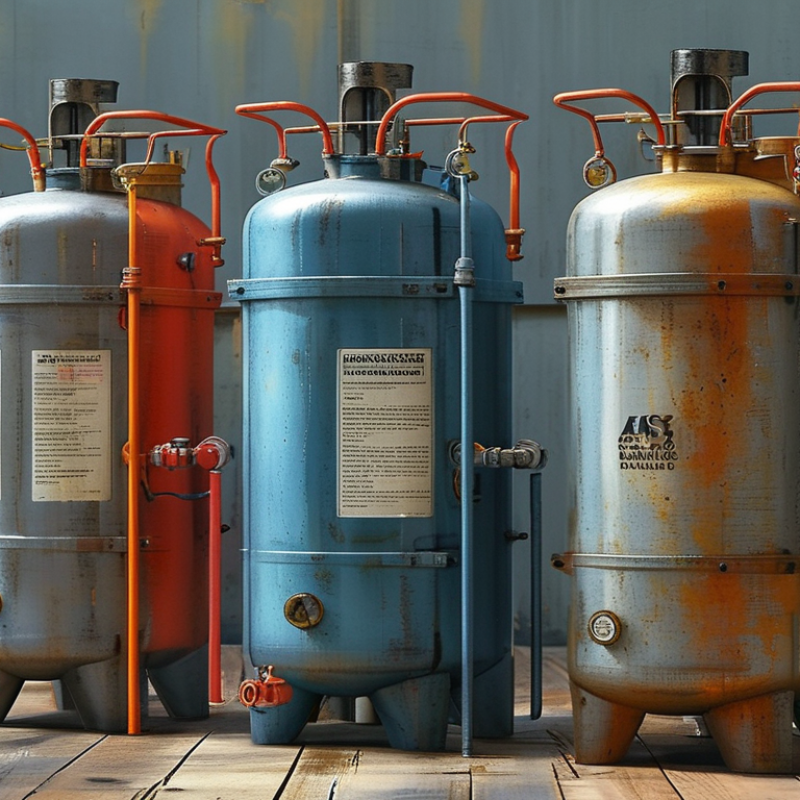
Oil pressure vessels play a crucial role in various industrial applications. They are designed to hold and manage fluids under pressure, ensuring safety and efficiency in operations. According to a recent report by the American Society of Mechanical Engineers (ASME), about 73% of industrial accidents are linked to improper use of pressure vessels. This highlights the importance of selecting the right vessel for specific needs.
Choosing the best oil pressure vessel requires understanding its specifications and compliance with industry standards. Factors such as pressure rating, material quality, and size significantly affect performance. Recent statistics indicate that using substandard vessels can cost companies up to 30% more in repairs and downtime. Proper assessment of these factors can lead to long-term savings and enhanced operational efficiency.
Tips: Always review the manufacturer's certifications. Familiarize yourself with relevant safety standards, like ASME and API. Consider lifespan and maintenance costs, as they vary widely depending on design and materials used. Investing in a high-quality vessel now can prevent costly failures later. Overlooking these details may result in severe operational issues down the line.
When selecting an oil pressure vessel, consider key specifications that impact functionality. One vital aspect is the vessel’s capacity. Ensure it matches your operational requirements. A vessel too small will lead to inefficiency. Conversely, oversizing can result in wasted energy.
Material quality also plays a significant role. Look for vessels made from durable, corrosion-resistant materials. This choice enhances longevity. A poor material choice can lead to frequent repairs. Maintenance costs will rise if the vessel degrades quickly.
Another important factor is pressure rating. Ensure the vessel can handle your required pressure levels. Safety should never be compromised. Review the vessel's safety features carefully. Insufficient safety measures can create dangerous situations, resulting in accidents or failures. Each specification requires careful thought to ensure reliability in demanding environments.
Choosing the right material for pressure vessels is crucial for both durability and performance. Stainless steel often tops the list due to its corrosion resistance. In environments with high temperatures and pressures, options like carbon steel or alloy steels become essential. According to a recent industry report, nearly 70% of pressure vessels employ stainless or carbon steel for their excellent mechanical properties.
However, not all applications require these robust materials. For instance, non-metallic options like fiberglass reinforced plastic (FRP) are gaining traction. FRP is lightweight and resistant to corrosive environments, making it suitable for chemical applications. Yet, they may lack the strength needed in high-pressure situations. Understanding the specific demands of your application is vital.
It’s worth noting that the choice of material affects the lifecycle cost. Stainless steel vessels are more expensive upfront but may offer longer life spans. Conversely, cheaper materials may lead to more frequent replacements. A careful analysis of both initial costs and long-term performance is necessary to avoid costly mistakes. Balancing cost against durability and performance ultimately leads to the best choice for your needs.
When selecting an oil pressure vessel, it is essential to understand industry standards and certifications. These standards ensure safety and efficiency in the operation of vessels. The American Society of Mechanical Engineers (ASME) offers relevant certifications. A vessel marked with the ASME U-stamp demonstrates compliance with rigorous design and manufacturing guidelines.
Safety is paramount in the oil and gas industry. For example, according to a recent report, nearly 20% of equipment failures stem from non-compliance with these standards. This underscores the importance of investing in vessels backed by recognized certifications. Additional certifications, such as ISO 9001, also signify a commitment to quality management systems.
Not all manufacturers provide the same level of reliability. Industry data indicates a significant variance in failure rates. A study showed that uncertified vessels had a 30% higher chance of operational failure. It is vital to evaluate the certification status of any oil pressure vessel. Doing so can mitigate risks and ensure that your investment meets both safety and efficiency standards.
| Dimension | Industry Standard | Certification | Pressure Rating (PSI) | Material |
|---|---|---|---|---|
| Diameter: 36 inches | ASME Section VIII | ISO 9001 | 150 | Carbon Steel |
| Diameter: 24 inches | API 650 | CE Marking | 100 | Stainless Steel |
| Diameter: 48 inches | ASME B31.3 | PED | 250 | Alloy Steel |
| Diameter: 30 inches | NFPA 58 | ASME Certification | 200 | Plastic Composite |
Choosing the right oil pressure vessel is not just about functionality. It's crucial to consider the balance between cost and quality. Often, budget constraints can push buyers towards cheaper options. However, this can lead to long-term issues. Lower costs may result in compromised materials or inadequate safety features. Investing more upfront can save significant costs later.
When evaluating vessels, think about your specific needs. How much pressure will the vessel need to handle? Are there particular environmental conditions? Addressing these questions is essential. It's a common oversight to focus on price alone. In some cases, a slightly higher-priced vessel can offer better performance and longevity.
Tips for selecting the right vessel: Always request detailed specifications. This helps ensure you understand the materials and manufacturing processes. Another useful tactic is to consult industry experts. Their insights can guide your decision and provide a clearer understanding of what's necessary for your application. Lastly, consider warranty options. A solid warranty often indicates a manufacturer’s confidence in their product quality.
: They hold and manage fluids under pressure, ensuring safety and operational efficiency.
About 73% of industrial accidents are linked to improper use, highlighting the need for caution.
Factors include pressure rating, material quality, size, and compliance with industry standards.
Using them can increase repairs and downtime costs by up to 30%.
ASME and ISO 9001 certifications reflect compliance with safety and quality standards.
They have a 30% higher chance of operational failure, increasing safety hazards.
It ensures the vessel meets safety standards, preventing severe operational issues later.
A longer lifespan reduces maintenance costs, leading to better overall savings.
You may face costly failures or significant operational challenges down the line.
Compliance with standards leads to safer operations and fewer equipment failures.
When selecting an Oil Pressure Vessel for industrial applications, it's crucial to understand its significance in maintaining operational efficiency and safety. Key specifications such as pressure ratings, volume capacity, and design type play a pivotal role in ensuring that the vessel meets the specific demands of your working environment. Additionally, evaluating material options is essential for achieving durability and performance, as different materials can significantly affect the vessel's longevity and functionality.
Industry standards and certifications should also be taken into account to ensure compliance and reliability. Balancing cost with quality is another critical consideration; while budget constraints are inevitable, investing in a high-quality Oil Pressure Vessel can lead to long-term savings and enhanced performance, ultimately proving beneficial for your operations. By carefully assessing these factors, you can select an Oil Pressure Vessel that meets both your operational needs and financial requirements effectively.
Hongke Qingneng