How to Choose the Right Gas Pressure Vessel for Your Needs?

Time:2026-08-06 Author:Madeline
0%

Choosing the right Gas Pressure Vessel is crucial for efficiency and safety. Dr. John Stevens, a leading expert in gas storage solutions, emphasizes, "Selecting the proper vessel can prevent costly mistakes." This statement highlights the importance of understanding your specific requirements.

Gas Pressure Vessels come in various types and sizes. Each has unique specifications for different applications. The wrong choice may lead to operational failures. Features like material, capacity, and pressure ratings must align with your needs.

Investing time in research can clarify your options. Consulting with industry professionals is beneficial. Remember, the right Gas Pressure Vessel not only serves its function but also ensures safety and reliability. It’s a decision that requires thoughtful consideration and reflection.
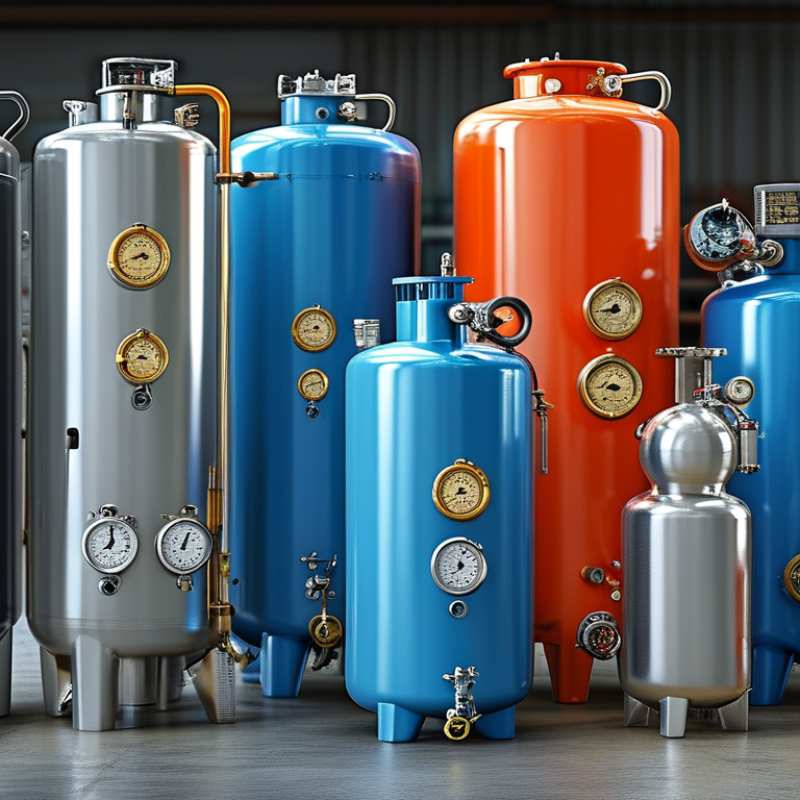
How to Choose the Right Gas Pressure Vessel for Your Needs?

Understand Your Specific Requirements for a Gas Pressure Vessel

Choosing the right gas pressure vessel is crucial for safety and efficiency. Begin by understanding your specific requirements. Consider the type of gas you will use, as it affects the material selection and pressure ratings. According to industry reports, around 30% of accidents in gas storage can be traced back to poor vessel selection.

Capacity is another vital factor. Determine the volume of gas you need to store. Industry standards suggest that vessels should not exceed 80% of their capacity to allow for pressure fluctuations. This helps prevent potential hazards. It's also essential to consider the operating conditions. Factors like temperature and location can significantly impact vessel performance.

Tips: Always consult an expert when selecting a vessel. Professional insight can prevent costly mistakes. Regular inspections and maintenance are critical. A well-maintained vessel extends service life and enhances safety. Investing in quality materials is equally crucial. Low-grade materials can lead to failures, resulting in severe consequences.

Ultimately, your choice should prioritize safety while meeting your operational needs. Ignoring specific requirements can lead to inefficiencies and risks. Each component matters, and being thorough in your evaluation is essential for a successful gas pressure vessel selection.

Explore Different Types of Gas Pressure Vessels Available

When selecting a gas pressure vessel, understanding the various types can significantly impact your decision. Gas pressure vessels are typically classified into three main categories: portable cylinders, stationary vessels, and large storage tanks. Portable cylinders are ideal for applications requiring mobility, often used in welding or medical gases. In contrast, stationary vessels are designed for fixed installations, serving industries like manufacturing and pharmaceuticals.

According to a recent industry report, the market for gas pressure vessels is projected to grow at a CAGR of 5.2% from 2023 to 2030. This growth can be attributed to increasing demand in sectors such as energy and healthcare. Additionally, large storage tanks play a vital role in natural gas and chemical storage, accommodating large volumes while ensuring safety and efficiency.

Choosing the right type involves considering several factors. Safety standards and operational requirements vary significantly. For instance, portable cylinders must meet stringent portability guidelines. Conversely, large storage tanks may require complex safety assessments due to their size. Evaluating these aspects is crucial to find a vessel that aligns with your specific needs and adheres to industry regulations.

Evaluate Material and Design Considerations

Choosing the right gas pressure vessel requires careful evaluation of materials and design. Different applications demand specific requirements. Common materials include carbon steel, stainless steel, and composite materials. Each offers various strengths. Carbon steel is cost-effective but can corrode. Stainless steel resists corrosion well, making it ideal for harsh environments.

Design elements are equally important. The shape and pressure capacity influence performance. Cylindrical vessels tend to handle pressure better than spherical ones. However, shape can impact storage space and overall efficiency. It's critical to assess the operational environment. High temperatures or extreme pressure changes may affect integrity.

Overall, selecting a gas pressure vessel is not a straightforward task. Manufacturers may provide guidance, but you should consider your unique needs. Engage with engineers or experts for insights. Reflecting on previous choices can help avoid potential pitfalls. Understanding these factors leads to better decision-making for safety and operational efficiency.

Consider Safety Standards and Regulations Compliance

When choosing a gas pressure vessel, safety should be your top priority. Compliance with local safety standards is crucial. These regulations are designed to protect users and the environment. Adhering to safety standards can save you from potential legal issues and health risks.

Tips: Always check for certifications. Look for vessels that meet recognized safety standards like ASME or PED. Ensure the vessel has undergone rigorous testing. This guarantees it can handle extreme pressure and prevent leaks.

Take the time to understand the specifications required for your applications. Some vessels might be suitable for specific gases but not for others. Consulting with experts can provide insights into what fits your needs.

Tips: Evaluate your operational conditions. Think about the types of gases you will handle. Consider temperature variations and pressure levels. Selecting the right material is also vital; certain materials resist corrosion better than others.

How to Choose the Right Gas Pressure Vessel for Your Needs?

Vessel Type Material Capacity (Liters) Max Pressure (bar) Safety Standards Regulations Compliance
Horizontal Tank Carbon Steel 1000 10 ASME EPA
Vertical Cylinder Stainless Steel 500 15 ISO 9001 OSHA
Dewar Flask Aluminum 50 5 DOT NFPA
Cryogenic Tank Carbon Steel 2000 8 API CGA
Compressed Gas Cylinder Steel 100 20 TC SANS

Assess Installation and Maintenance Needs for Long-term Use

When selecting a gas pressure vessel, assessing installation and maintenance needs is crucial. Most users underestimate these aspects. Proper installation directly affects the vessel's longevity and efficiency. Research indicates that poorly installed vessels can reduce operational efficiency by up to 40%. Regular maintenance is essential to avoid costly downtimes. Industry reports suggest that over 30% of gas-related incidents stem from inadequate maintenance.

Consider the environment where the vessel will be installed. Factors like temperature variations and humidity levels can impact performance. If the vessel is in a corrosive environment, protective coatings are necessary. Regular inspections can reveal potential issues early. Studies show that vessels with strict maintenance protocols have a 20% lower failure rate.

Training staff on maintenance procedures is often overlooked. It's vital to ensure the team understands the vessel's operational limits. Misunderstanding these limits can lead to dangerous situations. In fact, a report by the Gas Safety Board highlighted that 15% of gas leaks were due to user error relating to maintenance practices. Investing in ongoing training can significantly enhance safety and efficiency over time.

FAQS

: What are the main types of gas pressure vessels?

: There are three main types: portable cylinders, stationary vessels, and large storage tanks.

Where are portable cylinders commonly used?

Portable cylinders are often used in welding and for medical gases. They require mobility.

What factors should be considered when choosing a gas pressure vessel?

Consider safety standards, operational requirements, and the specific type of application involved.

Why is material selection important for gas pressure vessels?

Different materials have unique strengths. For example, stainless steel resists corrosion well, while carbon steel is cost-effective.

How do design elements impact gas pressure vessel performance?

The shape and pressure capacity influence performance. Cylindrical vessels handle pressure better than spherical types.

What should be prioritized when selecting a gas pressure vessel?

Safety should always be the top priority, along with compliance with local regulations.

Why is it important to check for certifications?

Certifications ensure vessels meet recognized safety standards, providing confidence in their performance.

How can one avoid potential pitfalls in vessel selection?

Reflect on previous choices and engage with engineers for detailed insights tailored to your needs.

What impact do environmental factors have on gas pressure vessels?

High temperatures or extreme pressure changes can affect the integrity of the vessel significantly.

What is a common mistake when selecting gas pressure vessels?

Overlooking specific requirements for different gases can lead to improper usage and safety issues.

Conclusion

When selecting the right Gas Pressure Vessel for your needs, it's crucial to understand your specific requirements. This includes evaluating the intended application, operating conditions, and required pressure levels to ensure optimal performance. Additionally, there are various types of gas pressure vessels available, each suited for different functions, so exploring these options is essential.

Material and design considerations also play a significant role in the selection process, as they can impact durability and efficiency. Compliance with safety standards and regulations is another key factor to guarantee safe operation. Finally, assessing installation and maintenance needs will help ensure the Gas Pressure Vessel serves effectively over the long term, minimizing downtime and enhancing reliability. By thoroughly considering these aspects, you can make an informed decision that aligns with your requirements.

Madeline

Madeline

Madeline is a dedicated marketing professional with a wealth of expertise in our company's core offerings. With a keen understanding of the industry, she brings a unique perspective to her role, consistently delivering high-quality content that highlights the superior aspects of our products. As......