When selecting a GBM Pressure Vessel, understanding your specific needs is crucial. These vessels play a vital role in various industries, handling the pressure and temperature of fluids. Choosing the right model can be daunting. Factors such as capacity, material, and application must be assessed.
A GBM Pressure Vessel can vary widely in design and function. You might think all vessels are the same, but the differences can impact efficiency and safety. It's essential to consider industry standards and certifications that influence vessel choice. The right vessel increases operational reliability.
Reflect on your project's unique requirements. Not all GBM Pressure Vessels fit every scenario. Some may offer features you do not need. Others may lack essential characteristics. Failing to align with your needs could lead to costly mistakes. Taking the time to analyze your options will yield better results.
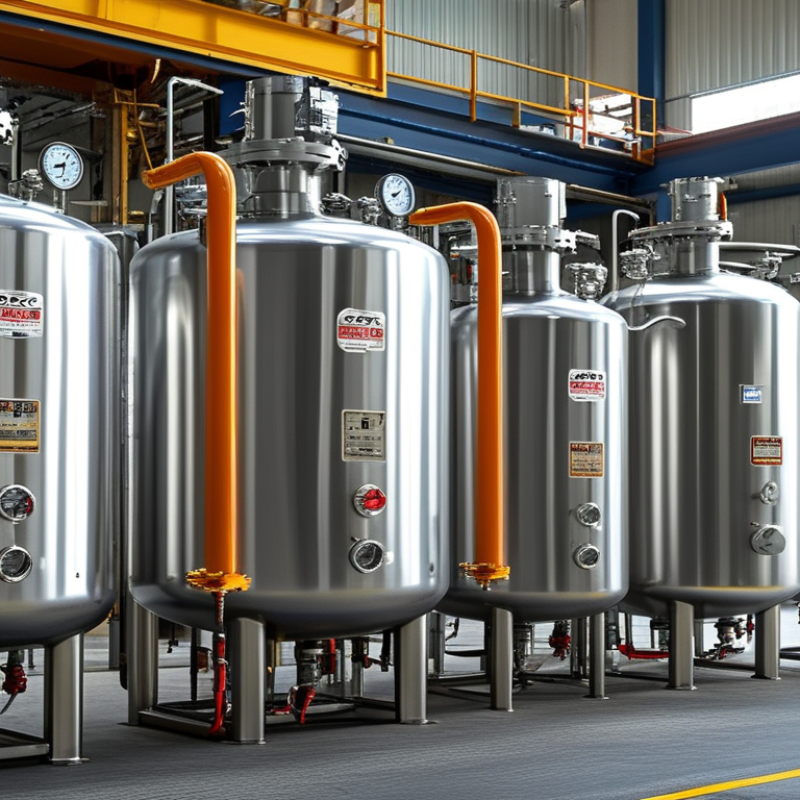
When selecting a GBM pressure vessel, it is essential to understand its key components and types. GBM pressure vessels are designed to hold gases and liquids under pressure. Their construction involves materials like steel or composite materials to prevent leaks and ensure safety. Each type of vessel has unique features catering to specific applications. For instance, vertical vessels are often used for storage, while horizontal vessels are ideal for transportation.
It's important to consider factors like pressure rating, capacity, and temperature limits. Different industries might require variations in design. Make sure to assess your requirements thoroughly. Understanding the operational environment also informs your choice. For sensitive materials, corrosion-resistant options could be crucial.
Choose a reputable supplier who provides reliable documentation. This helps establish trust and validates the quality of the vessel. Remember to check customer reviews and industry standards. Quality assurance is vital in ensuring safety and longevity. It's wise to consult an expert to align your needs with the appropriate choice. Seek clarity on maintenance requirements since neglect can lead to failures.
| Component | Description | Material | Pressure Rating | Applications |
|---|---|---|---|---|
| Shell | The main body that holds the fluid under pressure. | Carbon Steel | Up to 300 psi | Oil and Gas, Chemical Processing |
| Lid | Seals the top of the vessel to maintain pressure. | Stainless Steel | Up to 600 psi | Pharmaceuticals, Food and Beverage |
| Nozzle | Connection points for inlet and outlet pipes. | Alloy Steel | Up to 500 psi | Power Generation, Water Treatment |
| Support Legs | Provides stability and support to the vessel. | Carbon Steel | N/A | General Applications, Storage |
When selecting a GBM pressure vessel, several factors come into play. Understanding your operational needs is crucial. Consider the pressure requirements of your process. What specifications do you really need? The materials used in construction matter. Steel, for instance, offers strength but might not suit all applications.
Dimensions are equally important. Will your facility accommodate the new vessel? Also, think about maintenance. A design that allows easy access can save time and costs. Look into the vessel's certification and safety standards. Are they reliable? Seek documentation to validate compliance with industry regulations.
Vessel configurations also vary. There are horizontal and vertical options. Which fits better in your workspace? Reflect on the integration with existing systems too. Connections and compatibility often require careful planning. Challenges may arise during installation. But with thoughtful preparation, these can often be mitigated. Keep in mind, the right vessel should not only meet current needs but also anticipate future requirements.
Selecting the right material for GBM pressure vessels is critical for optimal performance. Various factors come into play, including pressure levels, temperature stability, and corrosion resistance. According to a recent report by the ASME, over 40% of failures in pressure vessels can be traced back to inappropriate material selection. Understanding the environment in which the vessel will operate is essential. This ensures longevity and maintains safety standards.
When assessing material choices, steel alloys are often favored for their strength and durability. However, options like composites and polymers can provide weight advantages and resistance to corrosive substances. It's important to weigh these benefits against potential vulnerabilities in high-pressure scenarios. A study published by the International Journal of Pressure Vessel Technology indicated that composite materials can perform effectively under certain conditions but may fail under extreme stress.
Consider these aspects while choosing:
- The operating temperature range should match the material’s specifications.
- Evaluate the chemical composition of the fluid to prevent corrosion.
- Analyze cost-effectiveness against performance efficiency.
Choosing a suitable material may require consultation with a specialist. Engaging with experienced engineers can guide you through the nuances of material properties and their implications in real-world applications. Balancing these variables helps achieve a reliable pressure vessel tailored to your specific needs.
When selecting a GBM pressure vessel, understanding industry standards and regulations is crucial. These standards ensure safety and compliance across various applications. According to the International Organization for Standardization (ISO), pressure vessels must adhere to ISO 11120, which specifies testing and documentation requirements. This emphasizes the importance of rigorous quality control.
Moreover, the American Society of Mechanical Engineers (ASME) outlines specific design and maintenance regulations. ASME Section VIII deals primarily with pressure vessels and places strict requirements on material selection and construction practices. Neglecting these regulations can result in significant safety hazards.
When evaluating pressure vessels, consider the National Board Inspection Code (NBIC) guidelines. They provide criteria for the use of existing vessels. Understanding these regulations can help operators avoid costly errors. Outdated vessels may not meet modern safety standards, potentially leading to catastrophic failures. Regular inspections and adherence to recommended updates are paramount for maintaining operational safety and compliance.
When budgeting for a GBM pressure vessel, it is crucial to consider multiple factors. The initial cost is only one part of the equation. Installation expenses may also apply, requiring careful planning. Maintenance costs can add up over time, depending on the vessel's usage and the environment. Regular upkeep is essential for safety and longevity.
You should evaluate the overall performance requirements. A higher upfront investment may yield better efficiency and lower operating costs in the long run. Make sure to assess your specific needs. Will you be using it in a demanding environment? This can affect your choice significantly. There are choices that cater to lighter demands, but risks can emerge if the vessel isn’t up to the task.
Consider warranty and service options. A longer warranty can offer peace of mind but may increase initial costs. Investigating these options helps you make a thoughtful decision. Weigh all available data and keep track of your budget. Sometimes, spending less initially can lead to higher expenses later. It's important to find the right balance between cost and quality, ensuring reliability and performance.
: Material selection is critical for performance, safety, and longevity. Over 40% of failures are linked to poor material choices.
Steel alloys are favored for strength. Composites and polymers may offer weight advantages and corrosion resistance.
The operating temperature must match the material’s specifications. The fluid's chemical makeup should be analyzed to prevent corrosion.
Consider initial costs, installation, and maintenance. Regular upkeep is necessary for safety and long-term performance.
Yes, consulting experienced engineers can clarify material properties and guide you in making informed decisions.
Often, higher upfront costs lead to improved efficiency and lower long-term operating costs. Evaluate your specific needs carefully.
A longer warranty might increase initial costs but offers peace of mind. Investigate all options to make an informed choice.
Choosing lighter vessels may introduce risks if they don’t meet environmental demands. Assess the operating conditions carefully.
Yes, maintenance costs can accumulate over time, influencing initial budget and overall cost-effectiveness.
It's essential to find a balance that ensures reliability and performance, avoiding pitfalls of low-cost short-term solutions.
When choosing the right GBM pressure vessel, it is essential to understand its key components and types to ensure it meets specific operational requirements. Factors such as pressure ratings, size, and compatibility with various substances play a significant role in the selection process. Additionally, assessing material choices is crucial for optimizing the performance and longevity of the GBM pressure vessel.
Moreover, it’s important to be aware of industry standards and regulations that govern the use of pressure vessels to ensure compliance and safety. A thorough cost analysis will help you budget appropriately for your GBM pressure vessel needs, taking into account initial purchase prices, maintenance, and potential operational costs. Understanding these elements will enable you to make an informed decision that aligns with your project requirements and budget constraints.

Hongke Qingneng