How to Choose the Right LPG Pressure Vessel for Your Needs?

Time:2026-08-15 Author:Isabella
0%

Choosing the right LPG pressure vessel is crucial for safety and efficiency in handling liquefied petroleum gas. Understanding your specific needs and the applications for which you will use the vessel is essential. Various factors influence the decision, including size, material, and pressure rating.

An LPG pressure vessel must comply with stringent safety standards. Selecting a vessel should not be based on price alone; quality and reliability are paramount. Many individuals overlook the importance of proper certification and testing of the vessel. Ignoring these aspects can lead to severe risks and costly mistakes.

You should also consider the installation and maintenance requirements. Complex designs may require specialized knowledge to operate safely. It's worth noting that an improperly chosen LPG pressure vessel can compromise safety. Therefore, investing time in research is vital. Remember, your choice will have long-term implications on operations and safety.
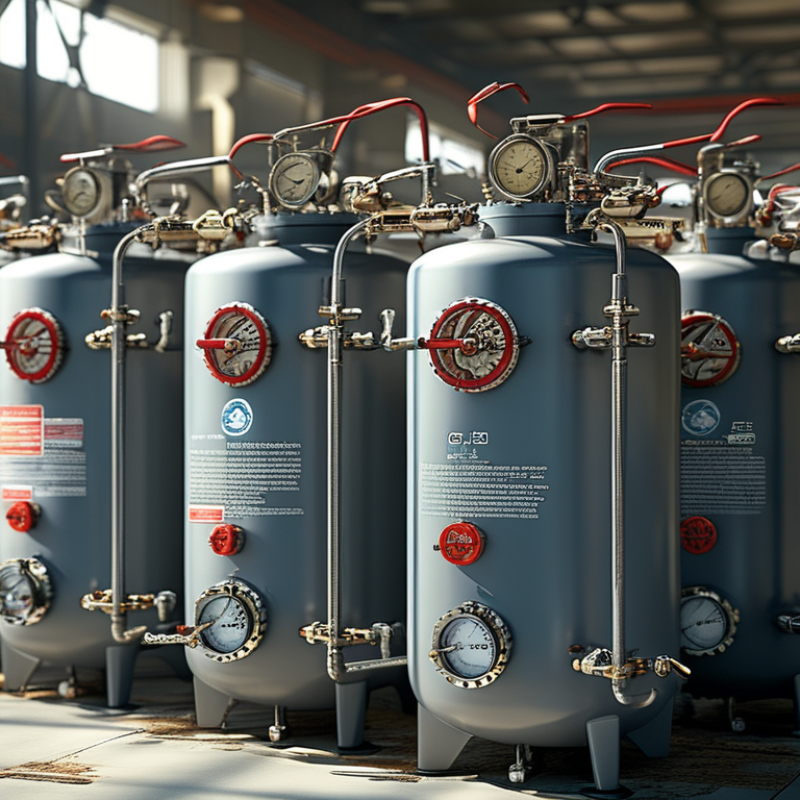
How to Choose the Right LPG Pressure Vessel for Your Needs?

Understanding the Basics of LPG Pressure Vessels

LPG pressure vessels play a crucial role in storing liquefied petroleum gas safely. Understanding their basics is vital for making informed decisions. These vessels come in various sizes and designs, which can be confusing. A knowledgeable approach can simplify the selection process significantly.

Safety features are paramount. Quality pressure vessels must meet stringent safety standards. Check for certifications that indicate reliability. Also, consider the capacity required for your specific needs. Oversized vessels can lead to unnecessary costs, while undersized options might not meet demand.

It’s essential to understand the materials used in construction. Carbon steel and stainless steel are common, each with distinct advantages. Carbon steel is cost-effective but may corrode. Stainless steel offers better longevity but at a higher price point. Evaluating your environment will guide this choice effectively. Remember, improper selection can lead to safety risks and financial repercussions.

Identifying Your Specific Needs and Requirements

When choosing the right LPG pressure vessel, understanding your specific needs is crucial. Start by evaluating your application. Are you using it for commercial cooking, heating, or industrial processes? Each use case demands different specifications. Look into the required volume and pressure ratings. This helps you determine the size and type of pressure vessel best suited for your situation.

Next, consider safety features. LPG is flammable and requires careful handling. Ensure the vessel meets local safety standards and regulations. Look for features like pressure relief valves and robust construction materials. These are essential for safe operation. Additionally, think about where the vessel will be placed. Space constraints might affect your choice. Compact designs may be suitable for smaller facilities, while larger systems could be necessary for extensive industrial use. Recognizing these factors will guide your decision-making in selecting the most appropriate LPG pressure vessel for your needs.

How to Choose the Right LPG Pressure Vessel for Your Needs?

This chart illustrates the key factors to consider when selecting an LPG pressure vessel based on specific needs and requirements. The data reflects the importance of various criteria, rated on a scale from 1 to 10, where 10 represents the highest importance.

Evaluating Different Types of LPG Pressure Vessels

Choosing the right LPG pressure vessel requires a clear understanding of available types. Each type serves specific applications, and making the wrong choice can lead to safety issues. According to the International LPG Industry Association, there are two primary categories: fixed and portable LPG vessels. Fixed vessels are stationary and suited for large-scale operations, often installed at industrial sites. Portable vessels are smaller and ideal for homes, outdoor cooking, and events.

Tip: Consider your space. Ensure the chosen vessel fits comfortably where it will be used.

Material selection also impacts performance. Steel vessels are prevalent due to durability, while composite materials offer lightweight advantages. The American Society of Mechanical Engineers (ASME) emphasizes the importance of compliance with safety regulations for every type. Inspecting the vessel construction and maintenance history can aid in reliable performance evaluation.

Tip: Regular inspections can prevent dangerous leaks and failures.

Accurate sizing is critical. Oversized vessels can lead to unnecessary costs, while undersized options may not meet demands. According to industry reports, poor sizing decisions account for a significant percentage of operational inefficiencies. Consulting with experts helps in finding a balance between capacity and budget constraints. Confirm that the selected vessel meets your precise needs.

Key Safety Standards and Regulations for LPG Storage

When selecting a pressure vessel for LPG storage, it's crucial to consider safety standards and regulations. Compliance ensures protection for both users and the environment. Various organizations set these regulations, such as the NFPA in the United States and the European Standards (EN). Understanding these can be challenging. Not every vessel meets high safety standards. Take the time to read labels and documentation carefully.


Regular inspections and maintenance are essential. They help identify potential issues before they escalate. For example, a minor leak could lead to significant risks. Additionally, training for personnel is often overlooked. Staff should understand handling procedures and emergency protocols. This knowledge can save lives.


Proper installation is another key aspect. Follow guidelines to avoid improper setup. Misalignment can lead to stress on the vessel. Always hire qualified technicians for installation. This decision can prevent costly mistakes and ensure compliance with safety regulations. Ultimately, understanding the importance of these standards can lead to safer LPG storage solutions.

Factors Influencing the Cost and Maintenance of Pressure Vessels

When selecting an LPG pressure vessel, several factors significantly influence cost and maintenance. The material used in construction is paramount. High-quality steel tends to increase durability but also costs more. Weighing options carefully can lead to better long-term investment.

Maintenance is another crucial aspect. A well-designed vessel may require less frequent maintenance, but inspections must still be regular. Skipping these can lead to costly repairs. Corrosion is a common issue; thus, protective coatings can help. However, these coatings can add to the initial cost, raising the question of trade-offs.

Another element is the design specifications. Pressure ratings significantly affect both price and maintenance demands. Higher rated vessels ensure safety but often come at a premium. Understanding the operational environment helps in making informed choices. Whether for industrial or residential use, each setting presents unique challenges and requirements. Careful analysis can lead to a vessel choice that is both economical and efficient.

How to Choose the Right LPG Pressure Vessel for Your Needs? - Factors Influencing the Cost and Maintenance of Pressure Vessels

Factor Description Estimated Cost Range (USD) Maintenance Requirements
Capacity Determines the amount of LPG the vessel can hold, affecting overall size and material choices. 2,000 - 10,000 Annual inspection and testing required.
Material Common materials are carbon steel, stainless steel, or composite materials, affecting durability and cost. 1,500 - 8,000 Corrosion resistance checks are required.
Safety Features Includes pressure relief valves, gauges, and emergency shut-offs, impacting safety and compliance costs. 500 - 2,500 Regular testing of safety features.
Regulatory Compliance Must meet local and international standards which affect design and safety requirements. Varies widely, often 1,000 - 5,000 Compliance audits and documentation management are necessary.
Installation and Location Location impacts installation costs and transport; certain areas require higher compliance. 1,000 - 4,000 Site inspection and potential site preparation costs.

FAQS

: What is the purpose of LPG pressure vessels?

: LPG pressure vessels store liquefied petroleum gas safely for various applications.

How do I choose the right size for an LPG pressure vessel?

Accurate sizing is essential. Avoid oversized and undersized vessels to meet your needs.

What materials are commonly used for pressure vessels?

Common materials include carbon steel and stainless steel, each with unique advantages.

What safety features should I look for in LPG vessels?

Quality vessels must meet safety standards. Check for certifications indicating reliability.

What types of LPG pressure vessels are there?

There are two primary types: fixed and portable vessels, each serving specific uses.

How can I ensure the vessel fits my space?

Measure your space and ensure the chosen vessel fits comfortably in the intended area.

Why is regular inspection important for LPG vessels?

Regular inspections can prevent dangerous leaks and failures, ensuring safe operation.

What are the consequences of poor sizing decisions?

Poor sizing can cause operational inefficiencies, leading to safety risks and financial losses.

How does material choice impact the vessel's performance?

Material affects durability, weight, and corrosion resistance, influencing overall performance.

What should I consider about my environment when selecting a vessel?

Evaluate environmental factors to guide your material choice for the LPG pressure vessel.

Conclusion

Choosing the right LPG pressure vessel is crucial for ensuring safe and efficient storage and use of liquefied petroleum gas. Understanding the basics of LPG pressure vessels, including their construction and functionality, forms the foundation for making an informed decision. It is essential to identify specific needs and requirements based on the intended application, as various types of LPG pressure vessels are designed for different purposes.

When evaluating these vessels, it's important to consider key safety standards and regulations that govern LPG storage to ensure compliance and minimize risks. Additionally, factors such as cost and maintenance play a significant role in the overall selection process. By carefully assessing these elements, you can select the most suitable LPG pressure vessel that meets your operational needs while adhering to safety requirements.

Isabella

Isabella

Isabella is a dedicated marketing professional with a sharp focus on driving brand growth and engagement through strategic content creation. With an extensive background in digital marketing, she combines her passion for storytelling with her keen understanding of industry trends to deliver......