Pressure Vessel Tanks are essential components in various industrial applications. These tanks are designed to hold liquids or gases at high pressures. Their construction is crucial for safety and efficiency in operations.
The design and materials used in a Pressure Vessel Tank are carefully chosen. This ensures they can withstand extreme conditions. Common materials include steel and composites, which provide durability. These tanks play a vital role in sectors such as oil and gas, chemical manufacturing, and food processing. Each industry has unique requirements for pressure management.
Despite their importance, not all Pressure Vessel Tanks are created equal. Design flaws can lead to dangerous failures. Regular inspections and maintenance are necessary to ensure reliability. Understanding their function and limitations is key for safe operation. Knowledge about Pressure Vessel Tanks can enhance industrial efficiency. Challenges remain, but advancements in design and safety are ongoing.
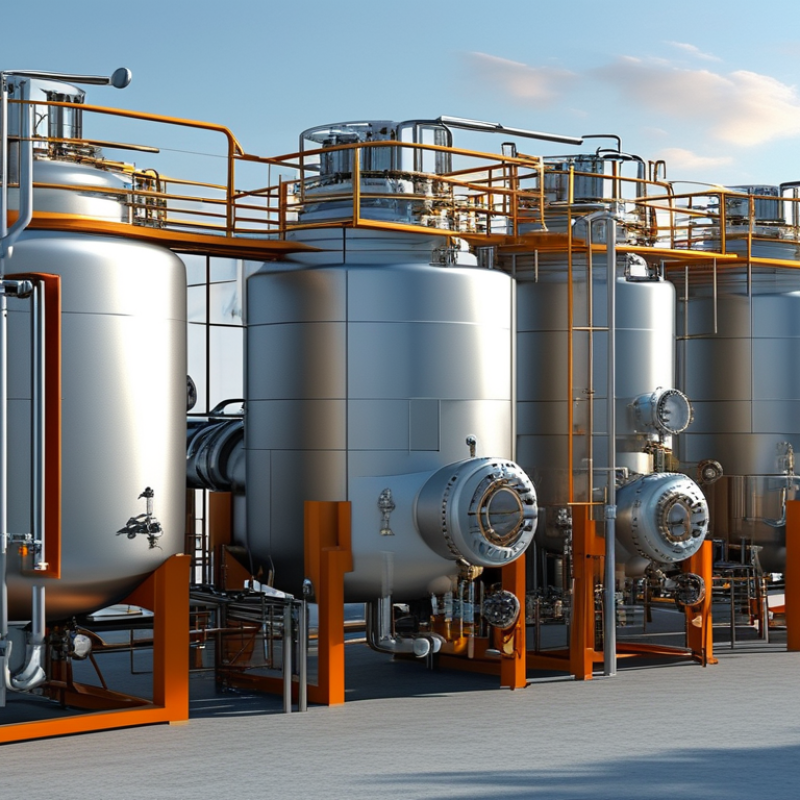
What is a Pressure Vessel Tank?
A pressure vessel tank is a critical component used to store liquids and gases under pressure. These tanks are designed to withstand significant pressure variations, making them essential in various industries. Common materials for these tanks include steel, aluminum, and composite materials. Their design must comply with strict safety standards due to the potential hazards associated with pressurized contents.
In many applications, pressure vessel tanks are found in chemical processing, oil and gas production, and power generation industries. They serve functions such as storage, separation, and reaction. For instance, in the petrochemical industry, they often store volatile substances, which requires precise engineering. Maintenance and inspection are crucial for ensuring safety and reliability over time. Regular checks can reveal cracks or weaknesses, showing the importance of diligent upkeep.
While pressure vessel tanks are reliable, there are areas that merit reflection. Designing these vessels involves balancing safety, cost, and functionality. Over-engineering can lead to unnecessary expenses, while under-engineering can cause serious risks. Continuous improvement in materials and design methods is vital. This evolution helps enhance efficiency and safety in their applications.
Key Components of Pressure Vessel Tanks
Pressure vessel tanks are integral in various industrial applications, designed to safely contain gases and liquids under high pressure. Understanding their key components helps ensure functionality and safety. A pressure vessel typically includes a cylindrical shell, end caps, and support structures. The material used plays a crucial role in durability. Commonly, carbon steel, stainless steel, or composite materials are utilized based on the contents and operating conditions.
According to the American Society of Mechanical Engineers (ASME), about 60% of pressure vessel failures stem from inadequate materials or design flaws. Regular inspection and maintenance are essential for safety. Components like pressure gauges, safety valves, and level indicators add to a pressure vessel's reliability. These elements monitor the internal conditions, protecting against potential hazards. Failure to properly specify or maintain these components could lead to catastrophic failures.
Documentation and adherence to regulatory standards, such as the ASME Boiler and Pressure Vessel Code, are critical. Many organizations conduct regular audits to ensure compliance. However, there’s often a gap in training and knowledge among personnel. A well-rounded understanding of these components is vital, yet underemphasized in some industries.
Pressure Vessel Tank Applications
This bar chart illustrates the various applications of pressure vessel tanks in different industries, showcasing their significance in fields like oil and gas, chemical processing, power generation, water treatment, and food & beverage sectors.
Common Materials Used in Pressure Vessel Construction
Pressure vessels are crucial in various industries. They hold gases and liquids under high pressure. The construction of these vessels requires specific materials to ensure safety and functionality. Commonly used materials include carbon steel, stainless steel, and titanium. Each material has unique properties that cater to different applications.
Carbon steel is often chosen for its strength and affordability. It can withstand high pressure but may corrode over time. Stainless steel is more resistant to corrosion. It’s suitable for chemical processing applications. Titanium, while more expensive, offers excellent strength-to-weight ratios. It also resists corrosion in aggressive environments.
Choosing the right material is vital. Each option has trade-offs. Considering factors like pressure, temperature, and the nature of the contents is essential. It’s not always straightforward. Sometimes, a less common material might be the best choice for specific conditions. This complexity requires careful planning and expertise in material science and engineering.
Applications of Pressure Vessel Tanks in Various Industries
Pressure vessel tanks play a crucial role in various industries. Their primary function is to store gases or liquids under pressure. The chemical industry uses these tanks extensively, often requiring them to withstand extreme environments. According to a report by MarketsandMarkets, the global market for pressure vessels is expected to reach $99.7 billion by 2025. This growth reflects the increasing demand across multiple sectors.
The oil and gas industry relies on these tanks for safe storage and transportation of fuels. In refineries, pressure vessels separate crude oil into various components. Moreover, the food and beverage industry also utilizes pressure vessels for processes like pasteurization and carbonation. These applications highlight the versatility and importance of pressure vessels in production and safety.
However, industry standards are crucial. Improper design or maintenance can lead to catastrophic failures. The ASME Boiler and Pressure Vessel Code sets stringent guidelines to ensure safety and reliability. Yet, adherence to these standards varies. Regular inspections and proper training are essential for minimizing risks. This continual focus on safety remains an ongoing challenge for many facilities.
Safety Standards and Regulations Governing Pressure Vessels
Pressure vessels are essential in various industries, containing liquids and gases at high pressures. Their design and operation are subject to safety standards and regulations. Compliance ensures both safety and reliability. The American Society of Mechanical Engineers (ASME) sets rigorous guidelines for pressure vessel construction. These guidelines help prevent catastrophic failures.
Regulatory bodies often require pressure vessels to be inspected regularly. Inspections focus on potential hazards, such as corrosion and material integrity. Operators must document maintenance and repairs to maintain compliance. It’s essential to maintain high safety standards throughout the vessel's life cycle. Any neglect can lead to dire consequences.
Tips for ensuring compliance include maintaining thorough records of inspections. Regular training for personnel on safety practices is crucial too. Operators should foster a culture of safety, encouraging reporting of issues early. Small problems can escalate quickly, so addressing them promptly is vital. Pressure vessels play a critical role in the operational safety of many facilities.
Conclusion
A Pressure Vessel Tank is a robust container designed to hold gases or liquids at pressures significantly different from the ambient pressure. These tanks are essential in various industries, including chemical processing, oil and gas, and power generation. Key components of a Pressure Vessel Tank include the shell, head, and nozzle, all of which must withstand high pressure and ensure structural integrity.
Common materials used in the construction of Pressure Vessel Tanks encompass carbon steel, stainless steel, and composite materials, chosen based on the tank's intended use and the substances contained within. The applications of Pressure Vessel Tanks are diverse, ranging from storing industrial gases to functioning as reactors in chemical manufacturing. To ensure safety, stringent safety standards and regulations govern the design, construction, and operation of these vessels, making them critical to industrial safety and efficiency.

 Hongke Qingneng