Top 10 Tips for Choosing the Right Pressure Vessel?

Time:2026-08-06 Author:Charlotte
0%

Choosing the right pressure vessel is crucial for industries that rely on safe and efficient operations. As an expert in the field, Dr. Elaine Carter emphasizes, “Selecting the appropriate pressure vessel can prevent catastrophic failures and ensure operational efficiency.” Her experience in pressure vessel design underscores the significance of this choice.

When considering a pressure vessel, it’s essential to evaluate material compatibility, design standards, and regulatory requirements. Every decision can impact safety and performance. Countless industries use pressure vessels, but not all make informed choices. Many overlook critical details, leading to costly mistakes.

Investing time in understanding your options pays off. Whether it’s a small tank or a large reactor, every pressure vessel has unique requirements. Knowing the right specifications can help you avoid issues down the line. The quality of a pressure vessel directly affects productivity and safety.
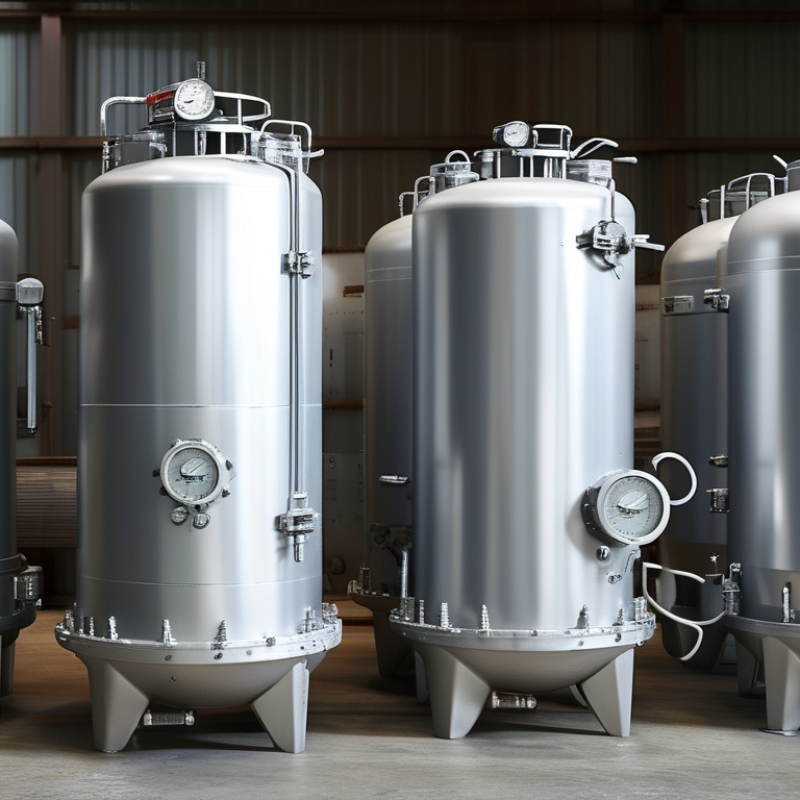
Top 10 Tips for Choosing the Right Pressure Vessel?

Understanding Pressure Vessel Types and Applications

When selecting a pressure vessel, understanding the different types and applications is crucial. Pressure vessels are designed to hold gases or liquids at high pressures. Common types include storage tanks, reactors, and separators. Each type serves specific industries, including oil and gas, chemical manufacturing, and food production. According to a recent industry report, the global pressure vessel market is projected to grow steadily, driven by increasing demand for energy and chemicals.

Different applications dictate the materials and design specifications of pressure vessels. For instance, carbon steel may suffice for low-pressure environments, whereas stainless steel is preferred for corrosive substances. The American Society of Mechanical Engineers (ASME) has established guidelines for pressure vessel design to ensure safety and reliability. Choosing the right material and adhering to ASME standards can reduce risks significantly.

However, selecting the appropriate pressure vessel isn't always straightforward. Factors such as temperature fluctuations, pressure variations, and potential chemical reactions must be assessed. Understanding these variables can prevent failures and accidents. A study indicated that improper selection led to a significant percentage of vessel failures in the last decade. Making informed decisions based on professional guidelines can enhance safety and efficiency in operations.

Evaluating Material Selection for Pressure Vessels

When evaluating material selection for pressure vessels, it’s crucial to consider several key factors to ensure safety and efficiency. The material must withstand high pressures and corrosive environments. For example, carbon steel is commonly used due to its strength and cost-effectiveness. However, it may not be suitable for highly corrosive substances, which could lead to early failure. Importantly, according to industry reports, around 30% of vessel failures result from poor material choices.

Tip: Always analyze the chemical properties of the substance in your vessel. This can prevent deterioration caused by corrosion or reactions. Stainless steel and alloy materials are often preferred for their resistance. Their selection should be based on the operating conditions of the vessel.

Consider that the design of a pressure vessel also influences material selection. A vessel designed for high temperature may require advanced materials, like nickel alloys, which can handle extreme heat. Reports indicate that over 40% of pressure vessel issues arise from thermal stress.

Tip: Consult with materials experts during the design phase. Their input can guide effective material choices based on real-world data and experiences. Balancing cost and safety is crucial, as choosing cheaper materials can lead to higher long-term costs due to potential failures.

Assessing Design Standards and Regulatory Compliance

When selecting a pressure vessel, design standards and regulatory compliance are critical factors. Up to 70% of incidents related to pressure vessels stem from inadequate adherence to these standards. Organizations must consider international codes, such as ASME and API, which define essential construction and testing requirements. This compliance ensures safety and extends the vessel's operational lifespan.

Involving certified engineers in the design process is another key aspect. Their expertise guarantees that the chosen materials and construction methods meet stringent industry requirements. Reports indicate that approximately 30% of pressure vessel failures can be traced back to improper design practices. Regular audits and assessments can identify areas for improvement, but many companies still overlook this continuous evaluation.

Documentation also plays a vital role. Maintaining proper records of compliance aids in regulatory inspections and offers a clear timeline for maintenance. Studies show that firms with organized documentation processes experience 40% fewer compliance-related issues. As the industry evolves, having a solid grasp of current standards is essential for effective risk management.

Identifying Essential Safety Features in Pressure Vessels

Choosing the right pressure vessel involves careful consideration of safety features. Safety is paramount in preventing catastrophic failures. One essential feature is the pressure relief valve. This component ensures that excess pressure is released safely. Without it, a vessel can rupture, leading to serious accidents.

Another critical aspect is the material of construction. Materials must withstand the operating conditions without degrading. Commonly used materials include carbon steel and stainless steel. Each material has its strengths and weaknesses. For instance, stainless steel resists corrosion better but may be more expensive.

Regular maintenance and inspection are vital for safety. Operators need to check for signs of wear and tear frequently. Regular inspections can identify potential issues before they become severe. Documentation of inspections should be thorough to ensure accountability. It is vital to foster a culture of safety awareness among all staff members.

Considering Maintenance and Inspection Protocols for Longevity

When choosing a pressure vessel, maintenance and inspection protocols are crucial for longevity. Regular maintenance helps ensure equipment operates efficiently. Relying on a thorough inspection schedule can prevent unexpected failures. An overlooked vessel may lead to costly downtime. It's vital to document findings from each inspection. Such records serve as a reference for future evaluations.

Routine cleaning strategies must be effective. Debris can accumulate, impacting performance. Monitor any unusual noises or vibrations. These signs may indicate underlying issues. Consider the environment where the vessel operates. Harsh conditions may require more frequent inspections. A proactive approach minimizes risks but can be challenging to maintain.

Investing time in staff training is another key aspect. Knowledgeable personnel can identify warning signs early. However, not all teams prioritize training. It’s essential to foster a culture of safety and diligence. In many cases, insufficient attention to protocols leads to failures. A consistent review of maintenance practices is necessary, ensuring compliance and adapting to any changes in operations.

Top 10 Tips for Choosing the Right Pressure Vessel

Tip Number Consideration Details Maintenance Frequency
1 Material Selection Choose materials that resist corrosion and pressure. Annually
2 Design Codes Ensure compliance with local and international standards. Every 5 years
3 Capacity Needs Assess the volume and type of fluid to be stored. Every 2 years
4 Pressure Rating Verify the vessel can withstand the operating pressure. Every 3 years
5 Installation Environment Consider factors like temperature, humidity, and location. Monthly
6 Inspection Accessibility Design for easy access to inspect and maintain. Before usage
7 Safety Features Incorporate safety valves and pressure relief measures. Bi-annually
8 Documentation Maintain records of maintenance and inspections. Ongoing
9 Supplier Reputation Research the credibility and experience of suppliers. As needed
10 Customer Support Ensure availability of technical support and spare parts. As needed

FAQS

: What should be considered when selecting materials for pressure vessels?

: Key factors include strength, corrosion resistance, and operating conditions.

Why is carbon steel popular for pressure vessels?

Carbon steel offers strength and cost-effectiveness. However, it's not ideal for highly corrosive environments.

How can chemical properties affect material selection?

Analyzing chemical properties prevents unwanted reactions and corrosion, ensuring material longevity.

What materials are preferred for high-temperature applications?

Advanced materials, like nickel alloys, are often required to handle high temperatures effectively.

Why is regular maintenance important for pressure vessels?

Regular maintenance ensures efficient operation and can prevent unexpected failures and downtime.

How can inspections contribute to safety?

Thorough inspections help document equipment condition and prevent costly issues from overlooked problems.

What signs indicate potential issues with pressure vessels?

Unusual noises or vibrations may signal underlying mechanical problems that need attention.

Why is staff training crucial in maintenance protocols?

Knowledgeable staff can identify early warning signs, but training is often neglected.

What challenges arise in maintaining a proactive inspection approach?

Harsh operating conditions may require more frequent inspections, which can be hard to manage.

How can poor maintenance practices lead to failures?

Insufficient attention to maintenance protocols can result in major operational and safety issues.

Conclusion

When selecting the right pressure vessel, it is crucial to understand the various types and their specific applications, as this directly affects performance and safety. Evaluating material selection is equally important, as the right materials can enhance durability and resistance to corrosion or pressure. Additionally, assessing design standards and ensuring regulatory compliance are fundamental to meeting safety requirements and industry benchmarks.

Furthermore, it is essential to identify vital safety features within pressure vessels, such as pressure relief valves and emergency shut-off systems. Lastly, considering maintenance and inspection protocols is key to ensuring the vessel's longevity and operational efficiency. By focusing on these aspects, you can make informed decisions that enhance safety and reliability in your pressure vessel applications.

Charlotte

Charlotte

Charlotte is a seasoned marketing professional with a deep understanding of the company's portfolio and a passion for elevating its presence in the market. With a keen eye for detail and a commitment to excellence, she ensures that our professional blog is regularly updated with insightful articles......