What Are the Top Small Pressure Vessel Types in 2026?

Time:2026-09-29 Author:Ethan
0%

A Small Pressure Vessel can be easy to overlook: a compact steel receiver beside a compressor, a diaphragm tank in a plant room, or a hydraulic accumulator tucked inside mobile equipment. Yet size alone does not determine its purpose. Internal pressure, stored energy, working fluid, operating cycles, and available space all shape the choice. In 2026, buyers and engineers commonly compare air receivers, diaphragm and bladder tanks, hydraulic accumulators, small process vessels, and compact gas-storage vessels. Their names may overlap across industries, so specifications matter more than labels.

This overview examines the practical differences. An air receiver can smooth compressor output; an accumulator can help manage hydraulic flow and pressure; a diaphragm tank can separate fluid from its gas cushion. Small details count. A threaded connection, weld seam, or drainage point can affect inspection and maintenance. The best fit is not always the smallest vessel or the one with the highest headline rating. It must suit the actual duty, materials, installation, and documented operating limits. There is room for reflection here: product categories are convenient, but they can hide important design differences. No source material or verifiable expert quotation was supplied with the request, so I cannot responsibly attribute a statement to a named specialist. A properly sourced expert quote should be added before publication.
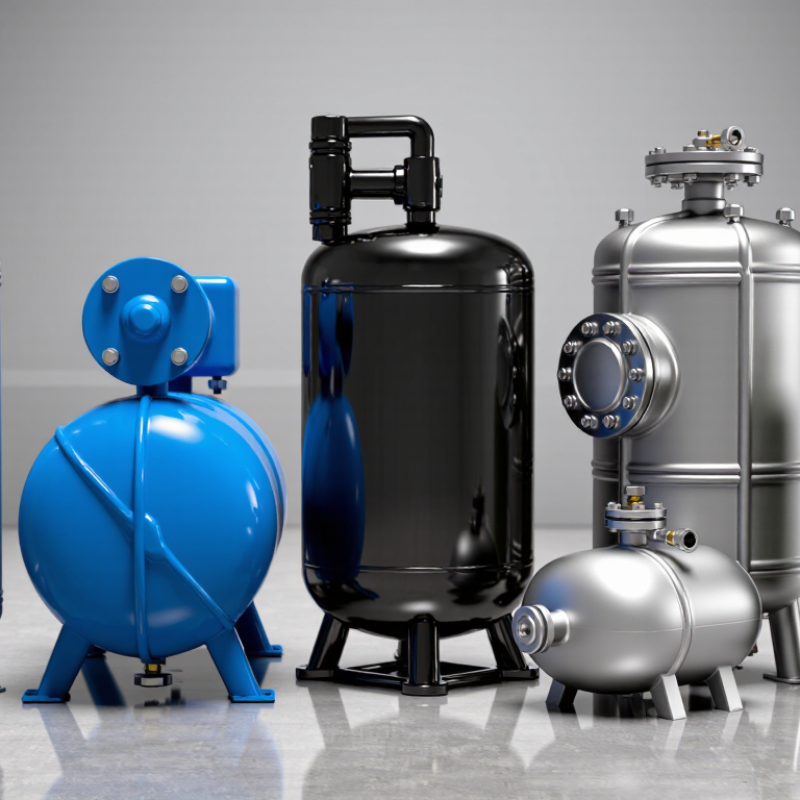
What Are the Top Small Pressure Vessel Types in 2026?

What Defines a Small Pressure Vessel and How Is It Classified?

A small pressure vessel is defined less by appearance than by measurable limits. Its size may be compact, yet stored energy can remain significant. In practice, engineers assess internal volume, maximum allowable working pressure, temperature range, and fluid properties. The vessel may also be classified by fluid hazard, pressure category, material, and intended service. Rules differ across jurisdictions, so one universal size threshold does not exist. That boundary is not perfectly tidy.

Common small pressure vessel types include hydraulic accumulators, compact air receivers, refrigerant receivers, nitrogen vessels, and process dampeners. Hydraulic accumulators often store energy in a small footprint. Air receivers reduce pressure fluctuation near pneumatic equipment. Refrigerant receivers support controlled liquid storage within cooling systems. Each type requires different attention to corrosion, fatigue, leakage, and temperature changes.

A reliable classification starts with the nameplate and design documents. Check volume, design pressure, test pressure, relief settings, weld details, and inspection history. External dents or rust can change the risk assessment. I have seen “small” vessels treated too casually because they looked harmless. That assumption needs correction. A compact vessel may still demand formal inspection, qualified maintenance, and traceable records. Engineers should verify the applicable code before selecting, modifying, or operating any vessel.

Which Small Pressure Vessel Types Stand Out in 2026?

In 2026, small pressure vessels stand out through practical performance, compact design, and easier maintenance. Their exact size varies by industry and local standards. However, most units fit within workshop, laboratory, mobile, or light industrial systems. Engineers increasingly evaluate more than capacity. They examine pressure cycling, corrosion resistance, inspection access, and installation space. A small vessel can still create serious hazards when poorly specified.

Hydraulic accumulators remain important for stabilizing pressure and absorbing sudden flow changes. Pneumatic receiver tanks help compressors deliver steadier air during short demand peaks. Thermal expansion vessels support closed water systems by managing volume changes during heating. Compact process vessels also serve filtration, separation, and controlled storage duties. These types stand out because they solve specific problems without requiring large infrastructure.

Material choice matters greatly. Carbon steel suits many controlled environments, while stainless steel performs better against moisture and certain chemicals. Internal coatings may help, but they are not a universal solution. Weld quality, relief devices, drainage, and readable markings deserve close attention. In field inspections, overlooked condensation often causes trouble. That detail is easy to underestimate. Digital monitoring may improve maintenance planning, yet sensors cannot replace scheduled examinations. No type wins everywhere. The best selection depends on fluid properties, operating cycles, temperature changes, access conditions, and verified compliance with applicable pressure equipment requirements.

What Are the Top Small Pressure Vessel Types in 2026? — Which Types Stand Out?
Pressure Vessel Type Typical Applications Common Construction Key Design Considerations Standout Feature
Compressed-Gas Cylinder Portable storage of gases used in medical, laboratory, industrial, and emergency-service settings. Seamless or welded metal; some cylinder designs use a metal liner with composite reinforcement. Gas compatibility, filling limits, inspection intervals, valve protection, and transport requirements. Designed for portable, high-pressure gas storage; applicable transport rules depend on the jurisdiction and cylinder type.
Compressed-Air Receiver Stores compressed air in workshops, factories, and building-service systems, helping meet short-term demand and reduce compressor cycling. Usually a welded steel vessel, installed vertically or horizontally. Design pressure, condensate drainage, corrosion control, pressure-relief protection, and periodic inspection. A widely used stationary vessel that supports stable compressed-air system operation.
Hydraulic Accumulator Stores hydraulic energy, dampens pressure pulsations, and helps compensate for leakage or short-lived demand peaks. Common designs include bladder, diaphragm, and piston accumulators with a pressurized gas side. Gas precharge, fluid and seal compatibility, temperature limits, and safe isolation before maintenance. Combines a compact form with rapid response to changes in hydraulic-system pressure or flow.
Filter or Separator Housing Holds filter elements or separates liquids and solids from gases or liquids in process and utility systems. Typically a metal shell with bolted or quick-opening closures, internal supports, and inlet and outlet connections. Maximum allowable pressure, differential pressure, corrosion or erosion, closure integrity, and access for element replacement. Provides pressure containment while enabling filtration or separation in a compact package.
Small Process Vessel or Reactor Used for controlled mixing, heating, cooling, reaction, or material holding in pilot plants and small-scale production. Welded metal construction; internal coatings or linings may be used when process compatibility requires them. Process chemistry, temperature, agitation loads, connections, cleanability, and pressure-relief provisions. Can be configured for a specific process, with design details determined by the contents and operating conditions.
Portable Fire Extinguisher Cylinder Contains an extinguishing agent and, depending on the extinguisher design, a pressurizing gas. Commonly a formed or welded metal cylinder with a valve assembly and discharge hardware. Agent compatibility, corrosion, periodic examination, service requirements, and the applicable fire-safety rules. Combines pressure containment and portable emergency use in a compact vessel.
Cryogenic Storage Vessel Stores liquefied gases at cryogenic temperatures for laboratory, medical, industrial, or supply-chain use. Often a double-wall vessel with an insulated space between the inner and outer shells; pressure-rated models include pressure-control and relief devices. Low-temperature material suitability, insulation performance, boil-off management, venting, and relief protection. Designed to limit heat transfer while containing cryogenic fluid; pressure capability varies by vessel design.
Scope note: “Small pressure vessel” is not a single size category used uniformly across all industries or jurisdictions. Pressure ratings, capacities, materials, and inspection requirements are design- and application-specific. Stationary vessels may be designed to applicable pressure-vessel codes, such as ASME Boiler and Pressure Vessel Code Section VIII, where adopted; transportable gas cylinders may instead be subject to cylinder and transport regulations applicable in their jurisdiction.

How Do Tanks, Accumulators, Receivers, and Reactors Differ?

Small pressure vessels may look alike on a workshop floor, but their jobs differ. A tank is a broad term for a vessel that holds liquid or gas. A receiver is a tank used in a compressed-air system, where it buffers demand and helps steady pressure. The U.S. Department of Energy’s Improving Compressed Air System Performance sourcebook notes that compressed-air systems can account for about 10% of industrial electricity use. That makes receiver sizing more than a space-saving choice: poor storage can contribute to inefficient operation. A receiver does not create air, though. The compressor does.

An accumulator stores pressurized fluid, often in hydraulic equipment, and releases it when the system needs a brief surge. Its gas cushion and fluid connection make it different from a simple receiver. A reactor is different again: it holds materials while a controlled process, such as mixing or heating, takes place. Temperature, agitation, and internal surfaces may matter as much as pressure.

Small details matter. A vessel with a similar shape can perform a very different function. In practice, labels are not always used consistently, so check the process duty, working fluid, pressure range, and design documentation before comparing types. I would not choose by volume alone; that is an easy shortcut, and sometimes a costly one.

Where Are These Vessel Types Used Across Industries?

Small pressure vessels serve different jobs depending on what they contain and how a system operates. Air receivers store compressed air near workshop compressors, helping steady pressure when pneumatic tools start and stop. In a food-processing plant, a compact receiver may sit beside a packaging line, where air powers actuators and cleaning equipment. The tank needs suitable materials and connections for its air quality and operating conditions.

Hydraulic accumulators store fluid under pressure and help equipment respond to sudden demand. They are found in mobile machinery, manufacturing presses, and some energy systems. Small expansion vessels, meanwhile, accommodate changes in liquid volume as heating or cooling systems warm and cool. A vessel mounted near a boiler or pump can reduce pressure swings, though sizing and installation matter. Details matter.

Process plants may also use small gas vessels for buffering or supplying gases to instruments and pilot systems. In laboratories, compact vessels can support controlled gas delivery, but compatibility and pressure ratings must be verified for the specific service. A vessel that looks adequate on a drawing may not suit repeated cycling, vibration, or temperature changes in the field. That part is easy to underestimate. Selection should reflect the fluid, pressure range, installation space, inspection access, and the equipment around it—not capacity alone.

Small Pressure Vessel Types and Typical Capacity Ranges (2026)

Indicative capacity ranges in liters; actual sizes vary by design, pressure rating, and application.

Where they are used: Air receivers support compressed-air systems in manufacturing and workshops; hydraulic accumulators store energy and damp pressure fluctuations in mobile and industrial machinery; expansion vessels accommodate fluid expansion in heating and cooling systems; LPG cylinders supply fuel for cooking, heating, and industrial uses; and industrial gas cylinders store gases used in healthcare, laboratories, and fabrication. Ranges shown are indicative, not universal specifications.

How Do Materials, Standards, and Operating Needs Guide Selection?

Selecting a small pressure vessel starts with the actual job, not its name. A compact air receiver may need frequent cycling, while a process vessel may hold liquid at a steady temperature. That difference affects wall thickness, connections, and inspection access.

Carbon steel is common for dry air and many general duties. Stainless steel can suit corrosive or hygienic service, but it is not automatically the safer choice. Check the fluid, moisture, cleaning chemicals, and temperature together. Small details matter.

Standards and operating limits must match the vessel’s location and service. Confirm the required design pressure, temperature range, corrosion allowance, and relief-device capacity with qualified engineering support. A vessel rated for pressure alone may not suit repeated pressure changes or vacuum conditions.

Ask for traceable material records and clear documentation of testing and inspection. Look closely at welds and nozzle placement. They can complicate maintenance. In practice, the best choice balances material compatibility, code requirements, available space, and realistic operating patterns. One uncertainty remains: operating conditions often change after installation, so leave room for review rather than treating the original specification as permanent.

FAQS

What defines a small pressure vessel?

It is defined by measurable limits, not appearance. Engineers review volume, pressure, temperature, and fluid properties. Compact does not mean harmless.

Is there one universal size limit?

No. Different jurisdictions use different thresholds and classifications. The boundary is not perfectly tidy.

Which types are commonly considered small pressure vessels?

Common examples include air receivers, hydraulic accumulators, refrigerant receivers, nitrogen vessels, and process dampeners. Each type has different risks.

Where are air receivers used?

Air receivers are installed near compressors and pneumatic equipment. They smooth pressure changes when tools or actuators start and stop.

How do hydraulic accumulators support equipment?

They store pressurized fluid and release energy during sudden demand. They appear in mobile machinery, manufacturing presses, and energy systems.

Why are expansion vessels installed near heating systems?

Heating changes liquid volume. An expansion vessel absorbs that change and helps reduce pressure swings near boilers or pumps.

What documents should engineers check?

Review the nameplate, design pressure, test pressure, relief settings, weld details, and inspection history. Records should remain traceable.

What physical conditions can change the risk assessment?

Dents, rust, vibration, repeated cycling, and temperature changes may increase concern. A harmless-looking vessel can still require formal inspection.

How should a vessel be selected for a specific application?

Match the fluid, pressure range, temperature, materials, connections, installation space, and inspection access. Capacity alone is not enough.

Why must applicable rules be verified before use?

Requirements differ across locations and services. Verify the governing code before selecting, modifying, or operating the vessel. I might still underestimate field conditions.

Conclusion

In 2026, a Small Pressure Vessel is defined by its compact capacity, controlled internal pressure, and intended operating conditions rather than size alone. Common categories include storage tanks, hydraulic or pneumatic accumulators, air receivers, and compact reactors. Each type serves a different purpose: tanks store process fluids, accumulators manage pressure fluctuations and energy, receivers stabilize compressed gases, and reactors support controlled chemical or thermal processes.

Selecting the right vessel requires careful consideration of industry requirements, fluid properties, temperature, pressure cycles, installation space, and maintenance needs. Materials such as carbon steel, stainless steel, and specialized alloys may be chosen according to corrosion resistance, strength, and cleanliness requirements. Applicable design codes, inspection procedures, safety devices, and testing standards are also essential. Across manufacturing, energy, water treatment, food processing, and other industries, the best vessel is one that balances performance, durability, safety, and lifecycle cost while matching the specific operating environment.

Ethan

Ethan

Ethan is a seasoned marketing professional with a deep expertise in our company's innovative product line. With a passion for sharing knowledge and insights, he takes the lead in regularly updating our corporate blog, where he explores industry trends, product features, and effective marketing......