Why Choose a Water Pressure Vessel for Your System?

Time:2026-10-09 Author:Madeline
0%

Why choose a Water Pressure Vessel for your system? The answer begins with control, not capacity. A correctly selected vessel stores pressurized water and reduces unnecessary pump starts. It can also stabilize pressure when demand changes suddenly. Pressure stability matters.

The need is increasingly practical. The WHO and UNICEF Joint Monitoring Programme reported that 2.2 billion people lacked safely managed drinking water in 2022. Meanwhile, UNESCO’s World Water Development Report 2024 projects global water demand could rise by 20–30% by 2050. These figures place greater pressure on reliable water infrastructure. They also make efficient system design harder to ignore.

In a domestic booster set, the vessel acts like a quiet buffer beside the pump. During a short hand-washing cycle, it may supply water without starting the motor. Fewer starts can reduce mechanical stress and improve operating efficiency. In irrigation, hydronic heating, and commercial supply systems, the same principle helps manage fluctuating demand.

However, a vessel is not a magic tank. Incorrect sizing, poor pre-charge settings, or unsuitable materials can create new problems. The details decide. Engineers should verify maximum working pressure, temperature, connection size, and installation orientation. They should also follow applicable requirements, including ASME Section VIII and NSF/ANSI/CAN 61, where relevant. AWWA guidance remains useful for broader water-system planning and asset reliability.

Real experience often reveals the uncomfortable part: the cheapest vessel is rarely the lowest-cost solution. Maintenance access, diaphragm quality, corrosion resistance, and pressure testing all affect long-term value. A thoughtful design therefore considers the whole system, not just the vessel label. Sometimes, a smaller vessel with accurate controls performs better than a larger one chosen by habit.
Why Choose a Water Pressure Vessel for Your System?

What Is a Water Pressure Vessel?

Why Choose a Water Pressure Vessel for Your System?

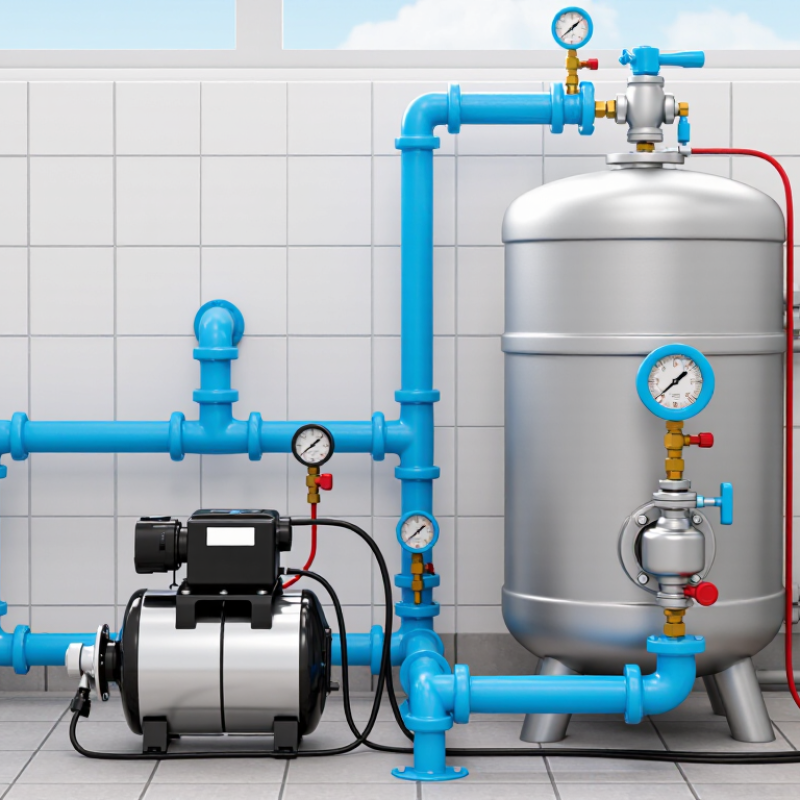
A water pressure vessel is a sealed tank that stores pressurized water for later use. Most models contain a flexible diaphragm or bladder. This barrier separates water from compressed air, helping maintain steady pressure in the pipework.

When a tap opens, the vessel supplies water before the pump starts. The pump then runs less frequently, which can reduce energy use and mechanical wear. You may notice fewer pressure swings at a shower, outdoor tap, or irrigation outlet.

In practical system checks, correct sizing matters more than appearance. A small vessel may cause frequent pump cycling. An oversized vessel can increase cost without providing useful performance. The right choice depends on flow demand, pump settings, water temperature, installation space, and local safety requirements.

A vessel is not a magic fix. Poor pre-charge pressure or a damaged bladder can still create unstable operation. That detail is easy to miss.

Tips: Check the pre-charge pressure with the water system isolated and empty. Follow the manufacturer’s technical data, and inspect the vessel regularly for corrosion, leaks, or unusual noise. If pressure changes remain severe, ask a qualified installer to test the pump, controls, and pipework together. One overlooked valve can change the diagnosis.

How Does a Water Pressure Vessel Work?

A water pressure vessel stores pressurized water and helps your system work more smoothly. Inside, a flexible diaphragm or bladder separates water from compressed air. When a tap opens, the stored water moves through the pipe before the pump starts. This reduces frequent pump cycling, which can improve motor life and lower energy use. When pressure drops to the switch setting, the pump runs and refills the vessel. As water enters, the air space compresses and pushes pressure back into the system.

The vessel does not create pressure by itself. It supports the pump and keeps pressure steadier during short periods of demand. In field inspections, incorrect air pre-charge is a common problem. Too little air may cause waterlogging, while too much can reduce usable storage. Vessel size also matters. A small tank may force repeated starts, while an oversized tank can increase cost without solving poor pipe design. The correct settings depend on pump capacity, system pressure, and expected water use.

Tips: Check the pre-charge with the vessel isolated and empty of water. Follow the equipment instructions, and use a reliable pressure gauge. Inspect connections for leaks, rust, or unusual vibration. Keep notes of pressure readings over time. A small change can reveal a larger fault. I should add that pressure vessels are not maintenance-free; neglecting them is an easy mistake, even in otherwise well-managed systems.

Why Choose a Water Pressure Vessel for Your System? - How Does a Water Pressure Vessel Work?

Data Dimension How It Works or What It Means Typical Data or Design Guidance System Benefit
Basic Operating Principle A water pressure vessel stores pressurized water so the pump does not need to start every time a small amount of water is used. A bladder or diaphragm separates the water from compressed air or nitrogen inside the tank. Provides a more stable water supply and reduces unnecessary pump operation.
Pressure Cycle When water is consumed, the compressed gas expands and pushes stored water into the piping system. When pressure reaches the pump cut-in setting, the pump starts and refills the vessel. Many domestic systems use a pressure-switch cycle such as 30/50 psi or 40/60 psi, depending on the installation design. Maintains usable pressure while reducing rapid pump cycling.
Pump Protection The vessel supplies water during short or intermittent demand periods, allowing the pump to remain off for longer intervals. Correct tank sizing is required; a larger tank generally provides more usable drawdown between pump starts. Helps reduce motor starts, heat buildup, mechanical wear, and electrical stress.
Drawdown Capacity Drawdown is the amount of water delivered between the pump shut-off pressure and the pump start pressure. Actual drawdown depends on tank volume, pressure settings, pre-charge pressure, temperature, and tank design. It is lower than the vessel’s total physical volume. Provides a practical basis for selecting a suitable vessel size.
Pre-Charge Pressure For a bladder tank, the air-side pre-charge supports the water pressure cycle and must be checked with the water side fully depressurized. A common starting guideline is approximately 2 psi below the pump cut-in pressure, subject to the tank manufacturer’s instructions and system requirements. Helps maximize drawdown and supports correct diaphragm movement.
Pressure Stability The stored water volume helps absorb small demand changes and smooths pressure fluctuations caused by pump starts and stops. Performance varies with vessel size, pump capacity, pipe friction, elevation, and the pressure-control settings. Improves comfort for showers, faucets, irrigation zones, and other intermittent outlets.
Water Hammer Reduction The vessel provides a compressible cushion that can help moderate sudden pressure changes when valves open or close. It should be used together with correctly sized piping, suitable valves, and other water-hammer control measures where necessary. Can reduce pressure surges and stress on pipes, fittings, and fixtures.
Common Applications Pressure vessels are used in private wells, booster pump systems, rainwater systems, irrigation systems, and building water-supply installations. Selection should consider potable-water approval, operating pressure, temperature, flow demand, and installation orientation. Supports reliable water delivery across a wide range of system types.
Material and Construction The vessel commonly consists of a steel shell, an internal bladder or diaphragm, an air valve, and water connections. Materials must be compatible with the water quality, pressure, temperature, and applicable local regulations. Provides a durable pressure-storage solution when correctly specified.
Sizing Inputs Vessel selection should be based on pump flow, required minimum run time, pressure-switch settings, demand pattern, and available installation space. Use the vessel’s rated drawdown data rather than total tank volume when comparing models. Helps prevent undersizing, excessive cycling, poor pressure control, and unnecessary energy use.
Maintenance Checks Routine inspection includes checking pre-charge pressure, connections, visible corrosion, leakage, and pressure-control operation. Pre-charge should be checked only when the water side is depressurized. Inspection intervals depend on system use and site conditions. Supports consistent performance and helps identify problems before failure.
Safety Considerations A water pressure vessel is a pressurized component and must be installed, operated, and serviced within its rated limits. Do not exceed the vessel’s maximum working pressure or temperature. Use a pressure-relief device where required by the system design and local code. Reduces the risk of equipment damage and unsafe overpressure conditions.

Note: Pressure values and sizing guidance are typical engineering references. The vessel’s certified rating, installation instructions, local plumbing regulations, and actual system requirements should always take priority.

What Benefits Does It Provide to a Water System?

Why Choose a Water Pressure Vessel for Your System?

A water pressure vessel stores pressurized water, so the pump does not start whenever a tap opens. This reduces short cycling, pressure swings, and mechanical stress. In a busy building, the result feels practical: steadier showers, quieter pipes, and fewer sudden pump noises. The International Energy Agency reports that water and wastewater services use about 4% of global electricity. Lowering unnecessary pump operation can therefore support efficiency, although the actual saving depends on system design.

Pressure vessels also help meet brief demand peaks. A morning shower, toilet flush, and washing machine may operate together. The vessel supplies part of that demand before the pump runs again. It can provide limited water during short interruptions, but it is not a full emergency supply. The U.S. EPA’s WaterSense program estimates that household leaks waste more than one trillion gallons annually in the United States. A vessel cannot repair leaking fixtures. It can, however, make pressure behavior easier to monitor when correctly installed.

Tips: Check the vessel’s usable drawdown, not only its total volume. Match pre-charge pressure with the pump and pressure switch settings. Inspect the air charge regularly. Oversizing may increase cost without improving comfort. Undersizing can cause frequent cycling. I have seen systems perform poorly because installers copied old settings without testing real peak demand. That shortcut deserves reconsideration.

Which Systems Need a Water Pressure Vessel?

Why Choose a Water Pressure Vessel for Your System?

Which Systems Need a Water Pressure Vessel?

A water pressure vessel suits systems that face changing demand, frequent pump starts, or unstable pressure. Domestic water supplies often benefit from one. When a tap opens, stored water can serve the outlet before the pump starts. This reduces cycling, noise, and mechanical wear. It can also maintain steadier pressure during short water demands, such as filling a toilet tank or washing hands.

Private wells commonly need a pressure vessel because well pumps should not start every few seconds. Irrigation systems may need one too, especially when several sprinkler zones operate unevenly. Booster systems in apartments, workshops, and small commercial buildings can also use vessels to soften sudden demand changes. However, vessel size depends on flow rate, pump capacity, pressure settings, and available space. A larger tank is not always better. I have seen systems oversized without improving comfort.

Tips: Check the pressure pre-charge with the vessel empty of water. Inspect fittings for corrosion or slow leaks. Keep the pressure switch settings within the pump’s rated range. If pressure still fluctuates, the issue may involve blocked filters, poor pipe sizing, or a failing check valve. Do not rely on appearance alone. A vessel can look sound while its internal diaphragm has weakened. Local installation requirements and a qualified technician’s assessment should guide the final selection.

How Should You Select and Maintain One?

Why Choose a Water Pressure Vessel for Your System?

Selecting the right water pressure vessel starts with your system’s actual demand. Check pump flow, pressure range, pipe size, and expected water usage. A vessel that is too small may cause frequent pump cycling. One that is oversized can waste space and money. Measure the available installation area, including room for inspection. For drinking-water systems, confirm that the vessel materials and certification meet local requirements. A qualified technician should verify the sizing calculation. It is easy to underestimate peak demand.

Maintenance protects both performance and safety. Isolate the vessel, shut down the pump, and release water pressure before checking pre-charge pressure. Use a reliable gauge, not guesswork. Inspect the shell, fittings, and nearby pipework for rust, dampness, or unusual noise. A leaking valve or slowly falling pressure deserves prompt attention. Never exceed the vessel’s rated pressure. Keep a written service record with dates, readings, and observed changes. My practical view is simple: even a good installation can drift over time.

Tips: Check pre-charge pressure according to the manufacturer’s instructions. Test the system when demand is low. Watch for rapid pump starts. Leave clear access around the vessel. If pressure readings seem inconsistent, stop adjusting and ask a licensed professional to investigate. Small errors can become expensive failures.

FAQS

What does a water pressure vessel do?

It stores pressurized water for short periods. This helps prevent the pump from starting whenever someone opens a tap.

How can it improve household comfort?

It can reduce pressure swings, pipe noise, and sudden pump sounds. Showers may feel steadier, especially during busy mornings.

Can a vessel reduce pump wear?

Yes, it can reduce frequent starting and stopping. However, savings depend on correct sizing and system settings.

Which systems commonly need one?

Private wells, domestic supplies, irrigation systems, and booster systems may benefit. Systems with changing demand often gain the most.

Does a larger vessel always work better?

No. An oversized vessel may waste space and money. An undersized one can still cause frequent pump cycling.

What should be checked before selecting a vessel?

Check pump flow, pressure settings, pipe size, peak demand, and installation space. Peak demand is easy to underestimate.

How should the vessel be maintained?

Shut down the pump and release water pressure before checking pre-charge pressure. Use a reliable gauge and record each reading.

What warning signs need attention?

Watch for rapid pump starts, falling pressure, damp fittings, rust, or unusual noise. A sound-looking vessel may still have a weakened diaphragm.

Can a pressure vessel provide emergency water?

It can supply limited water during a short interruption. It is not a complete emergency storage system.

What mistakes should installers avoid?

Do not copy old settings without testing actual demand. Check valves, blocked filters, and poor pipe sizing may also cause unstable pressure.

Conclusion

A Water Pressure Vessel is a sealed tank designed to store pressurized water and support stable performance in a water supply system. It works by combining water with compressed air or another gas separated by a flexible membrane. When water enters the vessel, the gas is compressed and stores energy. As demand increases, this stored pressure pushes water into the system, reducing the need for the pump to start every time a tap or appliance is used.

Using a Water Pressure Vessel can help maintain more consistent water pressure, reduce pump cycling, lower energy consumption, and extend the service life of system components. It is useful in residential water supplies, well systems, irrigation installations, and other applications with changing water demand. Selecting the right vessel requires consideration of system pressure, water flow, tank capacity, connection size, and operating conditions. Regular inspection of pressure settings, valves, connections, and the internal membrane can help ensure safe, efficient, and reliable operation.

Madeline

Madeline

Madeline is a dedicated marketing professional with a wealth of expertise in our company's core offerings. With a keen understanding of the industry, she brings a unique perspective to her role, consistently delivering high-quality content that highlights the superior aspects of our products. As......