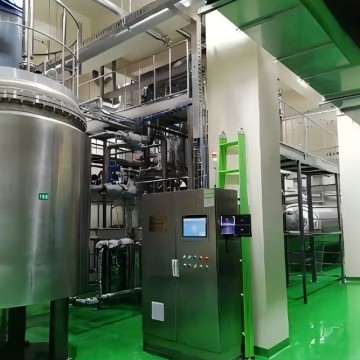
Explore our top-tier engineering solutions, certified under A2 Pressure Vessel standards and engineered for maximum operating performance.
Unifying Cryogenic Science with Precision Heavy Fabrication
In the rapidly evolving landscape of global clean energy transitions and strict biochemical containment, the design integrity of industrial pressure vessels has emerged as a cornerstone of operational safety and efficiency. As a preeminent China Leading Pressure Vessel Manufacturer & Factory, Hebei Hongke Qingneng Environmental Protection Equipment Co., Ltd. represents the synthesis of academic research and advanced manufacturing capacity. Established in June 2021 with a registered capital of 78 million yuan, we operate within the Sanhe Economic Development Zone, Langfang City—a strategic industrial corridor adjacent to Beijing.
"We bridges the gap between complex thermodynamic theory and rigorous industrial fabrication, producing safety-critical process assemblies that power critical sectors worldwide."
Our business model is built around precision non-standard pressure vessels, deep cryogenic recovery plants (Methane, Helium, LNG), volatile organic compound (VOC) processing units, and high-pathogen bio-waste sterilizing equipment. Backed by rigorous quality control and the industry's most advanced thermodynamic analysis, we deliver engineered components that withstand extreme thermal fluctuations and high-pressure dynamics.
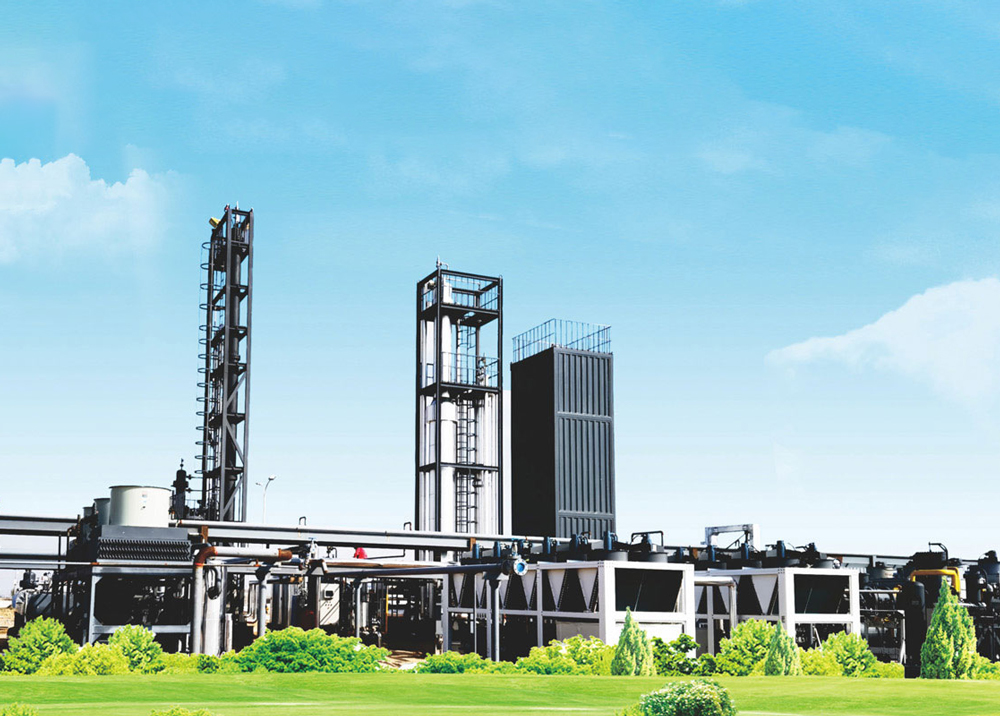
Led by PhD researchers from the Chinese Academy of Sciences (CAS), we deploy unrivaled engineering expertise.
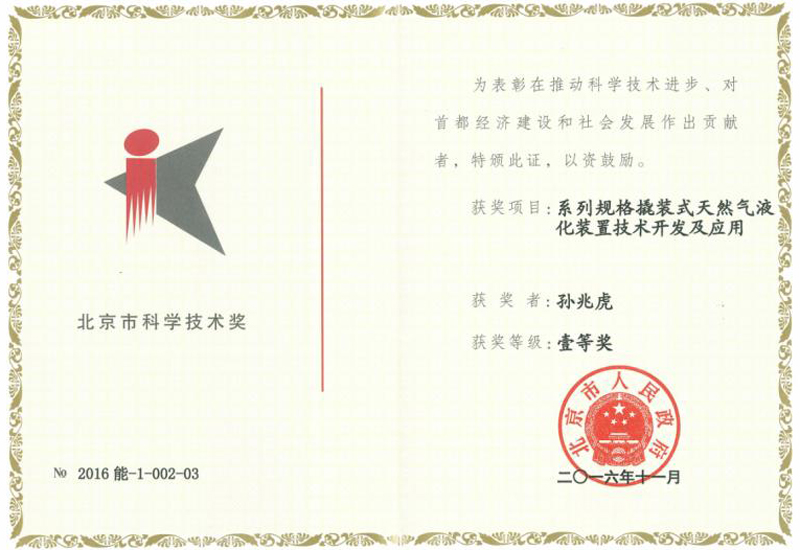
Holding a Doctorate from the prestigious Institute of Physics and Chemistry Technology, Chinese Academy of Sciences, Dr. Sun is a National Senior Engineer. He has directed several national science initiatives, including the National 863 Program and major special research funds for key aerospace and defense projects. Winner of the First Prize of Science and Technology of China Coal Industry and the Special Prize of Technological Invention of the Chinese Society of Refrigeration, his academic and practical background underpins our advanced cryogenic solutions.
A Senior Engineer at the Chinese Academy of Sciences' Institute of Physics and Chemistry Technology, Dr. Zou oversees business operations. He has authored over 24 academic papers (11 indexed in SCI/EI) and holds numerous patents. Under his technical leadership, the team secured the Special Award of the China Refrigeration Society Technological Invention Award and the Silver Medal of the 19th China International Industry Expo.
Dr. Cheng holds a Doctorate of Engineering from the Chinese Academy of Sciences. He is widely recognized for his breakthrough research on the thermodynamic properties and phase change heat transfer characteristics of mixed working mediums. Dr. Cheng has led the design of multiple large-scale industrial liquefaction plants, proving his exceptional ability to translate thermal theoretical frameworks into physical skid-mounted processes.
We combine advanced metallurgy, precise calculation software, and rigorous testing protocols.
Licensed for high-pressure industrial equipment design and fabrication, complying with GB 150 code provisions, and aligned with ASME Section VIII Div. 1 & 2 standards for global compatibility.
Specialized systems engineered to operate in critical thermal zones ranging from -40°C down to deep cryogenic levels of -180°C, vital for helium extraction and BOG recovery.
Certified under the Sinopec HSSE and China Petroleum Health, Safety, and Environment Management Systems, adhering to strict corporate standards for oil & gas projects.
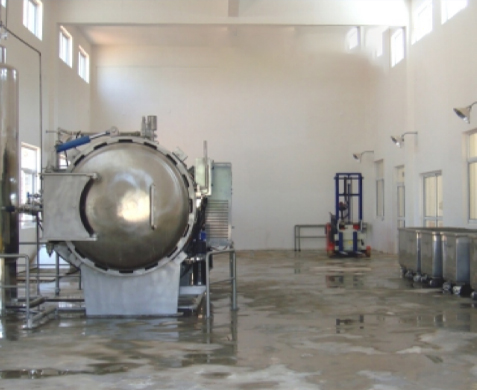
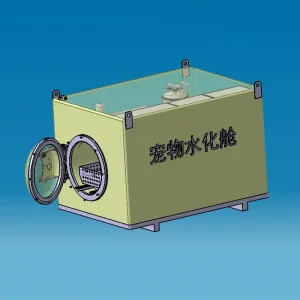
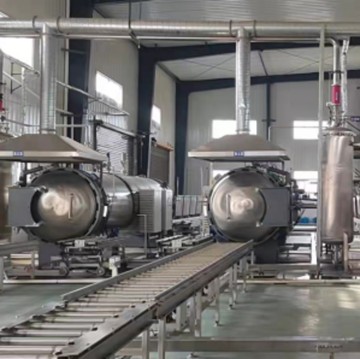
Providing specialized autoclave shells, animal tissue hydrolysis systems, and toxic wastewater treatment vessels engineered to prevent biological or chemical leaks.
Powering clean energy transitions, recovery of industrial gases, and ecological protection.
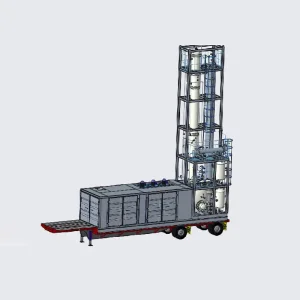
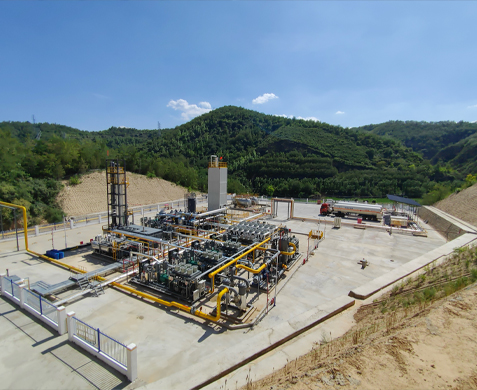
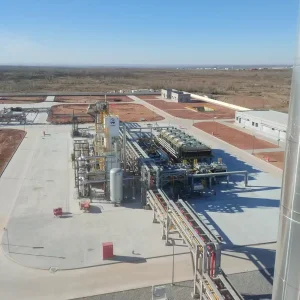
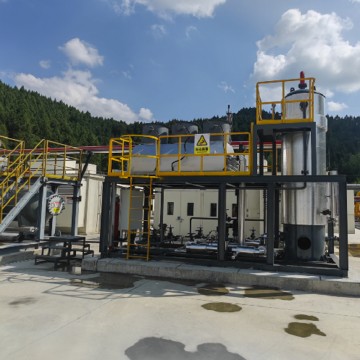
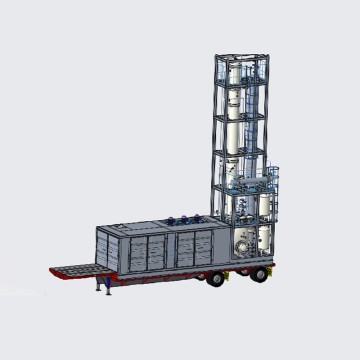
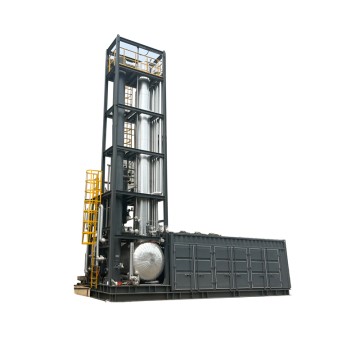
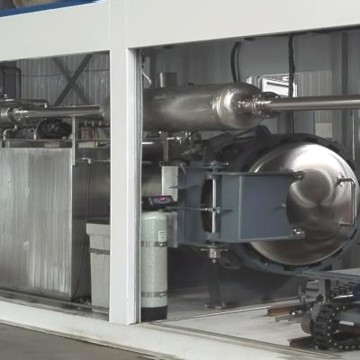
The roadmap for advanced pressure vessel fabrication is increasingly defined by modularity, integration of smart monitoring sensors, and the use of ultra-durable alloys. At Hongke Qingneng, our systems integrate advanced metallurgy with skid-mounted design principles. By assembling pipelines, valves, instruments, and pressure vessels onto a unified structural frame, we eliminate the complexities of on-site fabrication, reducing installation timelines by up to 60%.
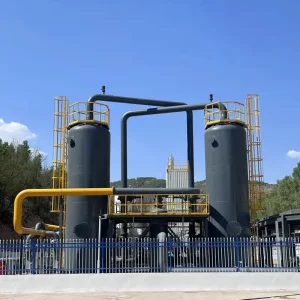
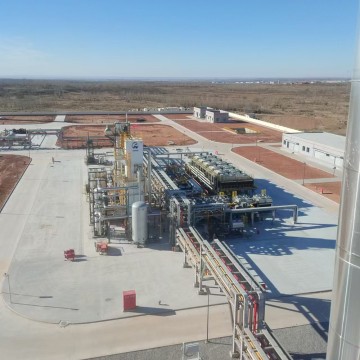
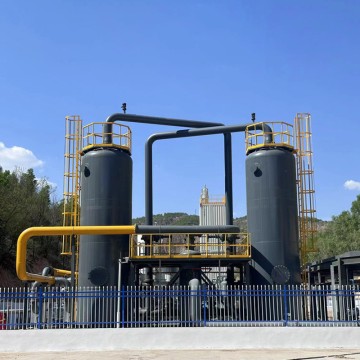
Our focus on Natural Gas Purifying & Liquefaction Systems plays a vital role in capturing associated gas and coalbed methane. By utilizing our proprietary mixed refrigerant cycle (MRC) technology, remote oilfields and gas wells can easily monetize scattered flare gas. This not only prevents environmental pollution but also provides an alternative energy source for localized communities.
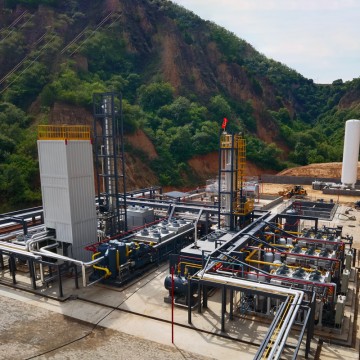
In parallel, our engineering group focuses on Industrial Helium Extraction from BOG (Boil-Off Gas). Helium is a rare resource crucial for aerospace applications, MRI systems, and semiconductor fabrication. By combining cryogenic separation with ultra-tight seal integrity, we deliver helium extraction skids that help reclaim valuable gas from LNG storage boil-off, generating a secondary revenue stream for plant operators.
Removing hydrogen sulfide (H₂S) and carbon dioxide (CO₂) using chemical wash absorption columns, ensuring clean input for liquefaction stages.
Condensing natural gas to liquid state at -162°C under slight pressures, reducing storage volume requirements by over 600 times.
Deploying cryogenic distillation columns that operate close to absolute zero to separate helium from complex hydrocarbon matrix gases.
Employing carbon bed adsorption, direct condensation, or thermal catalytic recovery, reducing hazardous solvent emissions by over 99%.
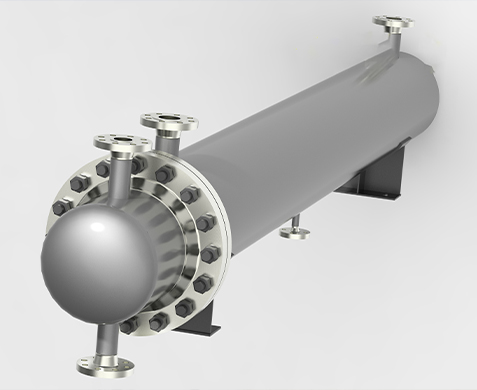
Supply Chain Resilience, Automation, and Logistics
Sourcing critical equipment from China goes beyond simple cost benefits—it is about leveraging a highly integrated industrial ecosystem. Our production facilities in Sanhe enjoy direct partnerships with major domestic steel mills, securing premium-grade steels (such as Q345R, 16MnDR, and 304/316L stainless steel) with full traceability and Mill Test Certificates (MTC).
By integrating automated welding stations, high-accuracy CNC rolling machines, and advanced digital radiography testing rooms, we assure precision manufacturing at every stage. This level of vertical integration means shorter lead times, consistent weld quality, and lower structural costs compared to Western competitors.
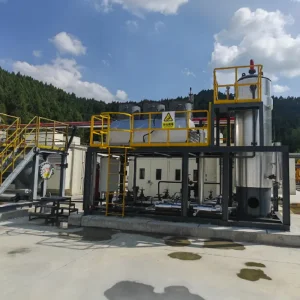
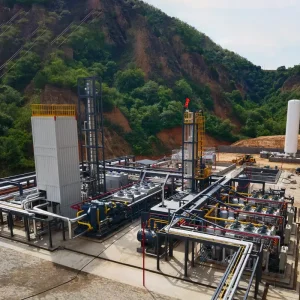
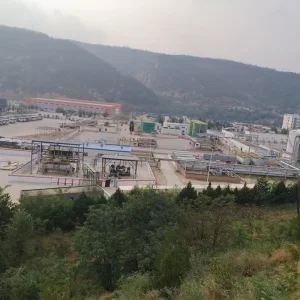
Proof of performance in challenging operational fields across the globe.
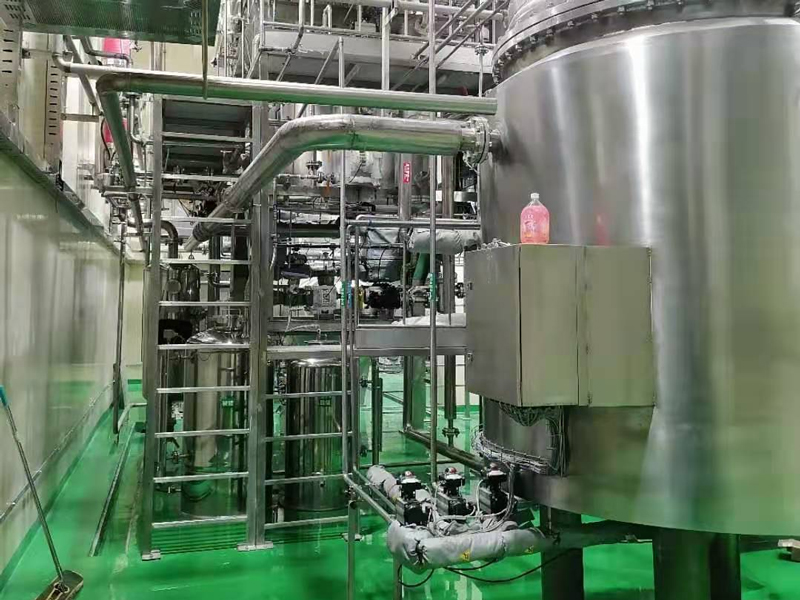
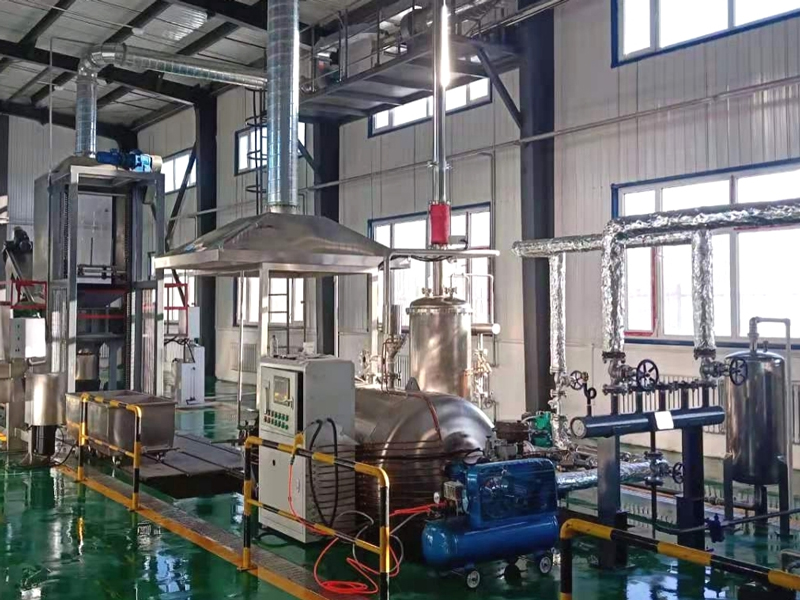
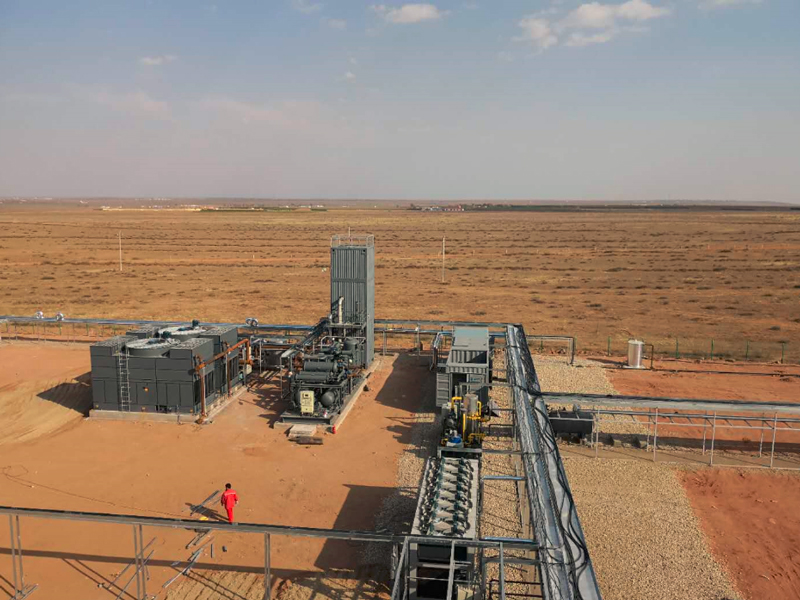
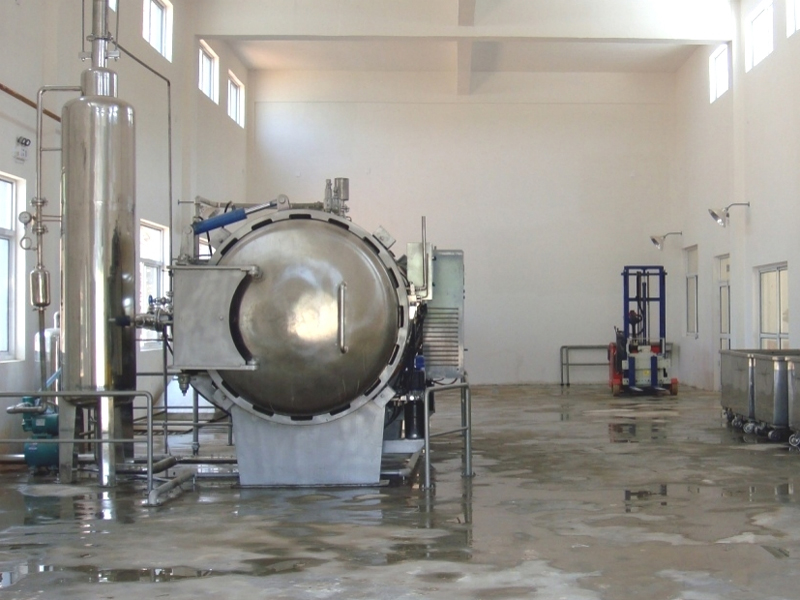
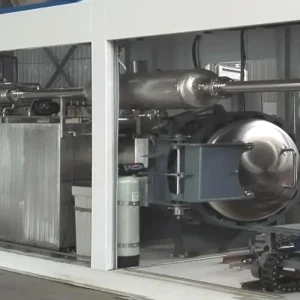
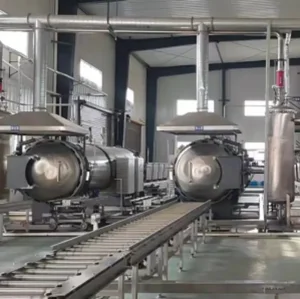
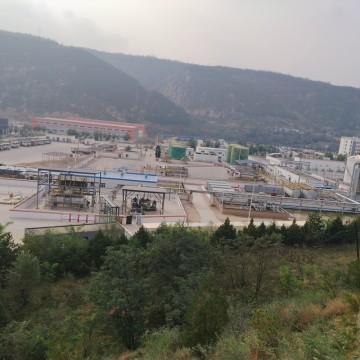
Advanced assembly processes inside our certified Langfang production facilities.
Custom environmental systems, gas purification packages, and industrial refrigeration.
 Environmental Protection & Waste Management
 Natural Gas & CBM Processing
 Non-Standard Customized Vessels
 Ultra-Low Industrial Refrigeration
In-depth answers about pressure vessel construction, design codes, and system operations.
Explore our targeted product range below, built to support green production and high-efficiency operations.
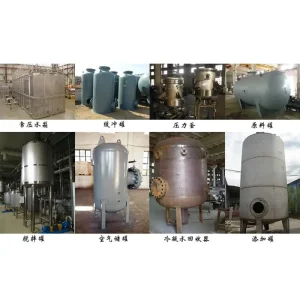
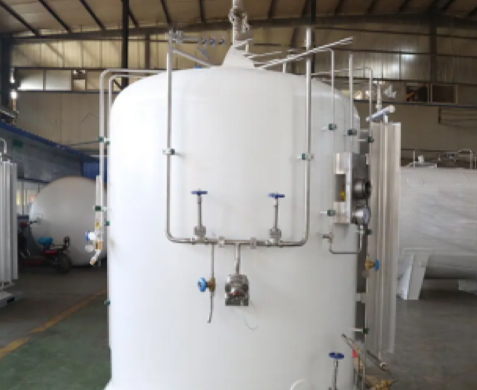
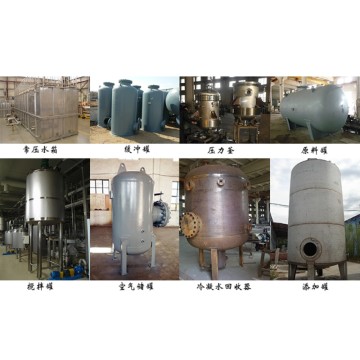
A closer look at our specialized non-standard pressure vessels and liquefaction units.
Connect with our senior engineering team to discuss your pressure vessel specifications, design requirements, and custom calculations.
✓ Fast response from qualified senior engineers
✓ Complete ASME / CE-PED alignment reviews
✓ Detailed skid-mounted process layout previews
 Hongke Qingneng