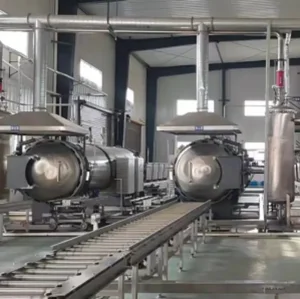
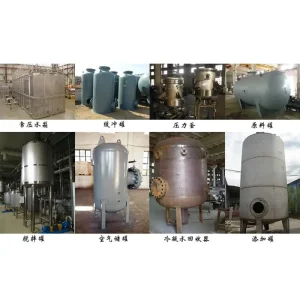
Explore our primary array of high-temperature high-pressure vessels, custom skid assemblies, and advanced purification systems engineered to international specifications.
Established in June 2021 with a substantial registered capital of 78 million yuan, Hebei Hongke Qingneng Environmental Protection Equipment Co., Ltd. represents the absolute frontier of energy conservation, cryogenic engineering, and industrial pressure vessel manufacturing. Located in the high-tech industrial cluster of Sanhe Economic Development Zone, Langfang City, our facility integrates high-precision thermal dynamics engineering with state-of-the-art metal fabrication.
Our company specializes in the R&D and fabrication of class-leading A2 pressure vessels, high-performance stirred autoclaves, gas purification modules, BOG tail gas helium extraction units, industrial refrigeration plants operating between -40℃ and -180℃, and highly integrated skid-mounted liquefaction assemblies. Powered by academic collaboration with top-tier research institutes, we transition complex fluid dynamics into operational machinery.
Our plant operates under strict execution of ISO 9001:2016 Quality Management, holding A2-level Pressure Vessel Manufacturing Licensure, Pressure Pipeline Component Manufacturing Licensure, and official Sinopec HSSE / China Petroleum Health, Safety and Environment Management System certifications.
Our core design and engineering capabilities are anchored by senior researchers and engineers from Tsinghua University and the Institute of Physics and Chemistry Technology, Chinese Academy of Sciences (CAS).
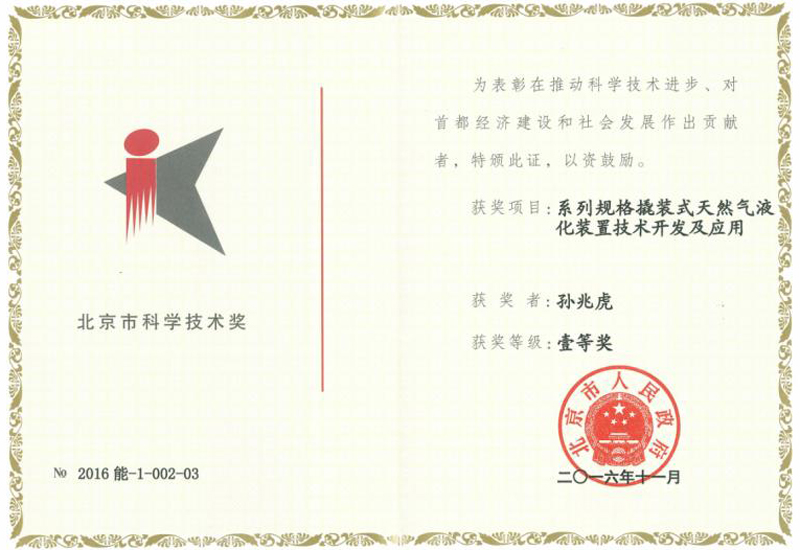
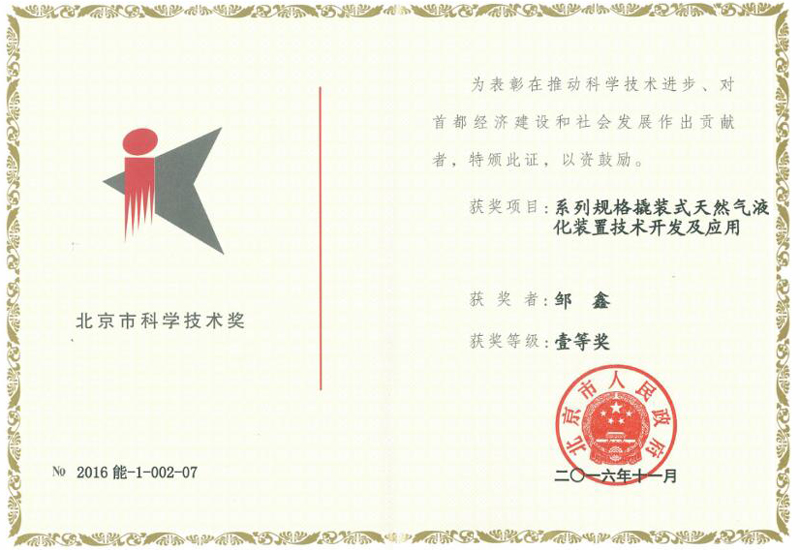
Obtained his Ph.D. from the Institute of Physics and Chemistry Technology, CAS. A National Senior Engineer, Dr. Sun has led multiple National 863 Program projects, Natural Science Foundation projects, and aerospace-defense programs. Recipient of the Special Prize of Technological Invention from the Chinese Society of Refrigeration (2015) and the First Prize of Beijing Science and Technology Award (2016). Over his career, he has successfully converted 20+ patents into large-scale active industrial systems.
Ph.D. candidate and Senior Engineer from the Institute of Physics and Chemistry Technology, CAS. Dr. Zou has managed over 50 projects spanning skid-mounted liquefaction, tail gas recycling, and special-alloy stirred reactors. He has published 24 domestic and international academic papers (11 indexed in SCI/EI) and holds multiple invention patents. He won the Beijing Science and Technology Award First Prize in 2016 and the Silver Medal of the 19th China International Industry Expo.
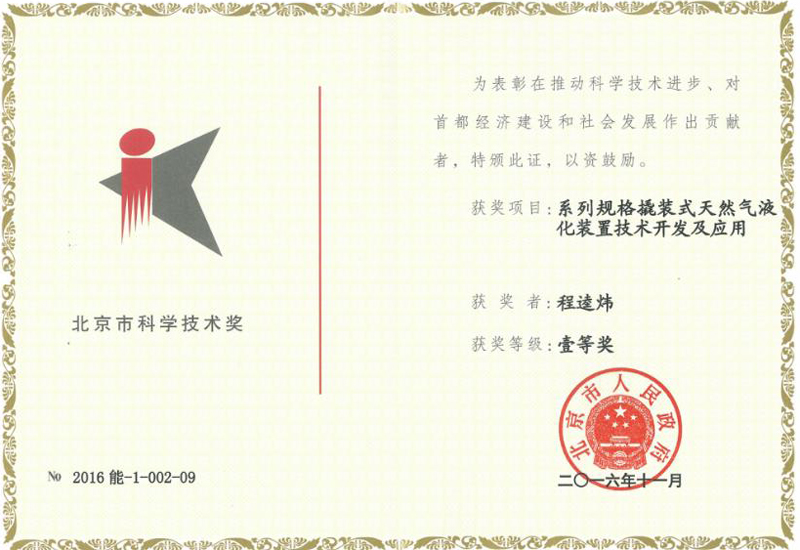
Doctor of Engineering from the Institute of Physics and Chemistry Technology, CAS. Dr. Cheng is a leading expert in mixed working medium phase change heat transfer and flow characteristics. He has overseen the practical execution of complex chemical reactors and gas liquefaction skids. Winner of the 2015 Special Prize of Science and Technology Award of the Chinese Refrigeration Society, he ensures that our custom pressure vessels achieve maximum thermal efficiency and structural integrity.
In modern chemical synthesis, polymerization, catalyst evaluation, and hydrometallurgy, the requirement for zero-leakage, high-temperature, and high-pressure reactions has driven the evolution of the stirred autoclave. Unlike standard pressure vessels, a stirred autoclave integrates a mechanical or magnetic drive system that allows constant mechanical agitation of high-viscosity or multi-phase media under extreme hermetic conditions.
Standard mechanical seals rely on dynamic contact surfaces which are prone to degradation under high-pressure gas phases, toxic vapors, or highly corrosive solvents. The premium stirred autoclaves manufactured by Hebei Hongke Qingneng feature advanced magnetic drive couplings (mag-drives).
The mag-drive uses an outer magnet rotor driven by an electric motor, which magnetically links to an inner magnet rotor housed within a solid containment shell (isolation sleeve). This static isolation barrier completely eliminates dynamic seals, ensuring a leak-free containment standard necessary for reactions involving flammable hydrogen gas, superheated solvents, and toxic reagents.
Depending on the chemical reactions involved—such as acidic hydrolysis, polymerization, or oxidation—the selection of wet-part metallurgy is critical. Our factory supports a wide range of materials:
Stirred autoclaves require precise heat exchange surfaces. We utilize dual-zone heating jackets (electrical heating bands or thermal fluid jackets) combined with internal cooling coils. Utilizing the thermal engineering principles developed by our CAS research partners, our heat exchanger profiles are optimized to avoid hot-spotting, thus preventing catalyst deactivation or runaway exothermic polymerizations.
Combining localized industrial chain integration with global safety standards (ASME, PED, CE, GB).
Langfang’s strategic location within the Beijing-Tianjin-Hebei industrial belt allows us to source premium certified raw materials, forgings, and high-precision mechanical valves within a 150km radius, reducing logistical lead times drastically.
Our direct connection to Tsinghua University and the Chinese Academy of Sciences guarantees that complex fluid dynamics, cryogenic phase-changes, and non-destructive stress analyses are engineered by China's leading thermodynamic scientists.
Every single stirred autoclave and pressure vessel goes through an extensive quality inspection routine including radiography (RT), ultrasonic testing (UT), dye penetrant checks (PT), magnetic particle testing (MT), and hydrostatic testing.
We don't just sell components; we deliver integrated turn-key industrial skids. Global procurement teams often face challenges integrating high-pressure reactors with external auxiliary units. Our company specializes in combining custom stirred autoclaves, gas purification skids (deacidification, dehydration, heavy hydrocarbon removal), and industrial refrigeration units (-40℃ to -180℃) into single, pre-commissioned, skid-mounted assemblies.
This modular construction methodology means that overseas engineering companies can simply position our skid, connect the process pipelines and electrical controls, and begin operations. The reduced site installation time translates to significant capital expenditure savings.
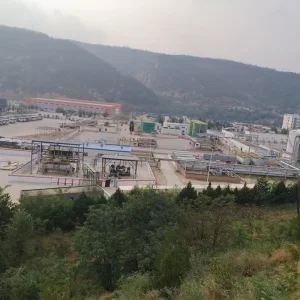
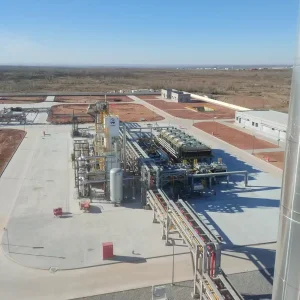
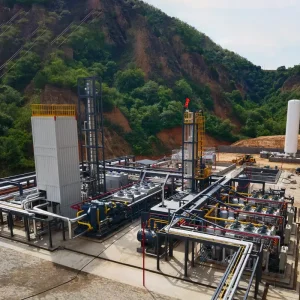
Visual evidence of active project deployments across hazardous waste treatment, petrochemical research, and energy recovery.
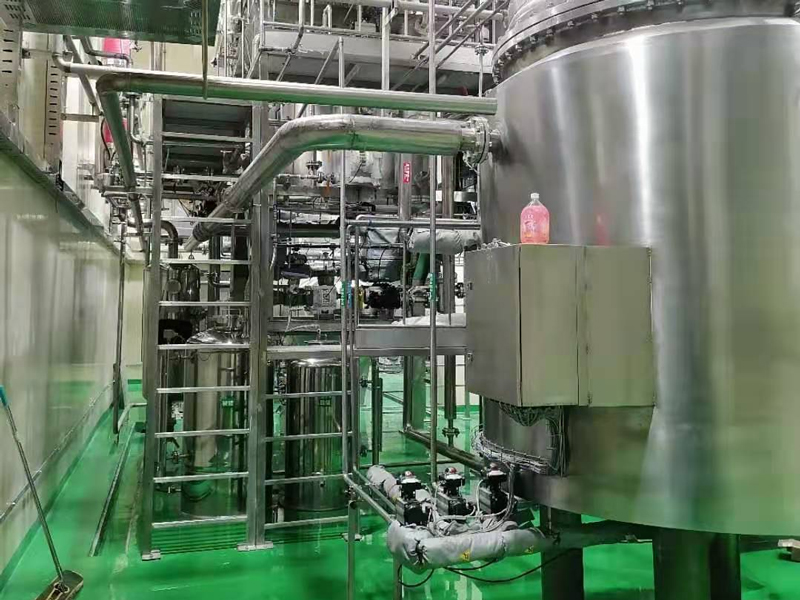
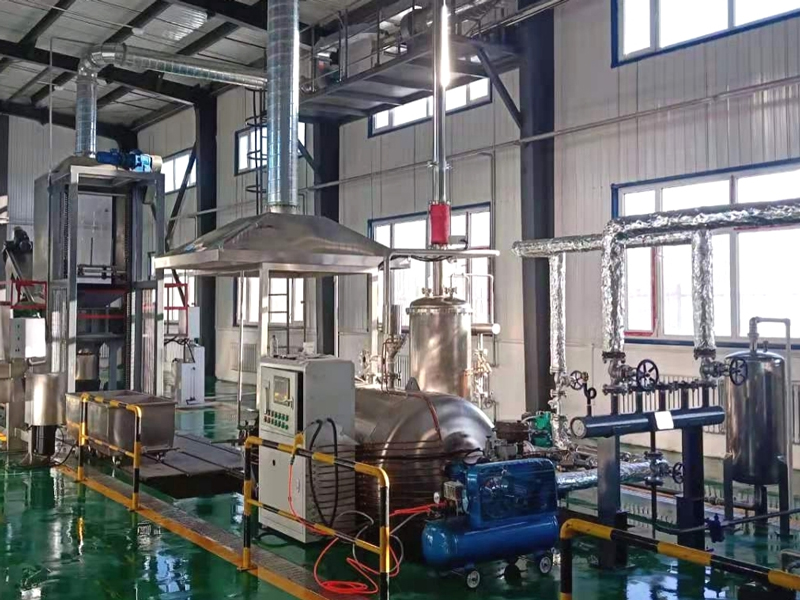
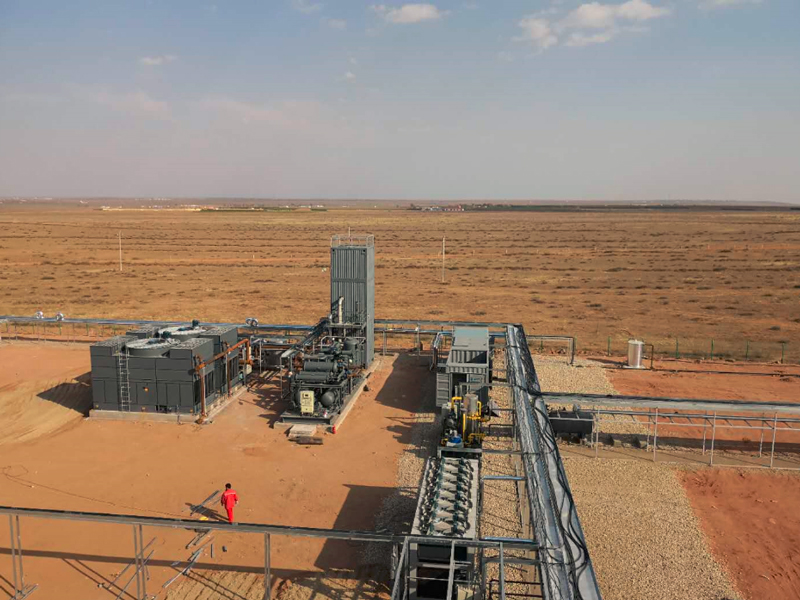
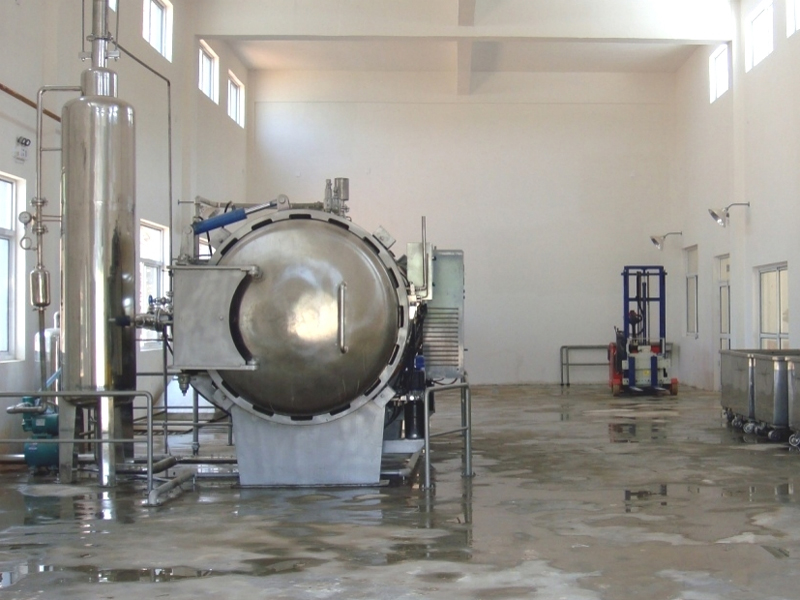
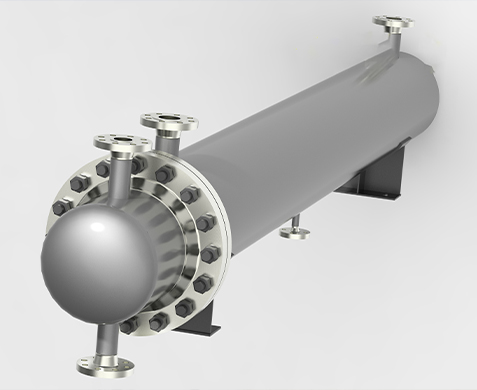
We service four distinct industrial categories under one unified technological framework.

Specialized centralized medical waste high-temperature steam autoclaves, mobile disposal equipment, and biological wastewater sterilizers.

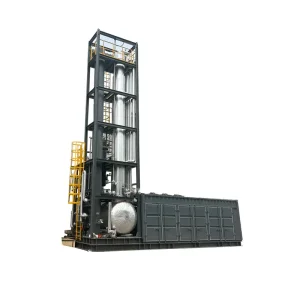
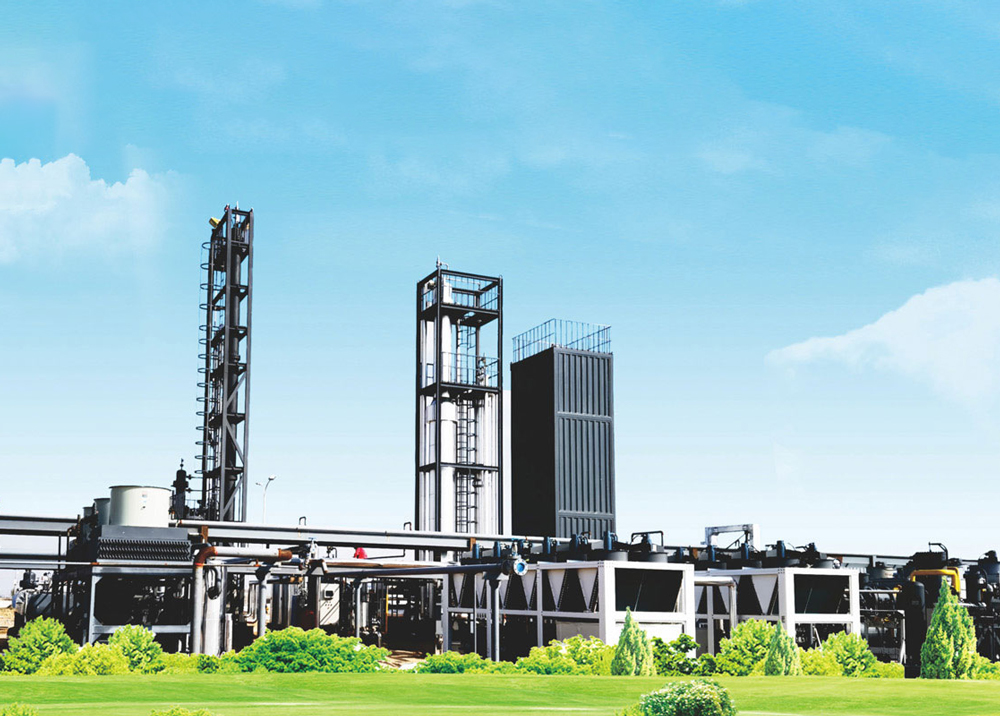
Skid-mounted natural gas and coalbed methane liquefaction plants, acid gas extraction columns, dewatering and hydrocarbon recovery skids.

Custom stirred autoclaves, shell and tube heat exchangers, high-temperature reactors, experimental test benches, and hot air furnaces.

Advanced refrigeration machines operating down to -180℃, deep freeze dryers (-100℃), vacuum cold traps (-135℃), and BOG tail gas helium recovery.
Crucial information compiled by our R&D directors to assist engineering and procurement professionals.
A further collection of specialized equipment, medical steam sterilizers, and non-standard pressure vessels manufactured at our facility.
Below are the primary model classes engineered and manufactured directly in our Langfang facility.
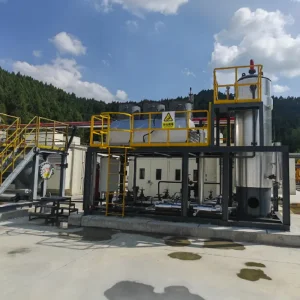
High-efficiency recovery unit designed to capture and process light hydrocarbons and acidic exhaust streams.
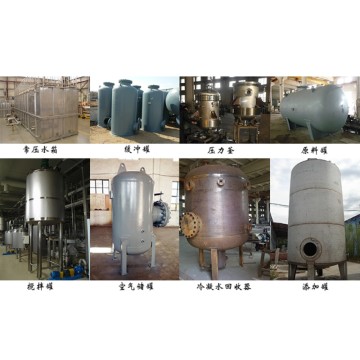
Tailor-made stirred reactors and storage vessels conforming to custom sizing, volume, and chemical limitations.
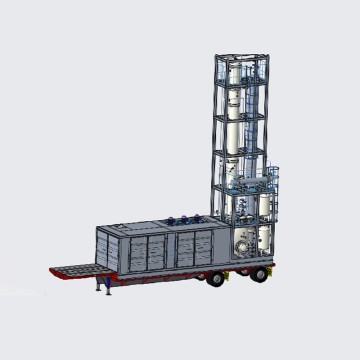
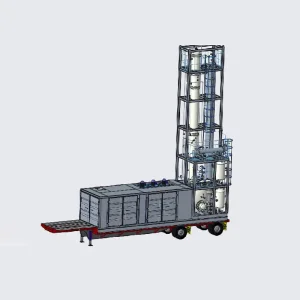
Mobile energy solutions utilizing advanced cryogenics to liquefy natural gas directly at the well-head.
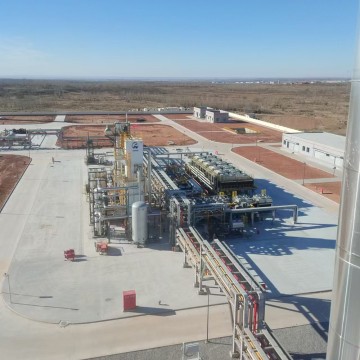
End-to-end design, construction, monitoring, and thermal upgrades for LNG production facilities.
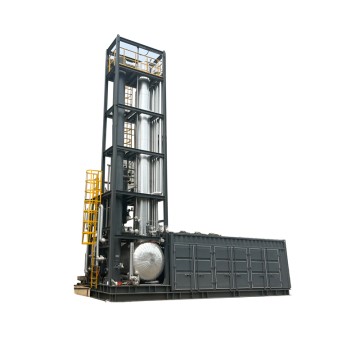
Molecular sieve dehydration columns and chemical absorption systems for raw industrial gases.
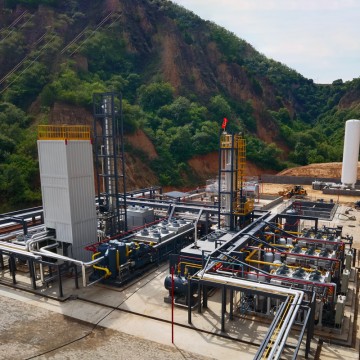
Highly integrated processing layouts utilizing proprietary mixed-refrigerant cryogenic systems.
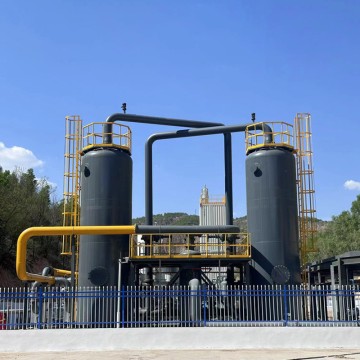
Custom scrubbing units engineered to reduce sulfur compound emissions in chemical processing tail gas.
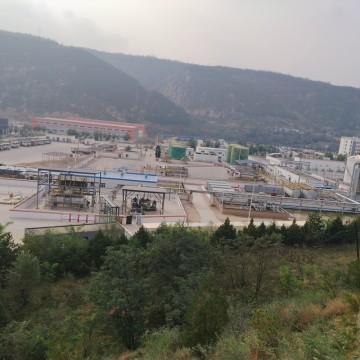
Multi-stage gas purification configurations designed to degrade and neutralize complex organic compounds.
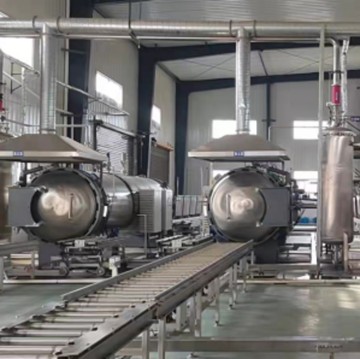
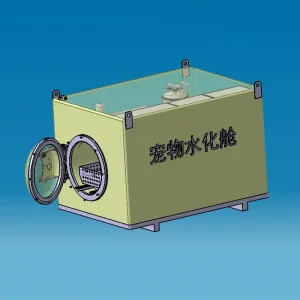
High-capacity pressure containment system utilizing thermal saturation kinetics to neutralize biomedical biohazards safely and efficiently.
The industrial demand for high-pressure reactor vessels is undergoing a significant transition toward automation, high safety coefficients, and integration with green chemical production. Four main developmental trends define the current state of high-pressure stirred autoclave engineering:
Modern chemical and gas processing plants require absolute visibility of internal reaction kinetics. Modern stirred autoclaves are no longer isolated mechanical components; they are increasingly integrated with arrays of high-precision sensors. Dynamic measuring systems for torque, internal slurry viscosity, dual-zone temperature profiles, and real-time gas consumption rates feed into local SCADA interfaces and central PLC cabinets. By establishing digital models (digital twins) of pressure vessels, industrial users can predict seal maintenance cycles, anticipate exothermic reaction spikes, and optimize batch processing parameters.
Global petrochemical and environmental engineering firms are progressively moving away from site-built processing arrays in favor of modular skid-mounted integration. Integrating the stirred autoclave with its corresponding feed pumps, heat transfer units, gas scrubbers, and electronic controls on a single structural frame ensures that all high-pressure interfaces are aligned, sealed, and pressure-tested under ideal factory conditions. This reduces onsite pipeline fitting errors, cuts down commissioning schedules, and significantly reduces construction cost factors.
In fields such as coalbed methane recovery, shale gas purification, and helium extraction, processing components must operate across extreme thermal gradients. Modern reactor and containment designs must transition seamlessly from cryogenic phases (as low as -180℃ for liquefaction) to high reaction temperatures. The selection of sealing polymers (such as specialized Kalrez grades or metal C-rings) and raw alloy plates (such as low-temperature carbon steels or stabilized nickel alloys) is critical to preventing thermal stress cracking and maintaining containment integrity during rapid thermal cycling.
Environmental regulations worldwide have made the recovery of fugitive VOC (Volatile Organic Compound) gases, tail gases, and hazardous biological waste mandatory. Pressure vessel manufacturers are adapting by designing multi-stage purification reactors and thermal hydration chambers that neutralize compounds efficiently, using steam or catalyst beds rather than high-carbon thermal incineration. This shift is driving demand for A2-certified autoclaves specialized in wet-air oxidation and safe high-temperature hydrolysis.
Let our Ph.D.-led engineering team design, analyze, and construct your custom stirred autoclave or skid-mounted purification system.
Whether you require high-pressure Hastelloy chemical reactors, centralized medical waste autoclaves, or mobile gas liquefaction skids, Hebei Hongke Qingneng Environmental Protection Equipment Co., Ltd. provides comprehensive one-stop solutions. We deliver complete material test reports, stress calculations, and certified manufacturing drawings for every custom system.
 Hongke Qingneng