Explore our engineered industrial gas recovery systems, custom thermal exchange equipment, and environmental protection plants manufactured under rigorous international certifications.
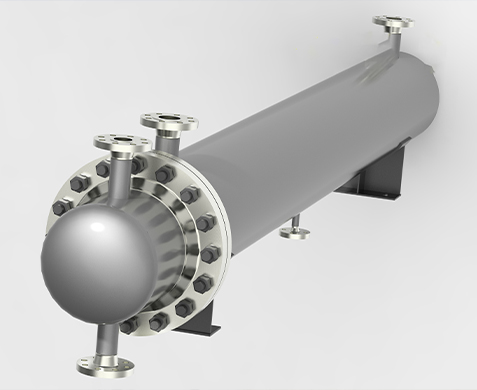
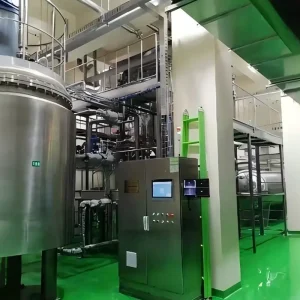
In the modern processing landscape, thermal dynamics must align perfectly with uncompromising hygiene. Sanitary heat exchangers (including shell-and-tube and double-tube sheet configurations) are critical in preventing cross-contamination between process fluids and utility streams. Unlike standard industrial heat transfer units, sanitary designs require a comprehensive understanding of bio-compatibility, fluid dynamics, and metallurgy.
Global market transitions indicate that key process sectors, such as pharmaceutical API synthesis, high-purity water systems (WFI), bio-engineering research, and veterinary processing, are upgrading their standards. To achieve complete biological safety, modern systems must be self-draining, crevice-free, and capable of undergoing continuous CIP (Clean-in-Place) and SIP (Sterilize-in-Place) procedures.
High-purity environments demand that all process contact surfaces undergo advanced mechanical polishing and electrochemical passivation. Achieving a surface roughness measurement (Ra) of less than 0.4 μm prevents micro-bacterial adhesion and corrosion.
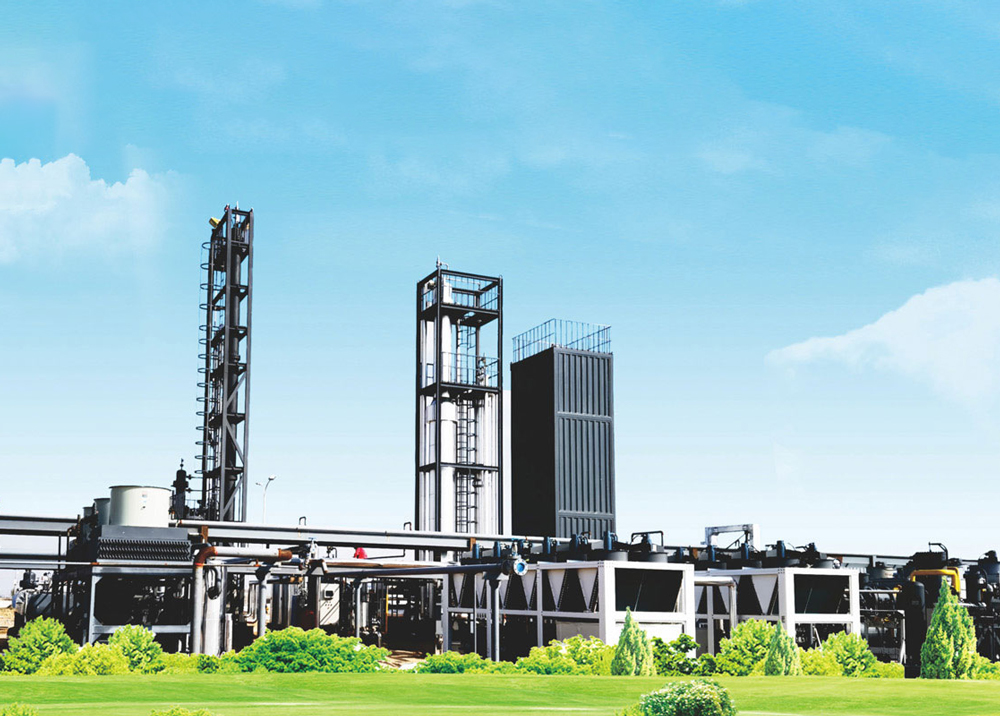
Global engineering procurement teams in Europe, North America, and Southeast Asia face complex decisions when sourcing sanitary heat exchangers and custom skid-mounted process equipment. Sourcing managers evaluate suppliers based on mechanical reliability, international certification compliance (such as ASME, CE-PED, and ISO), and the total cost of ownership (TCO).
China's specialized industrial clusters, such as the Sanhe Economic Development Zone, facilitate streamlined raw material sourcing, forging processes, precision machining, and non-destructive testing (NDT). This integration reduces lead times by up to 35% compared to regional competitors.
Reliable factories conduct comprehensive quality assurance testing, including helium leak testing, hydrostatic pressure tests, radiographic weld inspections, and dye-penetrant testing, to guarantee leak-free operation in sensitive biological settings.
Hygienic processing environments often require unique geometric space configurations and thermal duties. Chinese suppliers provide customized engineering capabilities using CAD/CFD simulations to design optimized shell-and-tube setups.
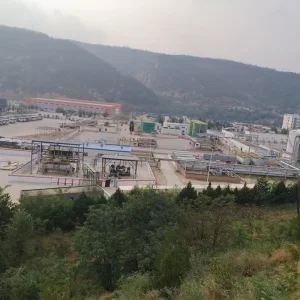
Established in June 2021 with a registered capital of 78 million yuan, Hebei Hongke Qingneng Environmental Protection Equipment Co., Ltd. is located in the Sanhe Economic Development Zone, Langfang City. We focus on the research, development, and manufacturing of energy conservation, environmental protection, and custom high-pressure heat exchange systems.
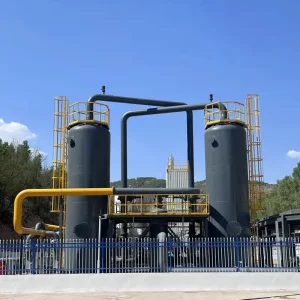
Our product line includes A2-level pressure vessels, medical waste high-temperature steam treatment equipment, biological wastewater treatment systems, skid-mounted gas processing units, VOC exhaust recovery installations, and industrial refrigeration equipment.
Our engineering team includes research specialists from Tsinghua University and the Institute of Physics and Chemistry Technology, Chinese Academy of Sciences (CAS). By combining academic research with industrial manufacturing, we have acquired multiple independent intellectual property patents for thermal processes and gas recovery systems.
The company holds the A2-level pressure vessel manufacturing license, pressure pipeline component manufacturing license, GB/T19001-2016 quality system certification, and the Sinopec HSSE / China Petroleum Health, Safety, and Environment Management System certifications.
Ph.D. graduate from the Institute of Physics and Chemistry Technology, CAS, and a National Senior Engineer. He has led projects within the National 863 Program and the Natural Science Foundation. His research has received the Beijing Science and Technology Award (First Prize) and the Technological Invention Award from the Chinese Society of Refrigeration.
Ph.D. candidate at the Institute of Physics and Chemistry Technology, CAS. He has managed several major aerospace, military, and corporate technology development partnerships. He has published 24 academic papers (11 SCI/EI indexations) and holds 5 patents in cryogenic and fluid thermal control processes.
Ph.D. in Engineering from the Institute of Physics and Chemistry Technology, CAS. His research focuses on phase change heat transfer, flow dynamics of mixed working mediums, and thermal fatigue management. He has led the engineering design of over 50 skid-mounted liquefaction and thermal recovery units.

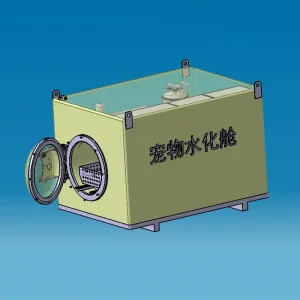
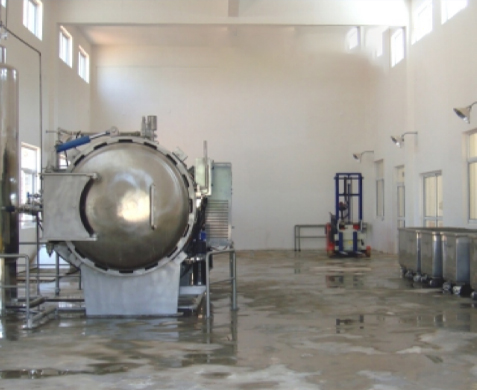
High-temperature steam treatment systems for medical and biological waste, and animal tissue hydrolysis units.

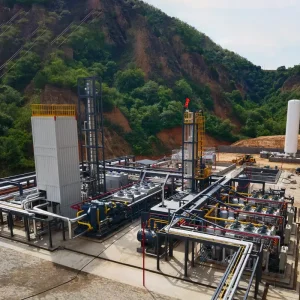
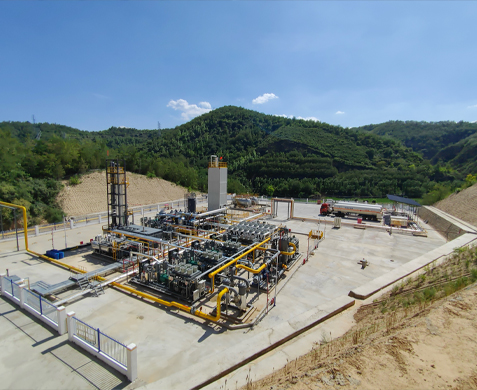
Deacidification, dehydration, and skid-mounted liquefaction solutions for natural gas, coalbed methane, and associated gas.

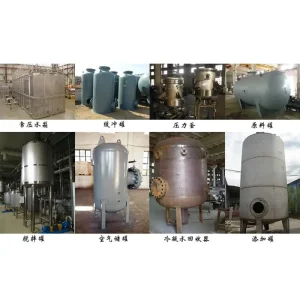
A2 non-standard pressure vessels, double tube sheet sanitary heat exchangers, and industrial shell-and-tube systems.

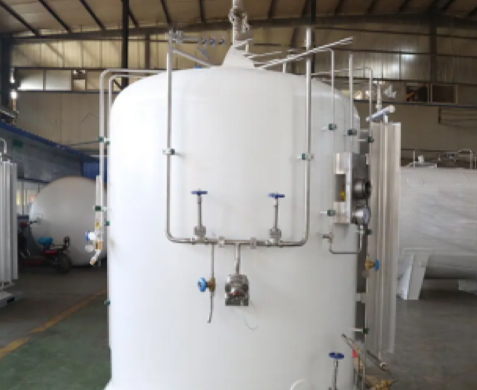
Ultra-low temperature systems (-40℃ to -180℃), vacuum cold traps, and BOG helium extraction systems.
Our engineered solutions are deployed across municipal waste management, research laboratories, petrochemical sites, and environmental processing facilities.
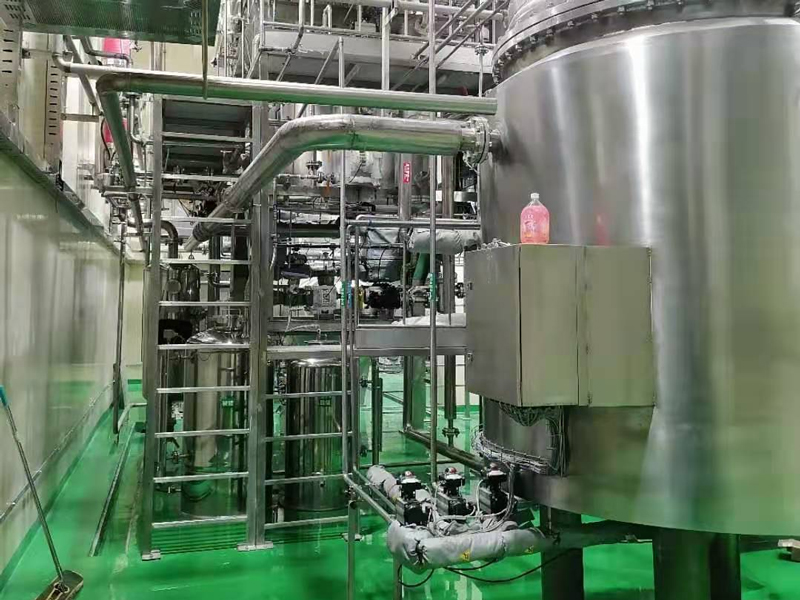
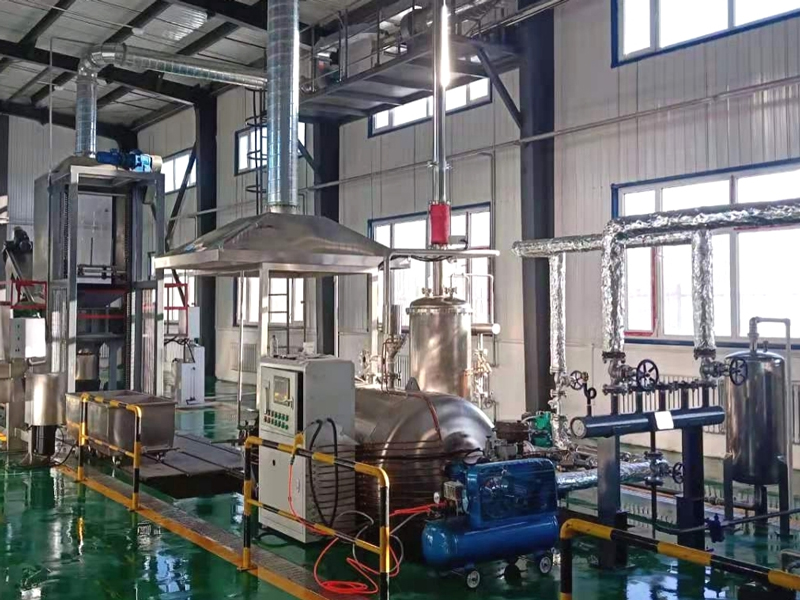
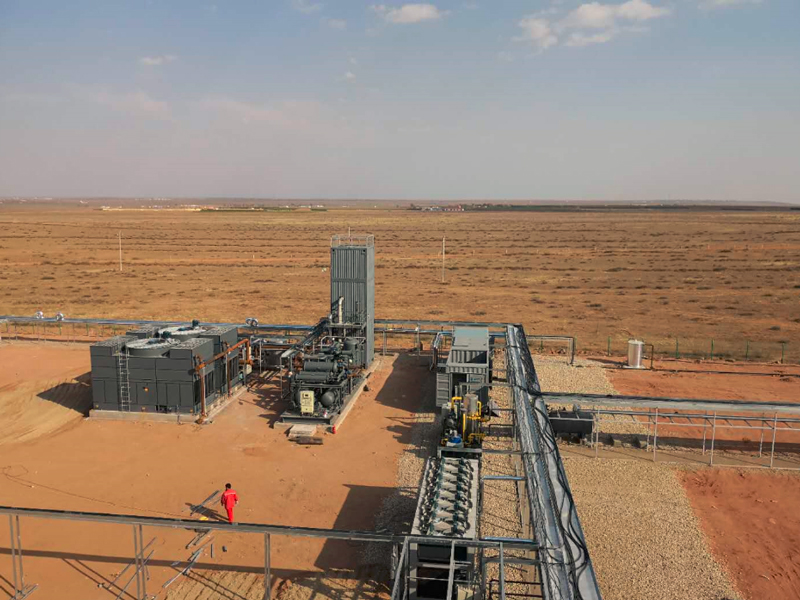
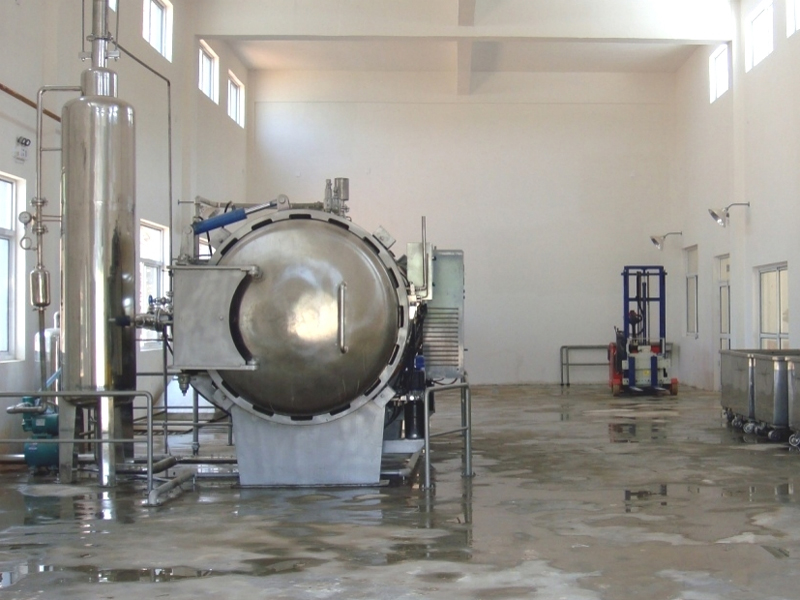
By analyzing phase-change heat transfer profiles, our engineering team optimizes heat recovery configurations to limit thermal stress. This process extends the lifecycle of our heat exchangers, particularly in systems handling thermal cycling or clean-in-place operations.
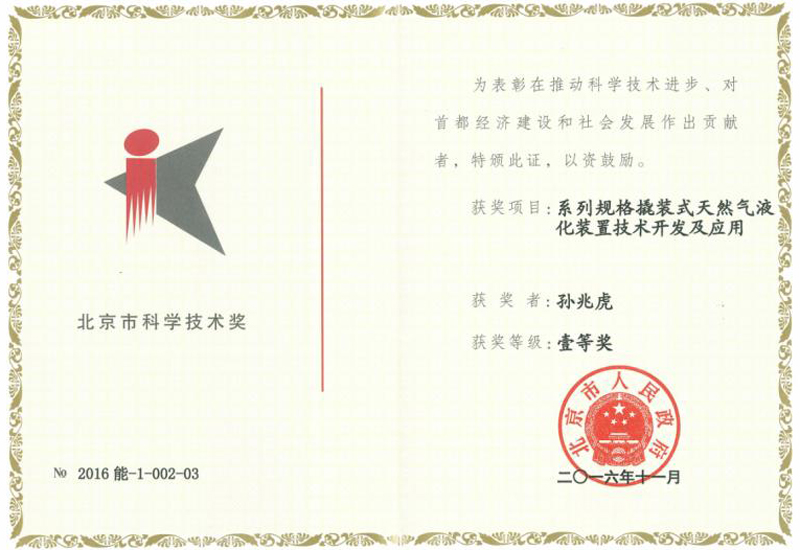
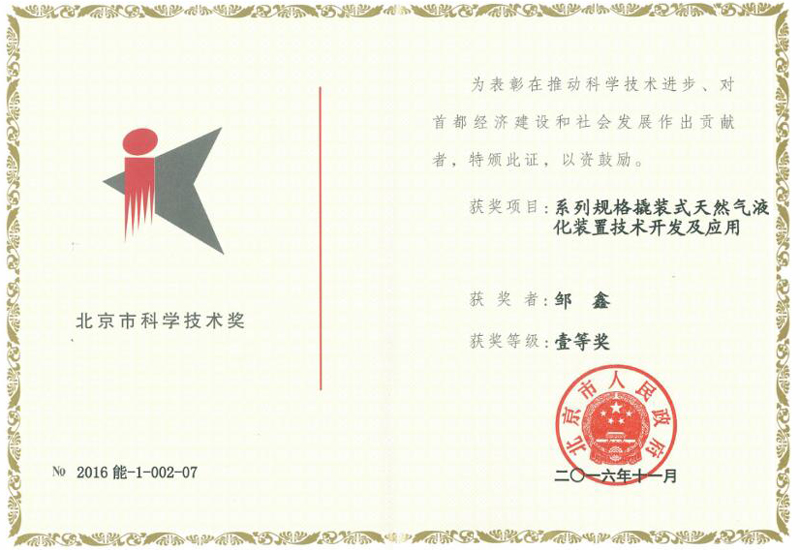
All skid-mounted units undergo factory acceptance testing (FAT) before shipment. We verify electrical controls, pipe network integrity, and flow behaviors under thermal stress, ensuring rapid installation and startup at the client facility.
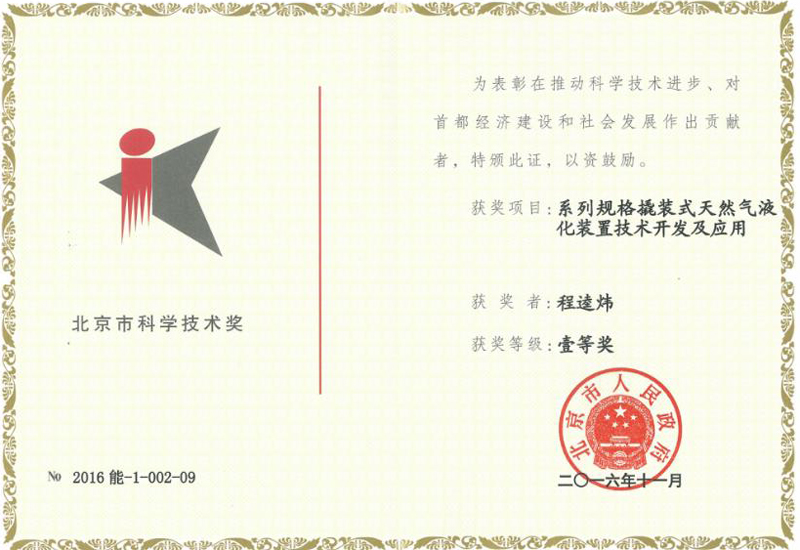
How our high-precision sanitary thermal systems and skid-mounted processing units integrate into local operations around the world.
In North American and European pharmaceutical hubs, maintaining Water-for-Injection (WFI) loops is a continuous requirement. Our sanitary heat exchangers feature a double tube sheet design to prevent chemical contamination, utilizing electropolished surfaces (Ra < 0.4 μm) to inhibit biofilm formation.
Modern bio-security regulations in laboratory animal research centers require reliable pathogen control. Our high-temperature hydrolysis chambers process tissue and animal remains, neutralizing potential pathogens through high-pressure steam processing.
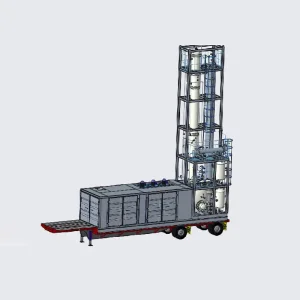
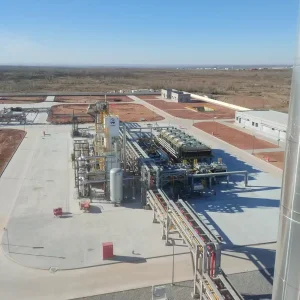
For distributed or associated gas reserves in Southeast Asia and the Middle East, installing large-scale permanent infrastructure is often cost-prohibitive. Our skid-mounted liquefaction and desulfurization plants provide a relocatable, plug-and-play solution that fits onto containerized logistics beds for rapid deployment.
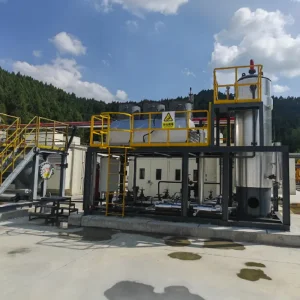
Industrial emission regulations demand high-efficiency gas filtration and solvent recovery. Our VOC treatment plants recover organic solvents from exhaust streams, lowering facility emissions to meet environmental compliance standards.
Key technical considerations, standard alignments, and design parameters for industrial engineering teams.
View our range of custom bio-containment equipment, environmental treatment plants, and natural gas processing systems.
 Hongke Qingneng