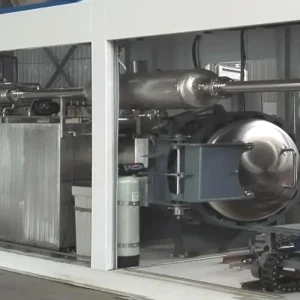
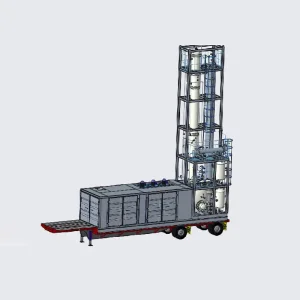
Explore our high-performance skid-mounted plants engineered for strict carbon reduction and extreme chemical efficiency.
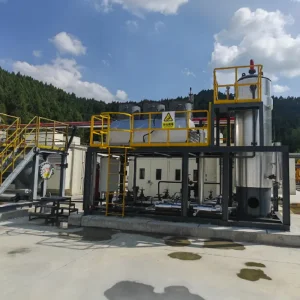
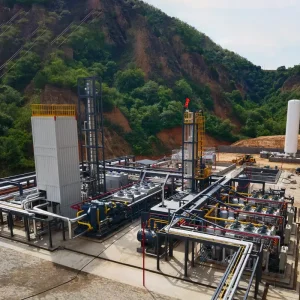
The industrial processing landscapes of natural gas, petrochemical processing, and environmental recovery are undergoing structural shifts. Modern dehydration systems have evolved from simple bulk moisture extraction into sophisticated, multi-phase molecular purification arrays. This development is primarily driven by three regulatory forces: strict limits on emissions, the need for sub-zero cryogenic liquefaction without blockages, and the preservation of pipelines against acidic corrosion caused by trace moisture mixing with hydrogen sulfide ($H_2S$) and carbon dioxide ($CO_2$).
Advanced Temperature Swing Adsorption (TSA) and Pressure Swing Adsorption (PSA) processes have become standard. In LNG liquefaction, water must be reduced to levels below 0.1 ppmv to prevent freezing on heat exchanger surfaces. Consequently, smart molecular sieves (using 3A, 4A, and 13X zeolites) with active regeneration cycles are displacing conventional liquid desiccants where high purity is critical.
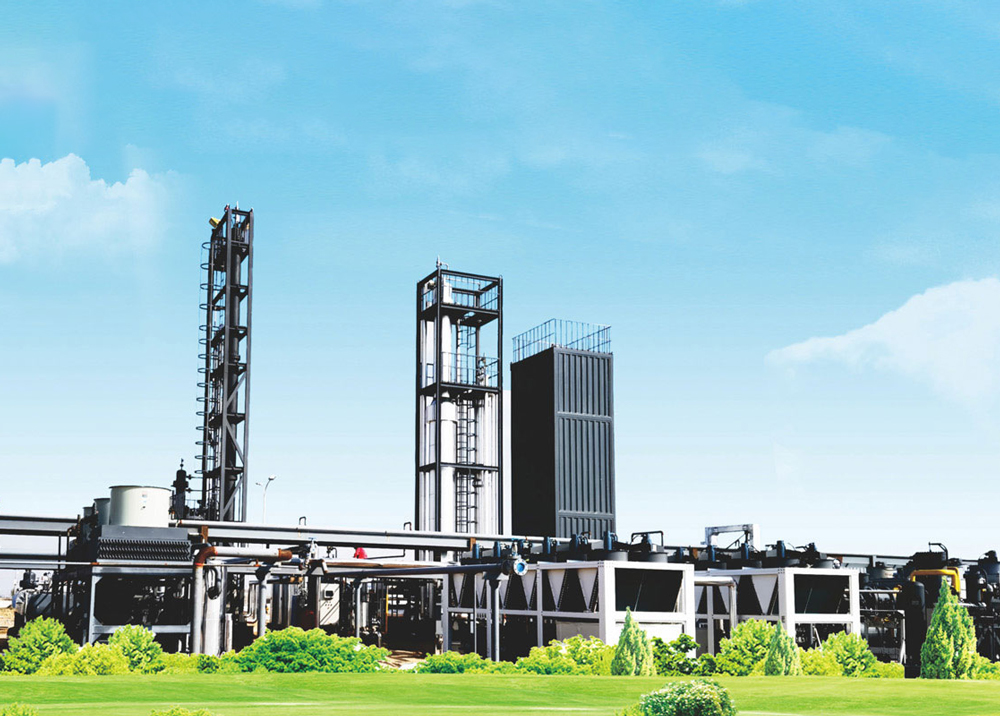
How modern EPCs and industrial operators navigate compliance, performance risks, and logistics during procurement.
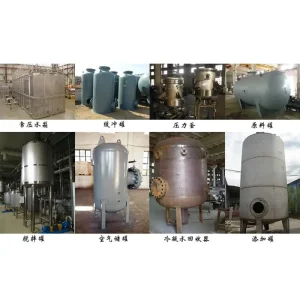
Adhering to ASME Section VIII Div 1 & 2, PED, and NACE MR0175 standard specifications for critical industrial components. Our fabrications undergo rigorous non-destructive testing (NDT), including radiographic, ultrasonic, and hydrostatic tests, to ensure complete mechanical integrity.
Avoiding complex on-site welding and pipeline integration. By pre-assembling all valves, piping manifolds, instrumentation, and control panels onto unified skids at the factory, we reduce installation times and commissioning errors for field operations.
Preventing early molecular sieve degradation, desiccant dusting, and flow channeling. We utilize custom internals such as support screens, floating heads, and proprietary inlet diffusers to optimize gas distribution and extend desiccant life.
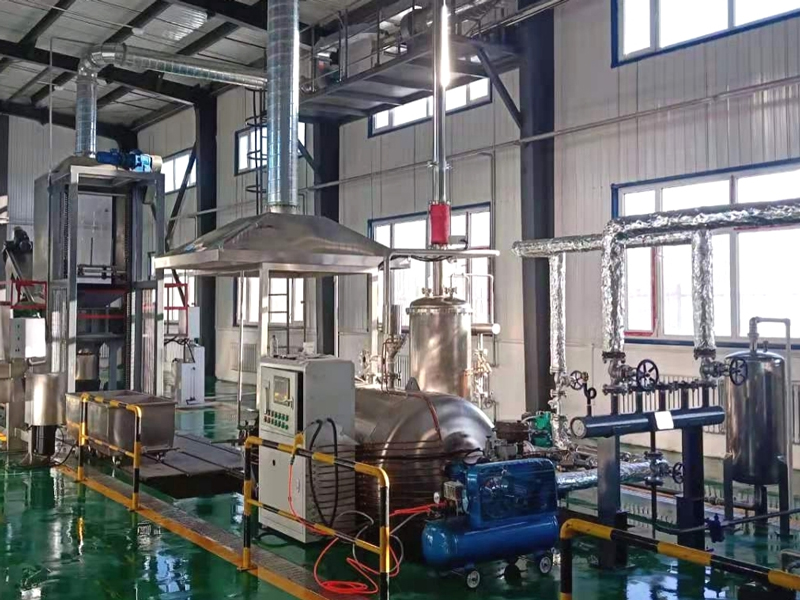
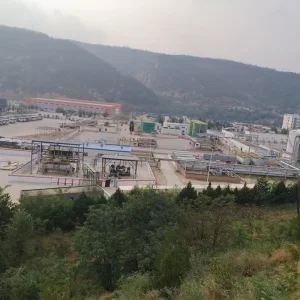
Located in the Sanhe Economic Development Zone, Langfang, our manufacturing facility represents China's advanced industrial capabilities. By incorporating robotic welding systems, automated rolling mills, and digital testing bays, we maintain strict control over every stage of vessel and skid fabrication. This integration minimizes material waste and guarantees dimensional accuracy across large project volumes.
Our supply chain structure is built on local sourcing pathways for raw steel, premium valves, and state-of-the-art process controls. This geographic advantage reduces production lead times and shields our clients from global material price fluctuations. When purchasing industrial assets, choosing a partner with deep local supply relationships ensures your equipment is delivered on time, within budget, and built to match project specifications.
Combining doctoral-level research with industrial execution. Our leadership team brings decades of technical expertise from top Chinese academies.
Doctorate from the Institute of Physics and Chemistry Technology, Chinese Academy of Sciences (CAS). National Senior Engineer who has directed the National 863 Program, Aerospace/Military contracts, and National Science & Technology special projects. Awarded the Beijing Science and Technology First Prize (2016) and Chinese Society of Refrigeration Technological Invention Special Prize (2015).
Senior Engineer at the Institute of Physics and Chemistry Technology, CAS. Published 24 academic papers (11 SCI/EI indexed) and holds 5 patents. Experienced in leading major science initiatives, receiving the Beijing Science and Technology Award First Prize, and the Silver Medal of the 19th China International Industry Expo.
Doctorate from the Institute of Physics and Chemistry Technology, CAS. Specialist in phase change heat transfer and flow characteristics of mixed working mediums. He has designed and implemented multiple skid-mounted LNG systems, winning the Beijing Science and Technology Award and the Special Prize of the Chinese Refrigeration Society.
Hebei Hongke Qingneng Environmental Protection Equipment Co., Ltd. holds the A2-level pressure vessel manufacturing license and pressure pipeline component manufacturing license. Our manufacturing facilities are fully certified to GB/T19001-2016 / ISO9001:2015 quality systems, Sinopec HSSE, and China Petroleum Health, Safety and Environment Management System standards. We operate as a designated Langfang Municipal R&D Platform to deliver high-quality, long-term performance for our clients.
Our integrated plant solutions are engineered to support environmental, gas purification, and heavy industrial applications.

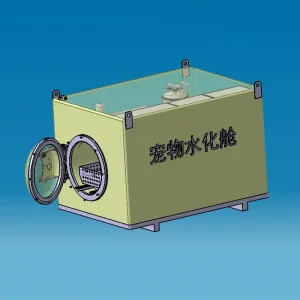
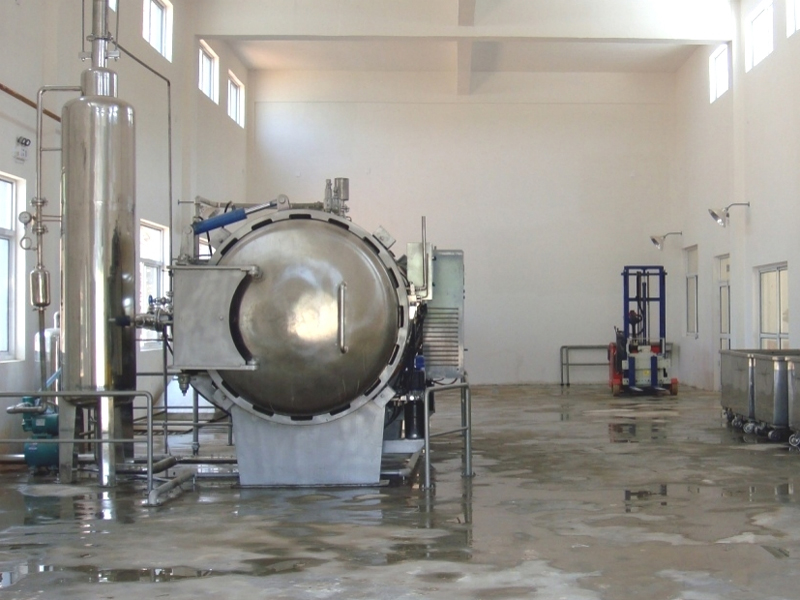
Centralized medical waste high-temperature steam treatment, mobile processing systems, and laboratory animal residue harmless sterilization systems.

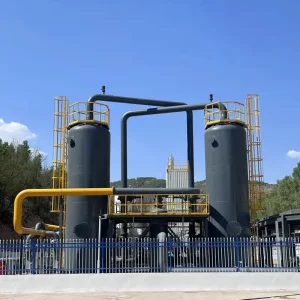
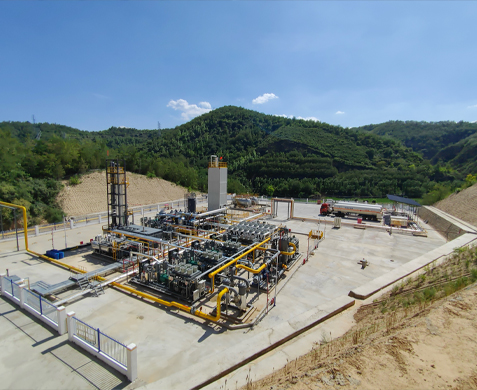
Skid-mounted gas liquefaction plants, deacidification modules, molecular sieve dehydration, and heavy hydrocarbon removal systems.

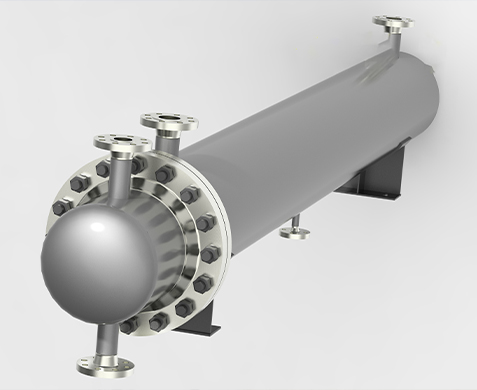
Custom shell and tube heat exchangers, high-pressure separation columns, chemical reactors, and industrial hot air stoves.

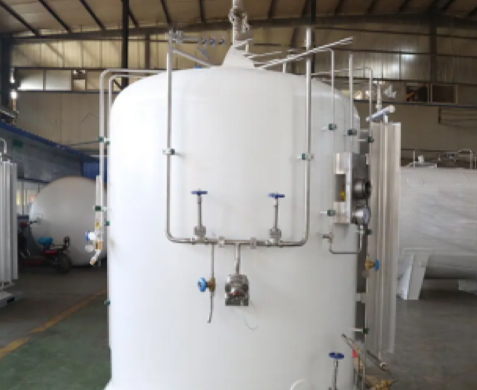
Ultra-low temperature refrigeration (-40℃ to -180℃), industrial freeze dryers, vacuum cold traps, and helium extraction units.
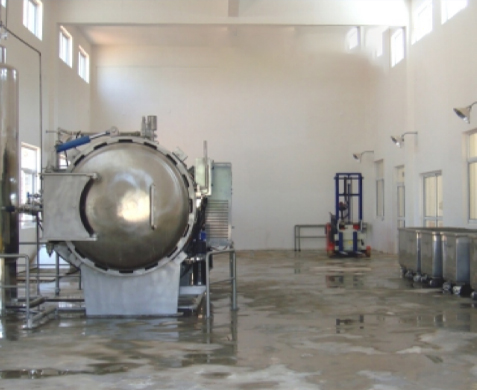
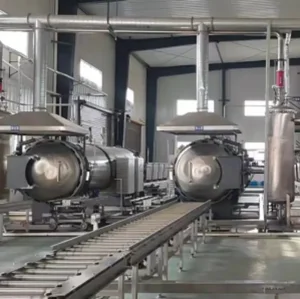
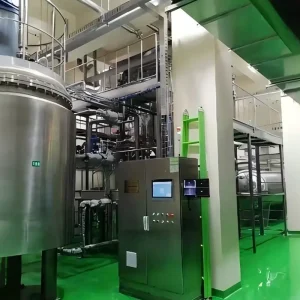
Field installations showing our skid assemblies and custom systems in operation.
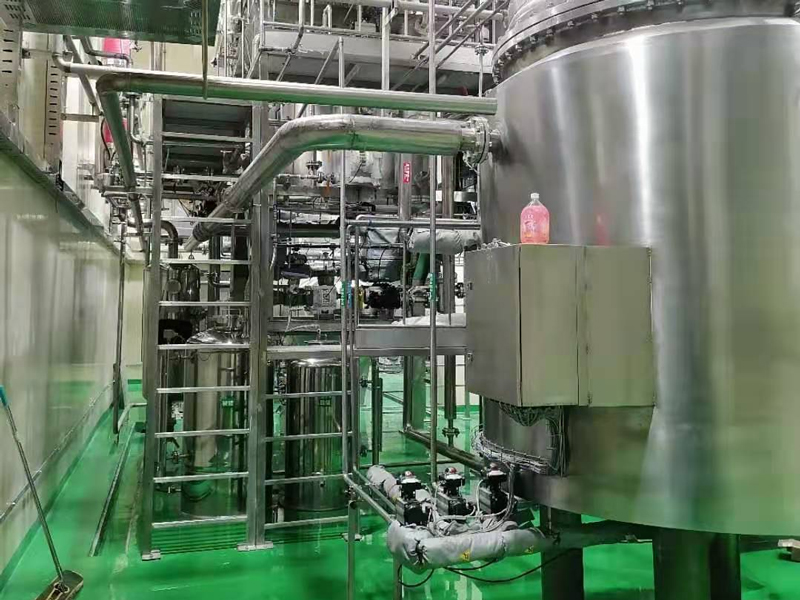
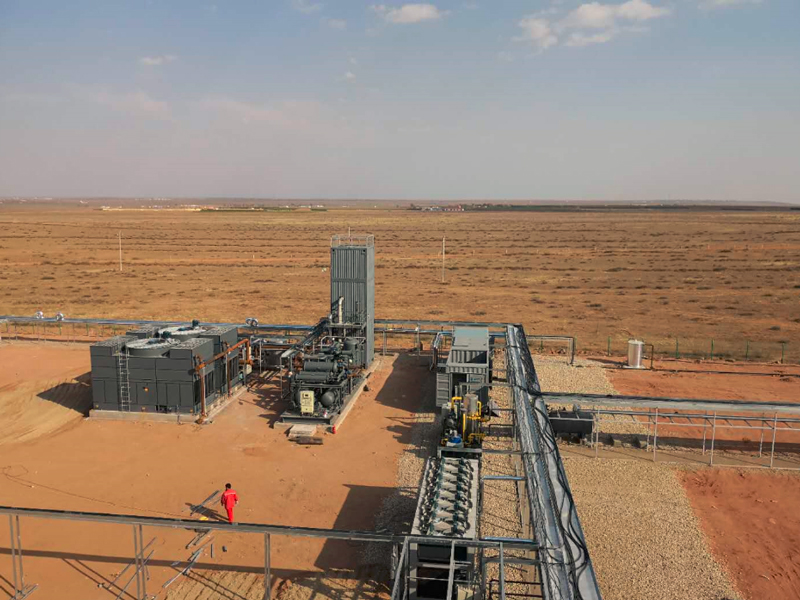
Technical guidance from our R&D engineers to assist you with system sizing, selection, and maintenance.
Further equipment options including VOC recovery, acid gas removal, and waste disposal systems built to high environmental standards.
Connect directly with our engineering team for sizing, design configurations, or budget pricing.
 Hongke Qingneng