Premium performance skid-mounted gas processing and treatment equipment optimized for harsh field environments.
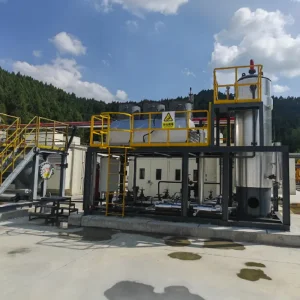
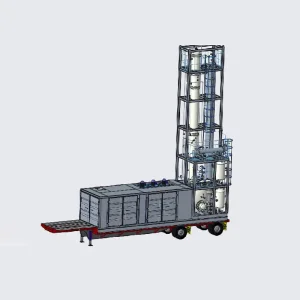
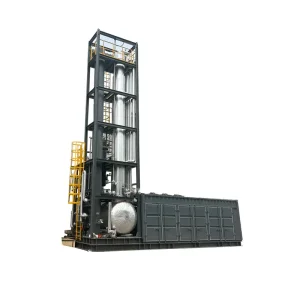
In the modern era of environmental standards, the reduction of sulphur emissions—specifically Hydrogen Sulfide (H₂S) and Sulfur Dioxide (SO₂)—stands at the forefront of global regulatory compliance. Environmental protection agencies worldwide, including the US EPA and European EEA, have continually tightened thresholds. High levels of H₂S in natural gas, shale gas, or coalbed methane feedstocks not only damage combustion equipment through acid-induced corrosion but also represent an existential threat to downstream refining systems and safety protocols.
Industrial desulfurization systems represent a multibillion-dollar global market. Modern energy producers are shifting rapidly from outdated, high-maintenance chemical scavenging systems to advanced regenerable liquid catalysts, physical absorption towers, and high-efficiency dry scrubbers. From upstream oil & gas sweetening to petrochemical refineries and municipal biogas upgrades, selecting a highly engineered desulfurization plant is key to ensuring operational lifespan, safety, and strict compliance.
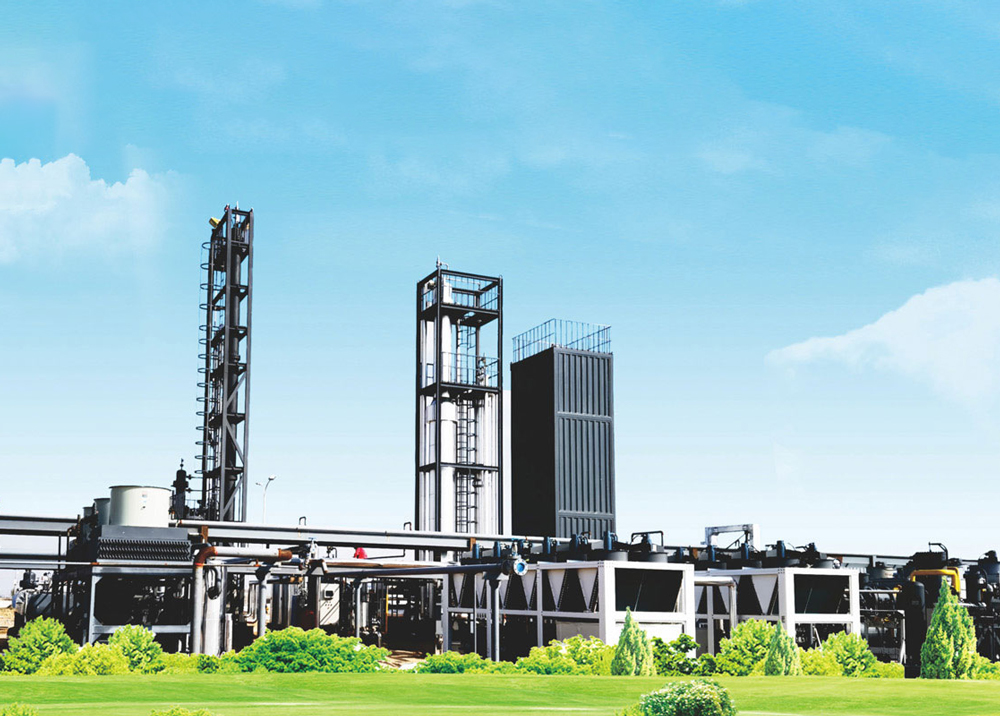
Established with a registered capital of 78 million yuan, specializing in thermal engineering, environmental equipment, and skid-mounted natural gas purification facilities.
We leverage a world-class technology base derived from relationships with Tsinghua University and the Institute of Physics and Chemistry Technology, Chinese Academy of Sciences (CAS). This ensures every desulfurization system incorporates state-of-the-art phase-change thermodynamics and fluid dynamics.
Equipped with the official Class A2 Pressure Vessel Manufacturing License, Pressure Pipeline Component Manufacturing License, GB/T19001-2016 Quality Management Certification, and Sinopec HSSE/CNPC Health, Safety & Environment Management certifications.
Aligned with global emission mitigation strategies. Our equipment aids gas resource recovery, VOC emission mitigation, and helium extraction, directly assisting global organizations in meeting ESG metrics and carbon reduction goals.
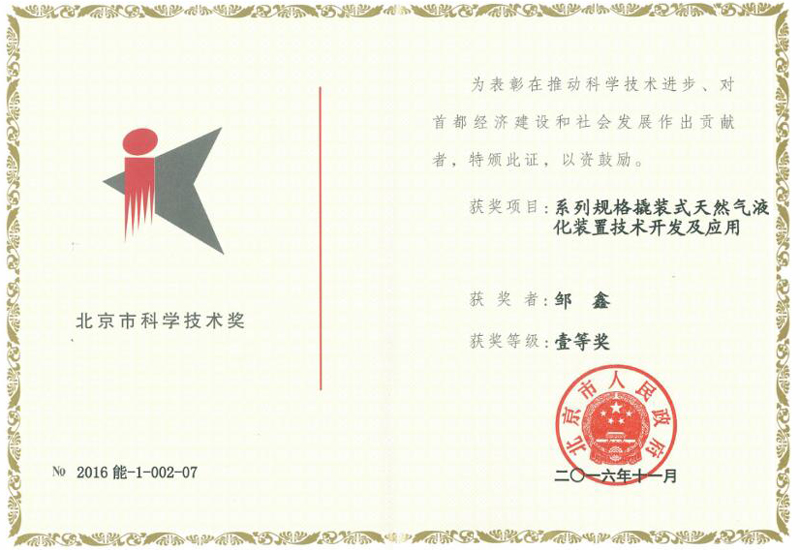
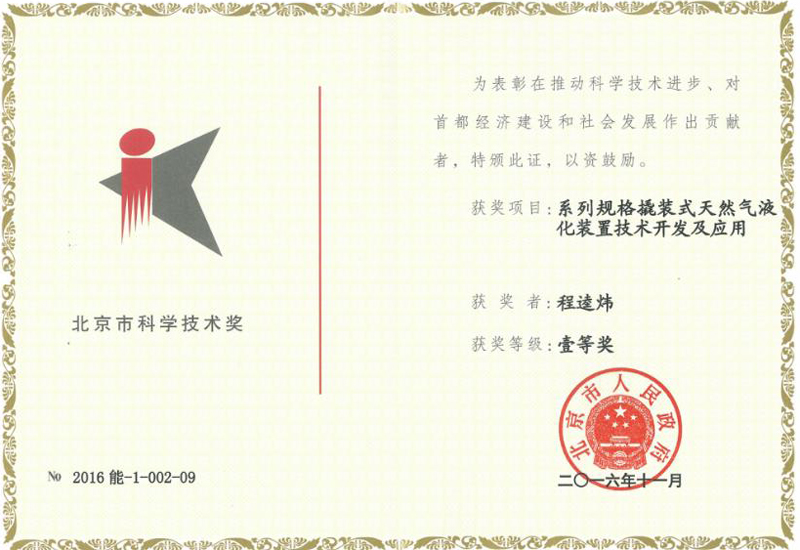
Our engineering and management team comprises PhDs and senior engineers from the nation's premier research institutes.
Founder & Chairman
General Manager
Chief Engineer
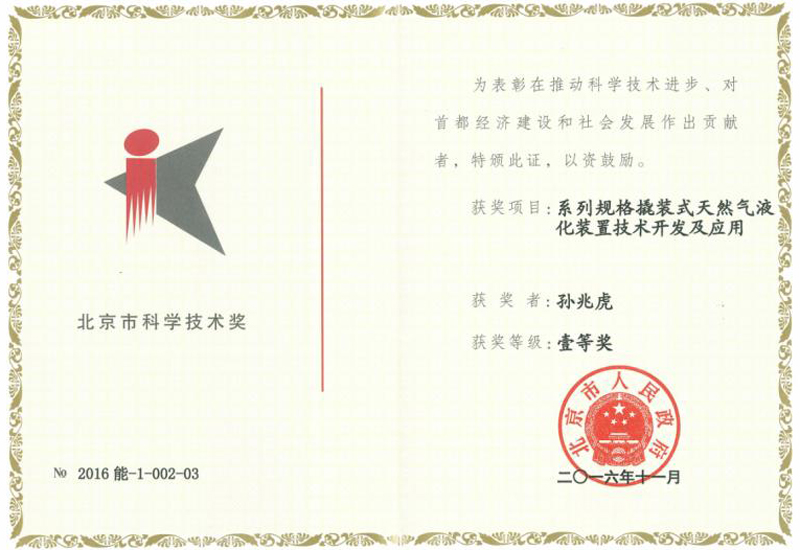
Procuring chemical processing and gas treatment equipment from China offers distinct cost and quality advantages. Advanced manufacturers in Langfang utilize fully integrated local supply chains that reduce lead times for key components like structural steel, custom-forged pressure vessels, and control valves.
Structural Skid Integration: Our facilities are specialized in pre-assembling complete desulfurization modules on structural steel skids. By performing piping fabrication, instrumentation, and performance tests at the factory, we reduce on-site installation work by up to 70%.
Rigorous Regulatory Testing: Under the supervision of CAS and Tsinghua engineering alumni, our quality control procedures include radiographic testing, non-destructive testing (NDT), hydrostatic stress analysis, and performance testing for pressure vessel components.
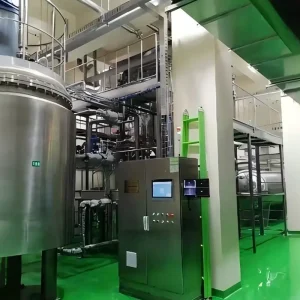
From natural gas sweetening to biological waste neutralization, we deliver systems engineered for critical fields.
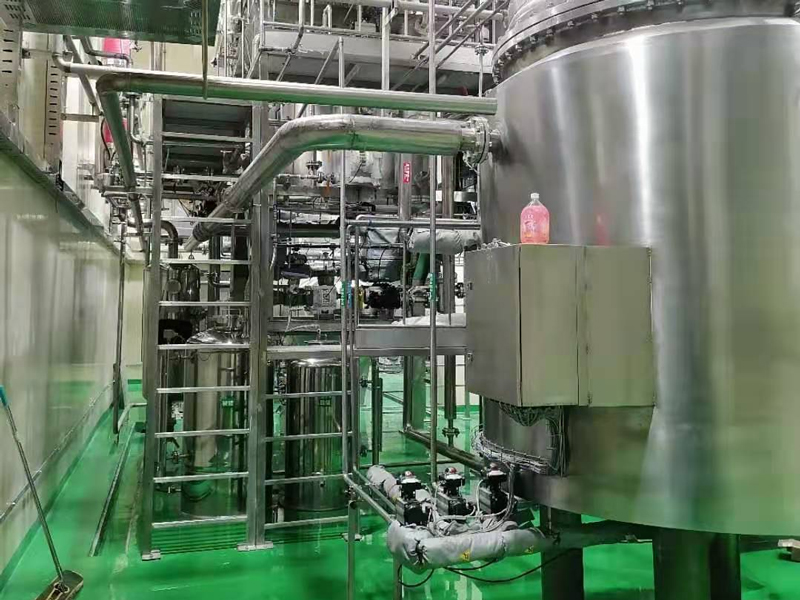
Engineered high-temperature steam sterilization systems designed for biological research institutions, securing complete pathogen deactivation.
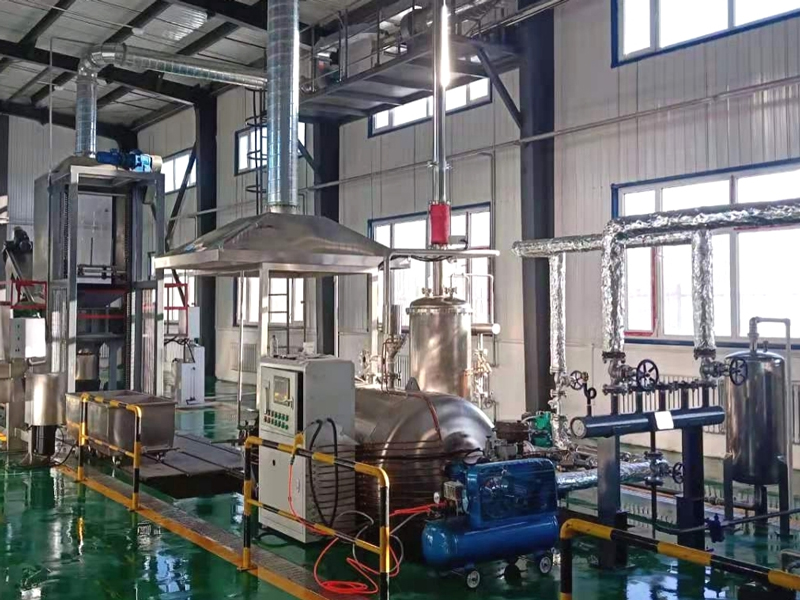
Vehicle-mounted rapid thermal steam systems offering decontamination capabilities in remote locations or disaster zones.
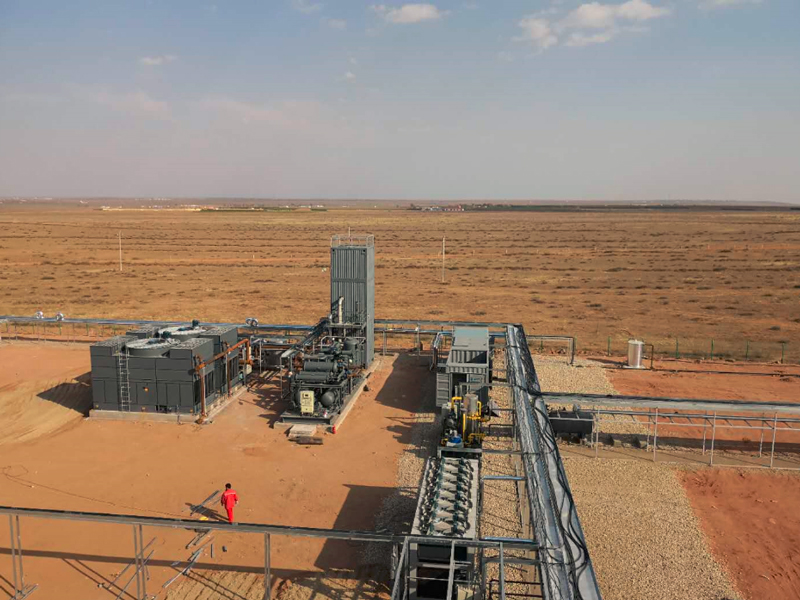
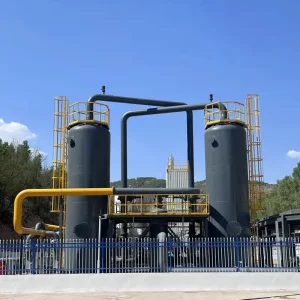
A field-proven skid-mounted LNG system for associated gas recovery, converting waste flare gas into high-value fuel products.
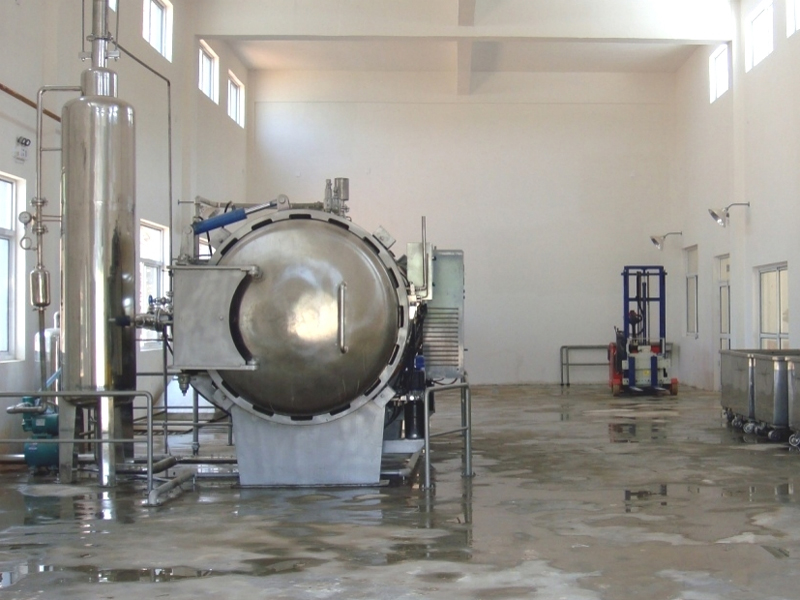
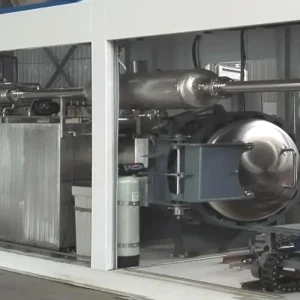
High-capacity automated disinfection chambers designed for municipal medical waste management plants.
Divided into distinct engineering divisions to maintain professional focus and technological edge.

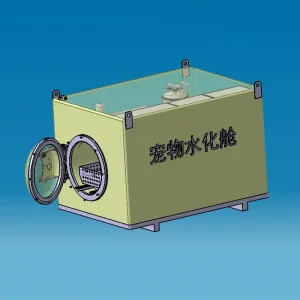
Centralized waste disinfection, mobile steam systems, and animal tissue hydrolysis equipment.

Deacidification, H₂S desulfurization, dehydration, heavy hydrocarbon separation, and skid-mounted liquefaction.

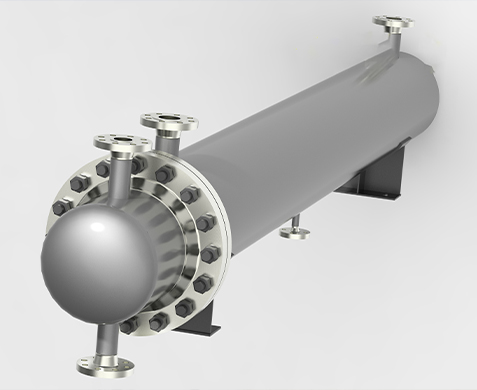
Specialized A2 heat exchangers, pressure vessels, experimental rigs, and hot air furnaces built to ASME guidelines.

Low-temperature machinery (-40℃ to -180℃), freeze dryers, and vacuum cold traps (-135℃).
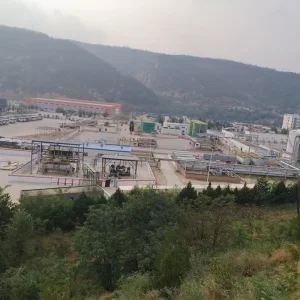
Images of our operational equipment, testing bays, and project installations.
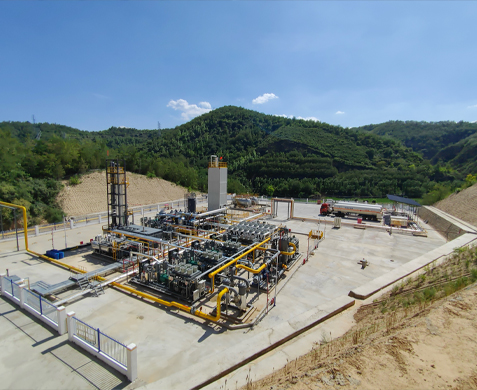
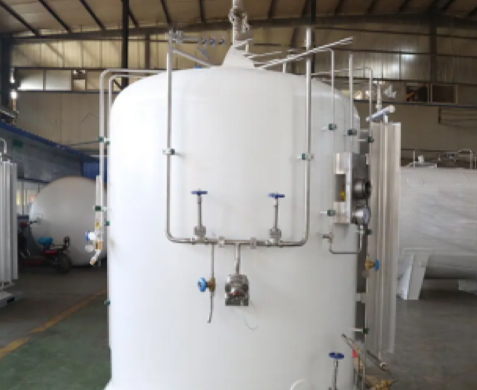
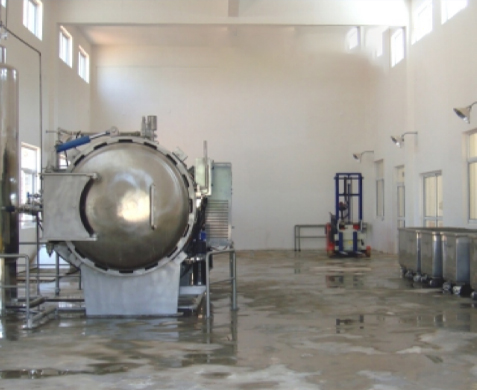
As heavy industries target net-zero operations, desulfurization technologies are evolving beyond basic scrubbers to multi-pollutant mitigation systems. The integration of advanced amine formulations, solid-state scavenging adsorbents, and biological processing allows plants to capture trace sulphur compounds down to sub-ppm levels.
Many natural gas reserves contain complex sulfur matrices consisting of methyl mercaptans, carbonyl sulfide (COS), and carbon disulfide (CS₂). In these cases, conventional amine scrubbers face limitations. Modern sweetening processes integrate an upstream catalytic hydrolysis reactor that converts organic sulfur species into H₂S, which is subsequently captured in our high-efficiency liquid or dry absorption modules.
For high-concentration gas resources, cryogenic purification offers a viable alternative to chemical solvents. By cooling sour gas to near-liquefaction temperatures, H₂S can be separated and recovered as a liquid. This approach eliminates chemical waste streams and yields concentrated gaseous streams suitable for direct injection or conversion in sulfur recovery units (SRU).
Integrating industrial IoT and PLC systems enables continuous monitoring of outlet gas H₂S concentrations. By dynamically adjusting circulation rates or reactor bed temperatures, our systems prevent breakthrough events, minimize reagent consumption, and extend overall catalyst lifecycle.
Critical considerations when selecting gas processing and pressure vessel components.
Always verify the manufacturer's pressure vessel qualifications. For chemical facilities, certifications such as the China A2 Pressure Vessel License or equivalent ASME Code Stamps are mandatory. Ensure the vendor conforms to HSSE and quality management protocols (e.g., ISO 9001, Sinopec HSSE).
Wet H₂S service poses severe risks of hydrogen-induced cracking (HIC) and sulfide stress cracking (SSC). Demanding applications require NACE-compliant steel alloys and heat treatment procedures (e.g., Post-Weld Heat Treatment - PWHT) to ensure equipment reliability in high-sour gas processing.
For offshore platforms or remote gas wells, spatial footprint is a premium factor. Pre-packaged, skid-mounted systems are preferred as they integrate the filtration, absorption, regeneration, and control panels on a single chassis, simplifying transport and lowering site construction costs.
Avoid trading off safety for lower capital expenditure. Choose partners backed by established academic institutions and specialized researchers. Academic collaborations ensure access to updated thermodynamics data and computational fluid dynamics (CFD) modeling capabilities.
Expert answers regarding desulfurization technologies, regulatory compliance, and system implementation.
The primary methods are chemical absorption (using amines like MDEA or MEA) for high-volume streams, and dry-bed scavenging (using iron oxide or zinc oxide catalysts) for lower concentrations. Selective liquid catalysts are also employed to directly convert H₂S into elemental sulfur.
Skid-mounting groups the structural frame, piping, valves, and control systems into a single module. This design allows for complete assembly and comprehensive testing at the factory, reducing transit damage, cutting field labor requirements, and speeding up site commissioning.
The A2 Pressure Vessel License designates the manufacturer's capability to build medium-and-high pressure vessels. It confirms the factory meets strict standards for welding, non-destructive testing, engineering design, and safety verification, which is essential for high-pressure sour gas processing.
We provide full lifecycle solutions, including structural layout design, piping integration, on-site commissioning guidance, operator training, and supply of spares. Our technical team, backed by senior researchers, is available to assist with custom process tuning for changing gas feed compositions.
Advanced non-standard vessel fabrication, cryogenic recovery, and environmental treatment units.
 Hongke Qingneng