High-Quality Global Leading Carbon Steel Vessel Suppliers & Manufacturer

Unmatched Academic R&D Heritage, Strict ASME Standard Fabrication, and Life-Cycle Engineering Solutions for Industrial Gas, Environmental, and Bio-Medical Infrastructure.

Academic Engineering Leadership

Hebei Hongke Qingneng Environmental Protection Equipment Co., Ltd.

Established in June 2021 with a registered capital of 78 million yuan, Hebei Hongke Qingneng Environmental Protection Equipment Co., Ltd. sits as a beacon of high-end manufacturing in the Sanhe Economic Development Zone, Langfang City. We are an innovation-driven enterprise specializing in the research, development, and advanced fabrication of industrial pressure vessels and modular process skids.

Our academic core sets us apart globally. Guided by senior engineering professionals and doctoral experts from prestigious institutions such as Tsinghua University and the Institute of Physics and Chemistry Technology, Chinese Academy of Sciences (CAS), our technological foundation combines rigorous thermodynamics research with practical, field-proven mechanical design. This synergy allows us to solve the most demanding storage and reaction engineering challenges across the globe.
A2 Pressure Vessel License
Sinopec HSSE Certified
CNPC HSE Management
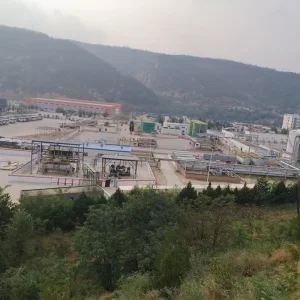
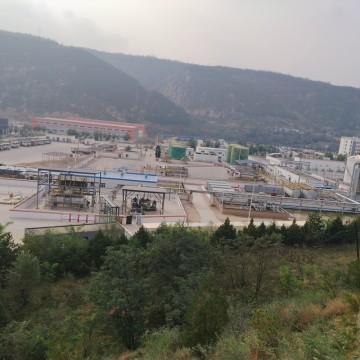
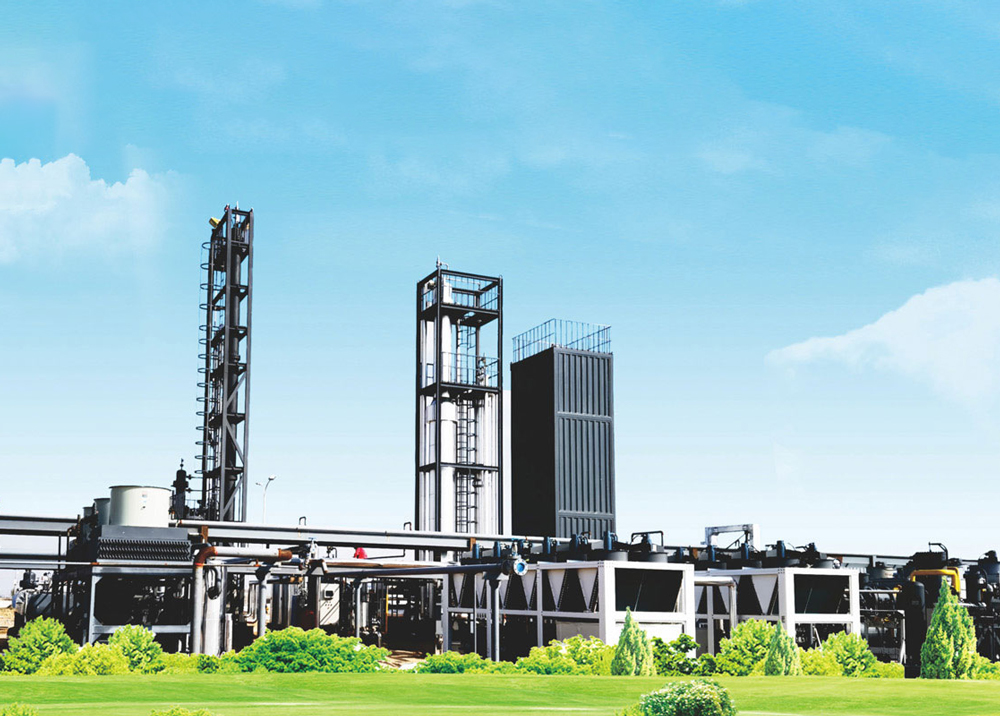
Hongke Qingneng Industrial Manufacturing Base
78M
Registered Capital (RMB)
A2
Pressure Vessel License
20+
Independent Patents
50+
Global Liquefaction Projects

Distinguished Engineering Council

Combining theoretical thermodynamics with precision manufacturing

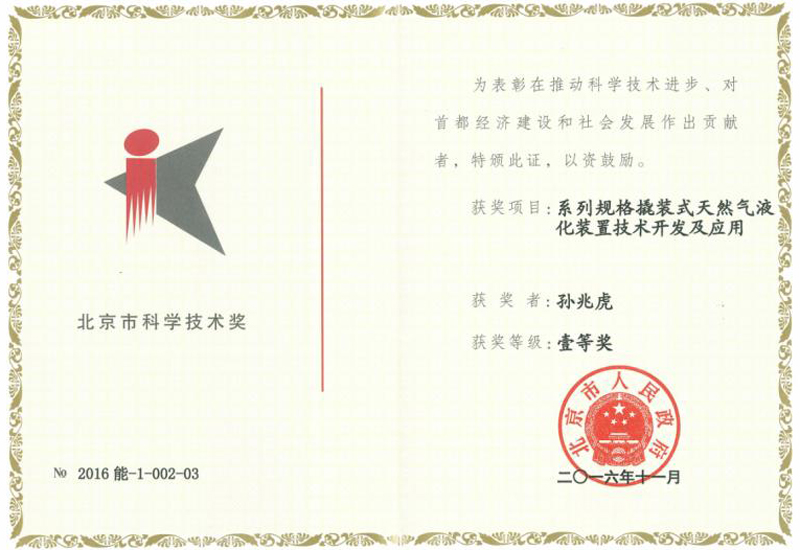
Dr. Sun Zhaohu

Founder & Chairman

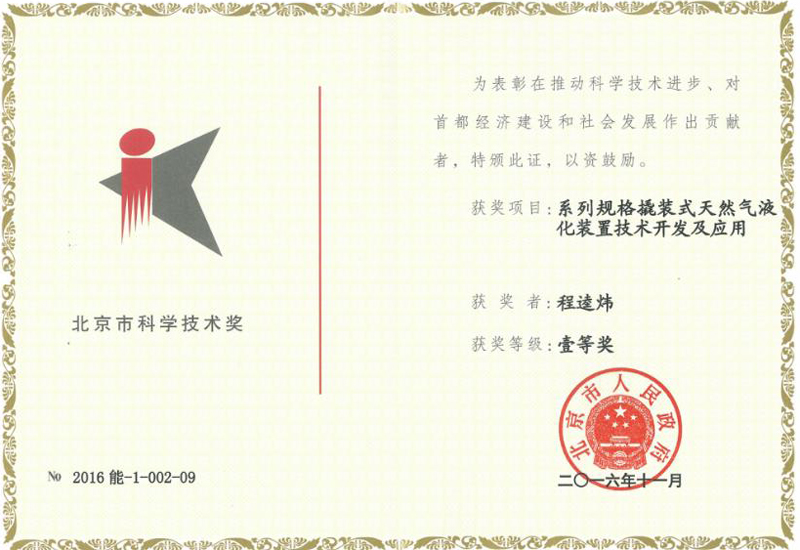
Doctorate from the Institute of Physics and Chemistry Technology, Chinese Academy of Sciences. National Senior Engineer. He has directed several crucial projects under the National 863 Program, Aerospace Military missions, and NSFC initiatives. Recipient of the Special Prize of Technological Invention by the Chinese Society of Refrigeration (2015) and Beijing Science and Technology Award (2016). Holder of over 20 independent R&D intellectual property patents.

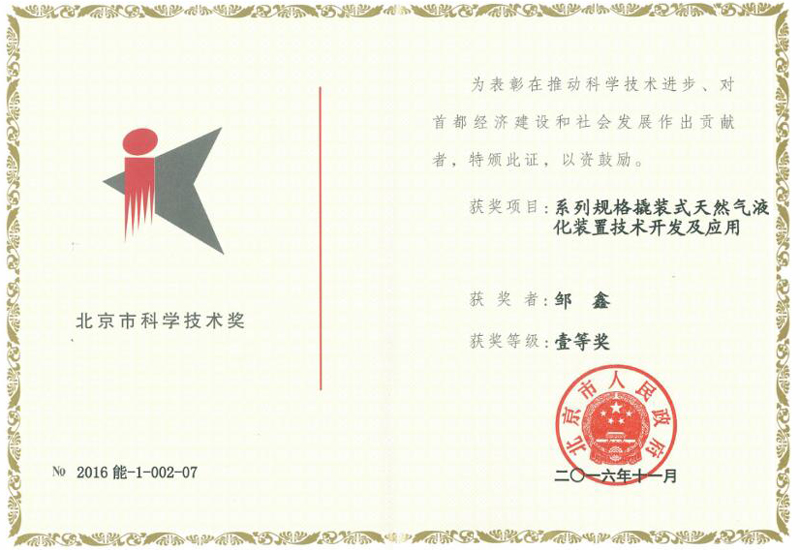
Zou Xin, Ph.D.

General Manager

Ph.D. candidate and Senior Engineer at the Institute of Physics and Chemistry Technology, CAS. For years, he has led key national projects including the "12th Five-Year" major science & technology projects. He has authored 24 scholarly papers (11 SCI/EI indexed) and holds 5 national invention patents. Honored with the Silver Medal of the 19th China International Industry Expo.

Dr. Cheng Kuwei

Chief Engineer

Doctor of Engineering from the Institute of Physics and Chemistry Technology, CAS. Noted for his contributions to the development of skid-mounted natural gas liquefaction systems. A leading expert in phase change heat transfer, flow characteristics of mixed working mediums, and the optimization of cryogenic shell-and-tube heat exchangers.

China's Structural Advantages in Carbon Steel Vessel Fabrication

Why global EPC contractors and industrial operators trust our Langfang manufacturing base

Carbon steel remains the workhorse material for industrial pressure containment, gas separation, and thermal treatment chambers. Fabricating these units to withstand high cyclic pressures, corrosive chemistry (such as wet H2S environments), and extreme operational temperatures requires a combination of metallurgical control, precise fabrication, and cost optimization. Our manufacturing facility in China leverages regional industrial clusters to deliver unmatched engineering advantages:

1. Advanced Metallurgy & Raw Material Sourcing

We utilize high-quality pressure-vessel grade carbon steel plates (e.g., Q345R, Q245R, and ASME-compliant SA516 Gr. 70/60) sourced directly from elite domestic steel mills. These plates feature controlled carbon equivalents, low sulfur, and low phosphorus content, providing excellent weldability and high fracture toughness at low temperatures down to -40°C.

2. Precision Automatic Welding Systems

Our shop is equipped with automated Submerged Arc Welding (SAW), Gas Tungsten Arc Welding (GTAW/TIG), and Gas Metal Arc Welding (GMAW) units. Automated weld overlays (clad layers) are applied to carbon steel vessels when corrosive media demand high-alloy corrosion protection, ensuring a cost-effective, high-integrity barrier.

3. Complete Non-Destructive Testing (NDT)

We execute rigorous Quality Assurance (QA) through digital radiographic testing (RT), phased-array ultrasonic testing (PAUT), magnetic particle testing (MT), and liquid penetrant testing (PT). Every weld seam is thoroughly verified to eliminate internal defects, micro-cracks, and structural inconsistencies before hydro-testing.

Macro-Industry Solutions & Global Trends

Innovating for decarb, cryogenic gas recovery, and hazardous biosecurity waste

Cryogenic Gas Recovery

Recovery of Boil-Off Gas (BOG), shale gas, and Coalbed Methane (CBM). Our skid-mounted systems utilize advanced refrigeration cycles to extract helium and liquefy clean fuels on-site, minimizing carbon footprints.

VOC Abatement

High-efficiency adsorption, condensation, and recovery of Volatile Organic Compounds (VOCs) from petrochemical plants, preventing atmosphere-damaging leaks while recovering valuable chemical stocks.

Medical Waste autoclaves

Mobile and centralized high-temperature steam treatment systems. Our vessels are engineered for ultimate pathogen containment, transforming medical waste into inert, safe municipal residues.

Bio-Hazard Tissue Hydrolysis

Utilizing high-temperature, high-pressure alkaline hydrolysis chambers to neutralize laboratory animal tissues. Excellent corrosion resistance design against alkaline chemistry under pressure.

Global Procurement Requirements & Technical Conformity

Seamlessly matching code standards of international engineering firms

International procurement offices (IPOs) from EPC firms and manufacturing clients demand deep regulatory compliance. Every carbon steel vessel and skid-mounted package leaving Hebei Hongke Qingneng matches high-level quality documentation requirements:

  • ASME Code Compliance: Fabricated in alignment with ASME Boiler & Pressure Vessel Code (BPVC) Section VIII, Division 1 and Division 2.
  • Complete Material Traceability: Every plate, nozzle, flange, and welding consumable is supplied with Mill Test Reports (MTRs) matching EN 10204 3.1 or 3.2.
  • Corrosion Protection & Finishing: High-performance interior coating (such as solvent-free epoxies or vinyl ester glass flake) and exterior C5-M marine-grade painting systems.
  • Detailed FAT & SAT: Factory Acceptance Tests including helium leak detection, shell hydrotests, electrical continuity, and functional skid trial runs.
Environmental protection field icon

Environmental Control

Centralized/mobile medical waste autoclave & pet hydration chambers.

Natural gas field icon

LNG & Natural Gas Skids

CBM, Shale Gas purification, deacidification, dehydration, liquefaction plant.

Non-standard equipment icon

Non-Standard Pressure Vessels

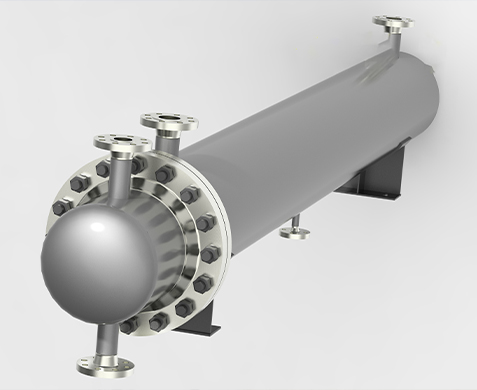
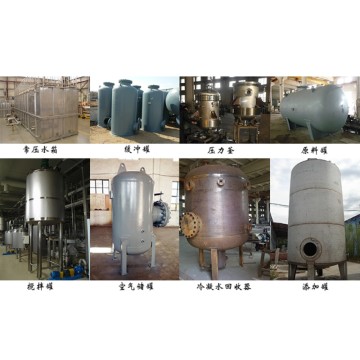
Shell-and-tube heat exchangers, experimental test rigs, storage tanks.

Industrial refrigeration icon

Cryogenic Refrigeration

-40℃~-180℃ cold traps, freeze dryers, helium extraction units.

Case Presentation

Demonstrating academic innovation applied in real industrial projects

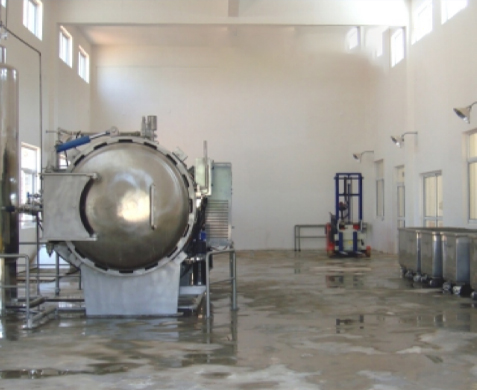
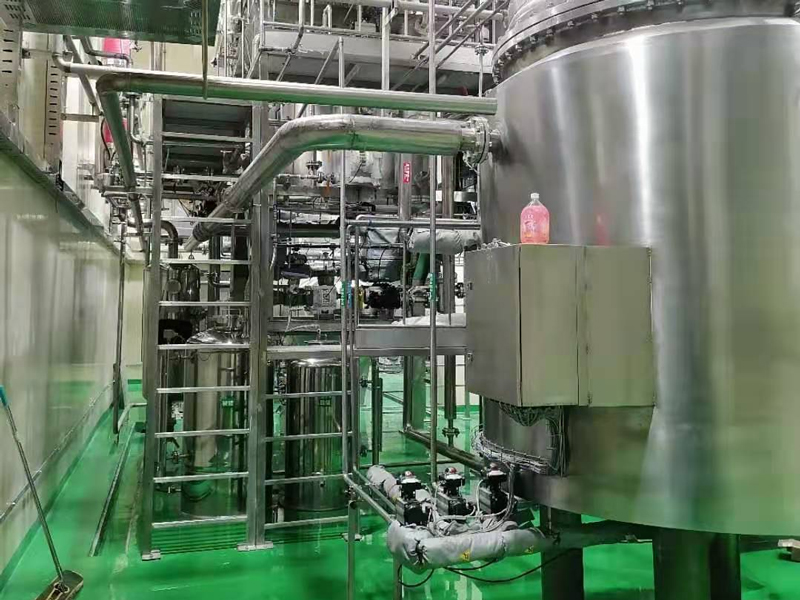
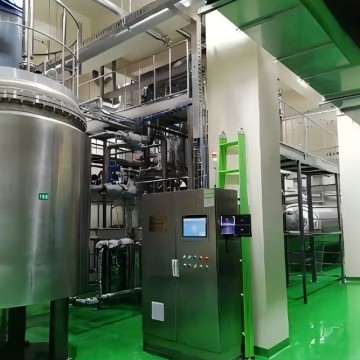
Laboratory Animal Residue Harmless Treatment

Laboratory Animal Residue Harmless Treatment

Integrated alkaline hydrolysis system designed for national level bio-security research laboratories, neutralizing tissues safely.

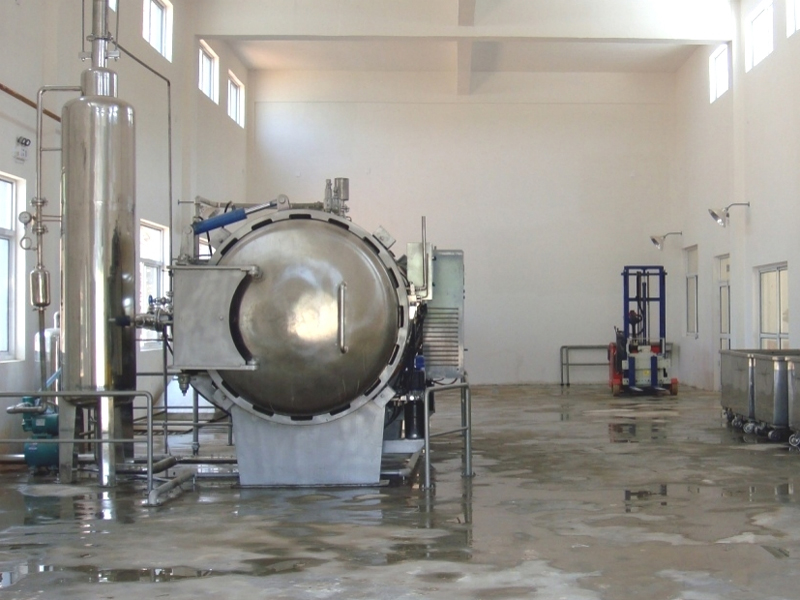
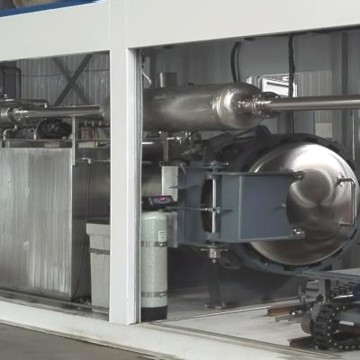
Mobile Medical Waste Disposal Equipment

Mobile Medical Waste Disposal Equipment

High-temperature autoclave system integrated on a heavy-duty containerized trailer chassis for emergency deployment.

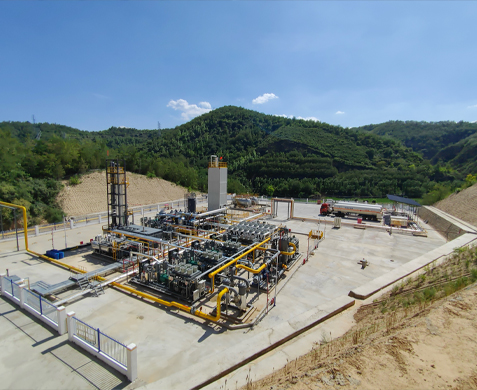
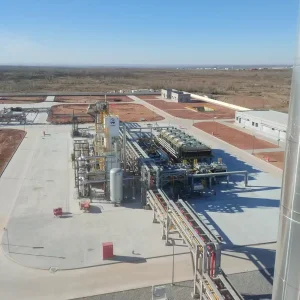
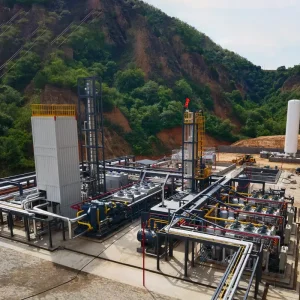
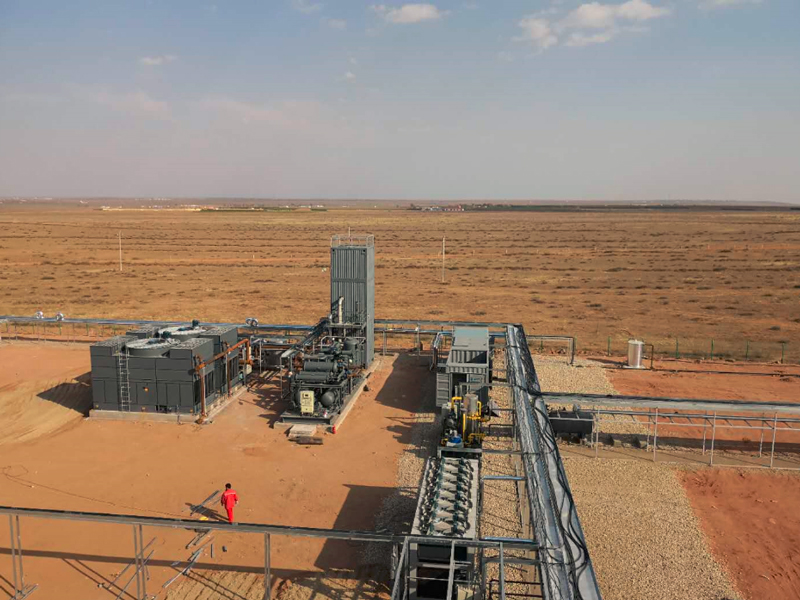
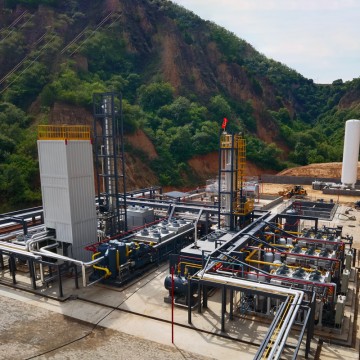
Well Gas Liquefaction Project

Well Gas Liquefaction Project

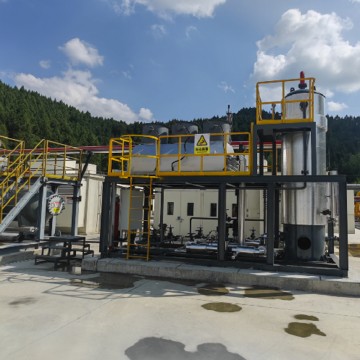
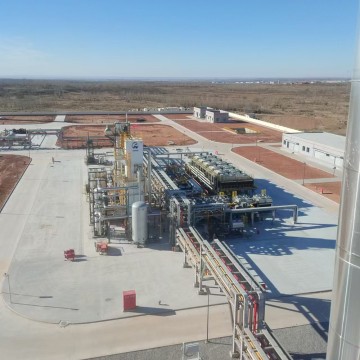
Skid-mounted LNG processing unit capturing stranded natural gas, providing fuel gas treatment and pipeline injection solutions.

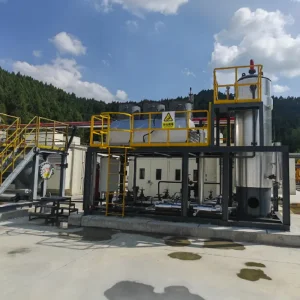
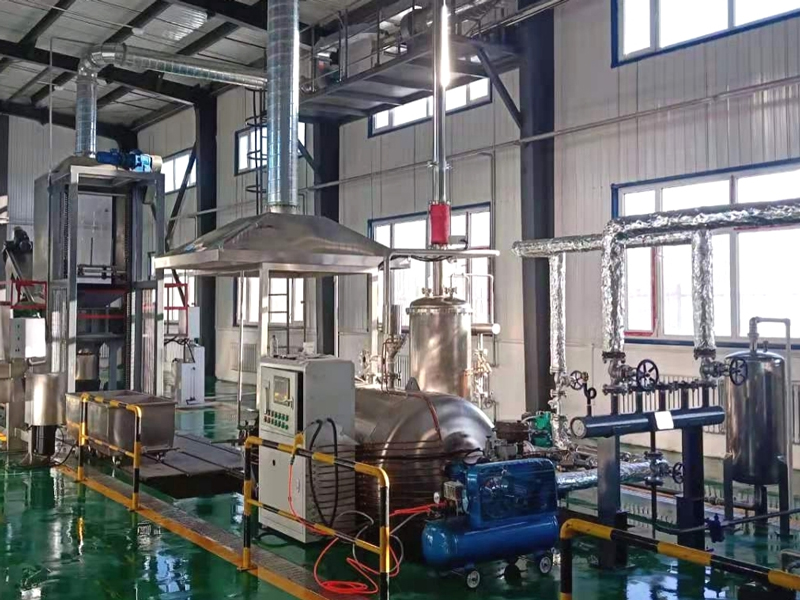
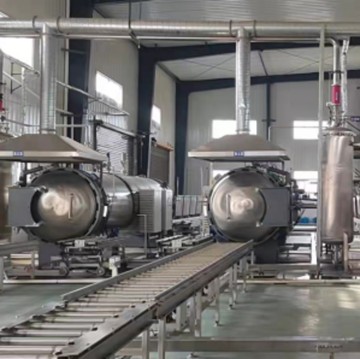
Centralized Medical Waste Steam Treatment

Centralized Medical Waste High-Temperature Steam Treatment Plant

Multi-ton capacity processing facility equipped with automated loading, vacuum pulping, thermal disinfection, and odor abatement scrubbers, engineered to meet strict urban emission standards.

Inner Product Catalog

High-integrity industrial machinery engineered by our doctoral R&D division

Natural Gas Treatment Plant Exhaust Gas

Natural Gas Treatment Plant Exhaust Gas Recovery

Capturing and processing hydrocarbon emissions from treatment plant exhausts.

Learn More →
Non-Standard Pressure Vessel System

Non-Standard Pressure Vessel System Solutions

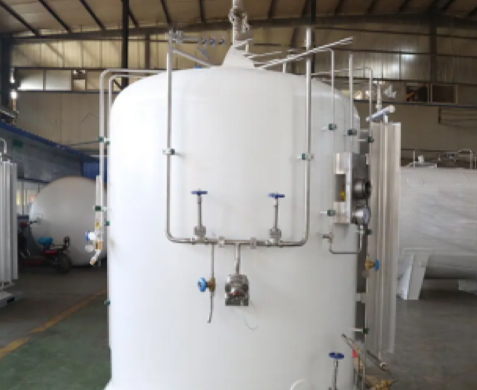
Tailor-made carbon steel and stainless alloy storage tanks, receivers, and scrubbers.

Learn More →
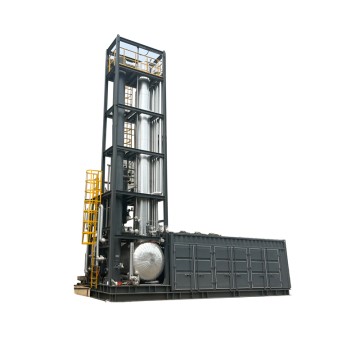
Vehicle-Mounted Skid-Mounted LNG Plant

Vehicle-Mounted Skid-Mounted LNG Plant

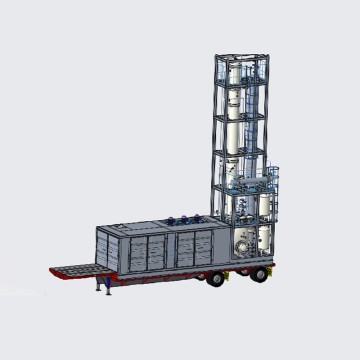
Fully mobile gas purification and liquefaction train for stranded well sites.

Learn More →
Liquefaction Plant Life Cycle Solutions

Liquefaction Plant Life Cycle Solutions

Complete service portfolio from process design to post-commissioning maintenance.

Learn More →
Purification Equipment

Purification Equipment (Deacidification & Dehydration)

Molecular sieve and amine wash systems for clean gas preparation.

Learn More →
Skid-Mounted Liquefaction Equipment

Skid-Mounted Liquefaction Equipment

Pre-assembled modules for localized gas liquefaction systems.

Learn More →
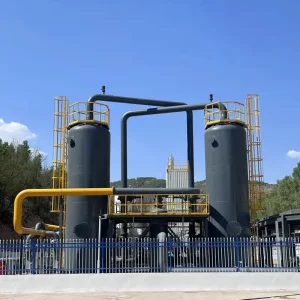
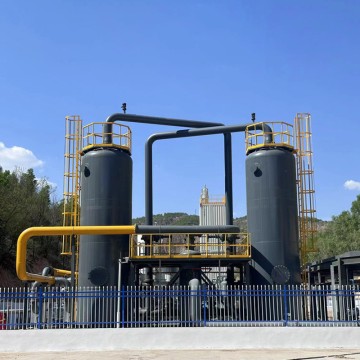
Desulphurisation equipment

Desulphurisation Equipment

Chemical scrubbing systems for complete H2S and sulfur compounds removal.

Learn More →
VOC Exhaust Treatment Equipment

VOC Exhaust Treatment Equipment

Industrial-grade gas capture system for organic waste gas streams.

Learn More →
Centralized Medical Waste High-Temperature

Centralized Medical Waste High-Temperature Steam Treatment

Heavy-duty automated autoclave plants for large hospitals and municipal waste.

Learn More →
Mobile Medical Waste Disposal Equipment

Mobile Medical Waste Disposal Equipment

Trailer-integrated medical waste neutralization for rapid emergency services.

Learn More →
High Temperature Hydrolysis Treatment

High Temperature Hydrolysis Treatment Equipment for Laboratory Animal Carcasses

Academic grade biosecurity autoclaves designed for tissue digestion, completely destroying biological agents and active toxins safely.

Learn More →

Technical Q&A: Carbon Steel Vessels & Industrial Systems

Insights from our R&D Division on Codes, Materials, and Performance

What carbon steel grades are typically used for pressure vessels at Hongke Qingneng, and why?
For standard pressure storage and industrial gas applications, we primarily utilize Q345R and Q245R carbon steels under Chinese GB 150 regulations. Q345R is a high-strength low-alloy structural steel optimized for boiler and pressure vessel fabrication, exhibiting a tensile yield strength of 345 MPa. When global EPC contractors require compliance with ASME Section VIII, we utilize SA516 Grade 70 (or Grade 60) carbon steel plates. These materials are chosen for their excellent balance of ductility, notch toughness, and weldability under elevated temperature and cyclic pressure profiles.
How does your engineering team address corrosion in carbon steel vessels handling wet H2S (sour gas)?
To prevent Hydrogen Induced Cracking (HIC) and Sulfide Stress Cracking (SSC) in high H2S concentrations, we source fully killed, fine-grained carbon steels with low sulfur limits (less than 0.002%). Post-Weld Heat Treatment (PWHT) is performed on all completed vessels in our computer-controlled furnace to relieve residual manufacturing stresses and reduce weld hardness below 22HRC. Additionally, we provide custom corrosion margins up to 6mm, or perform alloy cladding/weld overlays using stainless steel or nickel-based superalloys (such as Inconel 625) over the carbon steel backing.
What are the key technical challenges in designing skid-mounted LNG liquefaction systems?
The main challenges in natural gas liquefaction are cryogenics, multi-phase thermodynamics, and structural rigidity. Since temperatures drop to -162°C, the process requires high-vacuum cold boxes, high-alloy cold piping (SS304/316 or 9% Nickel steel), and precise mixed refrigerant cycle (MRC) control. Our skid frames are constructed using heavy-gauge structural carbon steel designed to absorb vibration from compressors and withstand transportation loads, while maintaining strict thermal separation between warm structures and cryogenic modules.
Can your company customize mobile systems for medical waste disposal?
Yes, Hebei Hongke Qingneng is a pioneer in mobile and centralized medical waste treatment. Our containerized mobile systems feature integrated steam generators, automated loading doors, internal vacuum extraction, shredders, and active carbon filtration. They operate as fully self-contained treatment plants, allowing remote hospitals, disaster zones, and military stations to render infectious waste sterile and non-hazardous on-site without transporting pathogenic materials through public routes.
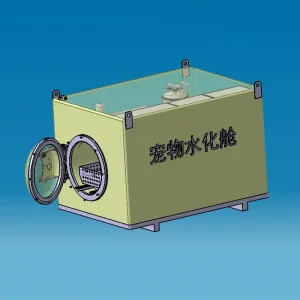
What biological treatment mechanism does the pet hydration chamber employ?
Our pet hydration chambers utilize alkaline hydrolysis (also known as aquamation or green cremation). Inside the sealed, heated vessel, a dilute solution of potassium hydroxide (KOH) and water is circulated around the deceased pet at elevated temperatures. This process accelerates natural decomposition, breaking down organic tissues into safe, sterile amino acids, peptides, and minerals. Compared to traditional thermal cremation, alkaline hydrolysis reduces greenhouse gas emissions by up to 90% and consumes 1/4 the energy.
What quality certifications does Hebei Hongke Qingneng possess?
We hold a comprehensive set of certifications required for executing high-risk mechanical projects: A2 Level Pressure Vessel Manufacturing License, Pressure Pipeline Component Manufacturing License, GB/T19001-2016 (ISO 9001:2015) Quality Management System certification, Sinopec HSSE management system credentials, China Petroleum (CNPC) Health, Safety and Environment Management System certifications, and High-Tech Enterprise status. We are also recognized as an official Langfang Municipal R&D platform.
How does your desulphurisation equipment handle high-concentration hydrogen sulfide?
Our gas sweetening and desulphurisation systems utilize a combination of absorption column designs. For large volume natural gas, we supply amine-based liquid scrubbing columns which absorb H2S and CO2 molecules. For smaller localized pipelines or Coalbed Methane streams, we design multi-stage dry-bed desulfurization vessels containing specialized iron oxide media. Both systems are manufactured using heavy-duty HIC-resistant carbon steel or internally clad materials to ensure complete safety against corrosive acid gas components.
What are the shipping and logistics processes for oversized pressure vessels?
Our Sanhe factory in Langfang is strategically positioned close to Tianjin Port, one of China's largest deep-water sea terminals. Oversized vessels are designed with dedicated heavy lifting lugs and transport saddles. We manage the entire transportation chain, including heavy-haul permits, escorts, and port loading. All vessels are packaged in weather-resistant seaworthy shrink wrap with internal vapor corrosion inhibitors (VCIs) to prevent oxidation during maritime transit to destination countries in Europe, North America, Southeast Asia, and South America.

Discuss Your Infrastructure Specifications with Our Doctoral Engineers

From structural Finite Element Analysis (FEA) to thermal cycle calculation for liquefied gases and complex chemical scrubbing parameters, our team provides academic-grade solutions to global procurement offices.

Submit An Engineering Inquiry
Hongke Project Detail 1 Hongke Project Detail 2 Hongke Project Detail 3 Industrial Facility Detail 1 Industrial Facility Detail 2 Industrial Facility Detail 3 Industrial Facility Detail 4