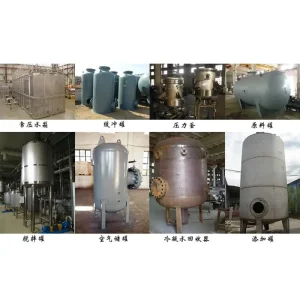
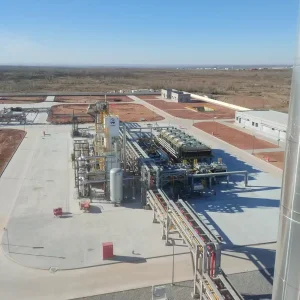
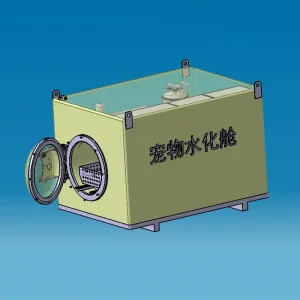
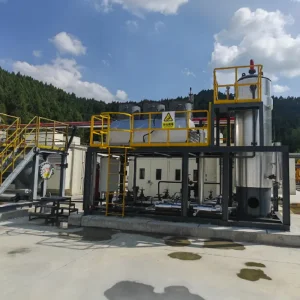
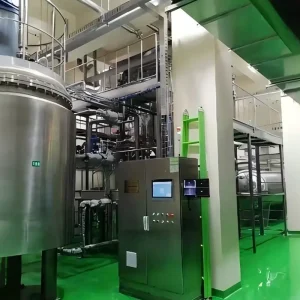
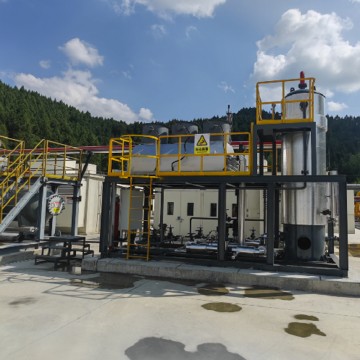
Engineered to withstand critical pressures and extreme temperatures. Explore our high-efficiency solutions.
As the global energy landscape undergoes a paradigm shift toward low-carbon and zero-emission fuels, Liquefied Natural Gas (LNG) has emerged as a cornerstone transitional energy source. Operating under extreme thermodynamic circumstances—typically at storage temperatures of -162°C (-260°F) and operating pressures that range from atmospheric up to high-pressure regimes—LNG demands absolute mechanical integrity. Finding reputable, high-quality LNG pressure vessel suppliers is no longer just a supply chain procurement task; it is a critical safety and asset management concern.
Developing high-performance cryogenic vessels requires deep expertise in materials science, thermal insulation physics, and structural engineering. In this white paper, we explore the core principles of designing and manufacturing custom non-standard pressure vessels that guarantee safe operational life cycles exceeding 20 years.
Standard carbon steel becomes brittle and susceptible to catastrophic failure when exposed to sub-zero cryogenic temperatures. High-quality LNG pressure vessel suppliers utilize specialized alloys, primarily 9% Nickel steel (SA-553 Type I) and austenitic stainless steels (such as SA-240 304/304L and 316/316L). These materials retain high fracture toughness and ductility at cryogenic levels. The chemistry must be tightly controlled to prevent carbide precipitation during welding, which can lead to intergranular corrosion and structural micro-cracks.
The primary thermodynamic challenge of LNG storage is Boil-Off Gas (BOG) control. Excellent insulation performance is achieved using double-walled designs. The inner vessel, containing the cryogenic liquid, is placed inside an outer protective shell. The annular space between them is filled with high-vacuum insulation and perlite or multi-layer reflective materials (super insulation). High-quality engineering must limit the heat leak rate to less than 0.15% per day, preventing pressure buildup and venting losses.
Production must follow strict codes, such as ASME Section VIII Div 1/Div 2 or European EN 13445 standards. Non-Destructive Testing (NDT) is mandatory at every stage. High-quality manufacturers use advanced procedures:
100% X-ray inspection of all longitudinal and circumferential welded joints to ensure zero internal voids or inclusions.
Helium mass spectrometer leak detection checks the vacuum integrity of the annular space, down to leak rates of 1x10^-9 Pa·m³/s.
Structural pressure testing at 1.3x to 1.5x the design pressure confirms mechanical stability and safety margins.
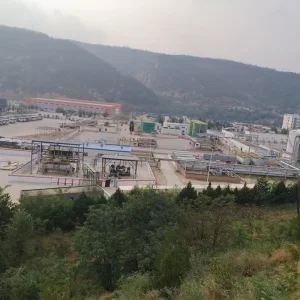
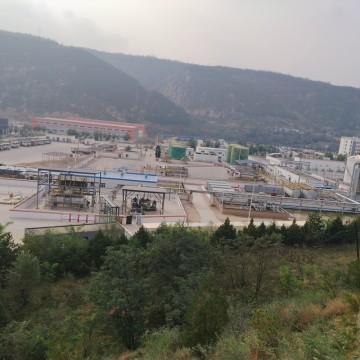
Hebei Hongke Qingneng Environmental Protection Equipment Co., Ltd. was established in June 2021 with a registered capital of 78 million yuan. Located in the industrial base of Sanhe Economic Development Zone, Langfang City, the company focuses on the R&D and manufacturing of energy conservation and environmental protection equipment.
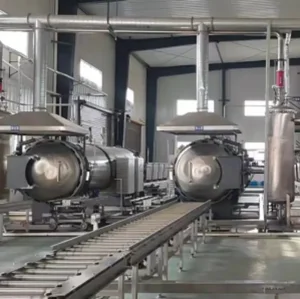
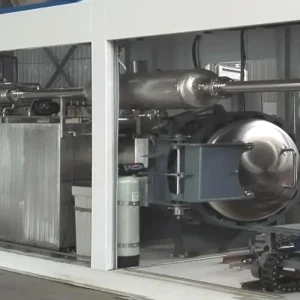
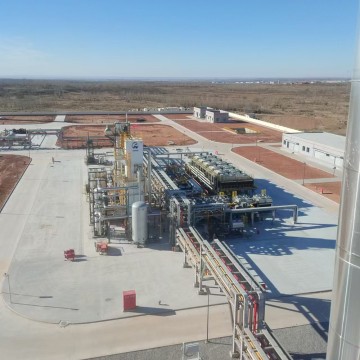
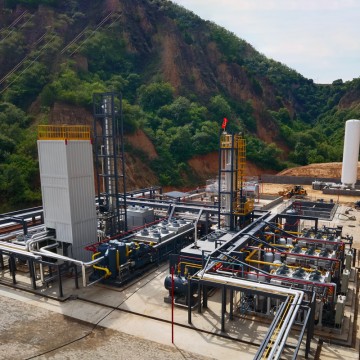
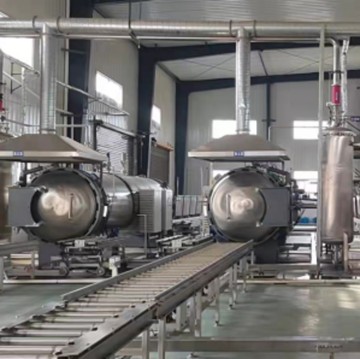
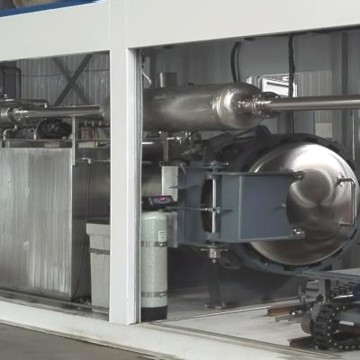
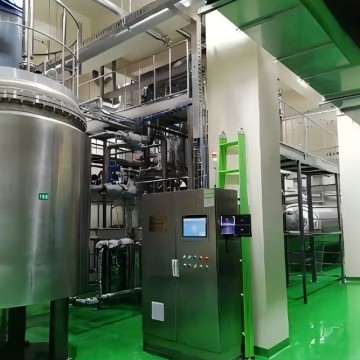
We are a leading engineering force specializing in the design, manufacturing, and skid-mounted assembly of various pressure vessels, medical waste high-temperature steam treatment units, animal tissue treatment systems, biological wastewater treatment systems, and environmental recovery solutions. Our capabilities span coalbed methane, shale gas, natural gas purification, liquefaction, VOC treatment, industrial refrigeration, and BOG tail gas helium extraction.
Our core philosophy, "innovation-driven development, service leading upgrading", guides us in delivering custom skid-mounted setups for energy and environmental projects worldwide.
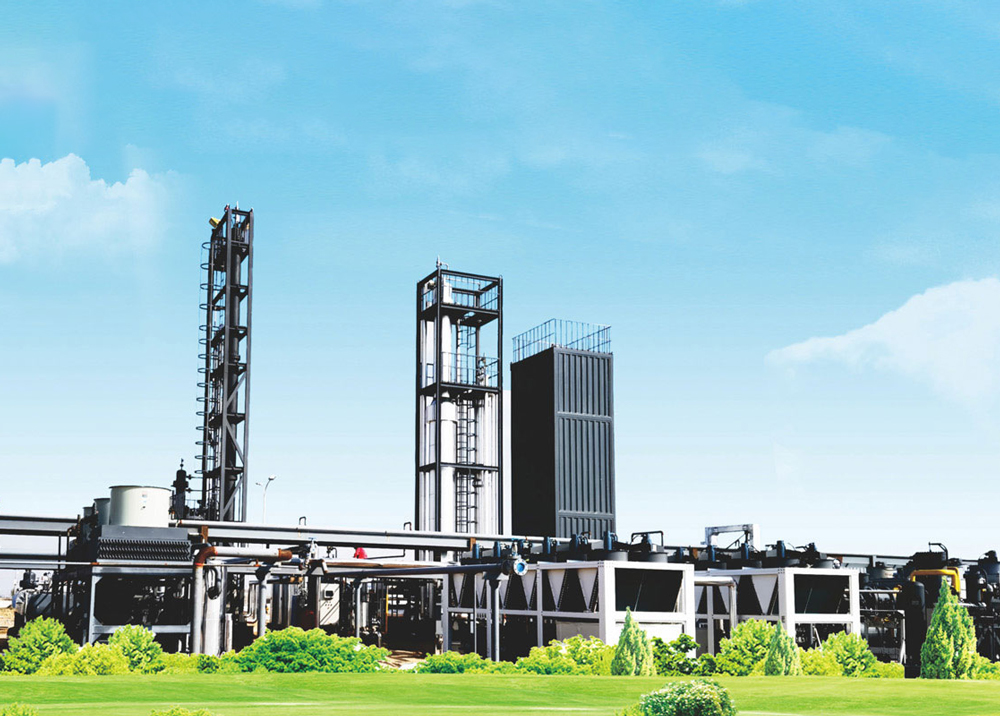
Our R&D team consists of scientists and engineers from Tsinghua University and the Institute of Physics and Chemistry Technology, Chinese Academy of Sciences (CAS).
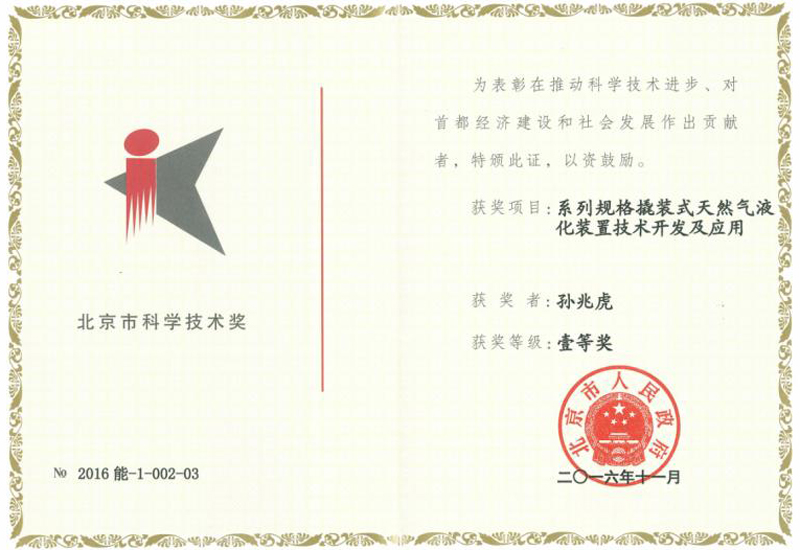
Holds a Ph.D. from the Institute of Physics and Chemistry Technology, Chinese Academy of Sciences. A national senior engineer, Dr. Sun has led the National 863 Program and Aerospace military projects. Awarded the Special Prize of Technological Invention by the Chinese Society of Refrigeration and the Beijing Science and Technology Award.
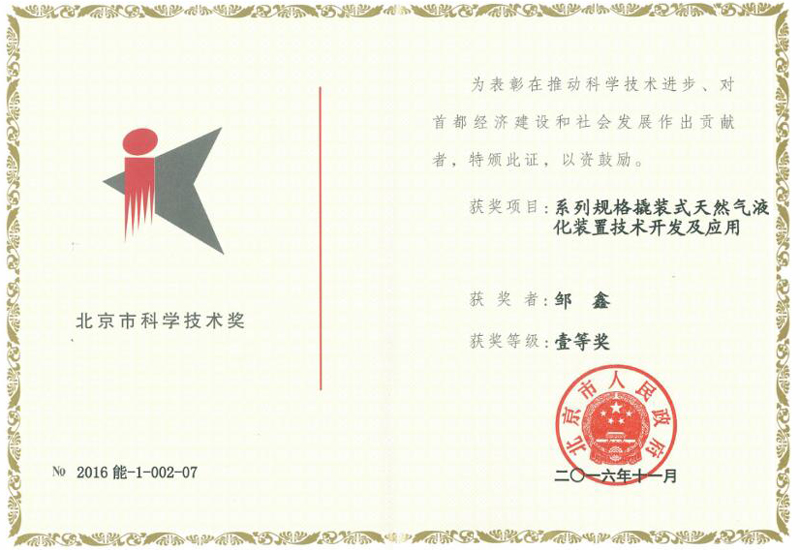
Ph.D. candidate and senior engineer at the CAS Institute of Physics and Chemistry. Over the years, he has led market development and project management, published 24 academic papers (11 SCI/EI), and received the 2016 Beijing Science and Technology Award (First Prize).
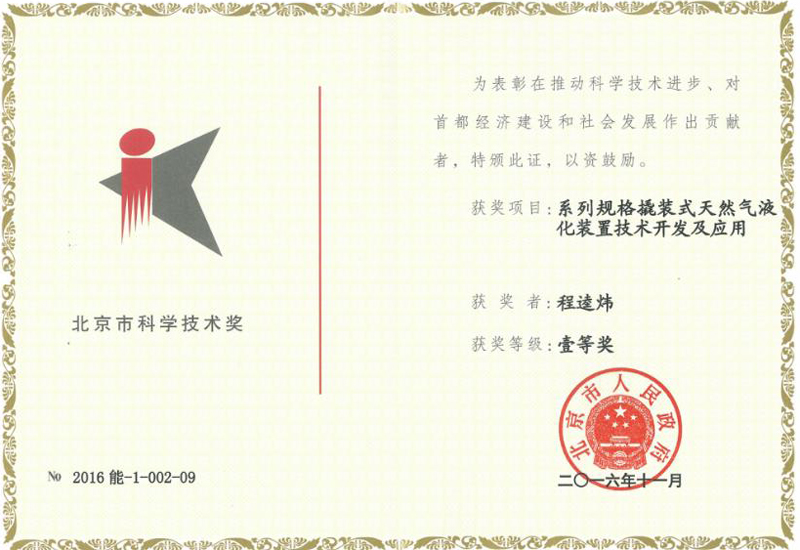
Doctor of Engineering from the CAS Institute of Physics and Chemistry. An expert in process thermodynamics and phase change heat transfer of mixed working media. He designed the process for our series of skid-mounted natural gas liquefaction plants, earning several science and technology awards.
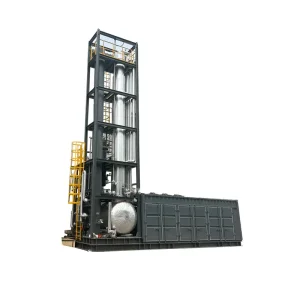
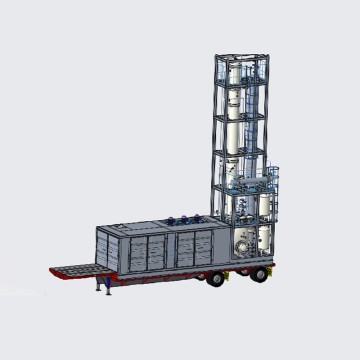
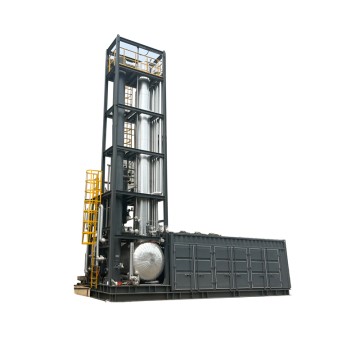
Decentralized natural gas sources, such as associated gas from oilwells, coalbed methane, and shale gas, present clean energy opportunities that are often lost to flaring. To capture these resources, global procurement teams are shifting away from large, static storage farms toward highly flexible, modular, skid-mounted LNG equipment. Custom pressure vessels must be designed for rapid deployment, ease of transport, and structural integrity under variable thermal and mechanical loads.
Additionally, regulatory frameworks demand strict compliance with international standards. We hold the Chinese A2 Level Pressure Vessel Manufacturing License, Pressure Pipeline Component Manufacturing License, GB/T19001-2016 quality system certification, and Sinopec HSSE/China Petroleum Health, Safety, and Environment Management System certifications. This helps global EPC contractors and project developers meet local and international safety regulations.
High-quality LNG vessels are evolving into smart storage systems. Real-time temperature sensors, vacuum loss monitors, and acoustic emission sensors are integrated to detect structural weaknesses before they fail. Through the application of CAS thermal engineering and Tsinghua's simulation methodologies, our research roadmap focuses on developing vacuum layers with lower degradation rates and heat exchanger skids that maximize liquid yields under fluctuating feed-gas pressures.
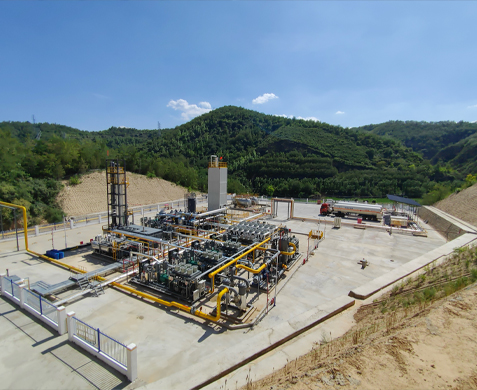
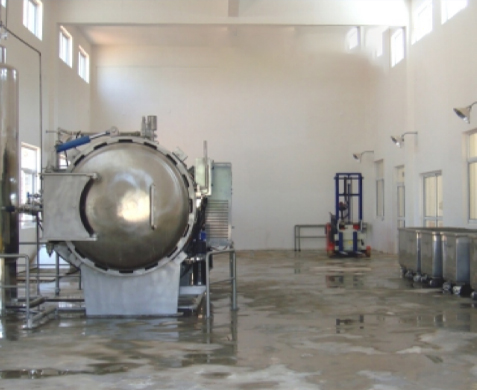
Demonstrated performance in harsh field environments, animal carcass treatment facilities, and centralized medical waste installations.
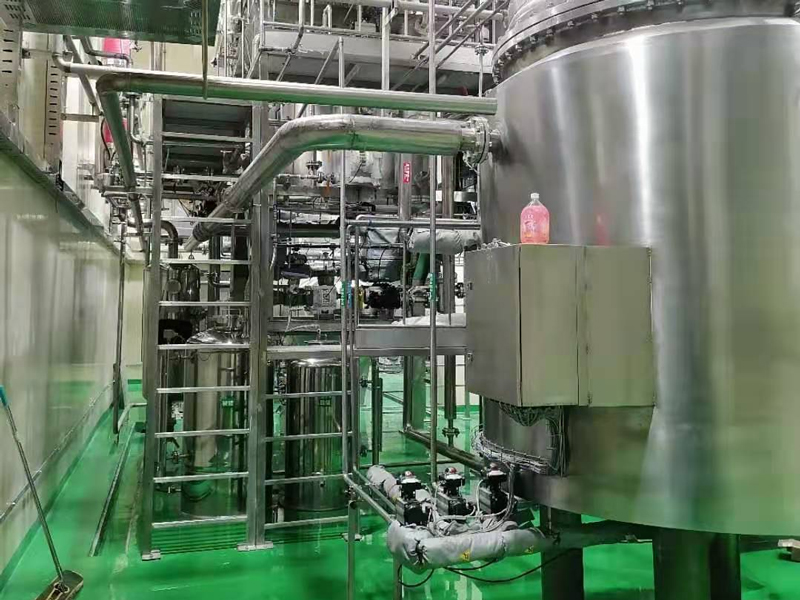
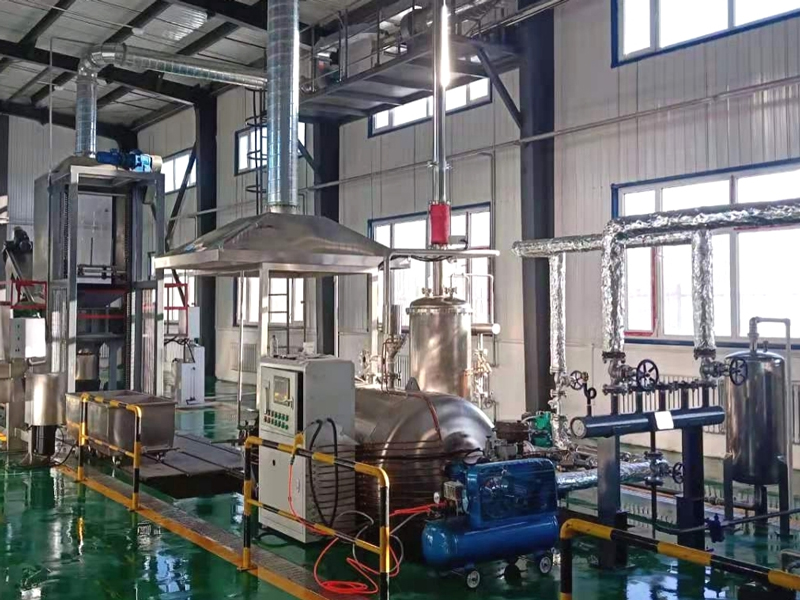
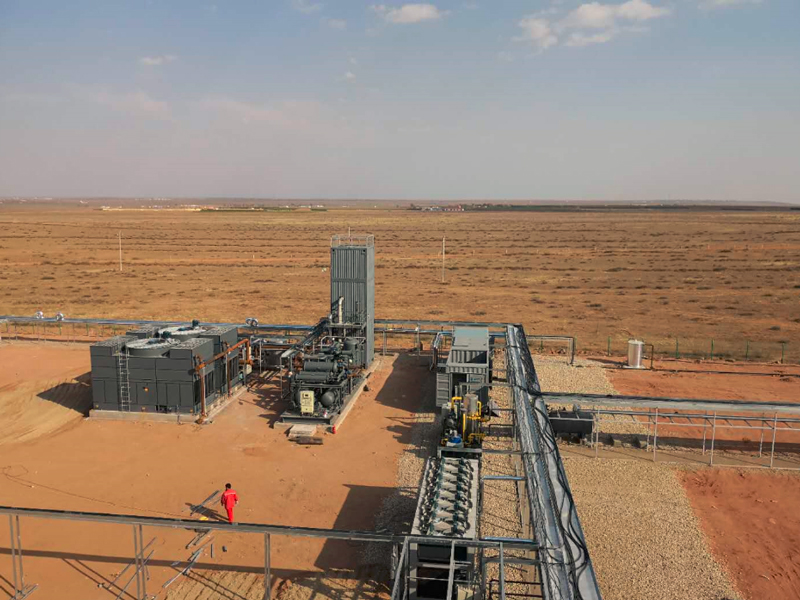
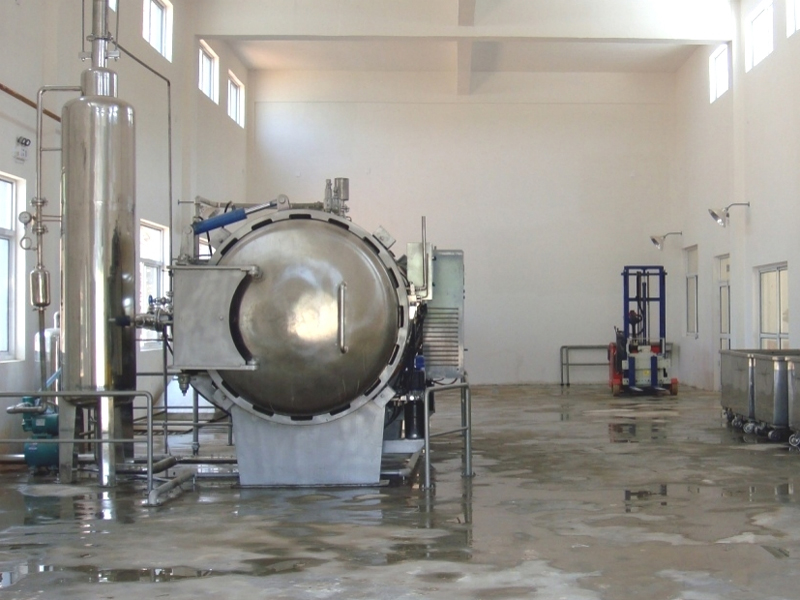
Leveraging academic insights to deliver robust engineering solutions across four industrial fields.




A look at our machining, testing, welding, and quality assurance processes.
Expert insights on LNG pressure vessel design, procurement, and operations.
Consult with our CAS Ph.D. led engineering team on your custom pressure vessel design.
Explore our purification systems, skid-mounted liquefaction plants, and organic waste gas recovery setups.
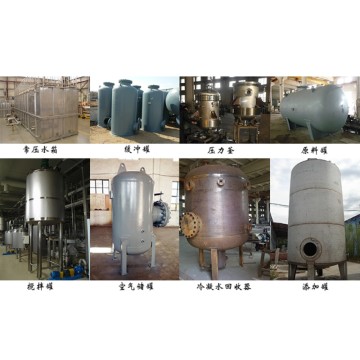
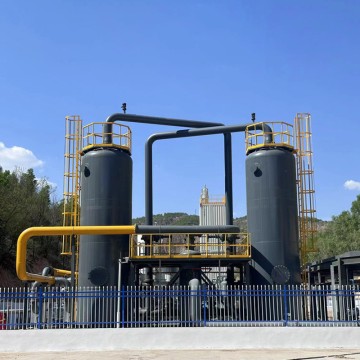
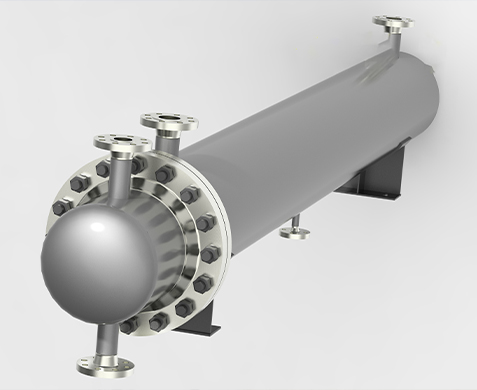
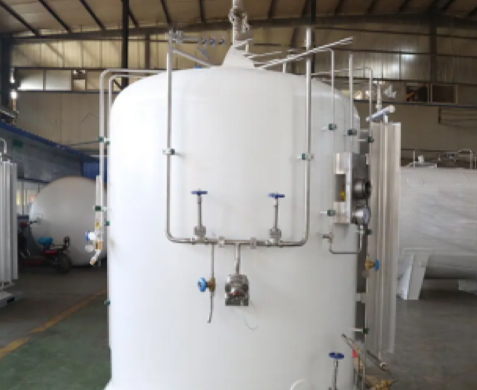
High-integrity components designed for liquefaction plants and recovery skids.
 Hongke Qingneng