Engineered to withstand rigorous pressure, temperature cycles, and environmental factors across heavy industrial systems.
Analyzing global demand trajectories, fluid control optimization, and structural parameters in next-generation thermal management systems.
In modern closed-loop industrial heating, ventilation, air conditioning (HVAC), and chemical processing systems, the role of a small expansion vessel has evolved from a passive containment tank into a critical precision safety component. As thermal fluids absorb heat energy, volumetric expansion occurs. Without a resilient expansion containment strategy, volumetric changes can translate to catastrophic hydraulic spike loads, physical stress on piping joints, and system failure. Leading global manufacturers and systems engineers are prioritizing high-durability, membrane-based pressure containment vessels to optimize energy conservation and security.
Key global procurement trends indicate a significant push towards corrosion-resistant materials, zero-maintenance nitrogen pre-charge retention, and compact forms that offer wide operating temperature bandwidths. Regulatory pressure globally (such as the EU Pressure Equipment Directive, ASME codes, and China’s GB150 guidelines) requires design validation and rigorous certification, meaning suppliers must showcase traceable manufacturing processes and advanced engineering credentials.
Concurrently, small expansion vessels are seeing extensive utilization in cryogenics, LNG skid installations, and biological waste recovery plants. In these applications, thermal expansion is compounded by extremely volatile physical state changes. An expansion vessel with incorrect structural wall calculations or sub-standard bladder elasticity can rupture or leak, presenting both chemical and mechanical hazards. Therefore, procurement agencies are transitioning their focus from simple price-per-unit metrics to multi-variable compliance, structural fatigue ratings, and thermal performance indexes.
Bridging cryogenic research, physics, and state-of-the-art environmental machinery manufacturing.
Our research and engineering core is fueled by professionals from Tsinghua University and the Institute of Physics and Chemistry Technology, Chinese Academy of Sciences (CAS). This academic background allows us to apply deep thermodynamic modeling, cryogenic fluid behaviors, and structural mechanics to every non-standard pressure vessel and expansion tank we design.
Hebei Hongke Qingneng Environmental Protection Equipment Co., Ltd. holds the elite A2 level pressure vessel manufacturing license, alongside the pressure pipeline component manufacturing license. Every design complies with GB/T19001-2016 quality systems, and is certified for Sinopec HSSE and China Petroleum HSE systems.
Established with a registered capital of 78 million yuan in Langfang City's Sanhe Economic Development Zone, our facility is equipped with automated fabrication, advanced welding technology, and non-destructive testing (NDT) labs to ensure structural reliability across environmental, waste, and oil/gas fields.
Founder & Chairman | CAS Ph.D.
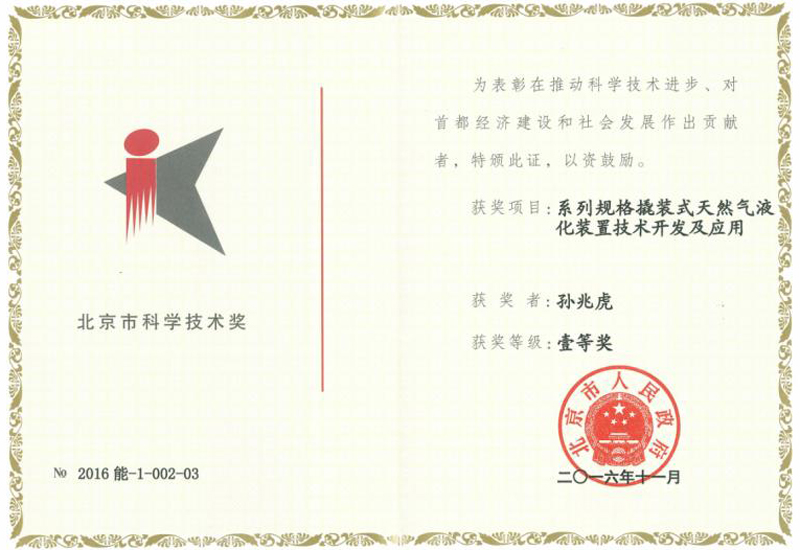
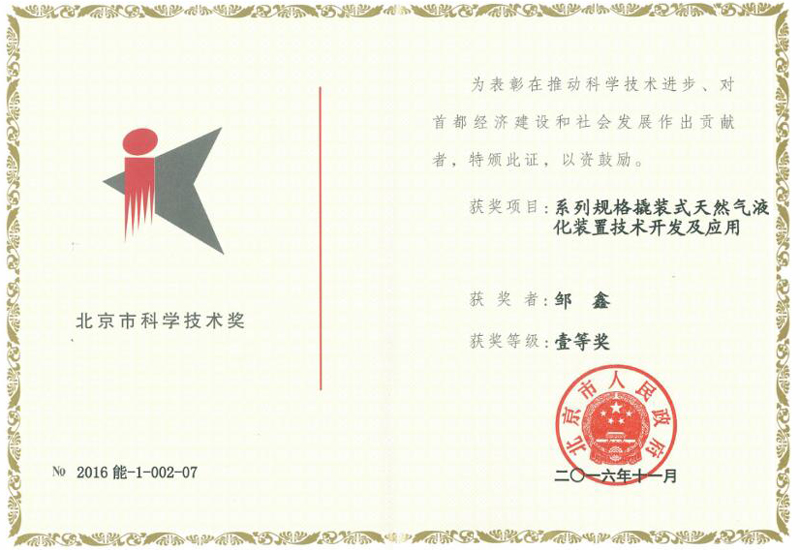
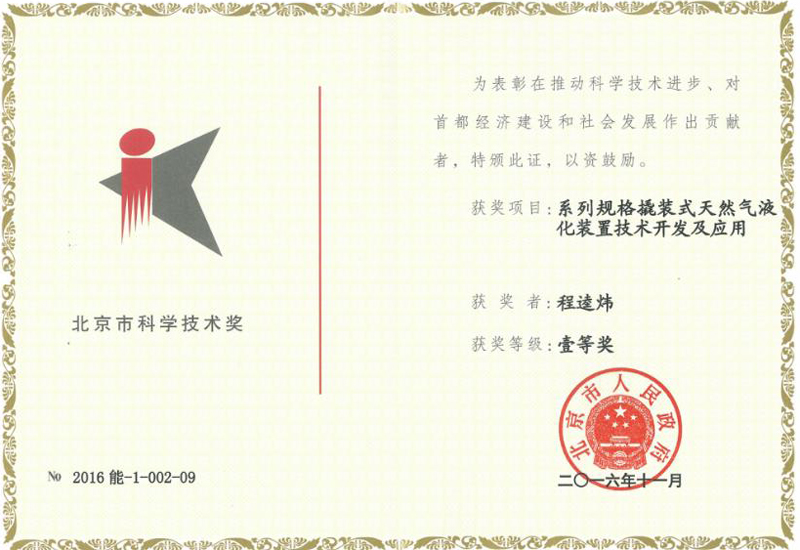
National senior engineer. Presided over the National 863 Program, natural science foundation research, and military-aerospace engineering. Awarded the Special Prize of Technological Invention of Chinese Society of Refrigeration and Beijing Science and Technology Award.
General Manager | CAS Ph.D. Candidate
Senior engineer with multiple scientific publications in international SCI/EI journals. Recipient of the China Refrigeration Society Technological Invention Special Award and Silver Medal at the 19th China International Industry Expo.
Chief Engineer | CAS Doctor of Engineering
Specialist in skid-mounted natural gas liquefaction systems. Renowned expert in phase change heat transfer characteristics and flow properties of multi-component working mediums inside high-pressure vessels.
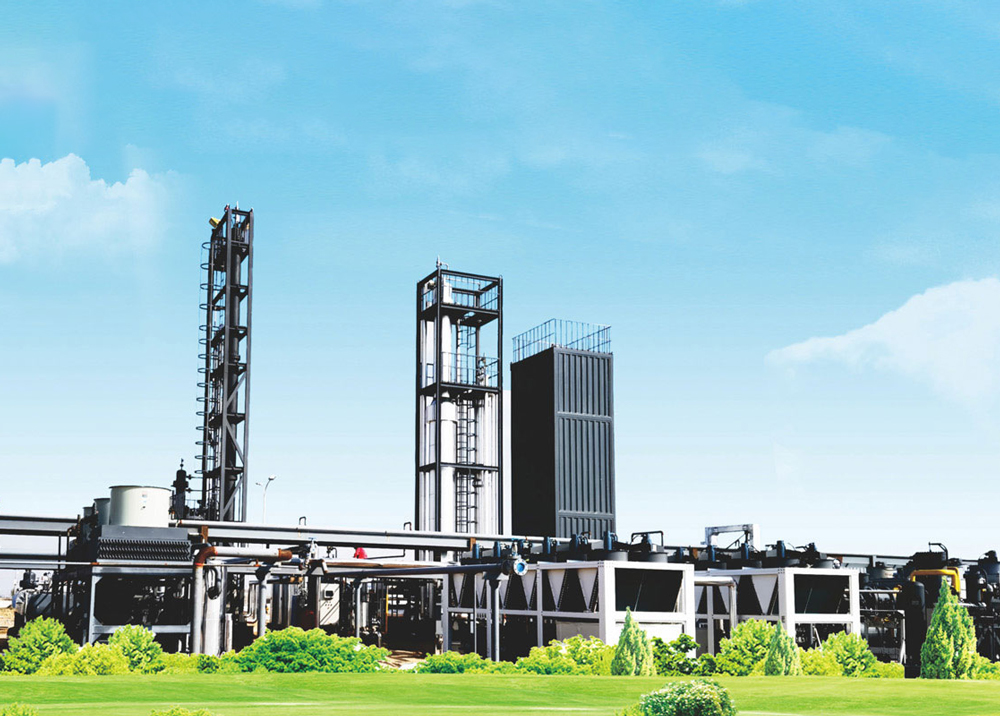
Our Langfang production hub harnesses the efficiency of Factory 4.0 protocols. By coupling computational fluid dynamics (CFD) with automated submerged-arc welding machines, we control structural variance down to the sub-millimeter scale. For international buyers sourcing small expansion vessels and associated process pressure systems, our regional positioning provides unprecedented logistics advantages.
Operating out of the Sanhe Economic Development Zone, Langfang, we have rapid supply chain paths for quality carbon steel (Q345R), premium stainless steel (SS304/SS316L), and proprietary synthetic elastomers (butyl/EPDM membranes). This dense industrial grid reduces procurement lead times by up to 35% compared to isolated manufacturers, guaranteeing prompt delivery cycles even during complex custom manufacturing workflows.
Unmatched Quality Assurance: Every small expansion vessel, heat exchanger, or cryogenic purification module undergoes non-destructive radiographic testing, hydrostatic pressure tests exceeding design rating by 1.5 times, and high-frequency helium leak detection tests.
Designed for industrial refrigeration, mechanical HVAC, high-temperature sterilization, and chemical process plant loops.
| Parameter Class | Technical Specifications | Industrial Application Focus |
|---|---|---|
| Material Options | SS304, SS316L, Q345R Carbon Steel, Special Alloys | Chemical process, high-purity water, cryogenic fluids |
| Volume Capacity Range | 2 Liters to 150 Liters (Small Vessel Category) | HVAC expansion, skid units, laboratory sterilizers |
| Design Pressure (Max) | Up to 1.6 MPa - 4.0 MPa (Custom High-Pressure Limits) | High-temperature steam sterilization, natural gas skids |
| Working Temperature Bandwidth | -40°C to +180°C (Elastomer Dependent) | Cryogenic gas control, cooling towers, industrial boilers |
| Elastomer Bladder Materials | EPDM, Butyl Rubber, Viton (High Chemical Resistance) | Corrosive chemical fluid loops, clean water systems |
| Regulatory Standards Compliance | GB150, A2 License, ASME Sec VIII Div 1 (Optional), PED-CE | Global procurement and legal field installations |
Deploying reliable fluid control across natural gas recovery, medical waste purification, and extreme industrial refrigeration.
Integrating small expansion vessels in high-temperature autoclaves and mobile steam units to regulate pressure variations during rapid vaporization phases, protecting valuable steam valves from thermal fatigue.
Designed for low-temperature freeze dryers (-70°C to -100°C) and vacuum cold traps (-135°C), ensuring cryogenic media expand safely during scheduled system defrosting periods.
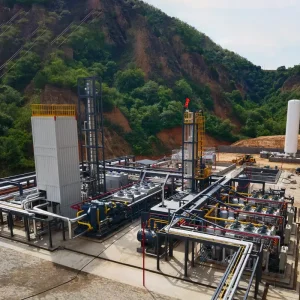
Managing liquid-to-gas transitions within coalbed methane, shale gas, and vehicle-mounted LNG skid-mounted plants, preventing overpressurization in heat exchangers and heavy hydrocarbon removal loops.
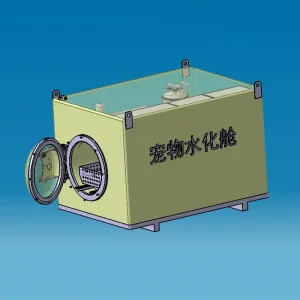
Managing pressure cycles in laboratory animal carcass tissue processing and high-temperature hydrolysis equipment, safeguarding seals from fluctuating organic vapor pressures.
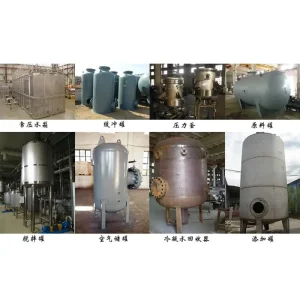
Proven environmental and process plant designs manufactured with scientific precision and dynamic scalability.
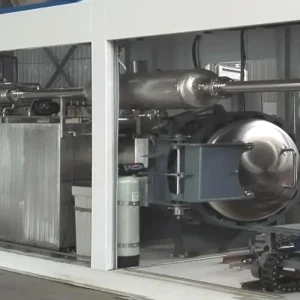
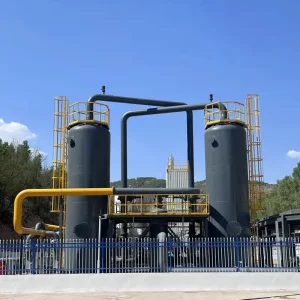
Incorporating liquid phase change buffer vessels with precise heat load balancing.
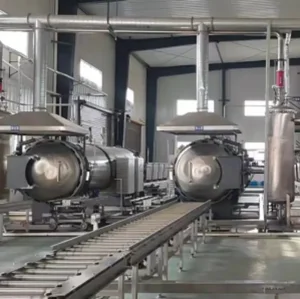
Automated production lines executing ASME-grade integrity welds on carbon and alloy vessels.
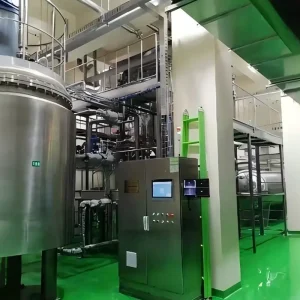
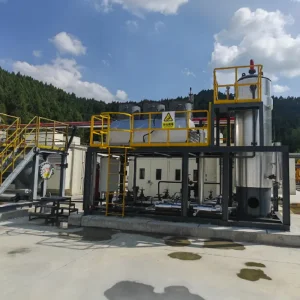
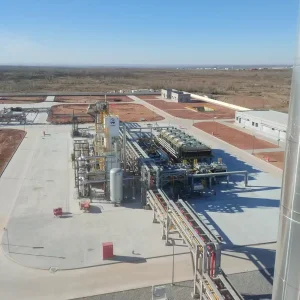
Multi-vessel pressure lines installed at environmental waste processing centers.
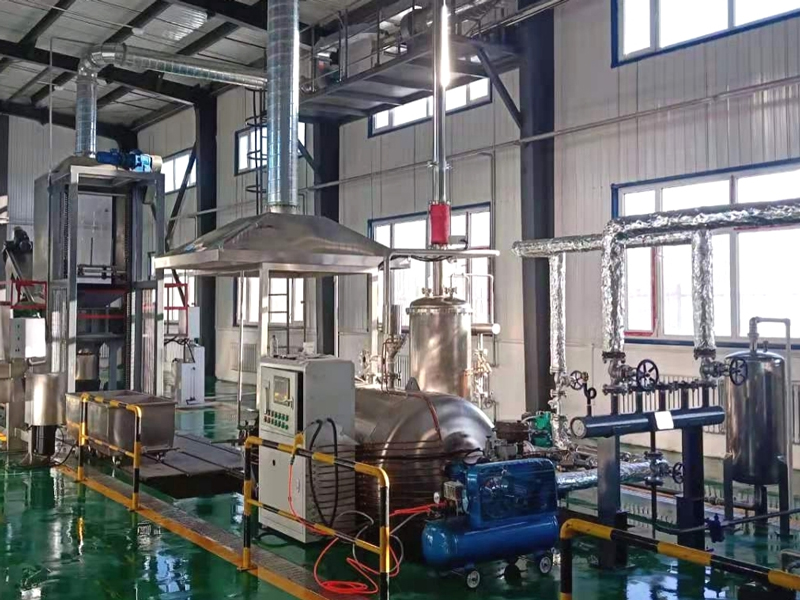
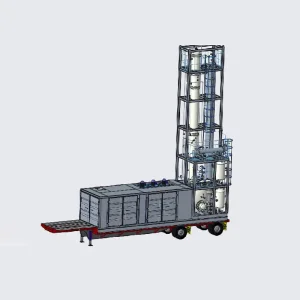
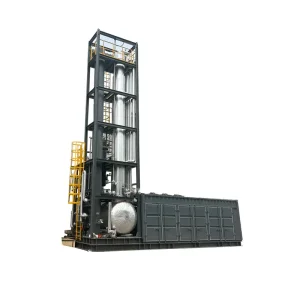
Compact mobile modules combining thermal energy recovery and expansion containment.
Answering major global engineering concerns regarding materials, compliance, pre-charge pressures, and sizing metrics.
Delivering high performance, safety compliance, and robust reliability for global industrial systems.
 Hongke Qingneng