Advanced non-incineration technologies designed for hospital systems, environmental agencies, and chemical plants across Cairo, Alexandria, and Suez.
Under the framework of Egypt Vision 2030 and the newly enforced Waste Management Law No. 202 of 2020, the Egyptian Ministry of Health and Population is actively driving the modernization of hospital operations and hazardous waste collection networks. Egypt produces upwards of 100,000 tons of medical waste annually. Historically, centralized incineration has been the standard method. However, logistic delays, rising fuel costs for specialized transport, and strict urban emission laws in major metropolitan areas like Greater Cairo and Alexandria have rendered the traditional system inefficient and high-risk.
Mobile and containerized medical waste sterilization units present an ideal alternative, allowing remote clinics in the Red Sea Governorate, rural hospitals along the Nile Delta, and highly populated Cairo municipal facilities to render infectious waste inert on-site. By sterilizing waste using high-pressure steam before disposal, transport risks are eliminated, and disposal costs drop dramatically.
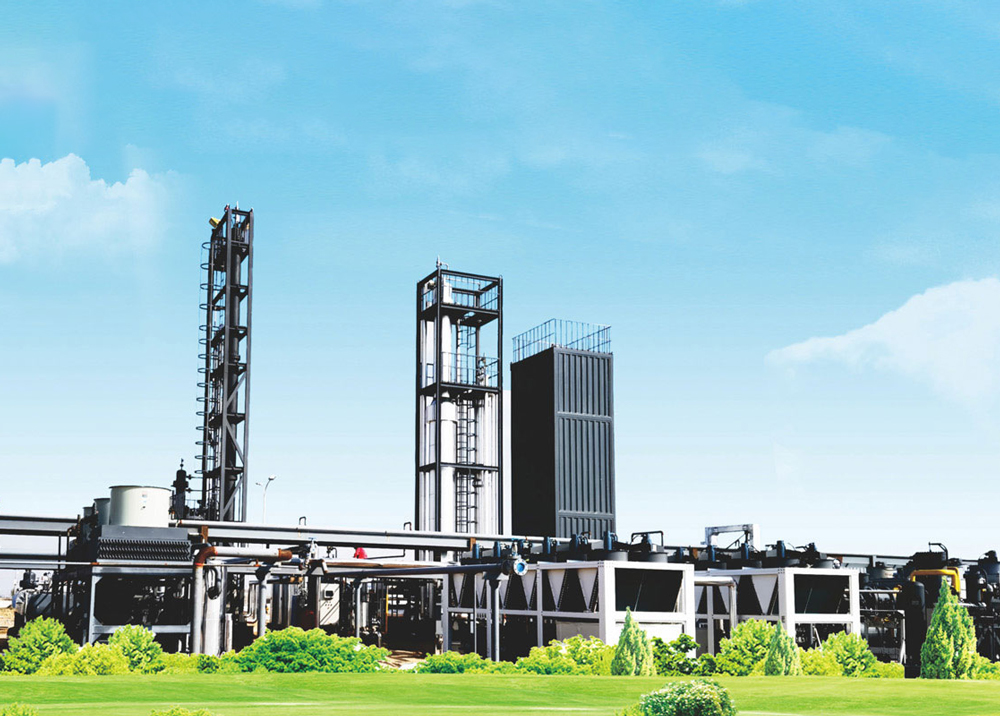
Internationally, the World Health Organization (WHO) and UNEP actively recommend non-incineration technologies for the treatment of bio-hazardous wastes, pointing to the toxic dioxin and furan emissions associated with combustion. High-temperature steam sterilization (autoclaving), especially when paired with an integrated shredder, has emerged as the global benchmark. It achieves a microbial inactivation level exceeding 99.9999% (Log 6 reduction).
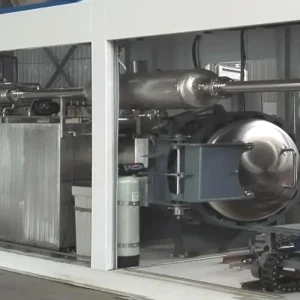
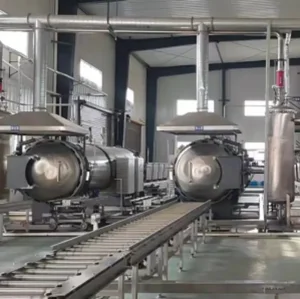
Mobile autoclaves integrate steam generation, sterilization chamber, shredding mechanisms, and effluent air filtration systems into single ISO-standard containerized designs. This plug-and-play capability allows hospital chains, defense organizations, and municipal waste operators to scale their treatment capacities rapidly without complex site permits or lengthy civil construction phases.
In high-ambient-temperature regions like Egypt, the preservation and transport of unsterilized medical waste quickly leads to odor and pathogen proliferation. Mobile steam treatment allows instantaneous sterilization, preventing public health risks while consuming up to 70% less energy per ton compared to high-temperature incinirators.
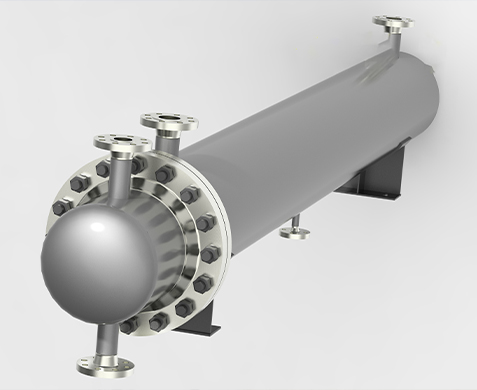
Combining world-class academic R&D with advanced automated production lines to deliver cost-effective and highly reliable heavy environmental equipment.
Our core processes are designed in partnership with top scientific brains from Tsinghua University and the Institute of Physics and Chemistry Technology (CAS). This ensures peak thermal efficiency and fluid dynamics inside every autoclave vessel.
Equipped with state-authorized A2 manufacturing licenses. Every weld is non-destructively tested to withstand continuous high pressure and temperature cycles, meeting ASME-equivalent standards for safety and longevity.
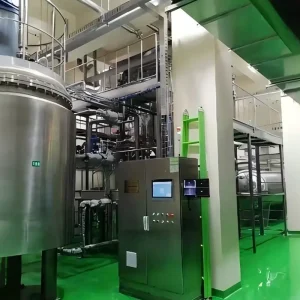
By housing design, raw steel cutting, automatic welding, piping assembly, and intelligent PLC control integration in our Langfang base, we shorten lead times by 35% compared to Western suppliers while keeping costs competitive.
Our technologies are driven by leading thermal scientists with decades of national project management experience.
Dr. Sun Zhaohu (Founder & Chairman): Holding a Ph.D. from the Institute of Physics and Chemistry Technology, Chinese Academy of Sciences (CAS), Dr. Sun is a national senior engineer. He has led major research programs under the China 863 Program and national science foundations. His proprietary engineering designs in thermodynamic phase transitions have earned first-class technological innovation awards.
Zou Xin (General Manager): A Ph.D. candidate and senior engineer, Zou has managed large-scale aerospace, gas treatment, and environmental projects. With 24 academic papers and 5 invention patents, he oversees the rigorous quality assurance protocols that drive our production line.
Dr. Cheng Kuwei (Chief Engineer): A specialist in mixed working medium thermodynamics, Dr. Cheng translates basic science into industrial skid-mounted solutions, ensuring optimal heat recovery and low power demand in high-capacity equipment.
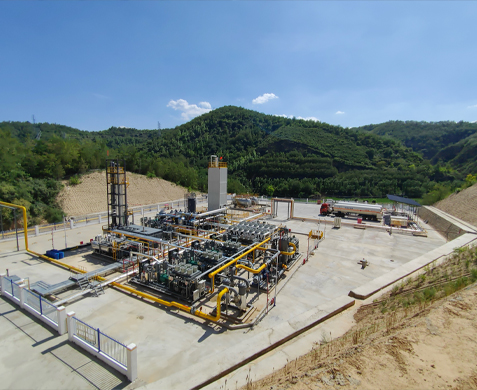
Flexible deployment modes addressing logistical challenges in historical regions, coastal areas, and central hubs.
Resort areas like Sharm El Sheikh require high environmental hygiene but lack large central waste facilities. Containerized mobile autoclaves enable hotels and local clinics to treat biomedical waste without trucking biohazards across hundreds of kilometers of desert roads.
Dense urban areas generate massive volume. Trailer-mounted mobile autoclaves serve as rapid emergency deployment units to assist municipal facilities when stationary plants undergo maintenance or during medical supply spikes.
Bio-research facilities and maritime centers require specialized sterilization for animal carcasses, hazardous cell cultures, and biopharmaceutical research effluents. Our customized high-temperature hydrolysis and autoclaving systems resolve these hazards safely.
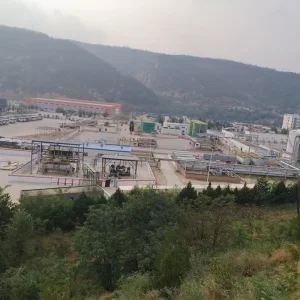
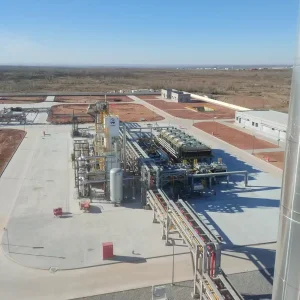
Demonstrated performance in large-scale biological, natural gas, and hazardous waste treatment projects.
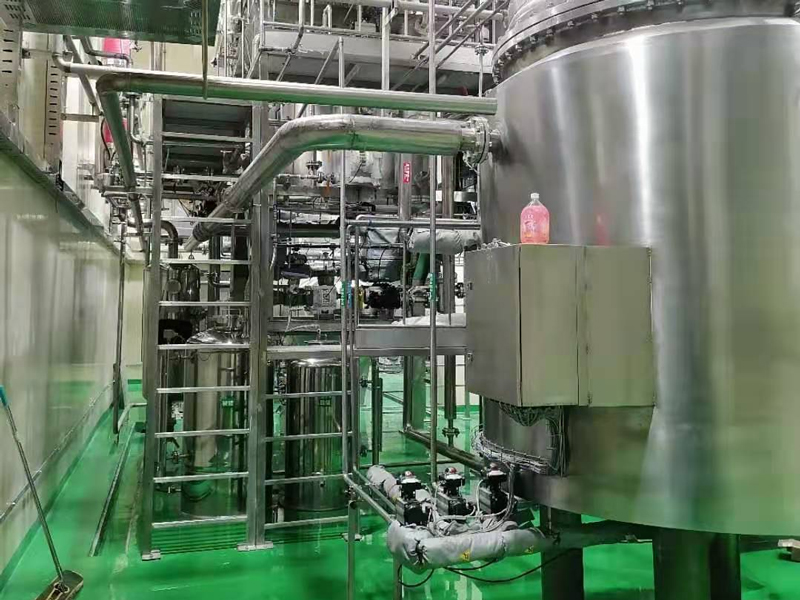
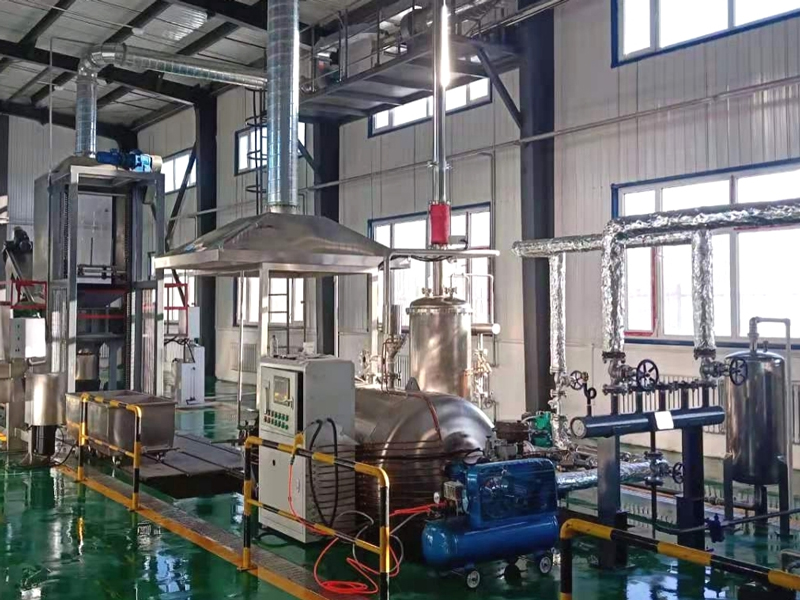
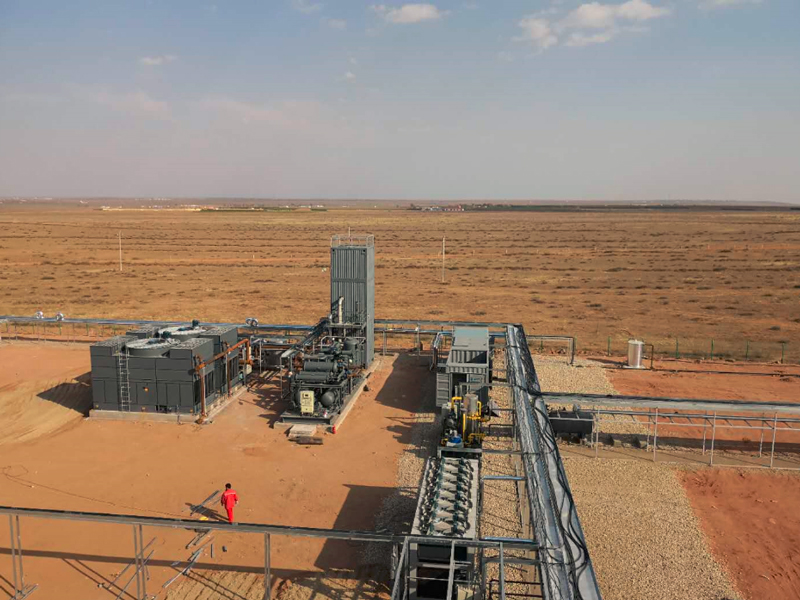
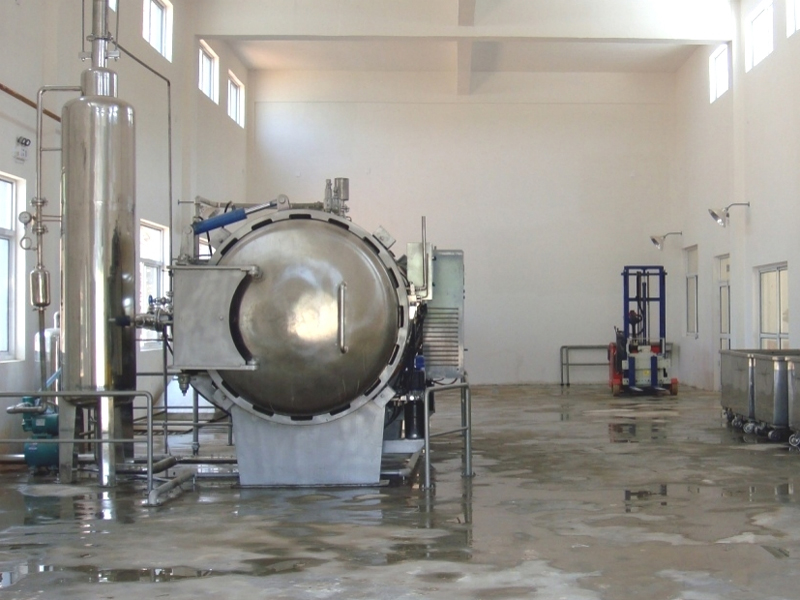
What engineers, hospital procurement teams, and municipal partners look for when investing in mobile autoclaves.
Evaluating sterilization suppliers goes beyond comparing price. In a specialized industry involving high-pressure equipment, engineering compliance and lifetime support are critical parameters:
By mounting all essential systems (water treatment, steam boiler, shredder, chamber, controller) inside a standard shipping container framework, installation tasks are streamlined. Upon arriving at an Egyptian port or inland facility, the mobile container requires only main power and water connections to begin working immediately, drastically lowering structural engineering costs.
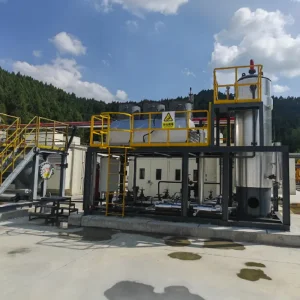
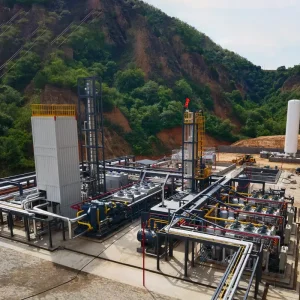
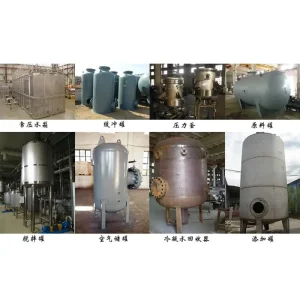
Explore our complete manufacturing capabilities, including gas treatment plants, non-standard pressure vessels, and cryogenic refrigeration systems.
Technical details, operational guidelines, and shipping answers regarding mobile sterilization exports to Egypt.
 Hongke Qingneng