Engineered skid systems, advanced pressure vessels, and comprehensive separation units designed to support global green transition projects.
Analyzing macro trends, regulatory evolution, and high-efficiency purification system design.
In modern industrial processes, the removal of sulfur compounds—specifically hydrogen sulfide (H₂S), sulfur dioxide (SO₂), and organic sulfides (COS, mercaptans)—remains critical for asset preservation, regulatory compliance, and environmental stewardship. The petrochemical, coal chemical, metallurgical, and biogas industries face mounting pressure from international environmental frameworks. Modern regulations, such as the European Union’s Industrial Emissions Directive, US EPA Clean Air Act mandates, and China’s stringent dual-carbon targets, require refining and processing facilities to optimize their sulfur recovery and desulfurization performance.
Industrial desulfurization systems are no longer secondary utilities; they are core capital assets directly integrated into the processing flowsheets of natural gas sweetening plants, biogas operations, refinery tail gas units, and chemical synthesis installations. Historically, sulfur removal relied on oversized amine scrubbing units. Today, the sector demands highly selective, modular, and energy-efficient skid-mounted solutions that combine gas pre-treatment, chemical desulfurization, dehydration, and heavy hydrocarbon removal in single, cohesive footprints. This technological integration prevents catalyst poisoning down-stream, avoids pipeline embrittlement from sour gases, and maximizes plant uptime.
Academic Excellence Combined with Advanced Manufacturing Capabilities
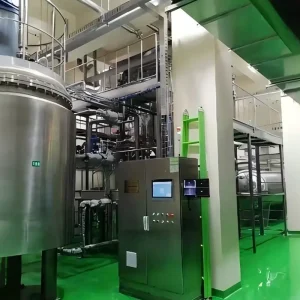
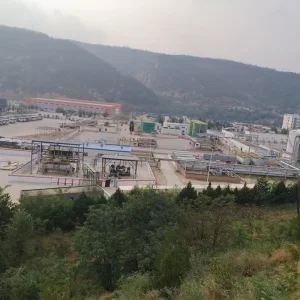
Hebei Hongke Qingneng Environmental Protection Equipment Co., Ltd. was established in June 2021 with a registered capital of 78 million yuan. Situated in the Sanhe Economic Development Zone industrial base in Langfang City, the company specializes in the R&D and production of advanced energy conservation and environmental protection systems.
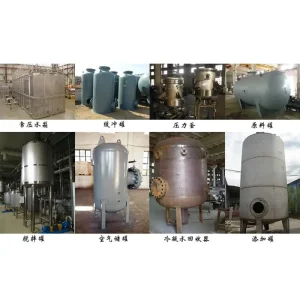
Our core capabilities range from designing and manufacturing various code-compliant pressure vessels, medical waste high-temperature steam treatment units, and biological wastewater systems, to skid-mounted gas treatment units. We focus on natural gas, coalbed methane, and shale gas purification and liquefaction, VOC abatement, chemical tail gas processing, and helium extraction from BOG gas.
By blending deep engineering expertise with rigorous quality management standards, we provide one-stop, EPC-ready skid designs that meet global environmental standards. Our focus on technology-led scaling enables operators to recover resources efficiently while meeting emission caps.
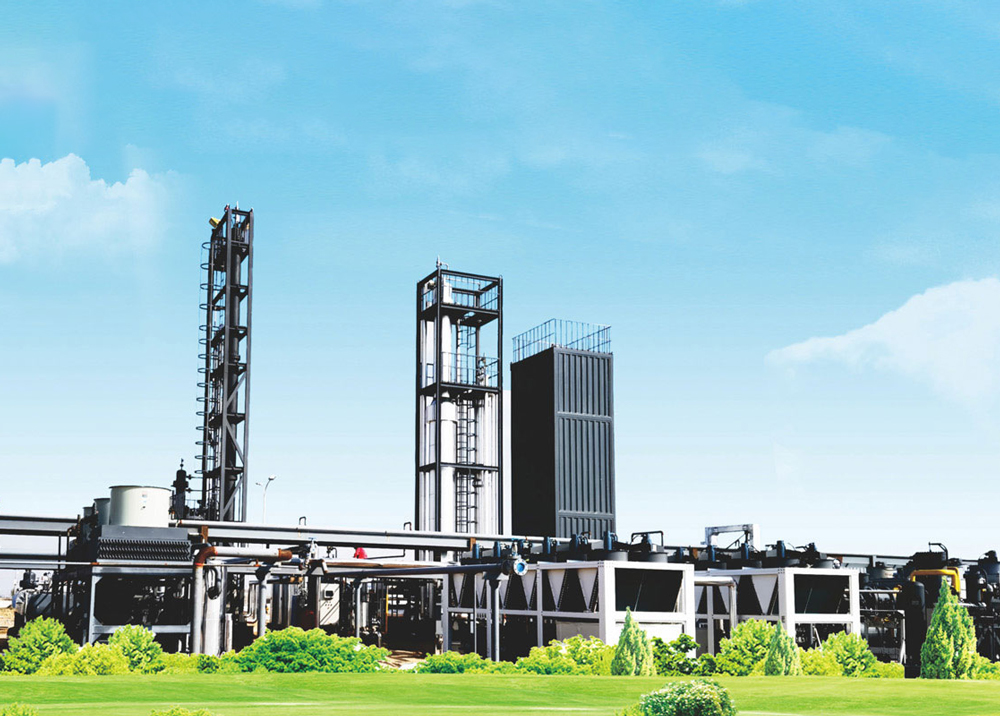
Our engineering core is powered by research collaborations with institutions like Tsinghua University and the Institute of Physics and Chemistry Technology of the Chinese Academy of Sciences (CAS). We have translated academic research into practical, skid-mounted gas treatment and liquefaction solutions with a robust patent portfolio.
We maintain an A2-level pressure vessel manufacturing license, pressure pipeline component manufacturing license, GB/T19001-2016 quality system certification, and HSE management system certifications from Sinopec HSSE and CNPC. We are also recognized as a High-Tech Enterprise and Langfang Municipal R&D Platform.
Our environmental systems support gas recovery, carbon reduction, and emission control. By enabling flare gas recovery and high-efficiency desulfurization, we help industrial operators reduce methane emissions and air pollution while meeting national carbon goals.
An overview of dry, wet, and biological desulfurization routes for diverse industrial feeds.
Selecting a desulfurization route depends on factors such as H₂S concentrations in the feed gas, operating pressures, carbon dioxide co-existence, flow rates, and downstream purity requirements. Below is a breakdown of the primary technology pathways applied in Hongke Qingneng systems:
| Desulfurization Type | Common Reagents / Medium | Suitable Inlet H₂S Range | Typical Applications | Key Process Advantages |
|---|---|---|---|---|
| Amine Scrubbing (MDEA / MEA) | Aqueous solutions of methyldiethanolamine, custom formulated activators. | 0.1% to >10% vol. H₂S | Natural gas sweetening, refinery tail gas, coal syngas. | Highly selective for H₂S over CO₂; regenerable solvent reduces chemical consumption. |
| Dry Desulfurization | Iron Oxide (Fe₂O₃), molecular sieves, activated carbon beds. | Trace concentrations to 2000 ppm | Biogas plants, wellhead gas, fuel gas polishing. | Low capital cost, simple operation, removes sulfur down to ppb levels. |
| Biological Desulfurization | Thiobacillus bacteria under controlled temperature & pH. | 500 to 10,000 ppm | Agricultural biogas, wastewater treatment gas. | Eliminates hazardous waste; low utility requirements; biological sulfur byproduct. |
| Exhaust Recovery Systems | Adsorption and thermal extraction beds. | Varies based on tail gas | Natural gas treatment plant exhausts, tail gas plants. | Recovers waste hydrocarbons; cuts emission penalties; integrates with RTO systems. |
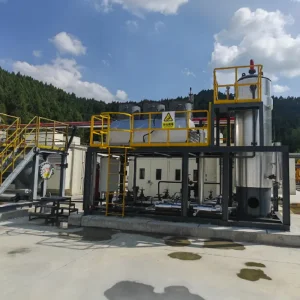
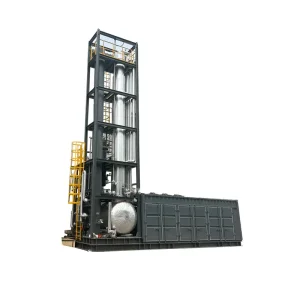
Our skid-mounted desulfurization designs integrate pre-filtration, liquid-gas separation, sweetening towers, solvent regeneration, and polishing beds. By coupling these processes with cryogenic refrigeration (-40°C to -180°C) developed with CAS, we achieve deep gas cleanup alongside deacidification, dehydration, and heavy hydrocarbon removal. This protects downstream units from freezing during LNG conversion and gas transmission.
How our desulfurization and purification technologies adapt to varying industrial environments globally.
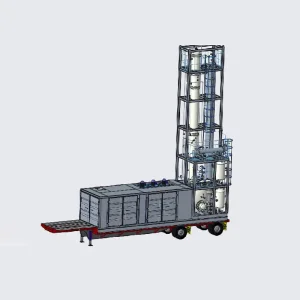
Isolated wellheads and offshore oilfields often struggle with associated gas containing high levels of H₂S and CO₂. Venting or flaring this gas causes environmental damage and brings regulatory penalties. Our skid-mounted, vehicle-mounted LNG and purification units allow operators to sweeten, dehydrate, and liquefy this gas directly at the wellhead, turning waste gas into commercial LNG.
Chemical and biopharmaceutical plants generate complex off-gas containing volatile organic compounds (VOCs), acidic gases, and sulfur derivatives. Using custom non-standard pressure vessels and thermal oxidizer skids, we design multi-stage scrubbing systems that isolate toxic compounds, neutralizing H₂S to elemental sulfur while scrubbing VOCs to meet local clean air standards.
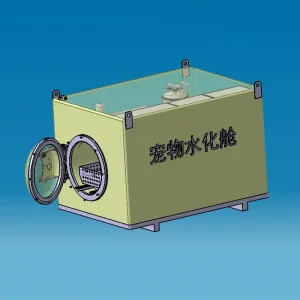
Biological waste processing requires careful gas treatment to prevent the release of odors and biological hazards. Our medical waste high-temperature steam treatment and animal carcass hydrolysis systems integrate direct-contact deodorizing and desulfurizing carbon beds, ensuring all exhaust gases are fully sterilized and treated before release.
Why sourcing from Langfang Sanhe Economic Zone ensures lower costs and reliable delivery.
The manufacturing facility of Hebei Hongke Qingneng is situated in the Langfang Economic Development Zone, placing us near northern China's industrial supply hubs. Our supply chain is structured to mitigate the logistics risks and component shortages that often delay complex engineering projects.
1. Direct Metallurgical Access: We procure high-grade specialty steels, carbon steels, and corrosion-resistant alloys (such as SS316L, duplex steels, and NACE-compliant metals for sour gas service) directly from leading local steel mills. This direct sourcing keeps our raw material costs low and ensures fast delivery times.
2. In-House Assembly and Testing: Because our core processes—including structural skid fabrication, automated welding, non-destructive testing (NDT), heat treatment, and instrumentation—are handled in-house, we retain tight control over production schedules. This allows us to avoid sub-contractor delays and verify quality at every step.
3. Convenient Port Logistics: Located near the Beijing-Tianjin corridor, we have direct access to Tianjin Port and major expressways. This helps simplify logistics for large skid-mounted equipment, allowing us to ship bulky cargo safely and cost-effectively to international destinations.
Meet the PhDs and senior engineers driving our R&D and patent portfolios.
Dr. Sun holds a PhD from the Institute of Physics and Chemistry Technology, Chinese Academy of Sciences (CAS), and is a certified Senior Engineer. He has led projects under the National 863 Program, the Natural Science Foundation, and various aerospace, military, and CAS knowledge innovation programs. His work has earned multiple industry awards, including the first prize of the Beijing Science and Technology Award (2016) and the Special Prize of Technological Invention from the Chinese Society of Refrigeration (2015). Under his leadership, the company has secured over 20 proprietary patents and deployed more than 50 skid-mounted liquefaction and environmental systems across China.
Zou Xin is a PhD candidate and Senior Engineer at the Institute of Physics and Chemistry Technology, CAS. He has managed the company's market and engineering operations for several years, working on key initiatives like the "12th Five-Year" national science and technology special projects. He has published 24 academic papers (including 11 indexed in SCI/EI) and holds 5 national invention patents. His work earned the Silver Medal at the 19th China International Industry Expo in 2017 and the First Prize of the Beijing Science and Technology Award in 2016.
Dr. Cheng received his Doctor of Engineering from the Institute of Physics and Chemistry Technology, CAS. He specializes in thermal processes, phase change heat transfer, and mixed refrigerant flows. He led the design of our skid-mounted natural gas liquefaction systems, winning the Special Prize from the Chinese Refrigeration Society. At Hongke Qingneng, he oversees process design, ensuring our desulfurization, dehydration, and refrigeration skids are optimized for energy efficiency and reliable continuous operation.
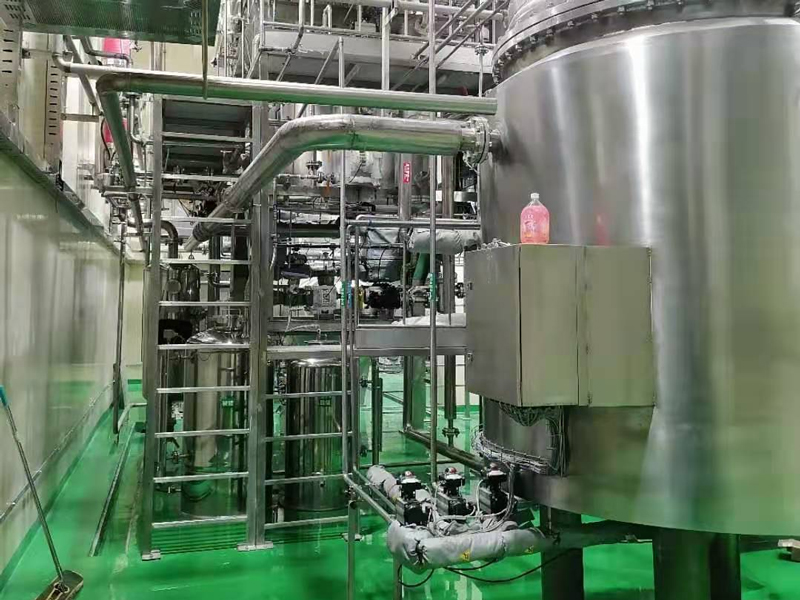
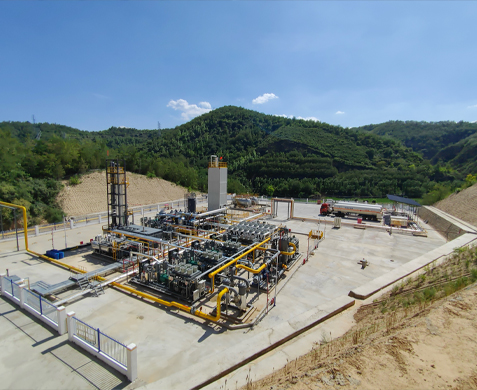
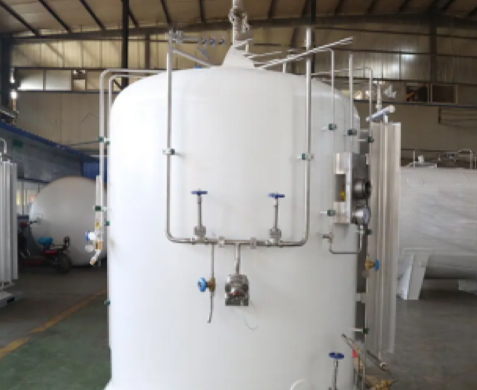
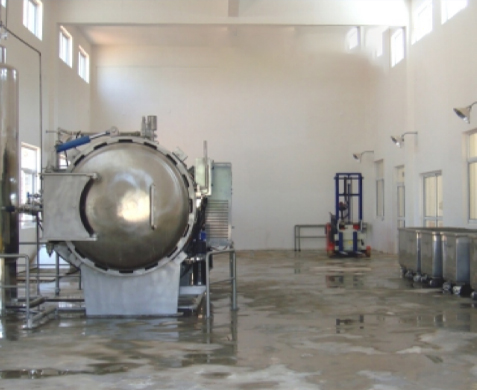
Operational references and project installations delivered globally.
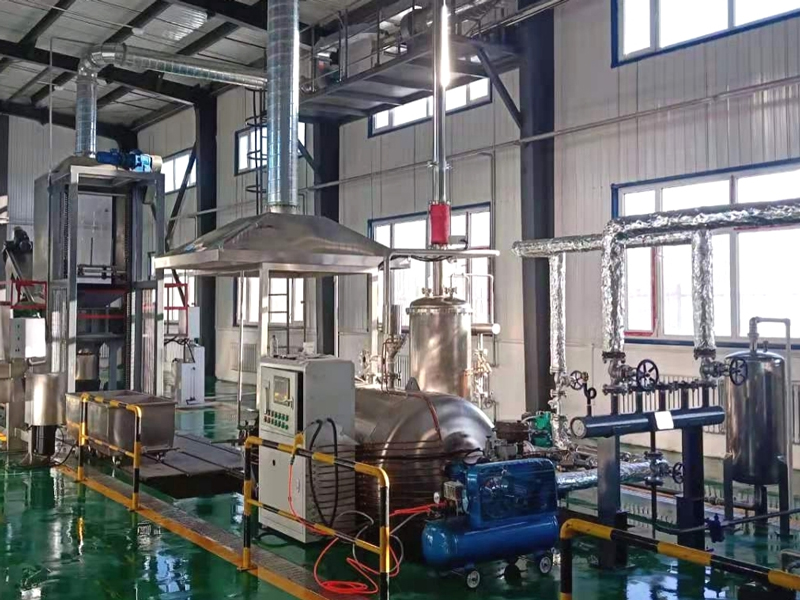
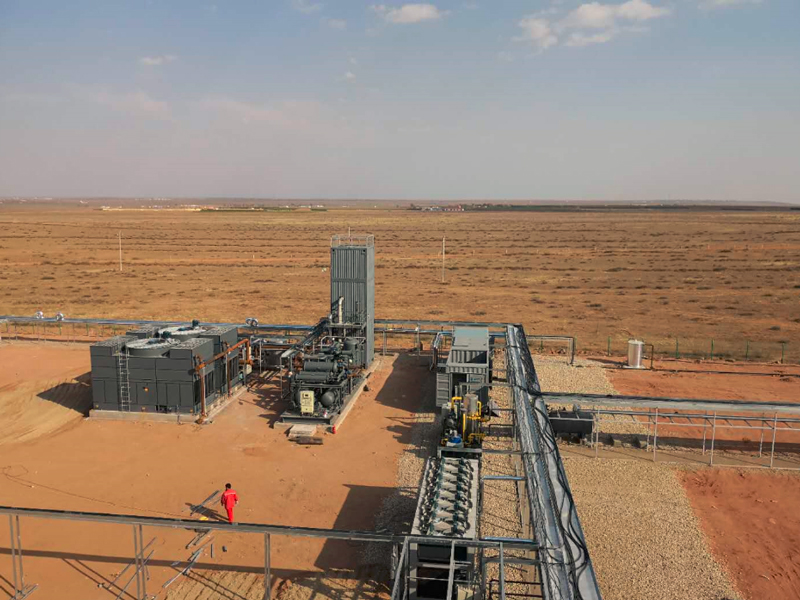
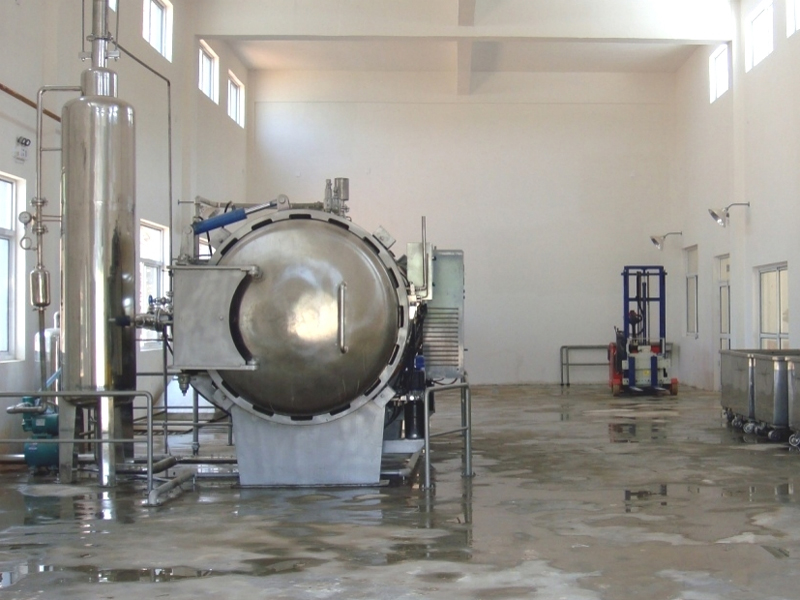
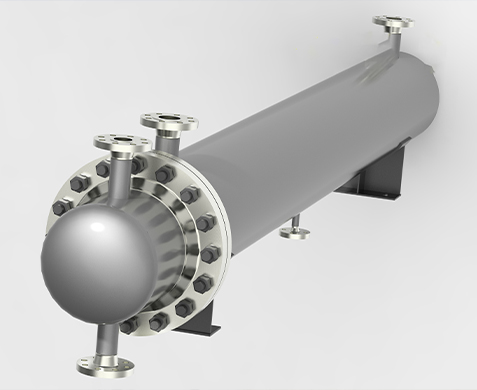
End-to-end services designed to meet global engineering standards.
Deploying specialized gas treatment, desulfurization, and liquefaction plants globally requires close attention to local standards. Our systems are engineered to comply with major regional regulatory frameworks:
Our custom pressure vessels are designed to meet ASME Section VIII Div 1 & 2, China's GB150 standards, and the EU Pressure Equipment Directive (PED). Welds are verified using radiographical and ultrasonic non-destructive testing (NDT), and all structural skids are constructed to withstand local wind, seismic, and snow loads.
For installations in potentially explosive atmospheres (e.g. natural gas treatment), we design electrical systems to match ATEX, IECEx, or NEC explosion-proof requirements. Standard control options include Siemens, Allen-Bradley, or Yokogawa PLCs, allowing easy integration with local plant DCS networks.
We provide technical support during installation and commissioning, either through on-site engineers or via secure remote telemetry systems. Our teams help guide local crews through installation, hydro-testing, loop checks, catalyst loading, start-up, and operator training.
Answers to common technical and operational questions regarding industrial sulfur removal systems.
Dry desulfurization relies on a solid media bed—typically iron oxide (Fe₂O₃)—to chemically bind H₂S, forming iron sulfide. This approach is well-suited for low gas volumes or trace polishers, offering simple operation but requiring media replacement once saturated. Wet desulfurization uses a liquid amine solvent (such as MDEA) to absorb H₂S in a contactor column. The rich amine is then thermally regenerated in a stripper column, releasing acid gases for sulfur recovery. Wet systems require more equipment but offer lower operating costs for high-flow, high-sulfur applications.
Our pressure vessels for sour service are designed to NACE MR0175/ISO 15156 standards. We use specialized, low-carbon steels that undergo Post-Weld Heat Treatment (PWHT) to reduce residual stress. Additionally, we conduct wet fluorescent magnetic particle testing and ultrasonic examinations to confirm the integrity of all pressure-retaining welds before shipping.
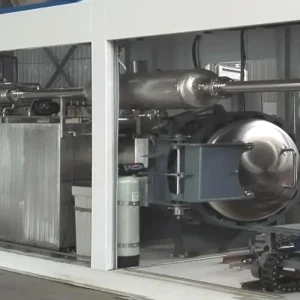
Skid-mounted systems are pre-assembled, piped, wired, and tested in our factory, which helps reduce on-site civil works and installation time. These self-contained units help minimize spatial footprints, limit construction risks at remote job sites, and simplify relocation if plant requirements change.
Raw natural gas often contains water vapor and heavy hydrocarbons. Removing acid gases (like H₂S and CO₂) prevents corrosion, but dehydration (using molecular sieves or triethylene glycol) is necessary to stop hydrate formation and freezing during pipeline transport or cryogenic LNG liquefaction. Heavy hydrocarbon removal also prevents fouling in cryogenic cold boxes.
Our systems are backed by an A2-level pressure vessel manufacturing license, pressure pipeline components manufacturing license, and GB/T19001-2016 (ISO 9001) quality system certification. We also hold Sinopec HSSE and CNPC HSE health, safety, and environmental management system certifications.
Cryogenic systems, skid-mounted LNG units, and high-specification environmental treatment vessels.
Connect with our R&D team to request technical designs, process calculations, or custom pressure vessel quotes.
If you have any questions or custom requirements, please feel free to reach out to us. We will assist you with system sizing, process flowsheets, and quotes.
Contact Our Engineers Hongke Qingneng