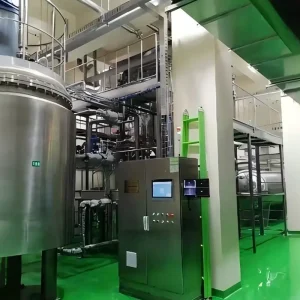
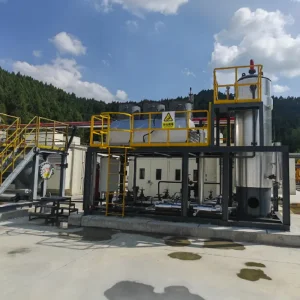
R&D team from Tsinghua University and the Chinese Academy of Sciences (CAS).
National A2 Pressure Vessel License, Sinopec HSSE, and CNPC Quality Systems.
Over 20 independent intellectual property rights in thermal fluidics and high-pressure vessels.
Engineered for compliance with ASME Sec VIII, GB150, CE-PED, and ISO 9001 guidelines.
To be recognized among the best stirred autoclave manufacturers in China, a manufacturer must do more than just weld steel plates. Today's advanced applications—ranging from biopharmaceutical waste processing to high-temperature hydrolysis and hazardous chemical synthesis—require high-purity materials, magnetic coupling drives to eliminate shaft seal leaks, and complex jacketed cooling dynamics. Hebei Hongke Qingneng Environmental Protection Equipment Co., Ltd. stands at the forefront of this industrial sector. With a robust registered capital of 78 million yuan and an engineering core built from elite academic institutions, the company specializes in custom non-standard pressure vessels and integrated skid-mounted process solutions.
Modern stirred autoclaves must withstand corrosive chemical slurries, high temperatures, and cyclical stresses. China's top manufacturers source certified alloys including SS304, SS316L, Hastelloy C276, Titanium Gr. 2, and Inconel. Cladding and solid alloy configurations are deployed based on exact fluid properties to optimize structural longevity and reduce material costs.
Standard dynamic shaft seals are prone to degradation, especially when processing toxic gases, volatile organic compounds (VOCs), or high-pressure hydrocarbons. We incorporate zero-leakage magnetic drives that transmit torque hermetically through a solid containment shell. This guarantees complete containment isolation, satisfying strict environmental and safety regulations.
Effective mass transfer and thermal homogeneity are vital for high-yield chemical reactions. Our autoclaves utilize specialized impeller profiles (such as anchor, turbine, or helical ribbon impellers) tailored to fluid viscosity. Multi-stage baffling structures prevent vortexing and facilitate uniform heat distribution, minimizing cycle times.
Holding a Ph.D. from the Institute of Physics and Chemistry Technology, Chinese Academy of Sciences (CAS), Dr. Sun is a National Senior Engineer. He has directed several national science initiatives, including the 863 Program and Natural Science Foundation projects. He is a recipient of the First Prize of Science and Technology of China Coal Industry and the Special Prize of Technological Invention of the Chinese Society of Refrigeration.
An alumnus of the Chinese Academy of Sciences (CAS), Mr. Zou has managed numerous high-tech programs, authoring 24 academic papers (11 indexed in SCI/EI). His research has yielded 5 patents and a national software copyright. He won the Special Award of the 7th China Refrigeration Society Technological Invention Award and the Silver Medal of the 19th China International Industry Expo.
Dr. Cheng received his Doctor of Engineering from the Chinese Academy of Sciences (CAS). His breakthrough work on "Technology Development and Application of Skid-mounted Natural Gas Liquefaction Unit" earned him the Special Prize of Science and Technology Award of the Chinese Refrigeration Society. He specializes in phase change heat transfer characteristics and multi-component thermodynamic simulation.
Modern high-pressure reactors are no longer black boxes. Industrial operators require continuous monitoring of internal parameters, including slurry temperature, impeller torque, gaseous phase concentration, and internal pressure profiles. By integrating fiber-optic sensors and high-pressure infrared spectrometers, China's advanced autoclave systems provide live analytical feedback. This prevents runaway exothermic reactions and optimizes reaction endpoints in real time.
Traditional onsite fabrication of pressure systems introduces quality risks, delays project schedules, and demands extensive field welding. The modern chemical and environmental sectors are shifting toward fully integrated, pre-tested skid-mounted systems. These units are assembled under controlled factory conditions, minimizing onsite installation time. The skid framework includes the stirred autoclave, magnetic drive speed controllers, heat exchangers, valves, and piping networks, pre-wired for seamless integration.
Stirred autoclaves are critical for key environmental processes, such as thermal hydrolysis of organic residues and high-pressure wet air oxidation. By utilizing specialized high-pressure steam digestion, modern systems convert animal tissue, biological sludge, and medical waste into sterile, biodegradable compounds without producing harmful emissions. This aligns with global carbon-reduction directives and circular economy initiatives.
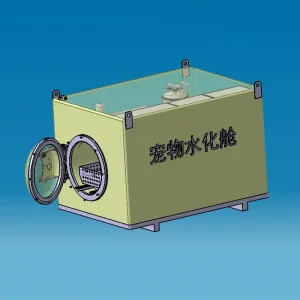
Our autoclaves are designed for high-temperature hydrolysis of clinical waste and hazardous animal residues. These systems operate at high pressure to ensure the thermal destruction of pathogens, transforming biological matter into safe, neutral waste.
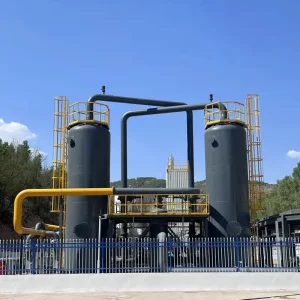
Drawing on the thermal expertise of the Chinese Academy of Sciences (CAS), we engineer advanced pressure vessels and heat exchangers for LNG processing, CBM recovery, helium extraction, and volatile gas capture.
Designed for chemical reactors that require precise thermal regulation. Our vessels can be configured with internal baffles, cooling coils, and variable-speed mixing drives, meeting rigorous process requirements.
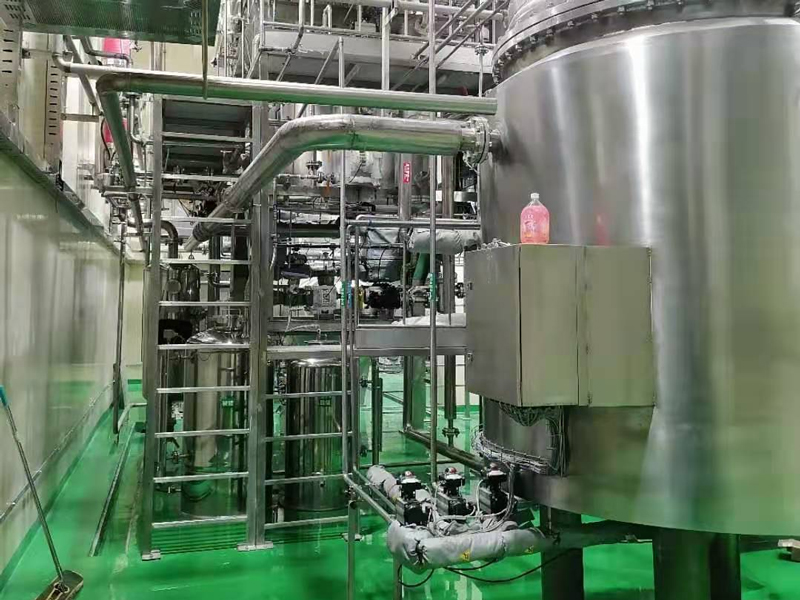
An automated, high-temperature, high-pressure hydrolysis autoclave system built for laboratory biosecurity compliance.
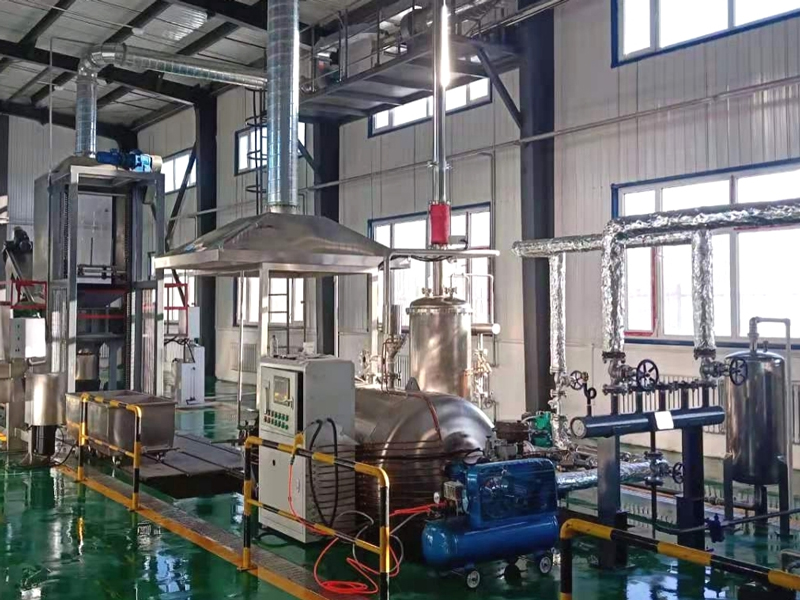
A highly mobile, skid-mounted steam sterilization autoclave designed for remote clinics and emergency containment scenarios.
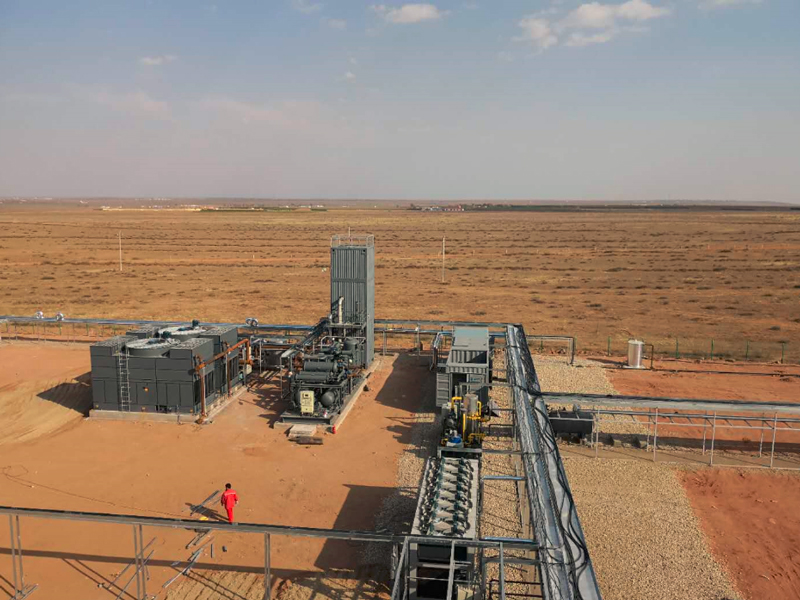
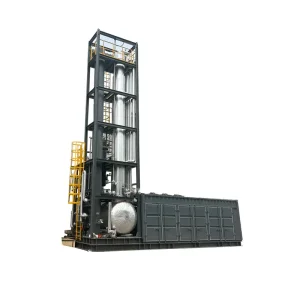
A comprehensive natural gas recovery skid utilizing low-temperature cryogenic systems and advanced pressure separation vessels.
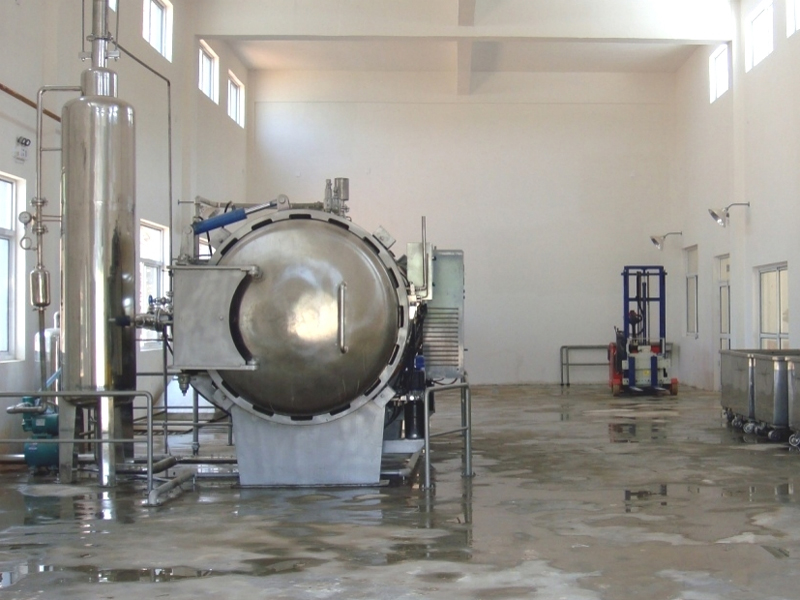
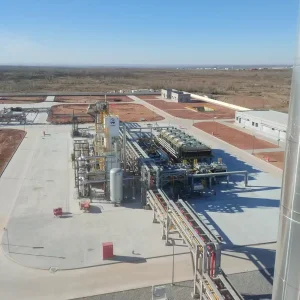
High-capacity autoclave facilities processing metric tons of clinical bio-hazard materials daily using eco-friendly thermal methods.
For global imports, autoclave systems must comply with international codes such as ASME Section VIII (Div 1 or Div 2) with U-stamp registration, or European Union CE-PED regulations. Within China, manufacturers must hold the national A2 level pressure vessel manufacturing license, which indicates the capability to construct high-pressure, non-standard vessels. Our manufacturing facilities are fully certified under GB/T19001-2016 (ISO 9001) quality standards and Sinopec HSSE protocols.
Conventional dynamic shaft seals rely on compression packing or mechanical face seals, which are subject to wear under friction and can lead to leaks. A magnetic drive uses an inner magnet assembly attached to the stirrer shaft, enclosed in a sealed containment shell. An outer magnet assembly, driven by an external motor, transmits rotational force magnetically across the shell barrier. This creates a hermetic seal, eliminating leakage path risks and ensuring safe operation at pressures up to 30 MPa.
For mild organic acids and general industrial chemical applications, high-grade stainless steels like SS316L are typically used. When handling hydrochloric acid, hot sulfuric acid, or active halides, we recommend corrosion-resistant materials such as Hastelloy C276, Monel, or Titanium Gr. 2. For cost-effective pressure vessel design, we can manufacture composite plates featuring a carbon steel base clad with corrosion-resistant alloys.
Yes. Modern stirred autoclaves can be configured to interface with DCS (Distributed Control Systems) or PLC-SCADA platforms. The instrumentation package can include digital pressure transmitters, dual-element RTDs (Resistance Temperature Detectors) for jacket and core monitoring, magnetic speed sensors, and control valves. This allows for automated control of temperature ramps, pressure release rates, and impeller speeds.
Skid-mounted reactors integrate all necessary components—including the pressure vessel, agitation motor, thermoregulation unit, control valves, and electrical cabinets—onto a single structural steel frame. Key benefits include lower transport costs, faster installation, and reduced onsite wiring and piping work. Every skid is fully tested at our facility prior to shipment to ensure immediate operational readiness.
 Hongke Qingneng