 Hongke Qingneng
Industry Whitepaper: The Strategic Role of High-Performance Compression Vessels in the Global Energy Transition
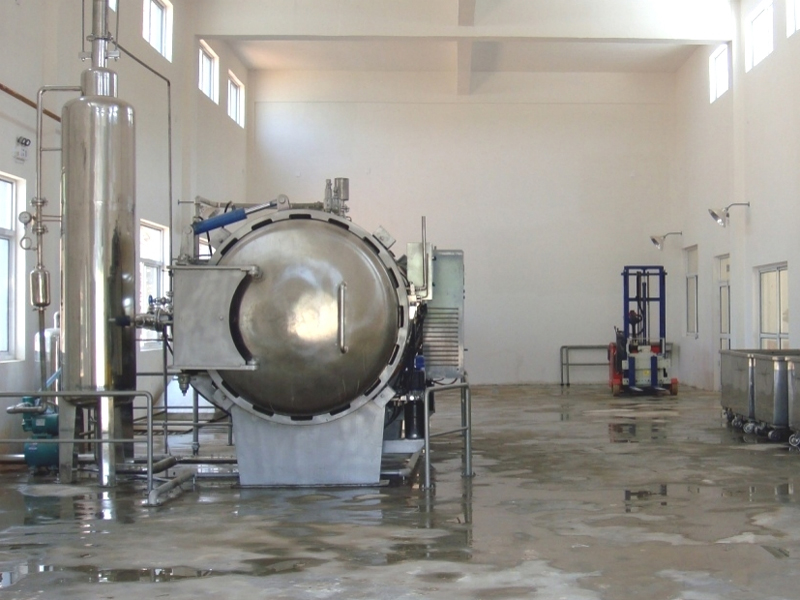
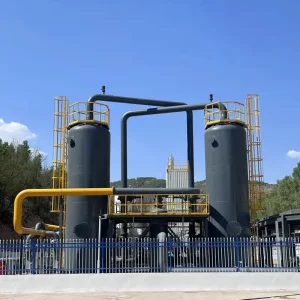
In the modern industrial landscape, pressure containment systems and compression vessels serve as the structural backbone of high-intensity manufacturing, chemical synthesis, environmental remediation, and gas liquefaction. Globally, the accelerating transition toward low-carbon fuels and highly integrated chemical processes has driven an unprecedented demand for high-specification compression vessel engineering. These vessels are no longer static storage units; they are dynamic chemical reactors and cryogenic thermal shields operating under severe thermodynamic stresses, where materials science, mechanical engineering, and safety protocols converge.
Global Industrial Trends: The Rise of Smart Cryogenic & High-Pressure Systems
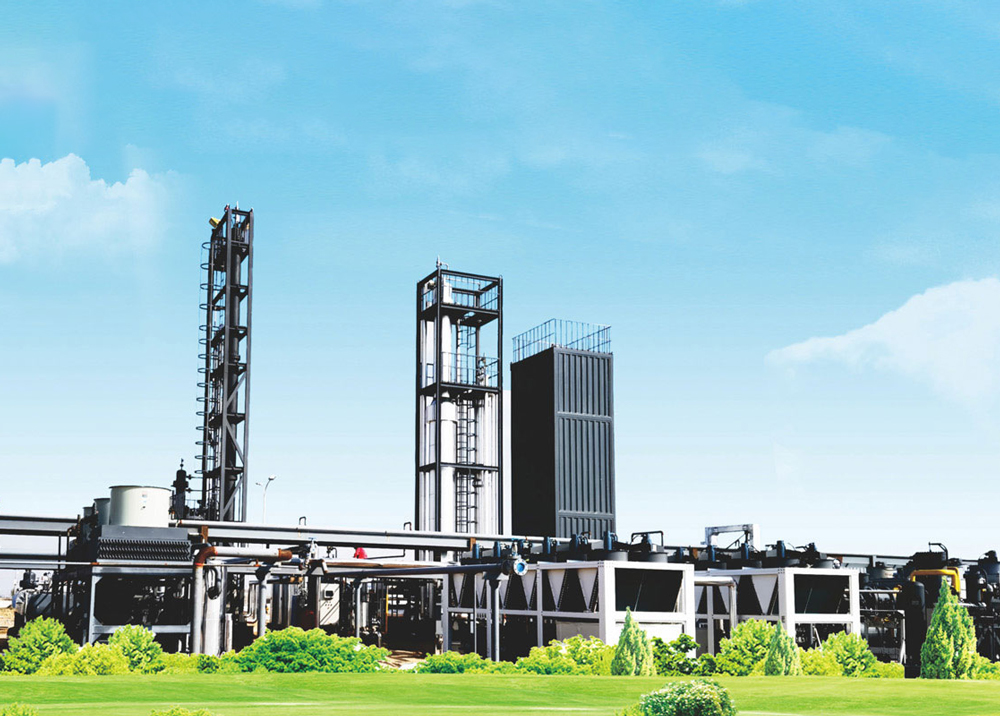
Industrial manufacturing is currently witnessing two major technological movements: the shift toward localized natural gas processing (such as shale gas and coalbed methane extraction) and the implementation of strict zero-emission mandates for volatile organic compounds (VOCs). Consequently, modern compression vessels must adapt to complex thermal cycling and high pressures, often reaching up to 70 MPa in hydrogen storage or dropping down to cryogenic limits of -196°C in LNG liquefaction and BOG helium extraction. Additionally, the integration of real-time monitoring technology—using embedded sensors that monitor wall thickness, temperature shifts, and structural acoustics—has converted compression vessels into smart, IoT-enabled infrastructure that prevents catastrophic mechanical failures.
Global Procurement Challenges: Navigating Regulatory and Design Compliance
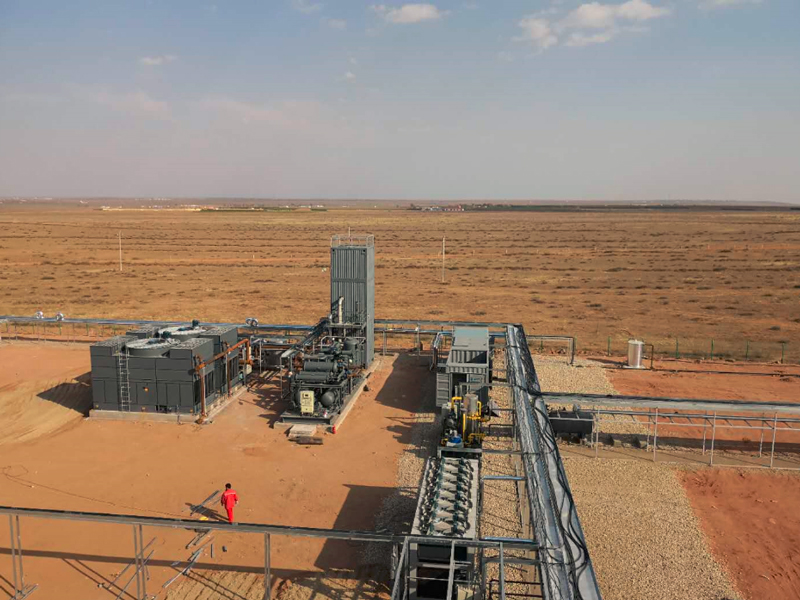
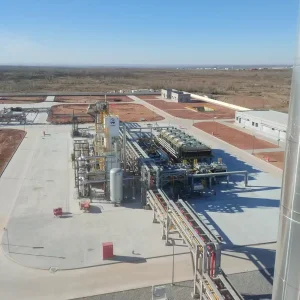
Procuring compression vessels on an international scale requires navigating a dense landscape of codes, certifications, and compliance standards. Global enterprises must deal with strict engineering directives such as ASME Section VIII Division 1 & 2 (United States), PED 2014/68/EU (Europe), and China's Class A2 pressure vessel manufacturing licenses. Beyond regulatory compliance, the total cost of ownership (TCO) is a critical decision driver. Engineering buyers must balance raw material performance (utilizing high-grade austenitic stainless steel, duplex alloys, or clad metals) with localized environmental factors, seismic activity limits, wind loads, and marine salinity exposures. To address these factors, procurement managers are increasingly selecting suppliers capable of manufacturing fully integrated, pre-assembled, skid-mounted systems. This modular approach minimizes on-site assembly risks and shortens project commissioning timelines.
China Factory 4.0: Supply Chain Resilience and Academic Engineering Integration
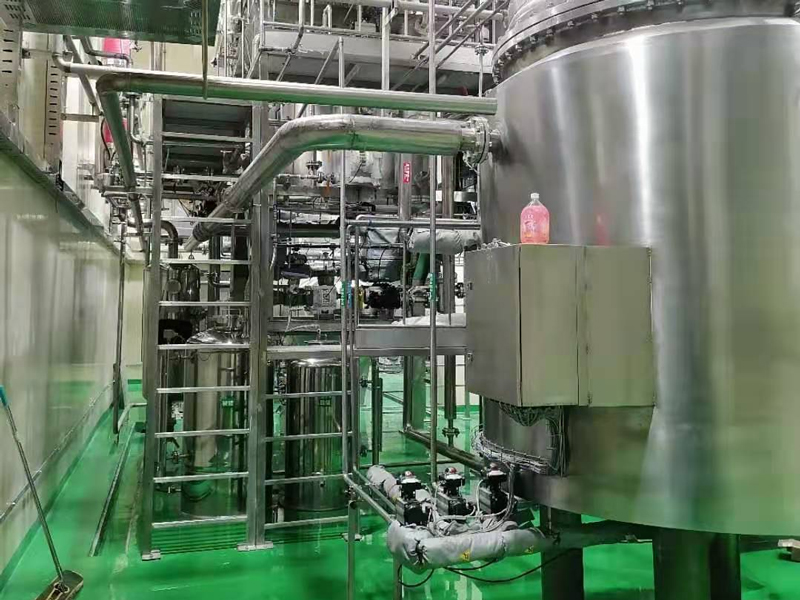
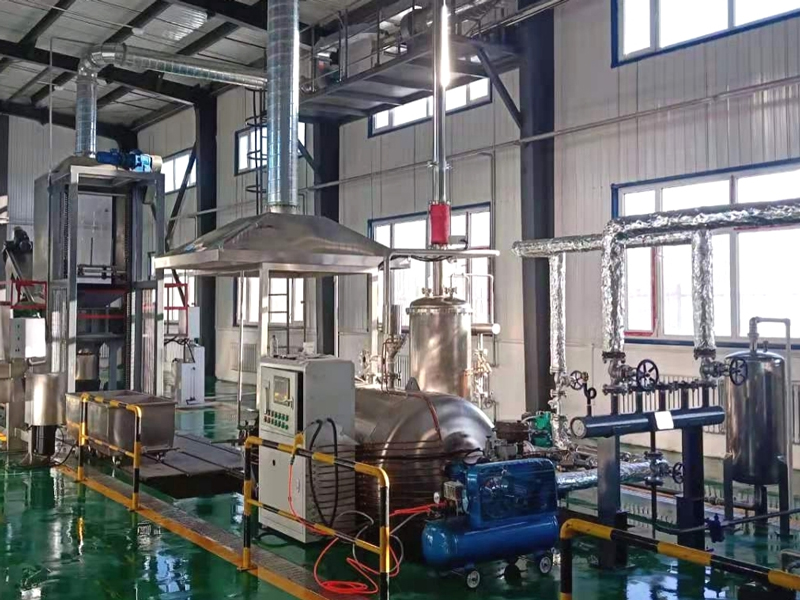
China's smart manufacturing infrastructure, particularly within major industrial clusters like Langfang, has revolutionized the supply chain dynamics of the global pressure vessel industry. By combining automated robotic longitudinal welding, advanced 3D finite element analysis (FEA), and non-destructive testing (NDT), Chinese factories deliver precision at scale. These facilities achieve exceptional supply chain resilience through local sourcing of raw metallurgy and advanced forging capabilities, shielding them from global logistics disruptions. Furthermore, by linking industrial factories directly with elite academic institutes—such as Tsinghua University and the Institute of Physics and Chemistry Technology, Chinese Academy of Sciences (CAS)—manufacturers can swiftly transition cutting-edge thermodynamic and cryogenics research into commercialized, high-pressure equipment.