Direct supply options for heavy industry, natural gas purification, gas-liquid processing, and environmental safety plants.
Analyzing Thermodynamic Performance, Efficiency Upgrades, and Design Standards in Advanced Separation Systems
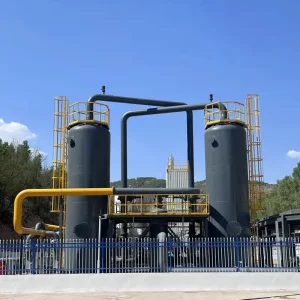
In modern industrial process engineering, high-efficiency energy conservation is no longer optional—it is a critical pillar of operational viability and carbon compliance. A flash steam vessel (also commonly designed as a flash tank or separator) acts as a thermodynamic junction that intercepts high-pressure condensate and initiates controlled isenthalpic expansion. By deliberately lowering the pressure of the fluid, a fraction of the high-energy liquid instantly flashes into high-quality steam. Capturing this low-pressure flash steam for auxiliary heating, turbine preheating, or localized process loops represents one of the most effective mechanical methods to reclaim latent energy, directly driving down fuel consumption and emissions.
"Optimizing thermal phase transitions within pressure vessels requires precise velocity calculation to prevent liquid droplet entrainment, ensuring dry steam delivery to downstream turbines and process equipment."
As the global industrial landscape transitions toward net-zero targets, several technical developments are redefining the design criteria for flash separator technology:
Registered Capital (RMB)
Pressure Vessel License
Completed Skid-Mounted Units
Patents and IP Rights
Global procurement teams in heavy chemical, oil and gas, and pharmaceutical engineering prioritize sourcing partnerships that bridge the gap between regional manufacturing efficiency and international design standard enforcement. Procurement criteria have shifted from simple capital cost evaluation to Life Cycle Costing (LCC) assessments. Buyers look for suppliers that guarantee thermal integrity, absolute compliance with international codes (such as ASME Section VIII Div. 1, PED, and GB), and robust supply chain networks that ensure reliable deliveries of custom non-standard vessels.
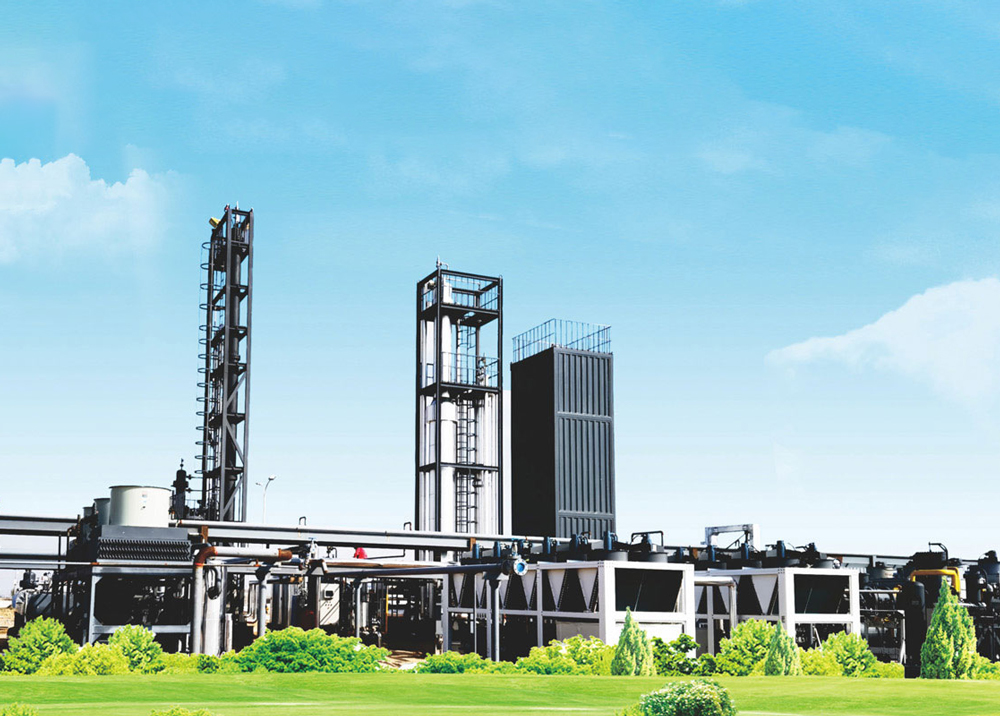
Established in June 2021 with a registered capital of 78 million yuan, Hebei Hongke Qingneng Environmental Protection Equipment Co., Ltd. is a premier engineering force located within the Sanhe Economic Development Zone, Langfang City. The company specializes in the R&D, process design, and precision manufacturing of premium pressure vessels and environmental machinery. Our capabilities span non-standard pressure vessels, medical waste high-temperature steam treatment equipment, biological wastewater treatment systems, and complete skid-mounted process integrations.
We pride ourselves on offering integrated, one-stop solutions. We serve industries ranging from chemical tail gas purification, VOC mitigation, and desulphurisation, to high-complexity natural gas, shale gas, and coalbed methane liquefaction plants. Our strategic focus centers on "innovation-driven development, service-led upgrading," enabling clean transition processes worldwide.
Ensuring thermodynamic optimization, mechanical reliability, and structural safety across all project dimensions.
Collaborating with Tsinghua University and the Institute of Physics and Chemistry Technology of the Chinese Academy of Sciences (CAS), we deploy top-tier academic expertise into high-efficiency refrigeration and separation designs.
Holding the A2-level Pressure Vessel Manufacturing License and Pressure Pipeline Component Manufacturing License, along with GB/T19001-2016 quality system and Sinopec HSSE compliance certifications.
Our technologies facilitate gas recovery, resource protection, emission reductions, and environmental safety, providing immediate solutions for carbon neutrality initiatives globally.
Driven by industry-recognized doctorates and national researchers dedicated to cryogenic and thermodynamics innovations.
Obtained his doctorate from the Institute of Physics and Chemistry Technology, Chinese Academy of Sciences (CAS). He is a National Senior Engineer and has led multiple major projects under the National 863 Program, NSFC, and military applications. Awarded the First Prize of Science and Technology of the China Coal Industry, the Special Prize of Technological Invention of the Chinese Society of Refrigeration, and the Beijing Science and Technology Award. He holds over 20 independent intellectual property rights.
Ph.D. candidate and Senior Engineer at the Institute of Physics and Chemistry Technology, CAS. He has managed business operations and market strategies for many years. He has led projects for the "12th Five-Year Plan" National Major Science and Technology Special Projects and published 24 academic papers (11 indexed in SCI/EI). Winner of the Special Award of the 7th China Refrigeration Society Technological Invention Award and the Silver Medal of the 19th China International Industry Expo.
Doctor of Engineering from the Institute of Physics and Chemistry Technology, CAS. A specialist in mixed refrigerant thermodynamics, flow characteristics, and multi-component phase change heat transfer. Recipient of the Special Prize of Science and Technology Award of the Chinese Refrigeration Society. He oversees thermodynamic design, structural layout, and thermal performance calculations for our liquefaction plants and complex pressure vessels.
Integrated skid-mounted installations, cryogenic systems, and high-performance separation equipment.

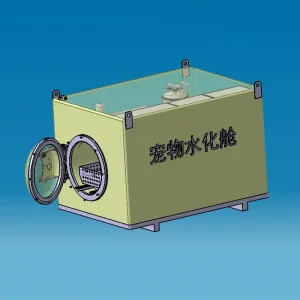
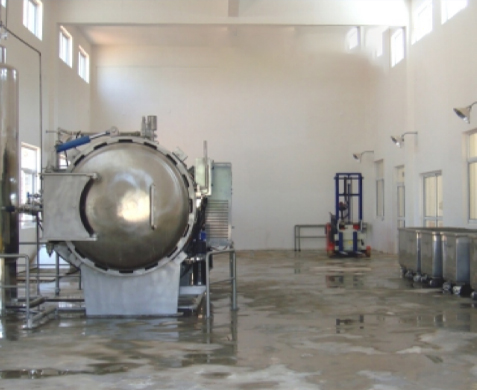
Supplying centralized high-temperature steam medical waste treatment systems, mobile medical waste sterilizers, and biological/animal tissue processing equipment designed for maximum hygiene and safety.

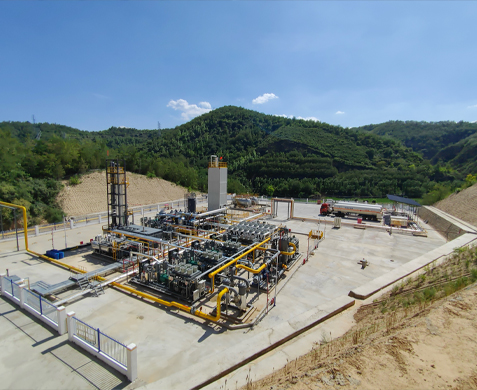
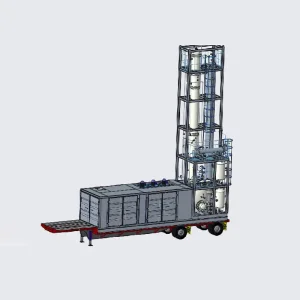
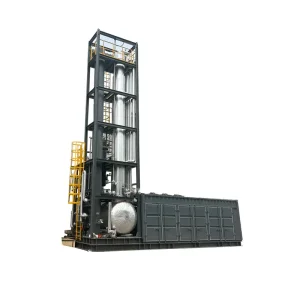
Providing skid-mounted liquefaction equipment for natural gas and associated gas, comprehensive purification skids (deacidification, dehydration, heavy hydrocarbon removal), and complete liquefaction plant lifecycle operations.

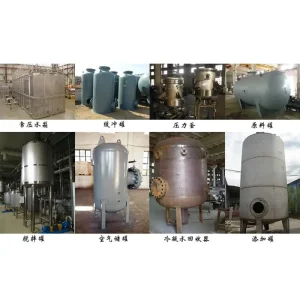
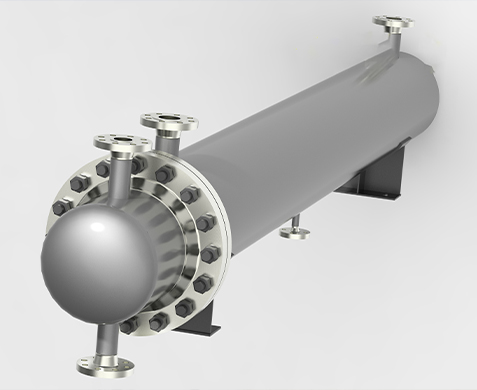
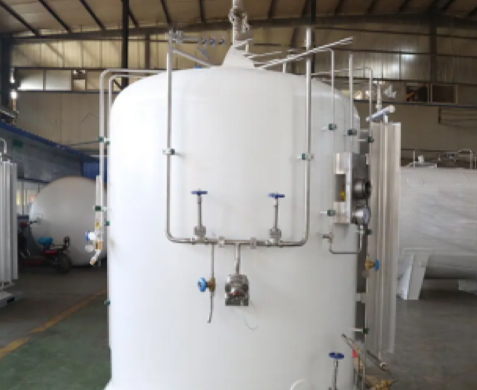
Design, manufacturing, and supply of custom non-standard A2 pressure vessels, laboratory experimental test benches, high-efficiency shell-and-tube heat exchangers, and industrial hot-air furnaces.
Leveraging CAS cryogenic expertise, we develop systems operating within the -40℃ to -180℃ range, freeze dryers operating between -70℃ to -100℃, and high-performance vacuum cold traps functioning down to -135℃. These systems support scientific labs, aerospace testing, and petrochemical processes.

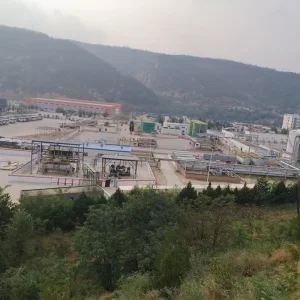
Our solutions have been implemented across diverse municipal, energy, and environmental installations.
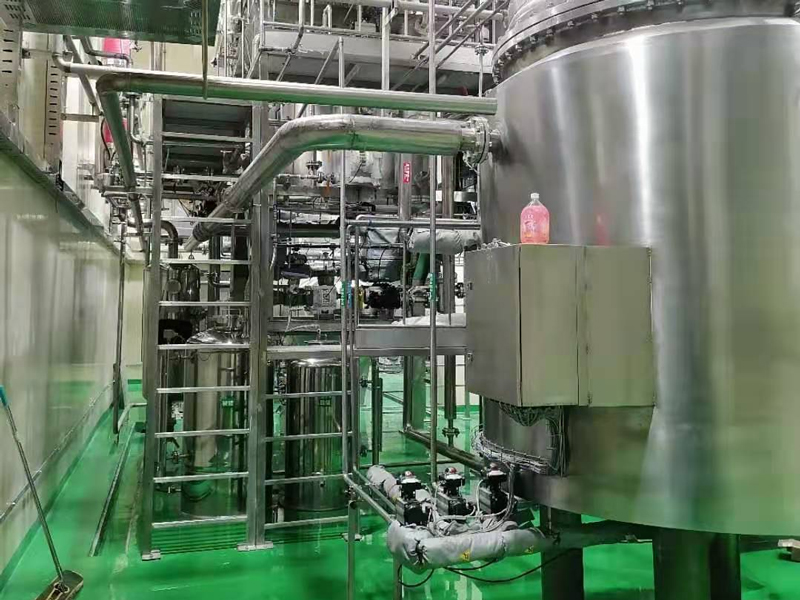
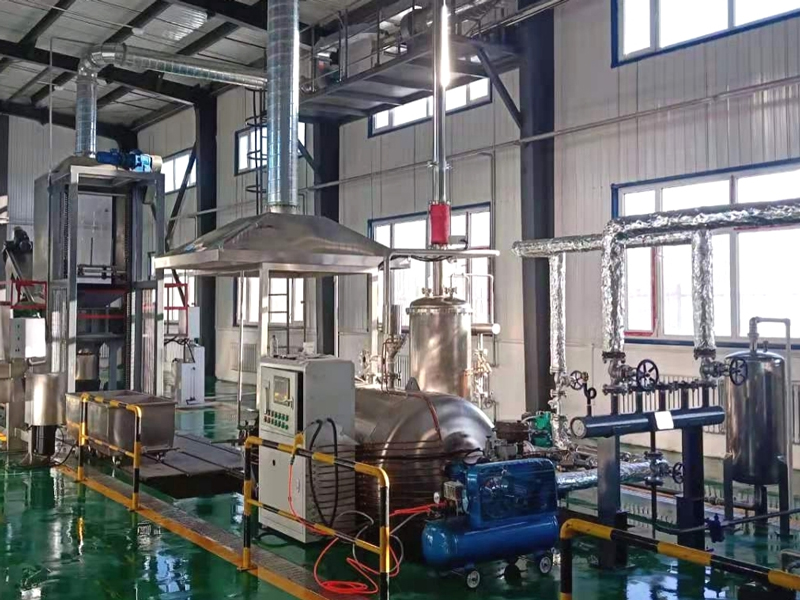
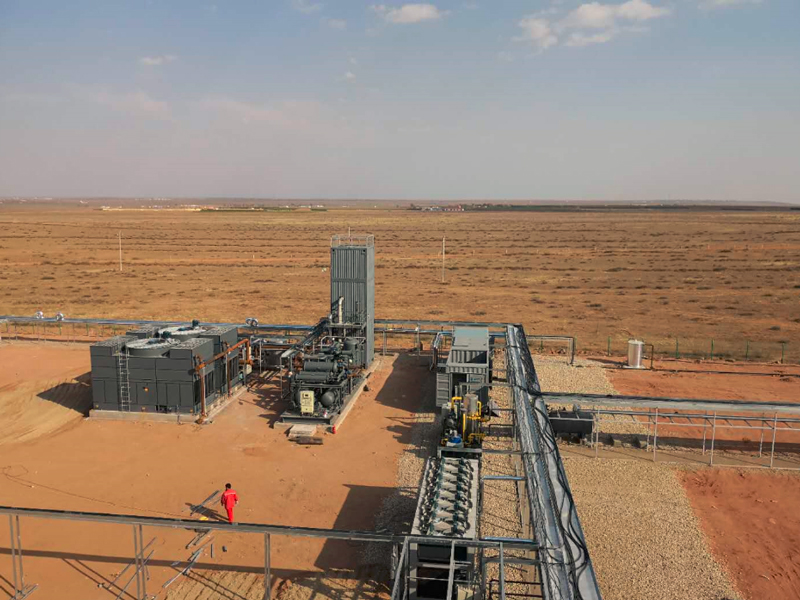
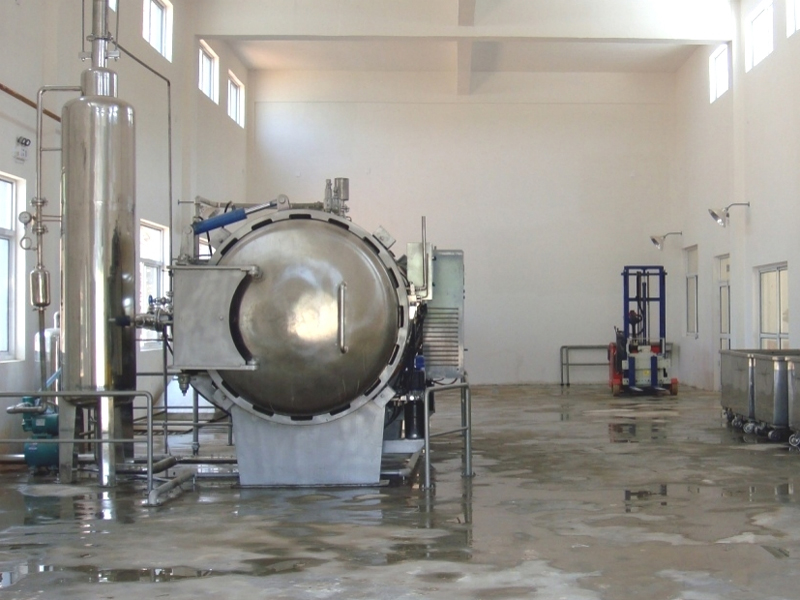
Forging ahead with innovative separations, cryogenic helium extraction, and high-efficiency thermal recovery
Hebei Hongke Qingneng continues to expand its research envelope. Our roadmap focuses heavily on cryogenic separation and thermal purification technologies. One of our main developmental goals is the expansion of Helium extraction from Boil-Off Gas (BOG) in LNG terminals. As helium remains a critical global commodity for high-tech semiconductors and medical imaging, our cryogenics division is developing a series of small to mid-sized skid-mounted extraction systems that can separate trace helium with high purity levels.
Additionally, we are refining our flash steam vessel systems to integrate directly with secondary heat pumps and ejectors, allowing for the recovery of waste heat from flash vapors down to extremely low differential pressures. By creating combined sub-atmospheric steam loops, industrial facilities can significantly lower their primary boiler feed rates.
Providing expert answers to key engineering, selection, and purchasing questions regarding pressure vessels.
Sizing a flash steam vessel involves two primary calculations: steam velocity and liquid holding capacity. The steam velocity must be calculated based on the maximum possible flash rate to prevent entrainment of water droplets into the discharge line (typically keeping the velocity below 3 m/s using the Souders-Brown equation). The lower part of the vessel must provide sufficient volume to manage condensate storage and liquid level surges without triggering low or high alarms.
As an holder of the A2-level Pressure Vessel Manufacturing License, Hebei Hongke Qingneng employs rigorous Non-Destructive Testing (NDT) methodologies. This includes 100% radiographic testing (RT) of butt-welds, magnetic particle testing (MT), ultrasonic testing (UT), and hydrostatic pressure testing. All welding procedures are qualified in compliance with ASME Section IX and GB/T standards.
Yes, in plants with high condensate flow rates, multi-stage flashing is highly effective. Condensate from high-pressure lines is flashed in a first-stage vessel. The remaining condensate is then routed to a second-stage, lower-pressure vessel. This cascaded pressure reduction yields additional low-pressure steam, significantly increasing thermal efficiency.
For neutral steam condensate, Carbon Steel (such as Q345R or SA-516 Gr. 70) is cost-effective and reliable. For acidic, corrosive, or high-temperature lines (such as geothermal loops or chemical plant wash columns), we supply Stainless Steel (SS304, SS316L) or Duplex Stainless Steel (SAF 2205) to prevent pitting and stress corrosion cracking.
Explore our targeted product range below to optimize your energy recovery, desulphurisation, and steam treatment operations.
 Hongke Qingneng