Engineered to strict pressure vessel codes and high-level biosecurity containment standards.
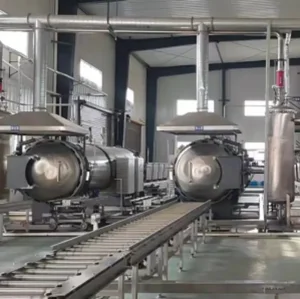
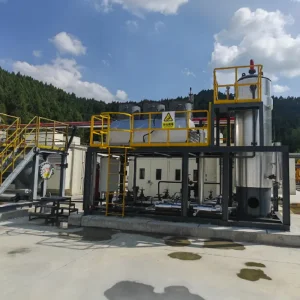
In modern industrial biotechnology, livestock epidemic management, and scientific research, the safe and ethical disposal of animal carcasses and pathological wastes has become a global biosecurity mandate. Traditional disposal methods, such as open incineration or burial, present severe ecological risks, including groundwater contamination, toxic air emissions (dioxins and furans), and the incomplete destruction of persistent pathogens like Transmissible Spongiform Encephalopathies (TSEs/prions).
This is where alkaline hydrolysis—often termed "tissue digestion"—is recognized globally as the gold standard. Using a combination of heat, pressure, and an alkali agent (such as KOH or NaOH), tissue digesters dissolve complex proteins, lipids, and DNA into a sterile, nutrient-rich aqueous solution and clean bone ash. The global demand for these high-precision pressure vessels is surging, driven by stricter veterinary legislation, the proliferation of biosafety level (BSL-3/BSL-4) laboratories, and the expansion of the animal care industry.
Unlike thermal incineration, which converts organic matter into carbon dioxide, ash, and volatile pollutants, alkaline hydrolysis breaks down biological tissue via peptide bond cleavage. This reaction mimics natural degradation but accelerates it to mere hours. The result is a dramatic 90% reduction in carbon footprint and up to 70% energy savings compared to conventional incinerators, making it a critical asset for modern organizations targeting ESG compliance.
Across North America, Europe, and the Asia-Pacific region, veterinary authorities and pharmaceutical research institutes are adopting tissue digesters to secure containment zones. When managing severe outbreaks such as African Swine Fever (ASF), Bovine Spongiform Encephalopathy (BSE), or avian influenza, containing pathogen transmission is critical. Tissue digesters neutralize pathogens inside the high-integrity chamber, preventing external transport and secondary contamination risks. By sanitizing laboratory carcasses and pathological residues on-site, organizations mitigate the legal and environmental risks of transporting biohazardous waste through public corridors.
Hebei Hongke Qingneng Environmental Protection Equipment Co., Ltd. was established in June 2021, with a registered capital of 78 million yuan. It focuses on the R&D and manufacturing of energy conservation and environmental protection industry in the industrial base of Sanhe Economic Development Zone, Langfang City.
The company is engaged in the design and manufacturing of various pressure vessels, medical waste high-temperature steam treatment equipment, animal tissue (residue) treatment equipment, biological wastewater (live toxic wastewater) treatment equipment, skid-mounted assembly of various equipment, coalbed methane/shale gas/natural gas purification and liquefaction, VOC treatment, chemical tail gas treatment, industrial refrigeration, BOG tail gas helium extraction and other environmental protection equipment.
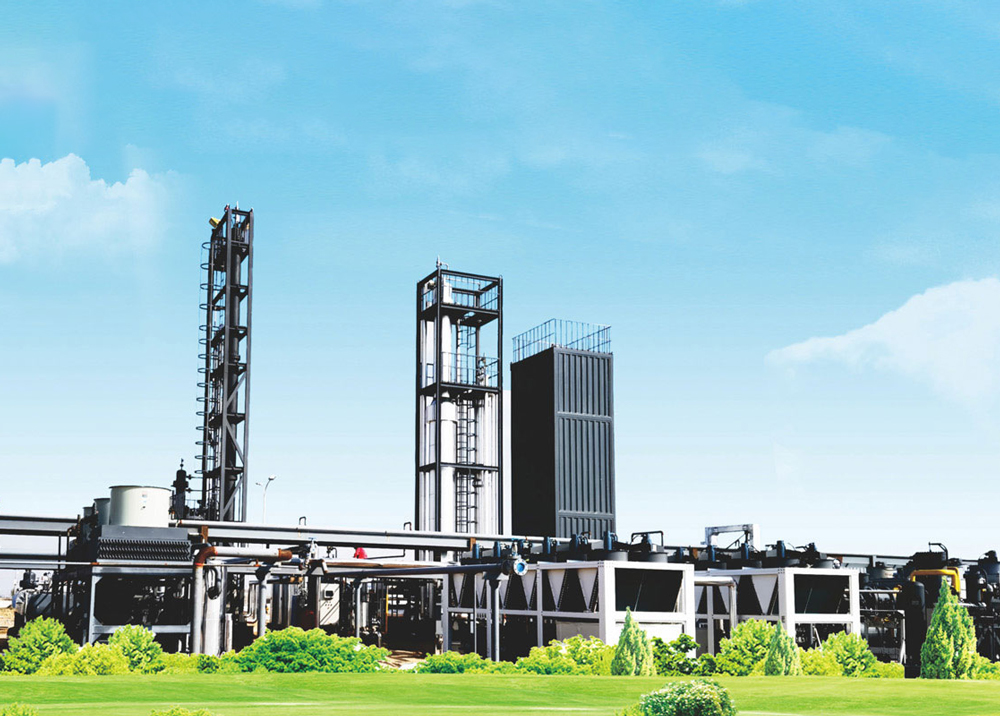
A deep commitment to scientific research, manufacturing compliance, and ecological responsibility.

The company has professional talents from Tsinghua University, Institute of Physics and Chemistry Technology, Chinese Academy of Sciences (CAS) and other research institutes. In recent years, the company has been committed to the technical research and development, equipment manufacturing and application promotion of environmental protection equipment and skid-mounted liquefaction devices. The company has obtained a number of independent intellectual property patents and has obtained rich project performance and good reputation in China.

The company has successfully obtained the A2 level pressure vessel manufacturing license, pressure pipeline component manufacturing license, GB/T19001-2016 quality system certification, Sinopec HSSE/China Petroleum Health, Safety and Environment Management System certification and the high-tech enterprise certification, and was rated as Langfang municipal R&D platform.
Adhering to "innovation-driven development, service leading upgrading" to provide one-stop solutions.

We believe that the various sets of environmental protection equipment developed by the Company will be widely used in the fields of gas recovery and resource protection in China, making important contributions to the national prevention and control of air pollution, carbon emission reduction and environmental protection.
Backed by top cryogenic, pressure vessel, and environmental engineering experts from CAS and Tsinghua.
Presided over the National 863 Program, major fund projects of the Natural Science Foundation, aerospace, and military projects. He has been awarded the First Prize of Science and Technology of China Coal Industry, Special Prize of Technological Invention of Chinese Society of Refrigeration, and First Prize of Beijing Science and Technology Award. He holds over 20 independent R&D patents, driving the company's technical edge.
Expert in research projects under the "12th Five-Year Plan" national major special projects. He has published 24 domestic and foreign academic papers (11 SCI/EI indexed), applied for 5 national invention patents, and won the Special Award of the 7th China Refrigeration Society Technological Invention Award and Beijing Science & Technology Award.
Specializes in Phase Change Heat Transfer and flow dynamics of mixed working mediums. He developed the skid-mounted natural gas liquefaction systems that secured the Special Prize of Science and Technology Award of Chinese Refrigeration Society. He oversees all basic research translation and pressure vessel design workflows.
Comprehensive pressure vessel, cryogenic, and environmental solutions manufactured in China.

High-efficiency cooling systems covering -40℃ to -180℃ refrigeration machines, -70℃ to -100℃ freeze dryers, and ultra-low temperature vacuum cold traps (-135℃) designed for laboratory and gas extraction systems.
When global buyers source animal tissue digesters and pressure vessels from China, the core advantages extend far beyond competitive pricing. The true value lies in the complete industrial supply chain integration, advanced robotic welding, and rigorous testing protocols that match or exceed Western standards.
Hebei Hongke Qingneng integrates structural design, chemical engineering modeling, metallurgical manufacturing, and containment validation under one roof in Langfang City. Leveraging our A2 pressure vessel manufacturing license, our engineers utilize high-alloy stainless steel (SUS316L or duplex steels) to withstand the harsh, corrosive alkaline environment at elevated temperatures and pressures. Our automatic submerged arc welding processes and digital radiographic testing guarantee that every structural seam exhibits zero defects, maintaining structural integrity across decades of thermal cycling.
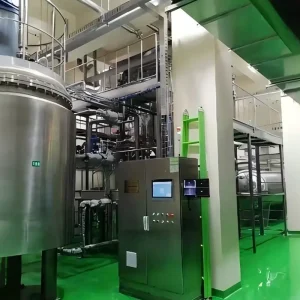
One of our primary innovations is delivering systems as skid-mounted assemblies. Rather than shipping individual components that require complex, certified site construction, we integrate the hydrolysis vessel, chemical dosing pump, heat exchanger, PLC control system, and effluent neutralization unit onto a single structural steel frame. This reduces installation timelines by over 60%, drastically cutting down on local contractor costs.
Depending on the operating facility's biosafety level and throughput requirements, our animal tissue treatment systems are configured to support three primary operational workflows:
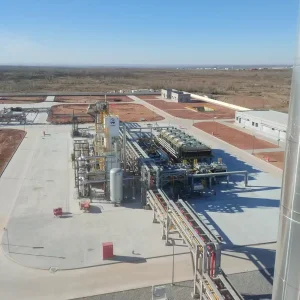
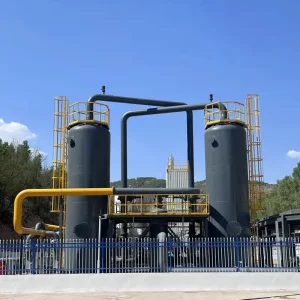
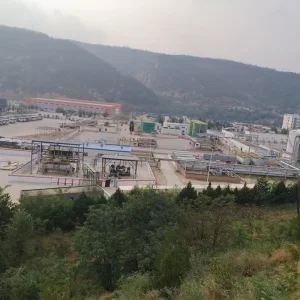
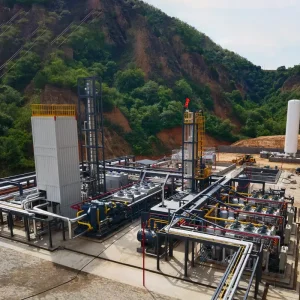
Proven operational records in environmental protection and gas processing across diverse project sites.
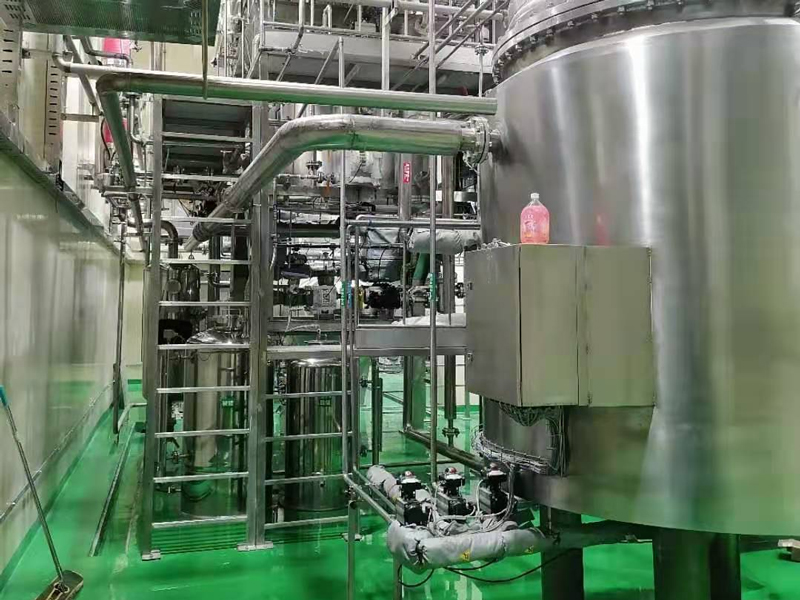
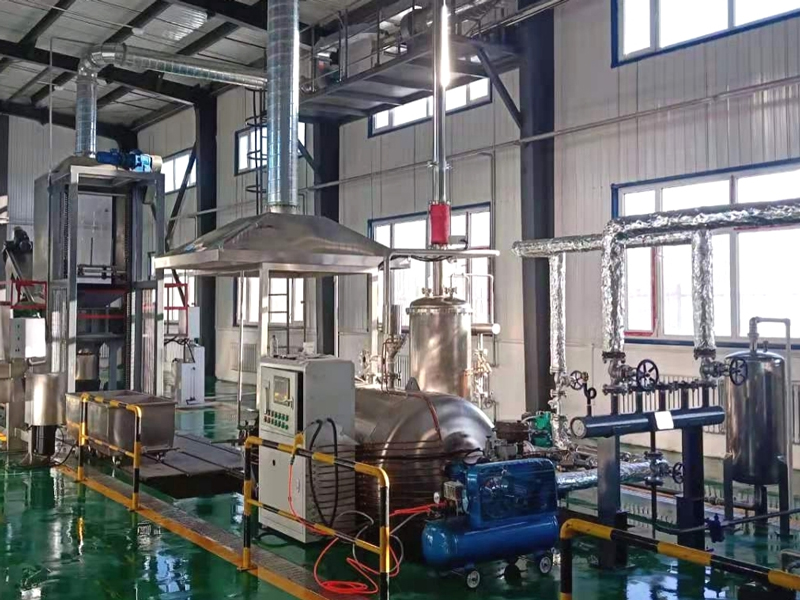
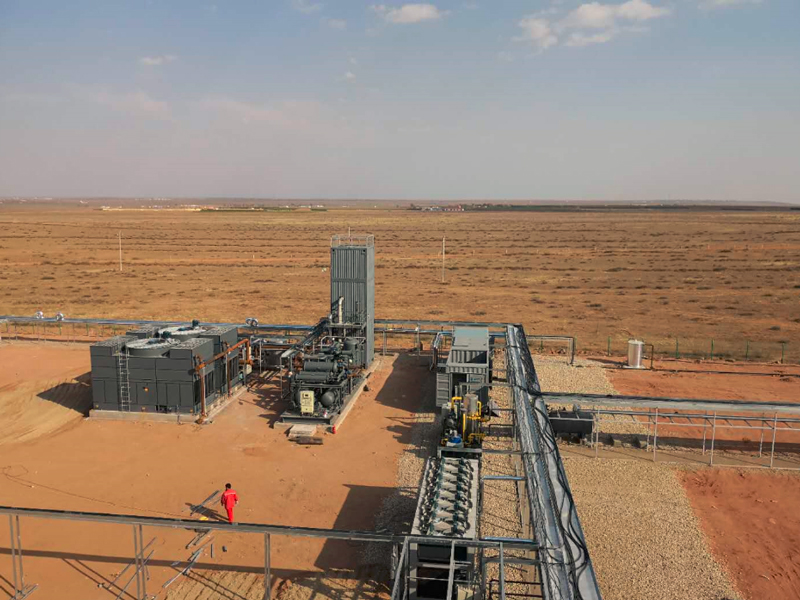
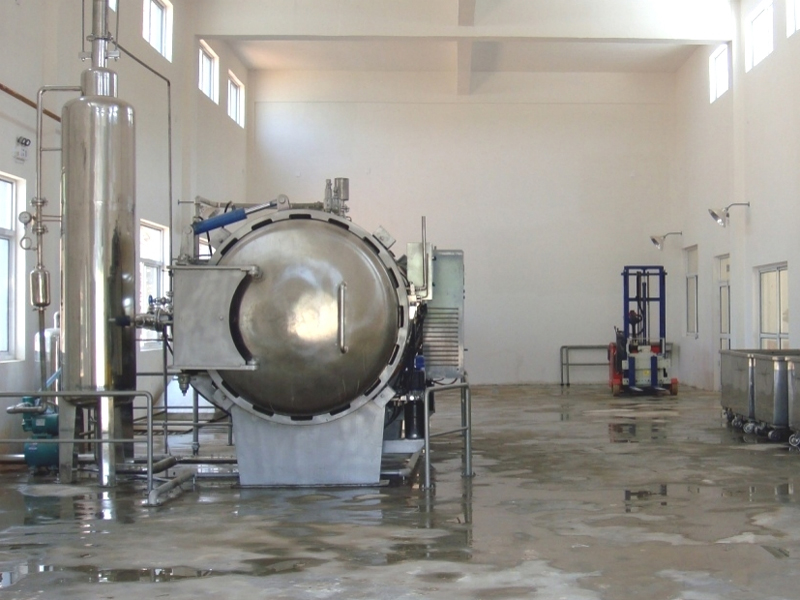
The waste management industry is undergoing a digital revolution. Modern tissue digesters must integrate real-time sensor arrays and intelligent diagnostic controls. Automated monitoring of vessel pressure, internal temperature, pH levels, and chemical dosage curves ensures optimal processing times and prevents half-completed sterilization cycles. As remote telemetry becomes standard, our team implements industrial PLC systems capable of cloud logging and remote technical diagnostic alerts, allowing off-site engineers to audit containment runs.
Furthermore, regulatory bodies worldwide are increasingly tightening discharge standards. Liquid effluent from alkaline hydrolysis must be neutral in pH and cooled before entering public sewage systems. Hebei Hongke Qingneng designs post-process neutralization tanks that automatically adjust effluent pH with acid buffers and cool the liquid using integrated heat recovery loops, utilizing heat to pre-warm the next processing batch. This circular heat technology aligns perfectly with global carbon-neutral operational initiatives.
Our engineering and sales divisions provide comprehensive pre-project design calculations, FEA pressure vessel reports, and chemical compatibility assessments. If you require specialized pressure vessel certification, mobile skid-mounted units, or targeted VOC/liquefaction gas processing solutions, our team of CAS-trained engineers is ready to consult on your projects.
Technical and operational insights concerning alkaline hydrolysis and tissue digesters.
Alkaline hydrolysis uses a high-pH solution of sodium hydroxide (NaOH) or potassium hydroxide (KOH) under pressure and heat (typically 130°C to 150°C). This process breaks down peptide bonds in proteins, transforming tissue, organs, and cells into a sterile solution of amino acids, small peptides, sugars, and soaps, leaving only sterile bone fragments (calcium phosphate).
Yes. Prions (Transmissible Spongiform Encephalopathies) are highly resistant to standard autoclaving and chemical disinfectants. However, the combination of high alkaline concentration, heat, and pressure inside our A2-certified vessels denatures prions completely, making it the globally recommended method for managing mad cow disease, scrapie, and chronic wasting disease (CWD).
Hebei Hongke Qingneng is licensed under the national A2 Level pressure vessel manufacturing standard. Our facility conforms to GB/T19001-2016 quality system requirements, and operates under strict Sinopec HSSE and CNPC Health, Safety, and Environment Management System certifications, ensuring reliable performance in harsh chemical environments.
Our skid-mounted designs pre-integrate all auxiliary plumbing, electrical panels, PLC software, dosage controllers, and structural support frames prior to shipment. This modular approach allows for rapid, plug-and-play installation, simplifies containment barriers in BSL facilities, and minimizes mechanical failures during commissioning.
High-efficiency, custom-engineered equipment for international markets.
 Hongke Qingneng