Premium solutions engineered to meet rigorous international pressure, temperature, and environmental criteria.
Established in June 2021 with a robust registered capital of 78 million yuan, Hebei Hongke Qingneng Environmental Protection Equipment Co., Ltd. represents the peak of research-to-industrial pipeline conversion in China. Strategically situated in the Sanhe Economic Development Zone industrial cluster in Langfang City, we have positioned ourselves as a pioneer in gas liquefaction technology and environmental protection systems.
Unlike standard commercial fabricators, our company's core technology and research roadmap are directed by renowned engineering minds from Tsinghua University and the Institute of Physics and Chemistry Technology, Chinese Academy of Sciences (CAS). By coupling top-tier thermal physics research with practical industrial scale-up capability, we design and produce complex, skid-mounted systems capable of processing high-pressure hydrocarbons, handling organic wastes, and executing deep cryogenic recovery down to -180 °C.
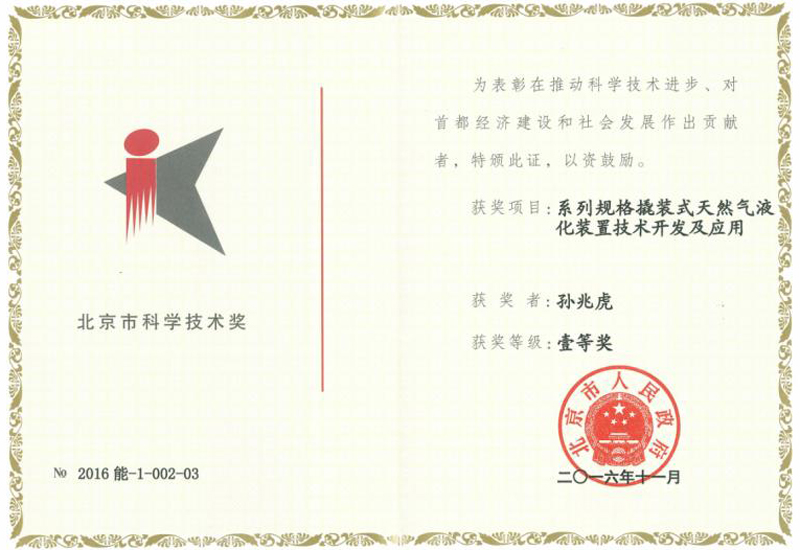
Ph.D. from the Institute of Physics and Chemistry Technology (CAS), National Senior Engineer. Dr. Sun has pioneered critical initiatives under the National 863 Program and the Natural Science Foundation. His innovations won the Special Prize of Technological Invention of the Chinese Society of Refrigeration (2015) and the Beijing Science & Technology Award (2016).
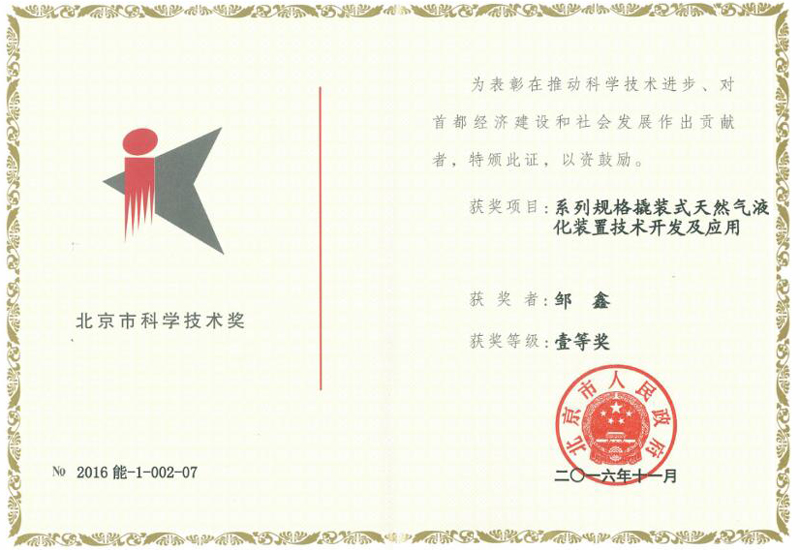
Ph.D. Candidate & Senior Engineer at the Institute of Physics and Chemistry Technology (CAS). Dr. Zou has published 24 peer-reviewed international papers (11 indexed in SCI/EI) and holds 5 patents. His work in small skid-mounted liquefaction solutions earned the Silver Medal at the 19th China International Industry Expo.
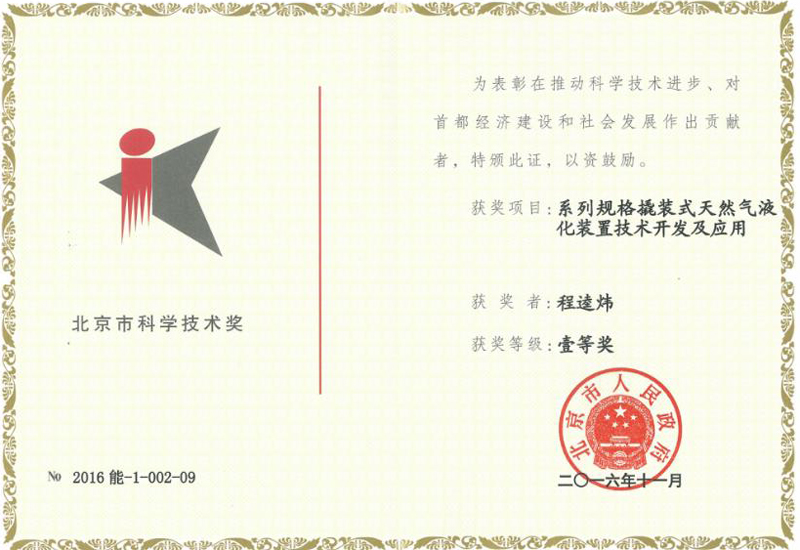
Doctor of Engineering from CAS. Dr. Cheng specializes in phase change heat transfer characteristics and flow properties of complex mixed working mediums. He developed the "Technology Development and Application of Skid-mounted Natural Gas Liquefaction Unit with Series of Specifications," leading to significant industry breakthroughs.
Analyzing key industrial indicators driving demand for skid-mounted and localized liquefaction equipment.
The global energy landscape is undergoing a structural transition characterized by the integration of natural gas as a bridge fuel and the rapid expansion of localized biogas, coalbed methane (CBM), and shale gas resources. Historically, gas liquefaction was restricted to massive, capital-intensive baseload plants. However, the contemporary industrial demand focuses heavily on modular, skid-mounted LNG liquefaction units and tail gas recovery equipment.
This shift is driven by three main factors:
Engineered for high performance under hazardous operating environments.
We hold A2-level pressure vessel manufacturing licensing, pressure pipeline component manufacturing licenses, GB/T19001-2016 quality system certifications, and Sinopec HSSE & CNPC Health, Safety and Environment Management System certifications.
Leveraging deep thermodynamic research from CAS, our systems feature proprietary phase change heat transfer models. We maintain more than 20 independent intellectual property rights specifically targeting low-temperature and high-efficiency thermodynamic cycles.
Our technologies directly address carbon emissions reductions, greenhouse gas flaring mitigation, and hazardous medical and biological waste remediation. We contribute directly to localized environmental compliance and ecological protection projects.
Comprehensive systems designed to address complex industrial thermal and gas separation challenges.
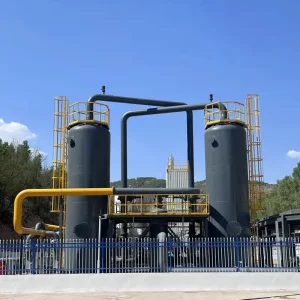
Raw gas streams—whether shale gas, coalbed methane, or associated oilfield gas—contain significant quantities of water vapor, heavy hydrocarbons, carbon dioxide, and sulfur species. Our systems provide a fully integrated purification pathway:
Apart from gas solutions, our academic research has yielded advanced thermal treatment technologies for hazardous medical and biological waste:
Demonstrated operational reliability under diverse industrial conditions.
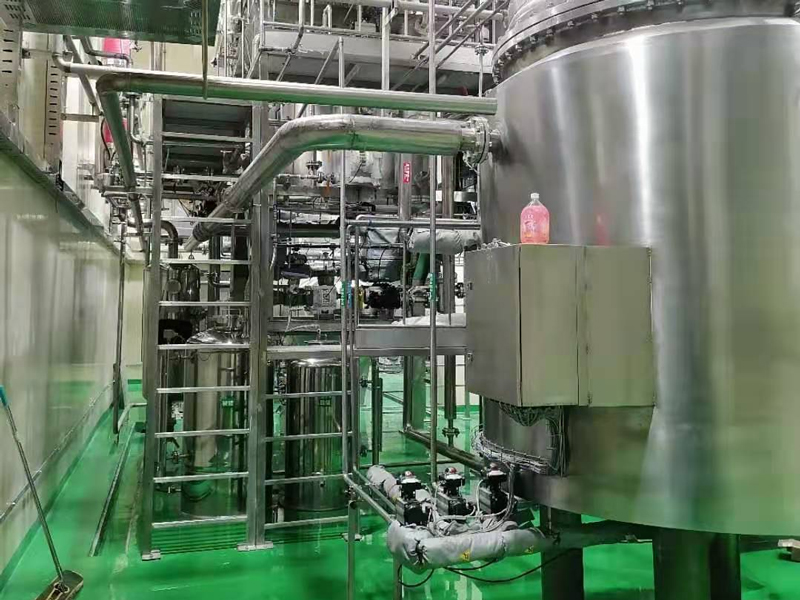
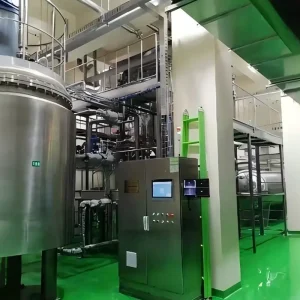
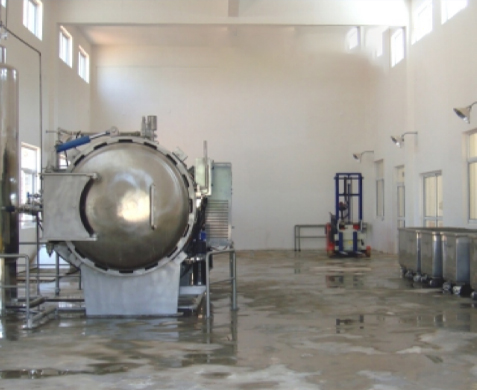
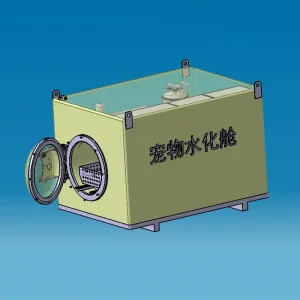
Deployments in leading research academies utilizing thermal hydrolysis to handle biohazardous remains under high pressure.
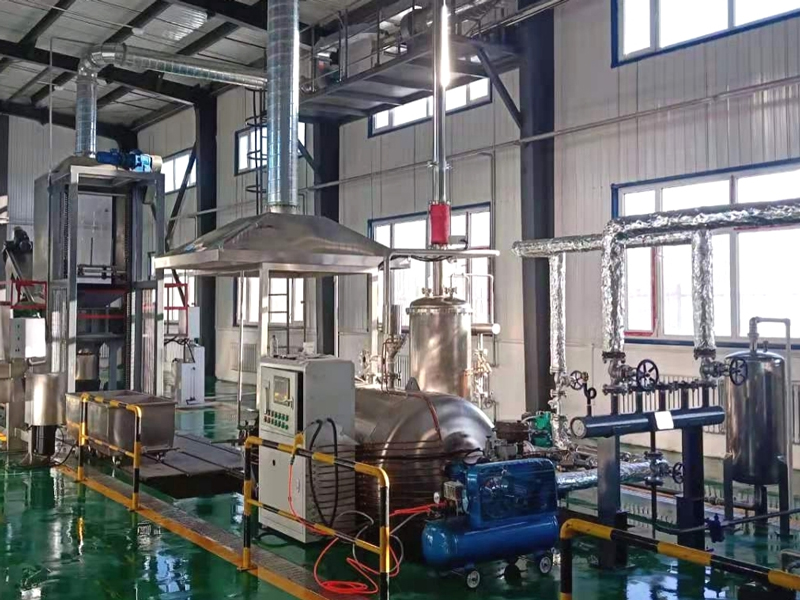
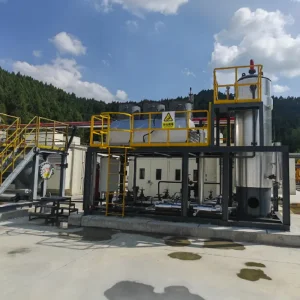
High-mobility, containerized steam sterilization setups designed for rapid deployment in remote regions and emergency environments.
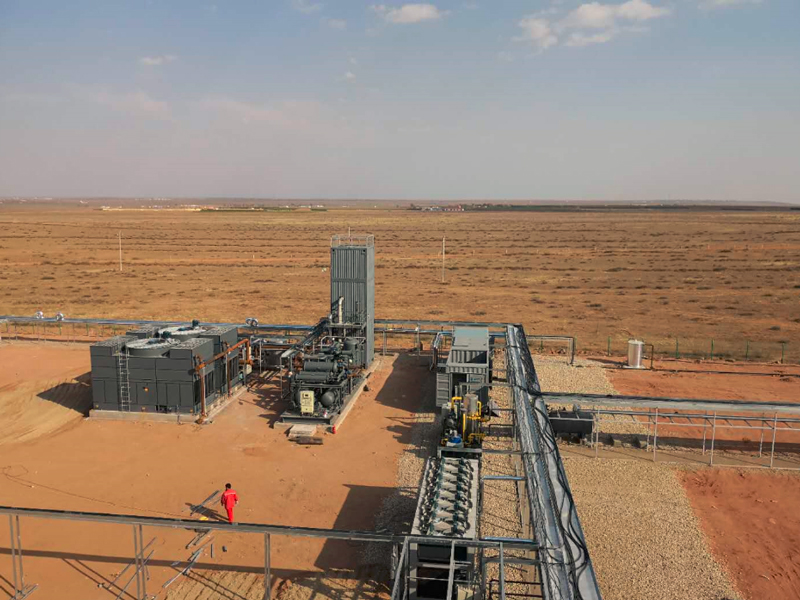
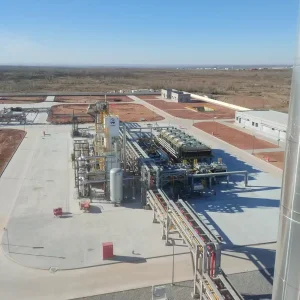
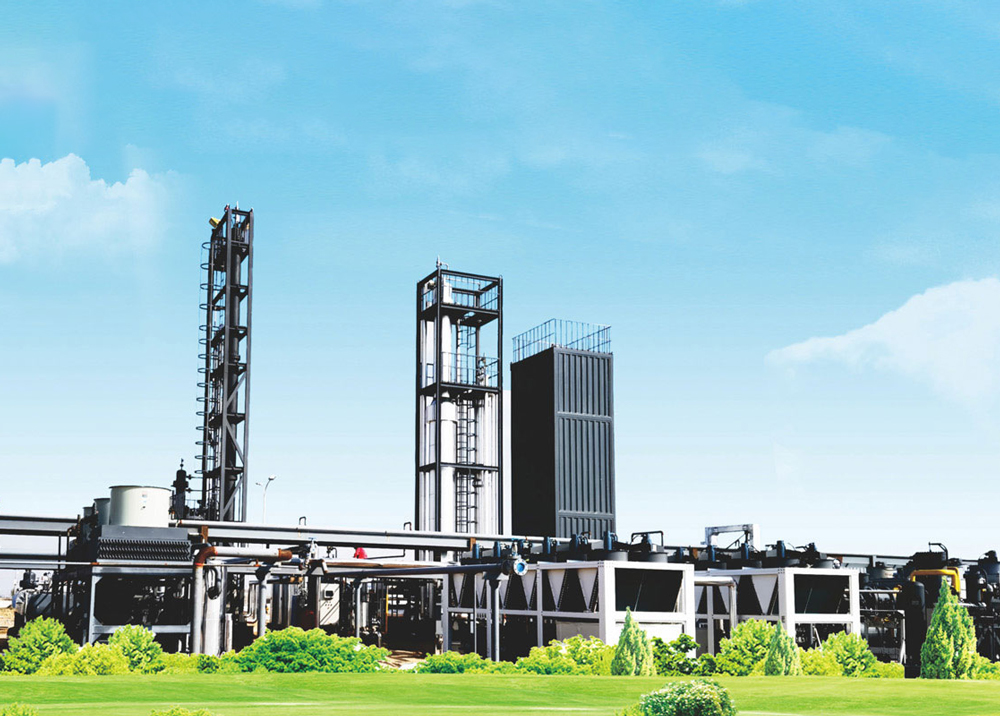
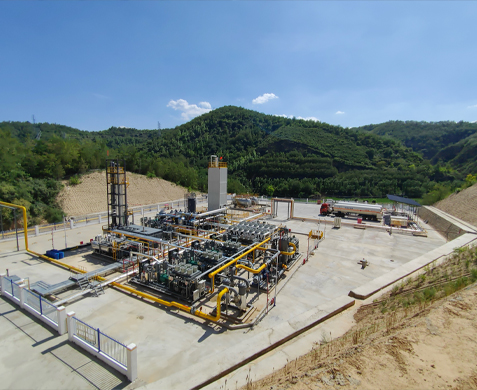
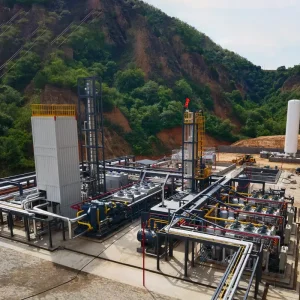
Highly integrated, skid-mounted natural gas liquefaction plant recovering associated petroleum gas at remote drilling stations.
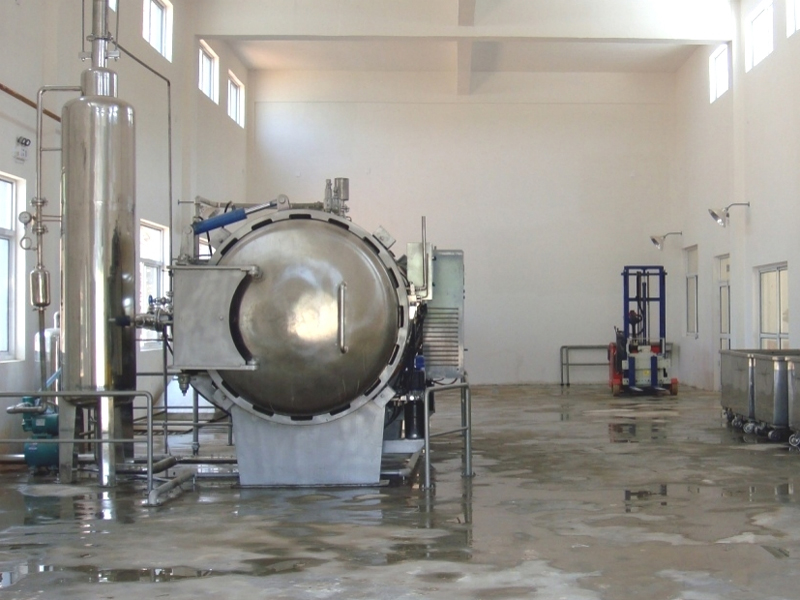
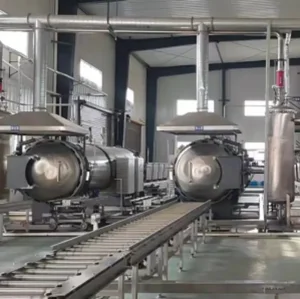
Large-scale municipal waste facility featuring automated autoclave loading, processing up to several tons of medical refuse daily.
Addressing engineering questions regarding natural gas liquefaction, pressure safety, and thermal sterilization.
Skid-mounted units feature compact modular design. Since all critical equipment, piping, instrumentation, and control loops are integrated onto structural steel skids at our ISO certified factory, the process guarantees higher manufacturing quality and reduced field construction schedules. Furthermore, if the gas well depletes, these modules can be disconnected and re-deployed at alternative locations, offering outstanding flexibility and lower investment risk.
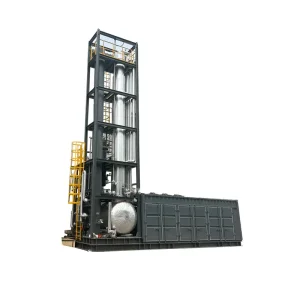
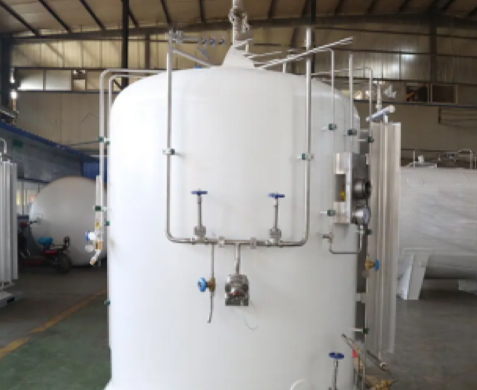
Our core cryogenic solutions utilize both Mixed Refrigerant Cycles (MRC) and Nitrogen Expansion cycles, depending on the scale and gas chemistry. The MRC technology relies on a custom blend of nitrogen, methane, ethylene, propane, and isobutane. Optimized by researchers from the Chinese Academy of Sciences (CAS), our MRC cycle adjusts the components of the refrigerant to mirror the cooling curve of the process gas, maximizing heat transfer efficiency and lowering power requirements per kg of liquid produced.
Cryogenic cold boxes use aluminum plate-fin heat exchangers with micro-passages. Acid gases like CO2 will freeze solid at temperatures around -78.5 °C, which blocks the passages and can damage the heat exchanger. Water vapor will also form ice hydrate plugs. To prevent this, our purification systems pre-treat feed gas to reduce CO2 content to less than 50 ppmv and moisture content to less than 1 ppmv (corresponding to a dew point of -70 °C at pressure).
Saturated steam under pressure is one of the most reliable and non-polluting methods of sterilization. Unlike incineration, high-temperature steam sterilization does not generate toxic dioxins, furans, or heavy metal emissions. It is highly effective in neutralizing microbiological pathogens, medical sharps residues, and clinical waste bags. Our mobile waste disposal units bring this capability directly to clinics, reducing transportation risks.
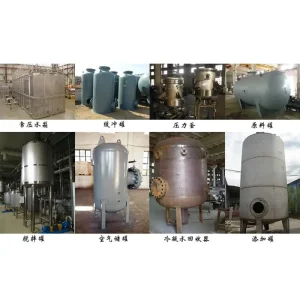
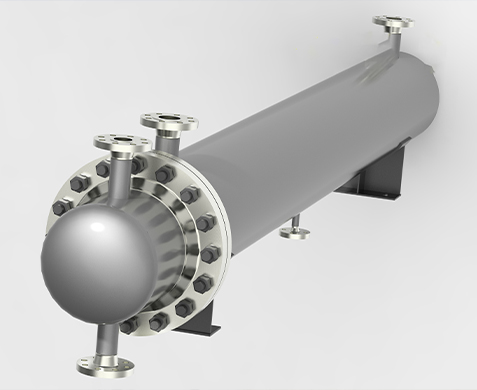
We hold a valid Class A2 pressure vessel license, which permits us to manufacture high-pressure vessels, shell and tube heat exchangers, and storage containers. Our engineering and manufacturing processes comply with national GB150 guidelines and can be adapted to international ASME Section VIII standards. We run extensive non-destructive testing (NDT), hydro-testing, and radiographic testing to ensure absolute integrity under extreme cyclic thermal loading.
Explore our specialized range of autoclaves, hydrolysis chambers, and recovery systems.

 Hongke Qingneng