In modern industrial pilot facilities, chemical research centers, and cryogenic engineering institutes, the experimental bench is no longer just furniture. It serves as the physical interface where complex chemical processing, extreme high-pressure operations, biopharmaceutical verification, and hazardous material control intersect. Modern, high-performance experimental benches must satisfy demanding criteria including structural integrity, vibration isolation, chemical inertness, and utility integration.
The global marketplace is experiencing a shift in expectations for experimental benches. Standard wood-laminate laboratory furniture is insufficient for pilot-scale gas treatment research, cryogenic thermal characterization, or hazardous waste processing. High-quality benches must integrate seamlessly with specialized equipment, including high-temperature steam lines, vacuum interfaces, and hydrocarbon purification units. Heavy equipment support, chemical spills, thermal cycling, and high-frequency vibrations require benches built with advanced structural engineering and premium metallurgy.
"As modern laboratory infrastructure shifts toward automated, pilot-scale chemical and physical testing, the physical test bench must act as an active containment and utility distribution hub. Robust engineering at this level prevents containment failure and mitigates risk in hazardous research environments."
Choosing the right experimental bench manufacturer is a strategic engineering decision. Industrial laboratories require systems that integrate gas purification loops, fluid cooling circuits, heat exchangers, and volatile organic compound (VOC) monitoring directly into the structural frame. The best-performing units feature heavy-duty welded frames, chemically resistant epoxy or phenolic resin worktops, integrated exhaust shrouds, and dedicated utility channels for gas, water, and power.
Our engineering team, led by PhDs from the Chinese Academy of Sciences (CAS), designs heavy-duty laboratory equipment, pilot testing rigs, and specialized experimental benches.
Dr. Sun Zhaohu holds a PhD from the Institute of Physics and Chemistry Technology, Chinese Academy of Sciences (CAS), and is a national senior engineer. He has directed key projects under the National 863 Program, the Natural Science Foundation, and various aerospace research initiatives. Dr. Sun is a recipient of the Beijing Science and Technology Award (First Prize, 2016) and the Chinese Society of Refrigeration Technological Invention Award (Special Prize, 2015). Under his direction, the company has secured more than 20 independent intellectual property patents and executed over 50 projects involving skid-mounted gas treatment systems.
Zou Xin is a PhD candidate and Senior Engineer at the Institute of Physics and Chemistry Technology, CAS. He has directed several national research initiatives under the "12th Five-Year Plan" and managed our manufacturing operations for several years. Author of 24 academic papers (including 11 SCI/EI indexed) and holder of 5 national patents, he received the Technological Invention Award from the China Refrigeration Society (2015) and the Silver Medal at the 19th China International Industry Expo (2017).
Dr. Cheng Kuwei earned his Doctor of Engineering from the Institute of Physics and Chemistry Technology, CAS. His research focus, "Technology Development and Application of Skid-mounted Natural Gas Liquefaction Units," received the First Prize of the Beijing Science and Technology Award. He manages process engineering and thermodynamics for our specialized pressure vessels and custom experimental testing installations, ensuring they meet rigorous thermal and structural limits.
The deployment of high-specification testing stations is accelerating across the petrochemical, new energy, and biopharmaceutical sectors. Procurement managers focus on three main design trends:
Industrial research laboratories require surfaces capable of resisting concentrated acids, polar solvents, and high-temperature thermal loads. Best-in-class benches utilize grade 316L stainless steel, ceramic composites, or thick phenolic resins with solid backing plates. These materials prevent degradation during chemical pilot runs.
Modern lab benches are designed with integrated manifolds for technical gases (nitrogen, helium, methane, argon) and high-pressure liquid supply lines. Built-in drainage, drip cups, and localized fume extraction hoods (snorkel arms or canopy hoods) ensure operator safety during experimental procedures.
Pilot-scale work requires benches that support heavy equipment like autoclaves, mass spectrometers, high-temperature furnaces, and heavy-duty heat exchangers. Supporting frames are constructed from thick structural carbon steel tubes coated with chemically resistant epoxy powder.
The table below highlights the engineering requirements and specifications for industrial-grade, heavy-duty laboratory benches:
| Performance Parameters | Standard Laboratory Bench Grade | Industrial Pilot Grade (Hongke Standard) | Technical Verification Standard |
|---|---|---|---|
| Load Capacity (Static) | 150 kg – 250 kg | 800 kg – 1,500 kg (Reinforced) | ISO 10002 / ASTM E8 structural testing | Frame Material | 1.2mm Cold Rolled Steel (Powder Coated) | 2.0mm+ Heavy Structural Steel (H-Beam/Tube) | EN 10219 structural steel profile certification |
| Worktop Material Options | Laminate / Standard Epoxy Resin | 316L Stainless Steel / Premium Ceramic / Flame Retardant Phenolic | EN 438-4 (Chemical Resistance Evaluation) |
| Utility Routing Integration | Surface conduit installation | Internal dual-layer utility chaseways (Gas/Fluid isolation) | SEFA 8 (Scientific Equipment & Furniture Association) |
| Vibration Damping | Standard leveling feet | Active pneumatic or elastomeric isolation dampening | ISO 2631 vibration assessment standards |
| Hazardous Containment | None (relies on secondary enclosures) | Integrated downward/rearward slot exhaust panels | ASHRAE 110 (Fume Hood and Containment Performance) |
Established in June 2021 with a registered capital of 78 million yuan, Hebei Hongke Qingneng Environmental Protection Equipment Co., Ltd. focuses on research, development, and manufacturing for the energy conservation and environmental protection industries. Located in the Sanhe Economic Development Zone, Langfang City, our facility design and fabrication team specializes in custom solutions. We manufacture pressure vessels, medical waste treatment units, chemical purification skid-mounted systems, and specialized experimental benches.
The company possesses the A2-level pressure vessel manufacturing license, pressure piping component manufacturing license, ISO9001 quality system certification, Sinopec HSSE, and China Petroleum HSE management system certifications. Recognized as a Langfang Municipal R&D platform, we bring advanced engineering experience to every project.
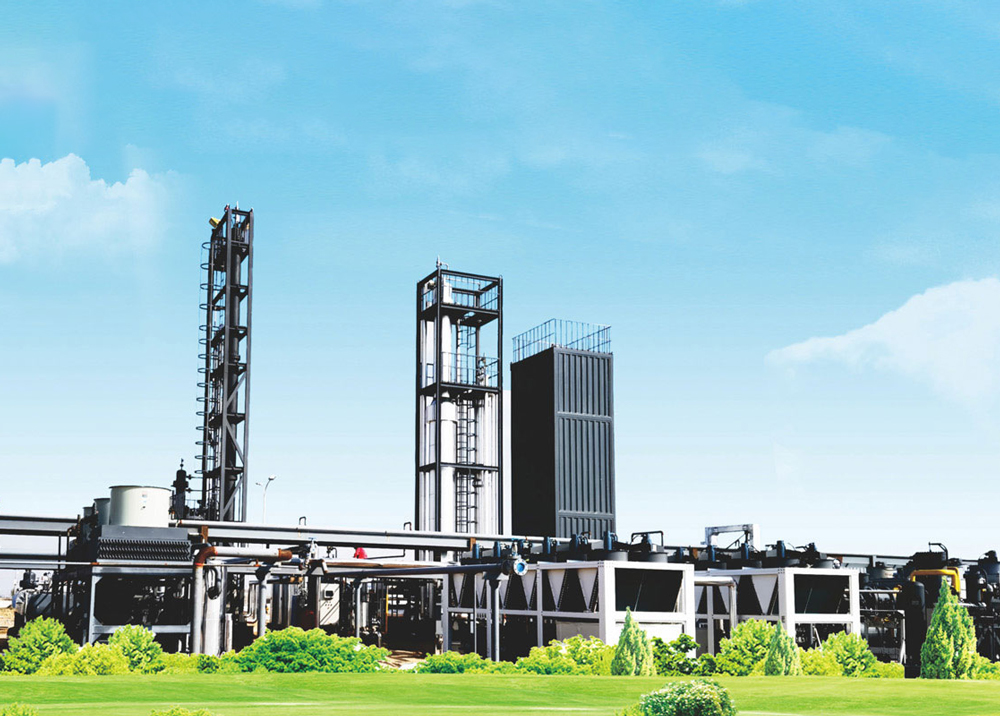
Our R&D includes specialists from Tsinghua University and the Chinese Academy of Sciences (CAS). We focus on environmental protection systems, skid-mounted gas treatment units, and custom test installations, ensuring each project meets high technical standards.
Holding the A2 pressure vessel manufacturing license, we design equipment to withstand high pressures, temperatures, and chemical exposures.
Our gas recovery, volatile organic compound (VOC) treatment, and emission control installations support carbon reduction and help meet industrial environmental compliance standards.
We offer engineering services to construct custom pilot-scale rigs, research stations, and test platforms according to client-provided parameters.
In energy research, petrochemistry, and biopharma, experimental benches often support high-temperature reactors, gas purification loops, and cryogenic testing. Ensuring operator safety during these tests requires a system that integrates the bench top and support structures with dynamic ventilation and automated process control.
Testing cryogenic LNG skid assemblies or high-temperature steam treatment systems requires test benches designed for thermal expansion and contraction. Materials must withstand thermal fluctuations between -196°C and +300°C without cracking, warping, or compromising joint integrity.
Our experimental benches isolate electrical systems from fluid pathways. Integrated gas-handling components are housed in secondary containment modules under negative pressure to prevent volatile organic compounds (VOCs) or hazardous gas leaks from entering the laboratory atmosphere.
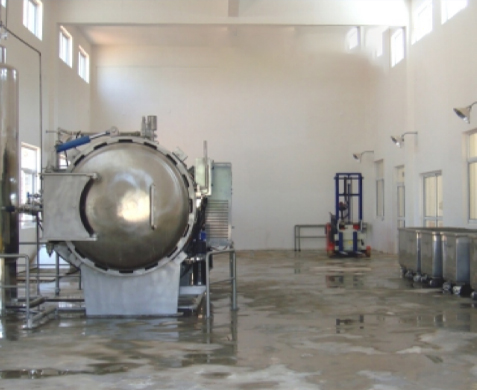
High-load testing (such as compressor trials, mechanical stress checks, or centrifuge operations) requires structures designed using Finite Element Analysis (FEA) to ensure load paths transfer force efficiently to the floor slab. Integrated dampers help prevent vibration transfer to nearby analytical equipment.
Hebei Hongke Qingneng divides its custom manufacturing and project delivery into four core industrial sectors, ensuring expert oversight for each system.
Centralized and mobile high-temperature steam medical waste treatment systems, animal tissue processors, and biological wastewater neutralization units designed for high sterilization efficiency.
Skid-mounted liquefaction plants, gas treatment systems (deacidification, dehydration, heavy hydrocarbon removal), tail gas recovery, and helium extraction solutions.
A2-rated pressure vessels, heavy-duty experimental benches, shell-and-tube heat exchangers, and high-capacity hot air furnaces customized to specifications.
Low-temperature refrigeration units (-40°C to -180°C), freeze dryers (-70°C to -100°C), and vacuum cold traps operating at temperatures down to -135°C for scientific research.
Our engineering team designs and manufactures process machinery, custom testing enclosures, environmental processors, and specialized research structures.
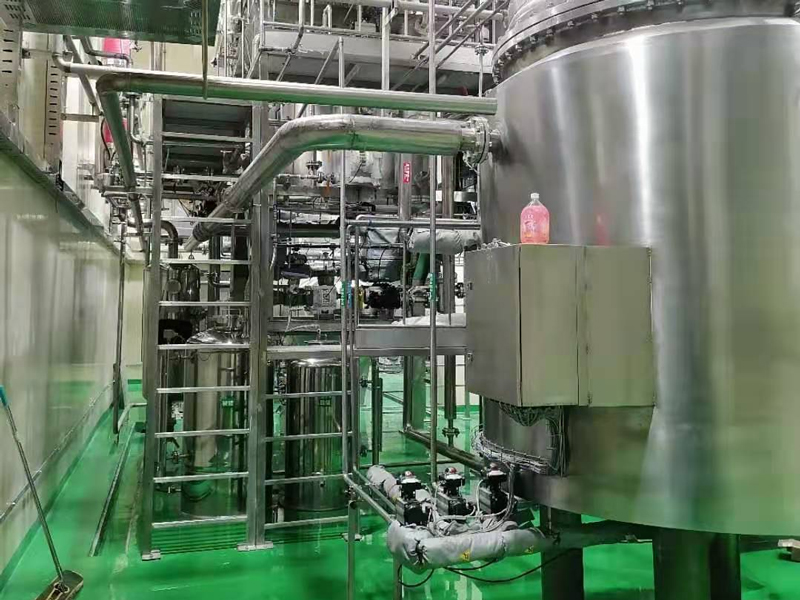
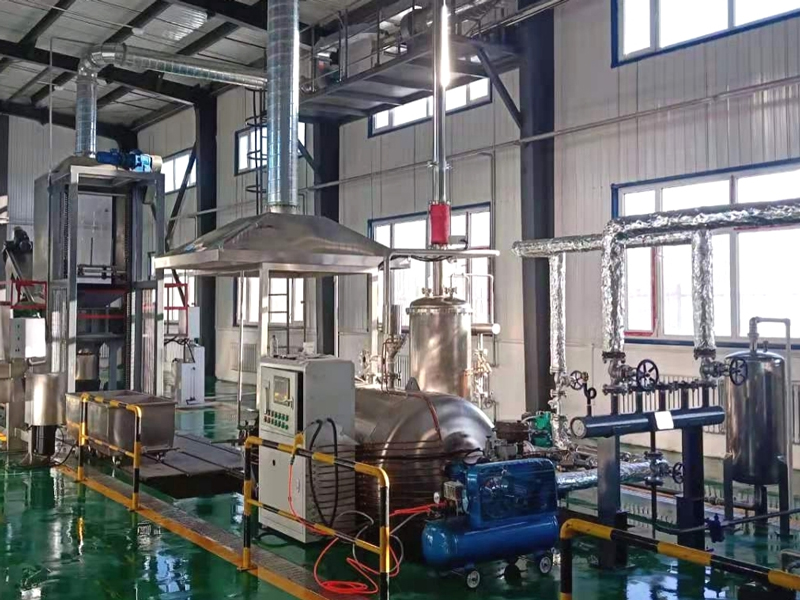
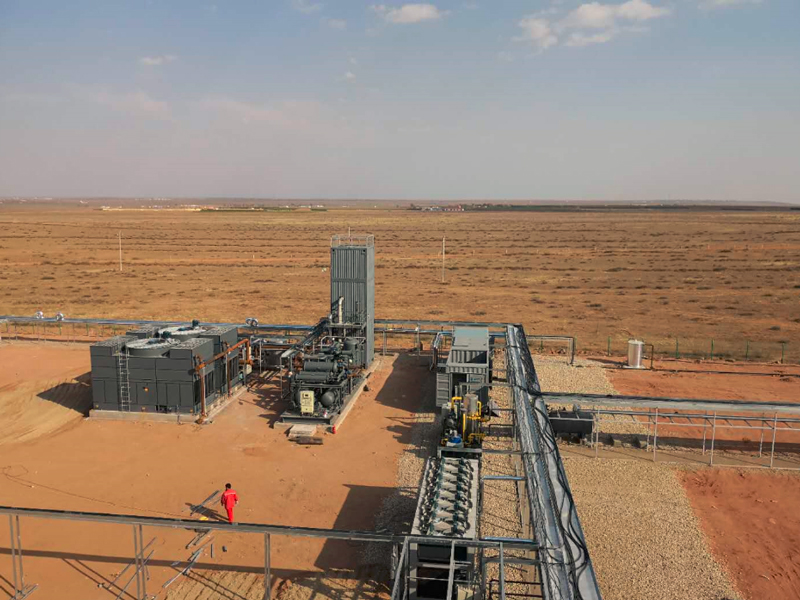
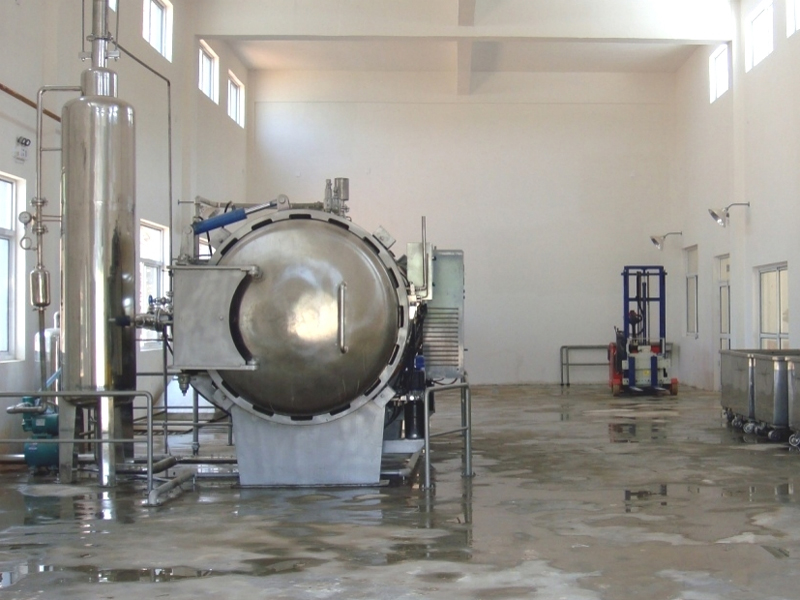
The requirements for industrial laboratory work benches are changing. As chemical and process engineering laboratories incorporate more sensors and automation, experimental benches are evolving from simple mechanical supports to integrated smart systems.
Modern designs incorporate embedded gas sensors, thermal couples, and load-monitoring systems directly into the bench structure. These sensors monitor localized leaks, heat stress on the bench surface, and weight shifts, reporting data directly to the laboratory management system.
New bench designs feature self-adjusting localized extraction systems. Airflows adapt dynamically based on chemical vapor concentration, protecting operators while reducing HVAC energy consumption when extraction needs are low.
Removable worktop sections allow users to reconfigure layouts for changing process equipment. Users can switch between heavy-duty flat surfaces, recessed wells for pressure vessels, and open frames for fluid loop installations.
 Hongke Qingneng