 Hongke Qingneng
Deep Cryogenic Biogas Liquefaction: Technology, Dynamics & Global Implementations
As the global energy matrix transitions towards zero-emission fuels, biogas liquefaction has emerged as a cornerstone technology for decarbonizing heavy-duty transport, maritime operations, and isolated off-grid applications. Converting raw biogas—predominantly methane (CH₄) and carbon dioxide (CO₂)—into Liquid Biogas (LBG) or bio-LNG demands high thermodynamic precision, strict impurity extraction, and exceptional thermal efficiency.
1. Global Biogas Liquefaction Industry Trends (2025–2030)
The transition from gaseous Biomethane (CNG equivalent) to liquefied Bio-LNG is accelerating globally. Liquid methane has an energy density approximately 600 times greater than gaseous methane at ambient pressures, making storage, transport, and fueling highly viable over extended distances.
- Deep Decarbonization and Negatively Gated Emissions: By combining bio-LNG production with carbon capture technologies, operators can capture and liquefy biogenic CO₂ (Bio-LCO₂), providing a valuable raw material for the food industry and synthetic fuel synthesis, while achieving net-negative carbon operations.
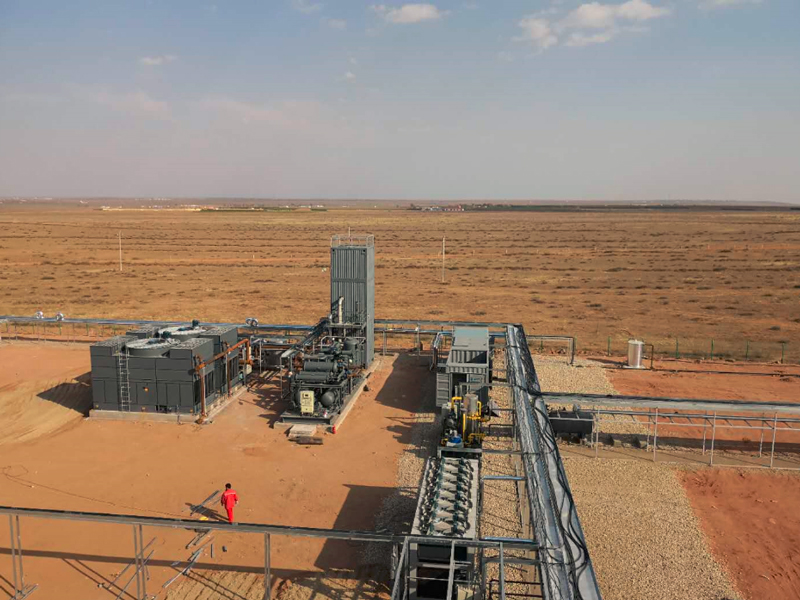
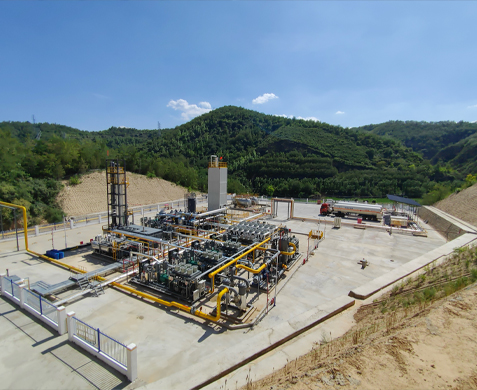
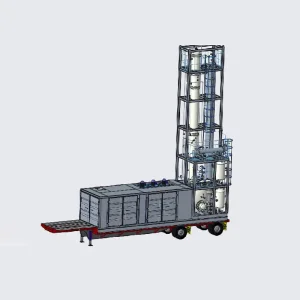
- Skid-Mounted Decentralization: High-capacity centralized facilities are giving way to decentralized, modular, skid-mounted systems. These allow agricultural operators, landfill sites, and municipal wastewater treatment plants to liquefy methane directly at the source, reducing logistics costs and transport emissions.
- Zero-Methane-Slip Systems: Regulatory pressure under the EU RED III Directive and US EPA Renewable Fuel Standard (RFS) is making the recovery of even fractional methane slips necessary. Modern liquefaction designs utilize recovery loops to eliminate trace emissions.
2. Engineering Macro-Solutions for Biogas Upgrading and Liquefaction
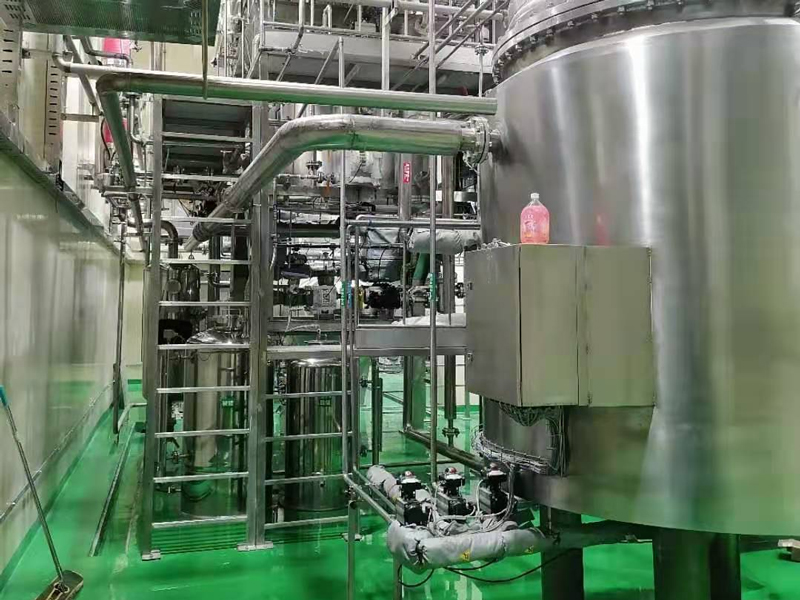
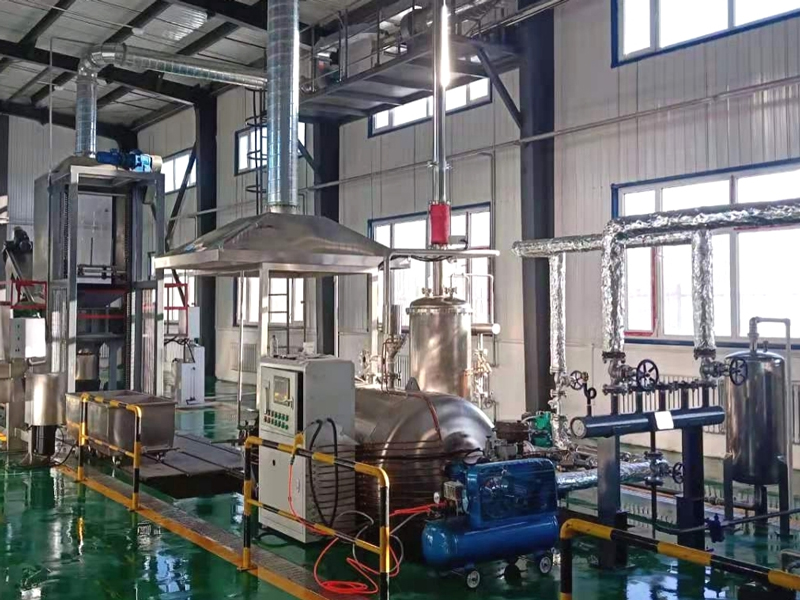
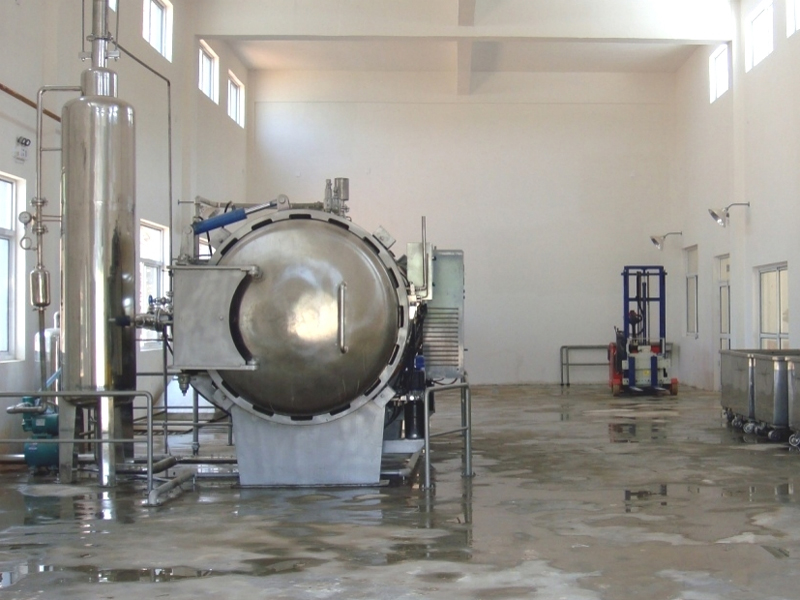
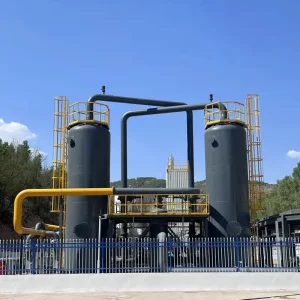
Liquefying biogas requires a complex balance of chemical and cryogenic process steps. Raw biogas typically contains volatile impurities (H₂S, CO₂, water vapor, siloxanes, VOCs) that would freeze at cryogenic temperatures (-161°C), causing blockages and mechanical failures inside heat exchangers. Hongke Qingneng integrates these steps into a unified system:
Phase 1: Advanced Pre-Purification
Before cooling, biogas undergoes rigorous deacidification (using amine wash or physical absorption systems to reduce CO₂ to < 50 ppm), deep chemical desulphurisation (dry or wet technology to decrease H₂S to < 1 ppm), dehydration to a dew point below -70°C, and heavy hydrocarbon/VOC extraction.
Phase 2: Cryogenic Liquefaction Cycle
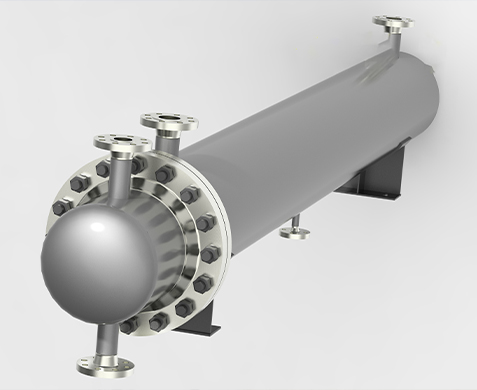
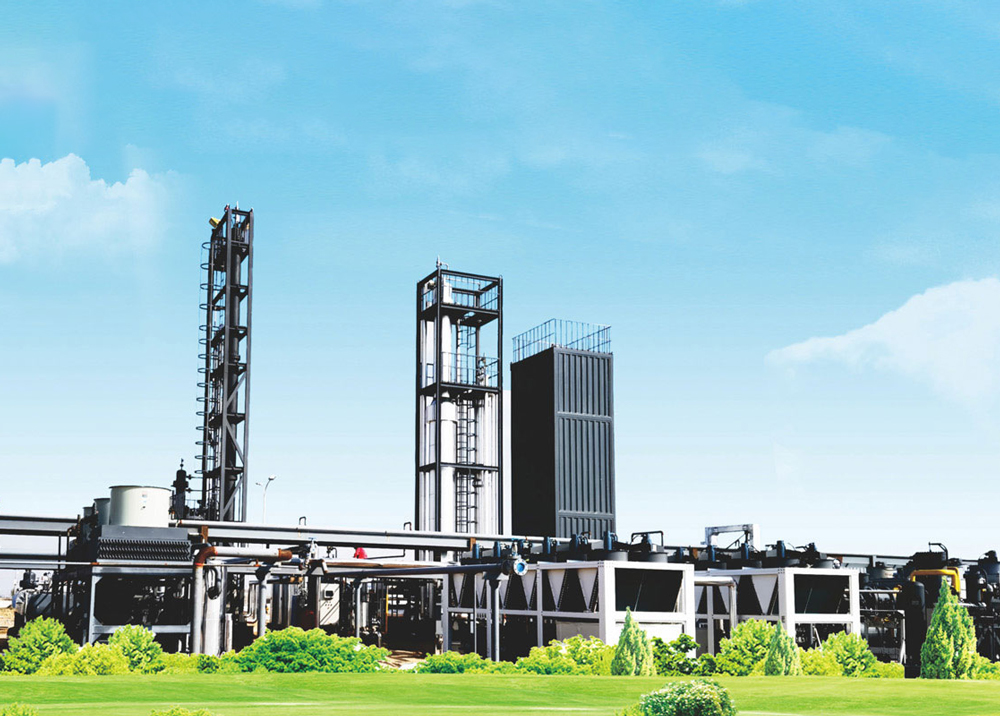
Using advanced Mixed Refrigerant Cycles (MRC) optimized by our CAS cryogenics engineering team, the purified methane gas is gradually subcooled in premium vacuum-insulated plate-fin heat exchangers. This process converts biomethane gas into liquid biomethane at temperatures down to -162°C.
3. Technical Specifications & Procurement Focus for Enterprise Buyers
Global corporate buyers evaluating biogas liquefaction systems look for clear performance metrics:
- Energy Performance Coefficient: The power required per kg of liquefied biomethane. Our optimized MRC processes reduce power requirements to 0.4–0.5 kWh/kg, depending on input pressures and plant capacities.
- Skid Configuration: Full factory-assembled skid mounting minimizes on-site assembly, piping, and commissioning times, reducing investment risk.
- Impurity Tolerance Limits: High-performance cold boxes require purification equipment that consistently delivers pure biomethane (≥99% CH₄) to prevent ice crystal formation in the system.
4. Regulatory Compliance & Localized Support Frameworks
Our manufacturing plants operate under strict quality management frameworks, holding the A2 Level Special Equipment Manufacturing License for pressure vessels, pressure piping manufacturing certificates, and ISO 9001:2015 quality system credentials. Furthermore, our projects meet Sinopec HSSE and CNPC health, safety, and environmental standards, making our installations highly compliant with international standards, including ASME Sec VIII Div 1 for pressure vessels and CE directives for European markets.