Explore our core engineering catalog, designed and fabricated under strict ISO 9001 and A2 Level certification frameworks to ensure operational resilience in high-pressure and low-temperature settings.
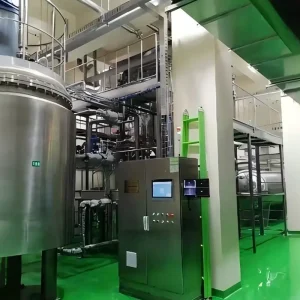
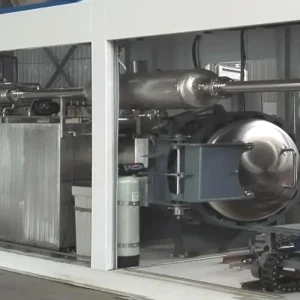
Established in June 2021 with a registered capital of 78 million yuan, Hebei Hongke Qingneng Environmental Protection Equipment Co., Ltd. is a leading engineering enterprise specialized in the research, design, and manufacture of advanced energy conservation, pressure containment, and environmental protection equipment. Situated in the Sanhe Economic Development Zone, Langfang City, our state-of-the-art facility occupies a key hub in China's industrial manufacturing heartland, leveraging world-class logistics and raw material supply corridors.
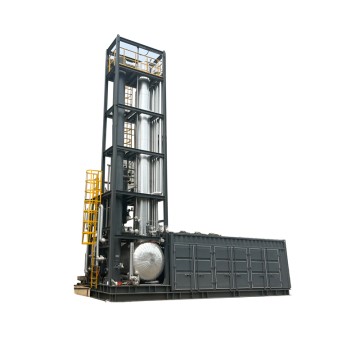
Our focus spans the design and manufacturing of various pressure vessels, medical waste high-temperature steam treatment units, biological and toxic wastewater treatment setups, and comprehensive gas handling technologies. We specialize in skid-mounted modular engineering, natural gas/shale gas purification and liquefaction, VOC mitigation, BOG helium extraction, and industrial refrigeration.
"Innovation-driven development, service-led upgrading. Our commitment is to deliver highly specialized carbon steel vessels and process skids that enable businesses worldwide to minimize emissions, optimize resources, and comply with safety frameworks."
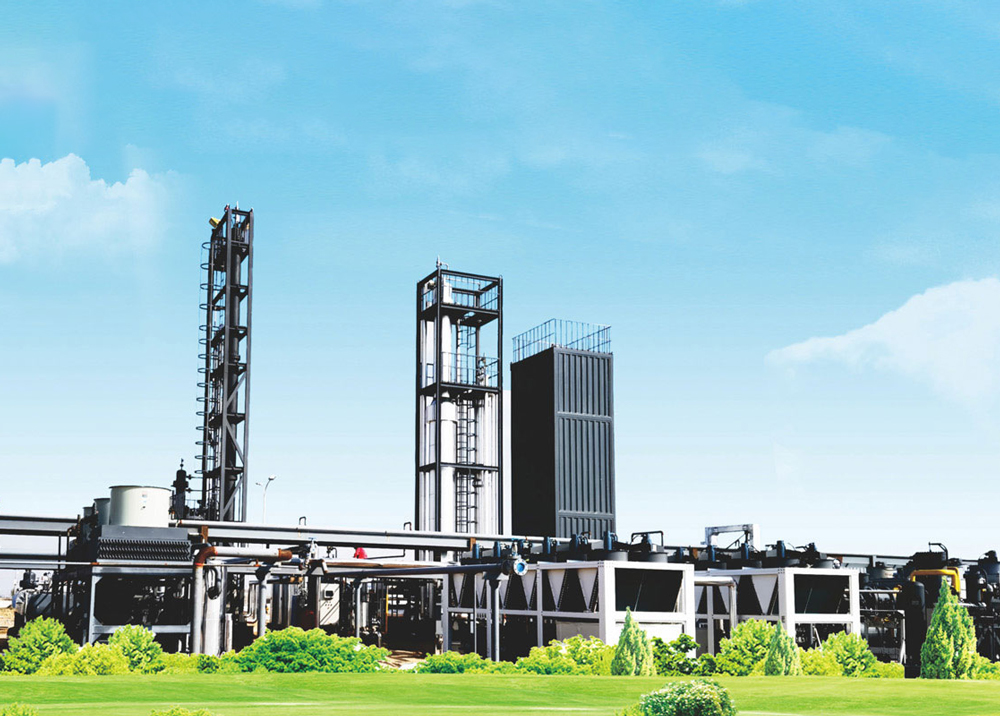
Our competitive technical edge is supported by direct collaboration with the Institute of Physics and Chemistry Technology, Chinese Academy of Sciences (CAS), and Tsinghua University.
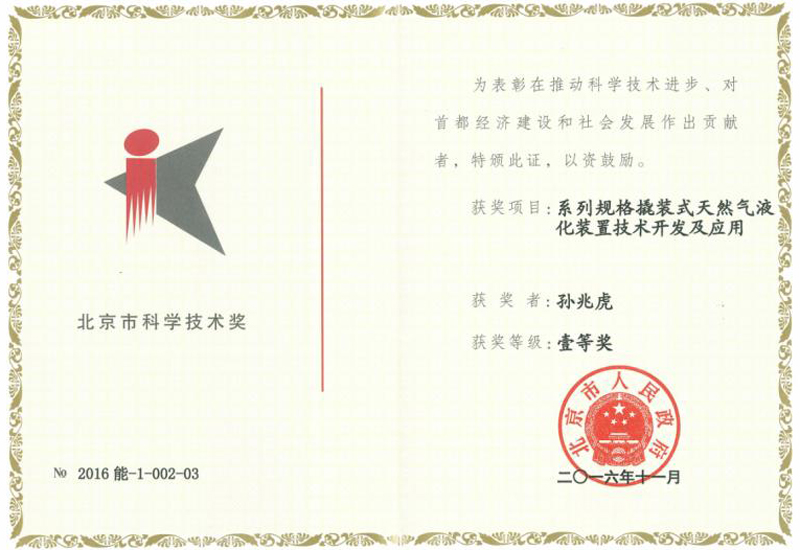
Holds a PhD from the Institute of Physics and Chemistry Technology, Chinese Academy of Sciences. An acclaimed recipient of the Chinese Refrigeration Society Technological Invention Special Prize (2015) and Beijing Science and Technology Award First Prize (2016). Having led multiple high-profile National 863 Program projects and aerospace engineering initiatives, Dr. Sun has successfully applied over 20 proprietary invention patents directly to major Chinese and international industrial scale-ups.
A PhD candidate and senior researcher at CAS. Dr. Zou has managed major market expansions and technical research projects, including the "12th Five-Year Plan" national major special programs. Author of 24 international and domestic academic papers (11 SCI/EI indexed), he holds 5 national invention patents. He was awarded the Silver Medal at the 19th China International Industry Expo in 2017 for outstanding performance in system engineering.
Doctor of Engineering from the Chinese Academy of Sciences. An expert on mixed-working-medium phase changes, thermal transfer dynamics, and flow characteristics. Dr. Cheng designed and executed the technological roadmap for various large-scale modular skid-mounted liquefaction facilities. He was awarded the First Prize of Science and Technology Award of Beijing (2016) for breakthroughs in natural gas purification and cryogenic processing.
Why carbon steel remains the global standard for industrial pressure vessels, and how Hongke Qingneng optimizes fabrication for safety, durability, and cost-efficiency.
Depending on the operating conditions, we deploy specific carbon steel grades such as ASTM A516 Grade 70 (for moderate and lower temperature service requiring exceptional notch toughness) and ASTM A106/A53 for piping integration. By calculating precise corrosion allowances and utilizing finite element analysis (FEA), we design vessels capable of handling pressures up to 100+ bar and thermal cycling from low cryogenic temperatures to elevated processing states.
Welding carbon steel introduces residual stresses that can trigger stress corrosion cracking (SCC) or hydrogen embrittlement. At our factory, we execute precise Post-Weld Heat Treatment (PWHT) cycles in our dedicated gas-fired ovens to relieve thermal stress and refine grain structure. Every vessel undergoes exhaustive Non-Destructive Testing (NDT), including Radiographic Testing (RT), Ultrasonic Testing (UT), and Magnetic Particle Testing (MT), satisfying Class I and II weld standards.
While carbon steel provides outstanding load-bearing capacity and cost advantages over stainless steel or titanium, it is vulnerable to atmospheric and chemical oxidation. We apply advanced epoxy linings, polyurea barriers, or galvanized coatings designed for chemical exposure and salty offshore marine environments. This prolongs vessel lifespans by up to 25 years under high-uptime processing operations.
Instead of on-site assembly, which introduces variables in environmental control and labor costs, we package pressure vessels into skid-mounted structural steel frames. All interconnecting piping, valves, sensors, and PLC instrumentation are assembled, wired, and pressure-tested inside our Langfang factory, reducing field commissioning periods from months to a few days.
How our custom carbon steel containment vessels and systems perform across global sectors.
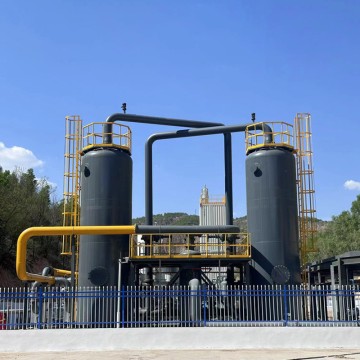
Deploying large-capacity deacidification columns, dehydration skids, and heavy hydrocarbon separators in regional gas grids. These vessels separate sour components and dry gas prior to sub-zero liquefaction processes, avoiding freeze-ups and pipeline corrosion.
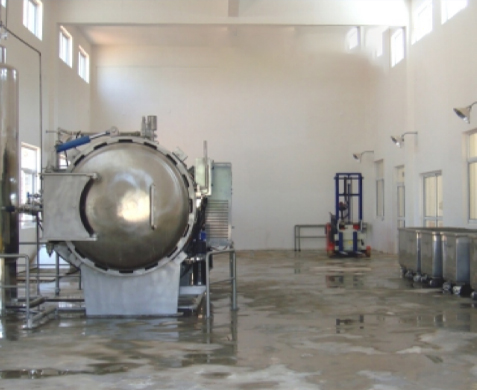
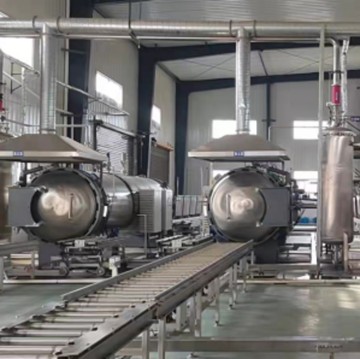
Our heavy-duty carbon steel autoclaves process toxic waste using high-temperature, high-pressure steam. Used in centralized metropolitan treatment centers and mobile clinical waste units to sanitize and neutralize biohazards safely.
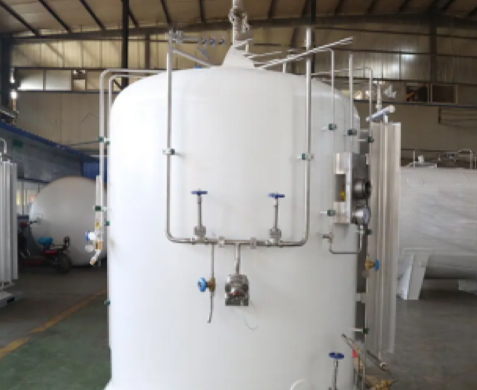
Providing containment for low-temperature refrigerants down to -180°C. Optimized carbon steel selection prevents structural embrittlement, ensuring safety in helium extraction, BOG recovery, and fast freeze-drying processes.
Producing industrial-scale pressure vessels and purification units requires secure access to heavy industries, metallurgy networks, and shipping ports. Operating in the Langfang industrial zone grants us an array of strategic advantages:
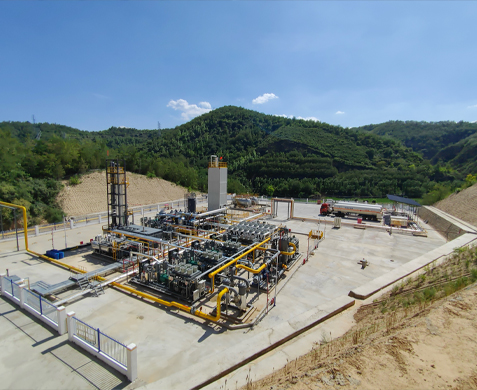
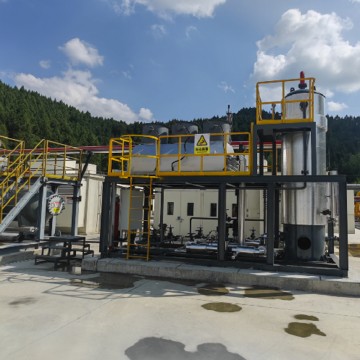
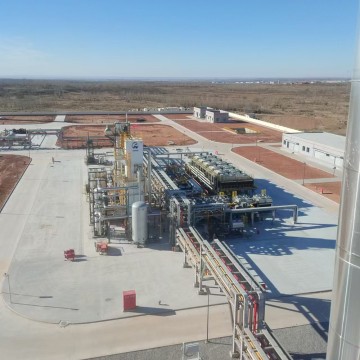
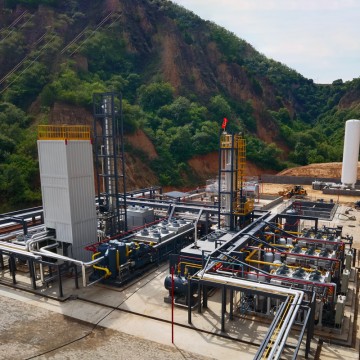
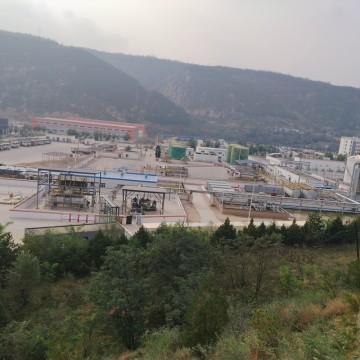
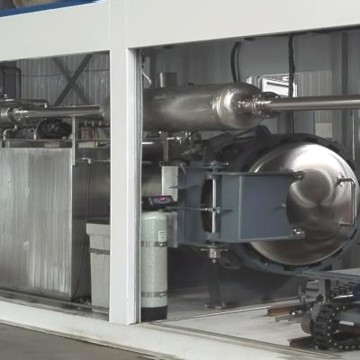
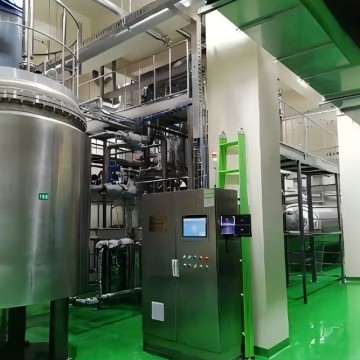
Explore real-world installations showcasing our capacity to produce, assemble, and test highly complex systems.
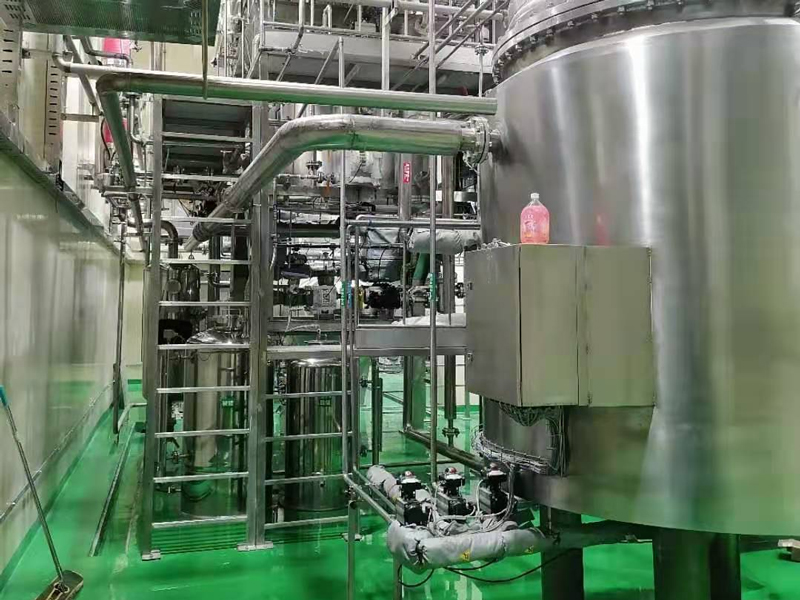
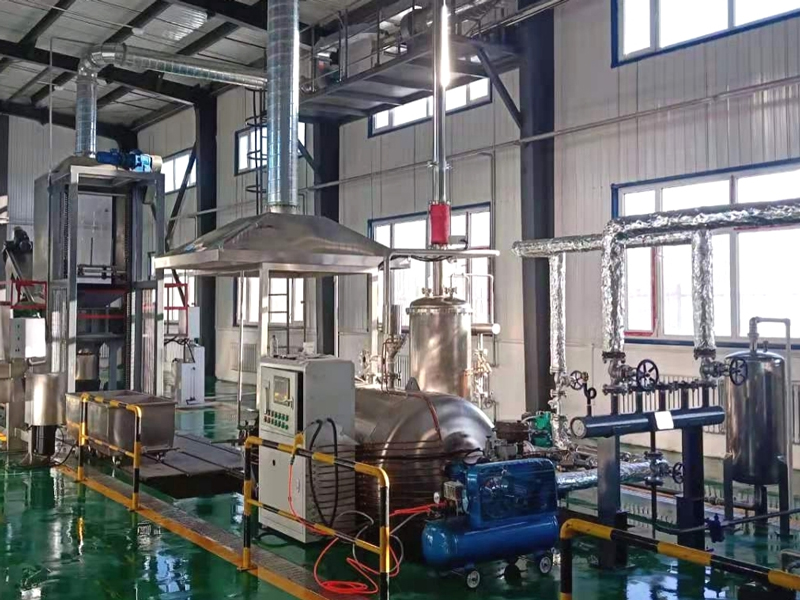
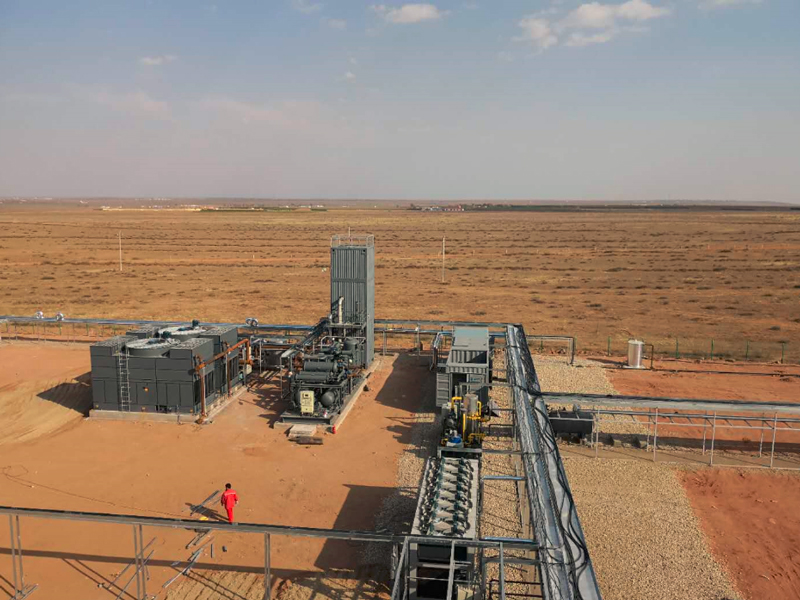
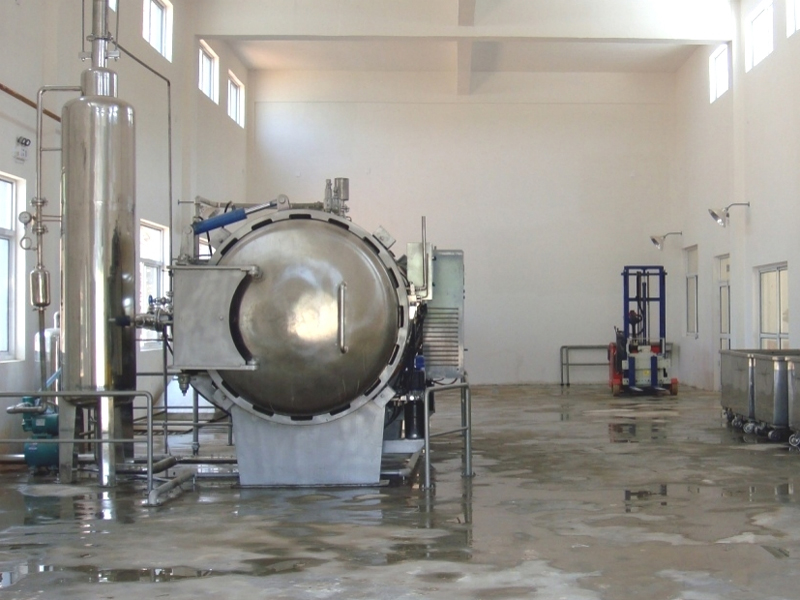
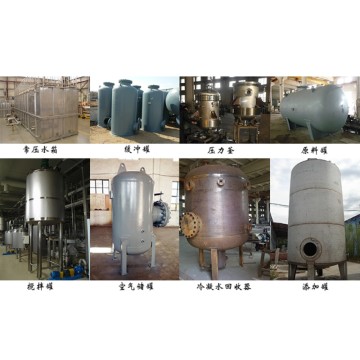
A closer look at our custom fabrication process, heavy pressure vessel rolling, and structural frame welding.
How we are engineering the future of high-pressure storage and clean energy gas processing.
As carbon reduction goals redefine industrial requirements, the pressure vessel market must adapt. Our engineering roadmap addresses key shifts in energy recovery and emission control:
| Timeline | Key Focus Areas | Technological Objectives | Environmental Contribution |
|---|---|---|---|
| 2024 - 2025 | Hydrogen Storage Compatibility | Development of specialized inner linings to eliminate hydrogen embrittlement in carbon steel storage structures. | Promotes clean hydrogen fuel deployment. |
| 2025 - 2026 | Digital Twins & Smart Telemetry | Embedding ultrasonic strain-gauge and acoustic emission sensors in vessel walls for real-time monitoring of fatigue, pressure, and temperature. | Improves plant safety and limits structural failures. |
| 2026 - 2027 | High-Recovery Cryogenic Columns | Refining cryogenic separation systems to optimize BOG (Boil-Off Gas) helium extraction from natural gas streams. | Reduces wastage of valuable industrial resources. |
Ensuring engineering integrity, trouble-free commissioning, and long-term security in international operations.
We maintain an A2 Level pressure vessel manufacturing license, pressure piping component licenses, GB/T19001-2016 / ISO 9001 quality management standards, and Sinopec HSSE / China Petroleum Health, Safety, and Environment management system certifications.
Every industrial project is unique. Our team collaborates with engineering, procurement, and construction (EPC) companies to design pressure vessels, heat exchangers, and purification skids that align with local pressure limits and space requirements.
We provide full installation supervision, commission support, piping system integration advice, and operator training to keep equipment running safely and efficiently.
Get answers to common technical, compliance, and fabrication questions regarding our carbon steel vessels and environmental skids.
Hebei Hongke Qingneng holds an active A2 Level Pressure Vessel Manufacturing License, meaning we are certified to produce high-pressure containment equipment. We operate under GB150 (China's National Pressure Vessel Design Standard) and can adapt design layouts and calculations to match ASME Section VIII Div 1 & 2 and PED (Pressure Equipment Directive) frameworks, depending on client site requirements.
Carbon steel (such as ASTM A516 Gr. 70 or GB Q345R) offers high yield and tensile strength, excellent thermal conductivity, and significant cost advantages for large-volume industrial pressure vessels. When processing non-corrosive hydrocarbons or when paired with appropriate protective internal linings (like epoxy or glass-lined coatings), carbon steel delivers a highly durable, cost-effective containment solution compared to expensive nickel alloys.
Our Quality Assurance system requires that all pressure-retaining welds undergo Non-Destructive Testing (NDT). This includes Radiographic Testing (RT) to inspect internal weld structures, Ultrasonic Testing (UT) for volumetric analysis, and Magnetic Particle Testing (MT) or Dye Penetrant Testing (PT) for surface defects. After final assembly and Post-Weld Heat Treatment (PWHT), every vessel is subjected to hydrostatic pressure testing at 1.25x to 1.5x its design pressure limits.
A custom-designed, skid-mounted system (such as our VOC treatment or LNG liquefaction unit) typically requires 12 to 18 weeks. This timeline includes structural calculations, drafting engineering approval documents, steel procurement, rolling, welding, component installation, wiring, testing, and surface finishing.
Our team works closely with local engineering agents and global shipping logistics partners to secure all required export paperwork. Skid-mounted modular designs fit directly into standard high-cube shipping containers or flat-rack transport systems, minimizing local port charges and simplifying site installation.
Review the rest of our product catalog, covering environmental emissions scrubbing, VOC recovery, cryogenic separation, and high-pressure steam processing units.
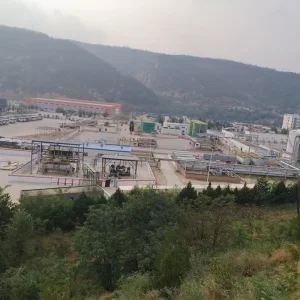
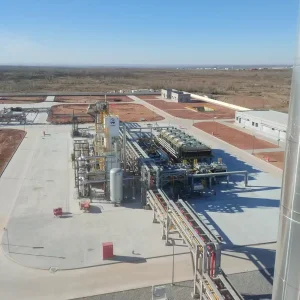
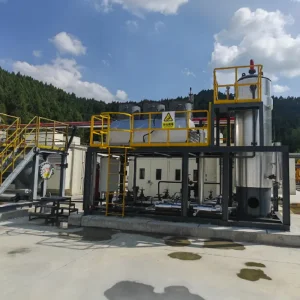
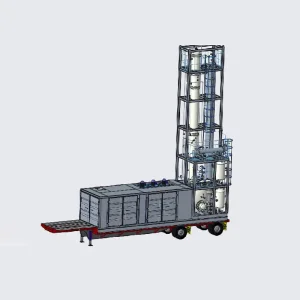
Comprehensive systems engineered and manufactured at our facility.

• Centralized medical waste high-temperature steam treatment installations
• Mobile medical waste disposal units
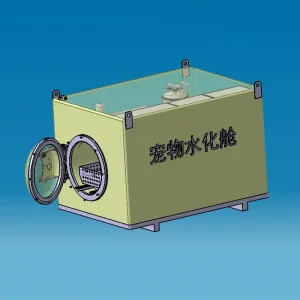
• Animal tissue (carcass) hydrolysis treatment autoclaves

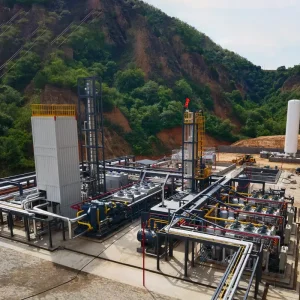
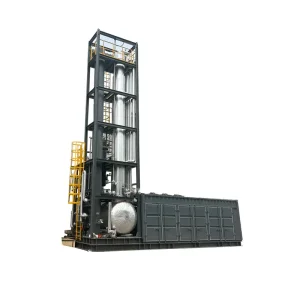
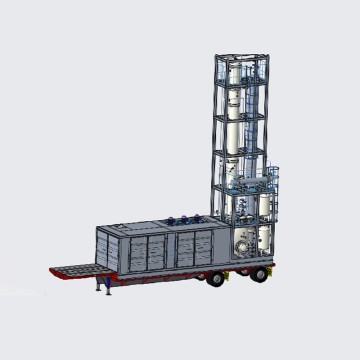
• Skid-mounted liquefaction equipment (Natural Gas, associated Coalbed Gas)
• Separation skids (Deacidification, molecular sieve dehydration, heavy hydrocarbon separation)
• Turnkey regional liquefaction plants

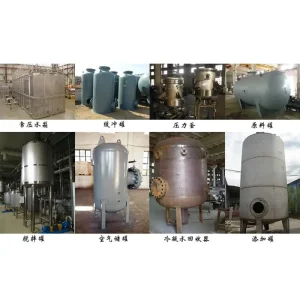
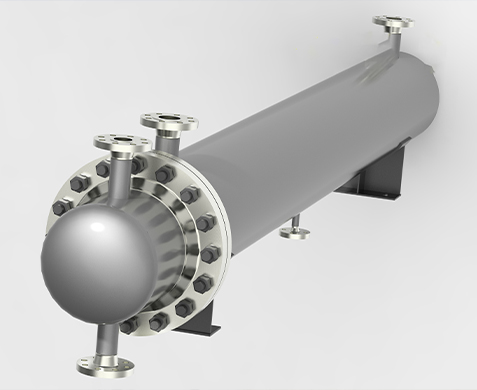
• Shell and tube heat exchangers, separator drums, columns, and scrubbers
• High-temperature hot air stoves
• Specialized laboratory test benches for pressure/cryogenic studies

• Cryogenic refrigeration systems (-40°C down to -180°C)
• Industrial freeze dryers (-70°C to -100°C)
• Ultra-low temperature vacuum cold traps (-135°C)
A closer look at our custom fabrication process, heavy pressure vessel rolling, and structural frame welding.
 Hongke Qingneng