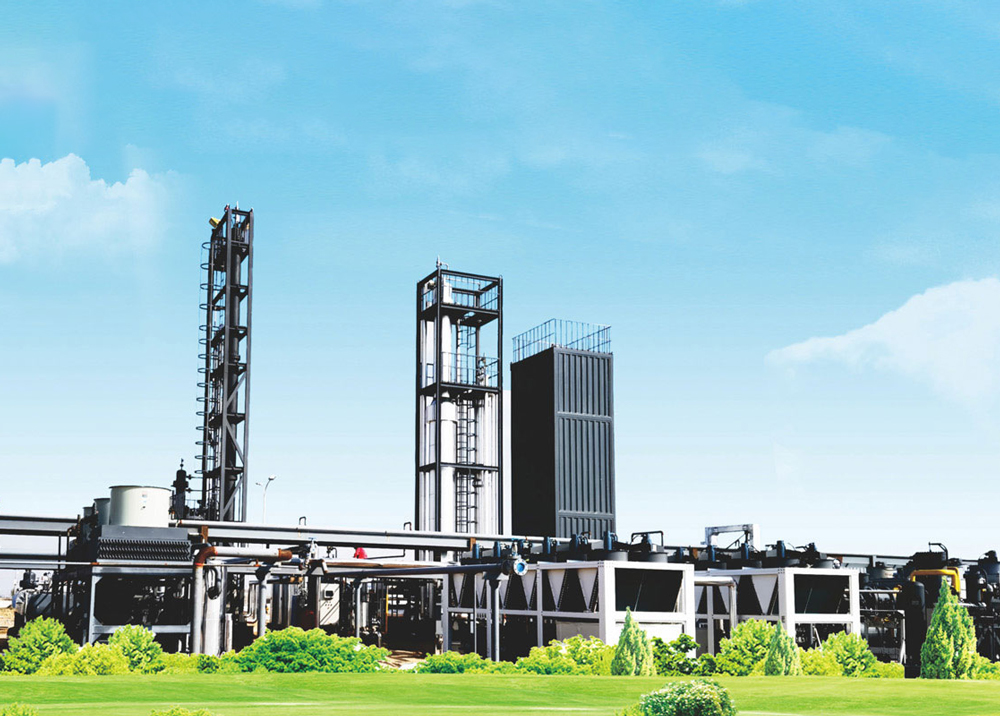
Explore our leading range of high-temperature autoclaves, mobile medical waste processing plant, custom pressure vessel systems, and volatile organic compound (VOC) treatment systems engineered to meet international safety and environmental benchmarks.
How the structural evolution of chemical-resistant surfaces, high-pressure equipment, and micro-containment technologies are redefining the safety baseline for R&D laboratories globally.
In modern industrial research facilities, the term "Experimental Bench" encompasses far more than static furniture. High-performance, integrated experimental benches serve as the core node of a laboratory's engineering controls. They are the physical interfaces where complex chemical synthesis, hazardous material storage, specialized high-temperature hydrolysis, and precision pressure control intersect. Leading global laboratories no longer view their layout as separate tables and autonomous process skids. Instead, they require unified configurations where experimental benches, local scrubbing hoods, pressure vessels, and mobile containment units are designed as a integrated system.
From university research incubators to high-security petrochemical centers and biosafety level 3 (BSL-3) agricultural research institutes, the requirement for reliability and non-standard custom integration has grown exponentially. At Hebei Hongke Qingneng Environmental Protection Equipment Co., Ltd., we bridge the gap between heavy industrial gas purification and high-precision laboratory process hardware. Through academic design paradigms led by China's primary research institutes, we build structural solutions that protect operators, preserve specimen integrity, and guarantee zero environmental contamination.
We tailor high-pressure autoclaves, custom animal carcass hydrolysis chambers, and process gas purification skids to align with specific workspace envelopes and chemical processes.
Supervised by Ph.D. level thermal engineers from the Chinese Academy of Sciences and Tsinghua University, keeping our technologies at the absolute peak of thermodynamic efficiency.
Equipped with official A2 level pressure vessel manufacturing licenses, Sinopec HSSE compliance, and ISO 9001:2016 quality management framework clearances.
Hebei Hongke Qingneng Environmental Protection Equipment Co., Ltd. was established in June 2021 with a registered capital of 78 million yuan. Headquartered within the state-supported Sanhe Economic Development Zone industrial cluster in Langfang City, our purpose-built engineering base focuses entirely on the research, development, and manufacturing of environmental protection and energy conservation systems.
Our business model blends chemical laboratory engineering with high-capacity municipal and industrial processing modules. We excel in designing and fabrication of non-standard pressure vessels, centralized high-temperature medical waste sterilization systems, biological wastewater treatment assemblies, and mobile skid-mounted LNG liquefaction systems. Whether optimizing coalbed methane extraction or engineering biological safety enclosures, we deliver custom-engineered physical platforms built to execute safely under severe operating conditions.
Our technologies are designed, validated, and manufactured under the guidance of elite scientists from the Chinese Academy of Sciences (CAS) and Tsinghua University.
Holding a Doctor’s degree from the Institute of Physics and Chemistry Technology of the Chinese Academy of Sciences (CAS), Dr. Sun has led several of China's most significant state engineering projects, including the National 863 Program, Aerospace Military Initiatives, and the CAS Knowledge Innovation Special Projects. Over his distinguished career, he has been awarded the First Prize of Science and Technology of the China Coal Industry, the Special Prize of Technological Invention of the Chinese Society of Refrigeration, and the First Prize of the prestigious Beijing Science and Technology Award. He possesses more than 20 independent engineering patents in mixed refrigerant gas cycle thermodynamics, directly contributing to our custom laboratory autoclave and gas separation hardware design.
A Ph.D. candidate and senior academic engineer from the Institute of Physics and Chemistry Technology, CAS, Dr. Zou oversees market development and technical operational standards at Hongke Qingneng. He has coordinated multiple "12th Five-Year Plan" national major science special projects and space-grade engineering systems. Author of 24 major academic publications (including 11 SCI/EI indexed papers) and inventor of 5 national patents, he brings robust scientific rigor to our quality management frameworks, ensuring all system configurations meet high laboratory benchmarks.
Dr. Cheng holds a Doctor of Engineering from the Institute of Physics and Chemistry Technology, CAS. Recipient of the Special Prize of the Science and Technology Award of the Chinese Refrigeration Society, his core expertise lies in multi-component non-azeotropic mixed refrigerant condensation mechanisms and complex high-temperature thermodynamic modeling. He leads our basic research and application team, transforming theoretical energy transfer dynamics into durable skid-mounted hardware.
Why international EPC firms and research organizations choose custom-engineered experimental infrastructure over catalog products.
In the contemporary B2B market, procurement managers and lab planners face challenging regulatory hurdles. Common off-the-shelf experimental bench setups fail to withstand intense thermal loads, harsh acids, or high biological containment expectations. Consequently, global procurement demands are shifting towards integrated solutions: benches that feature embedded electrical ducts, built-in waste collection piping, specialized exhaust vents, and automated gas piping manifolds.
Furthermore, international enterprises are optimizing their supply chains by consolidating their vendors. Instead of sourcing furniture from one dealer and autoclave sterilizers, custom pressure vessels, and VOC emission scrubbers from another, they require single-source manufacturing. Consolidating under Hebei Hongke Qingneng allows global project teams to achieve seamless hardware compatibility, unified compliance documentation, and clear structural accountability.
Detailed performance parameters for custom laboratory hardware, containment chambers, and integrated gas skids.
| Equipment Category | Core Structural Materials | Technical Parameters | Compliance Standards | Primary Industrial Use Case |
|---|---|---|---|---|
| Non-Standard Pressure Vessels | SS316L, Hastelloy C-276, Duplex Steel | Design pressure up to 35 MPa; temp -196°C to 450°C | ASME Sec VIII Div 1, GB150, PED 2014/68/EU | Chemical synthesis, polymer research reactors |
| Mobile Medical Waste Units | SS304 chamber, impact-resistant external housing | Continuous operation; 134°C sterilization; dynamic vacuum | GB28931-2012, CE Medical Device directives | Remote clinics, disaster recovery zone sanitation |
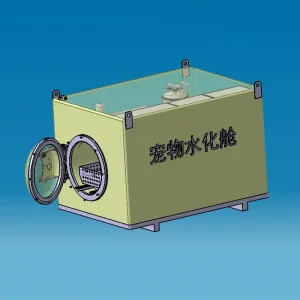
| Hydrolysis Sterilization Units | High-grade corrosion resistant stainless alloys | High-temp thermal cracking, integrated biological filtration | EPA pathogens rules, Sinopec HSSE | BSL-3/4 agricultural labs, veterinary institutes |
| VOC Exhaust Scrubbers | Polypropylene (PP), PTFE liners, SS316 frame | Multi-stage absorption; recovery efficiencies up to 99.8% | US Clean Air Act compliance, GB16297 | Petrochemical pilot lines, heavy organic synthesis |
| Skid-Mounted LNG Liquefaction | Cryogenic SS316, specialized thermal barriers | Capacity from 5,000 to 100,000 Nm3/d; Mixed Refrigerant Cycle | Class I Div 1 explosion proof, ASME B31.3 | Coalbed methane capture, recovery of isolated gas wells |
Integrating chemical research work surfaces with process engineering to solve environmental and productivity problems.
In biosafety environments (BSL-3 and BSL-4), standard counters present serious sanitation risks if joints and interfaces harbor microbes. Our bespoke laboratory benches feature seamless surfaces, deep anti-drip edges, and directly integrated biological effluent sterilization systems. By placing animal tissue hydrolysis sterilizers next to the workstation, researchers can process biohazardous materials immediately, eliminating risks associated with carrying contaminated materials through hallways.
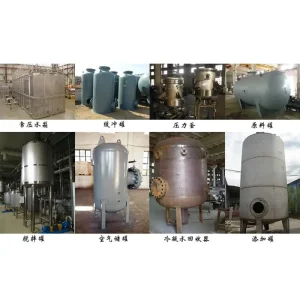
Petrochemical testing facilities require explosion-proof experimental setups. We design and deliver custom non-standard pressure vessel systems alongside specialized bench instrumentation panels. These integrated configurations ensure that high-pressure feed tubes, recovery loops, and gas purification manifolds are securely routed, minimizing leak risks and protecting lab technicians.
To support urban health departments and regional clinic centers, we design centralized steam treatment plants that process tonnes of waste daily. Operating at high pressure with dynamic vacuum preconditioning, these systems ensure thorough steam penetration into all waste matrices, converting hazardous medical refuse into inert, non-infectious municipal waste.
Utilizing patented mixed refrigerant cycles (MRC) developed under Dr. Sun Zhaohu and Dr. Cheng Kuwei, we supply mobile, skid-mounted LNG liquefaction systems. These plants capture stranded shale gas, oil field associated gas, and methane from coalbed operations. They reduce carbon emissions and allow operations to extract valuable trace elements like helium from gas (BOG) streams.
Our long-term development targets focus on automation, smart diagnostic systems, and sustainable laboratory equipment design.
Integrating real-time digital monitoring sensors into experimental benches and pressure vessels. Operators can track chemical spill variables, internal autoclave pressures, and exhaust flow rates through centralized supervisory control dashboards.
Advancing our industrial refrigeration lines (-40°C to -180°C) with natural refrigerants and ultra-low Global Warming Potential (GWP) non-azeotropic mixtures to comply with the Kigali Amendment.
Refining our biological tissue hydrolysis processes to run on high-efficiency recovery loops. This phase converts animal waste into useful bio-fertilizers without releasing volatile organic compounds (VOCs) or carbon emissions into the atmosphere.
Shipping pressure vessels and hazardous processing equipment internationally demands rigorous compliance with regional safety codes. Hebei Hongke Qingneng guarantees full design verification under major international frameworks:
We offer site engineering, structural installation verification, commissioning support, and maintenance partnerships to guarantee seamless performance over the lifetime of your equipment.
Proof of performance across custom bio-containment, medical waste management, and gas processing operations.
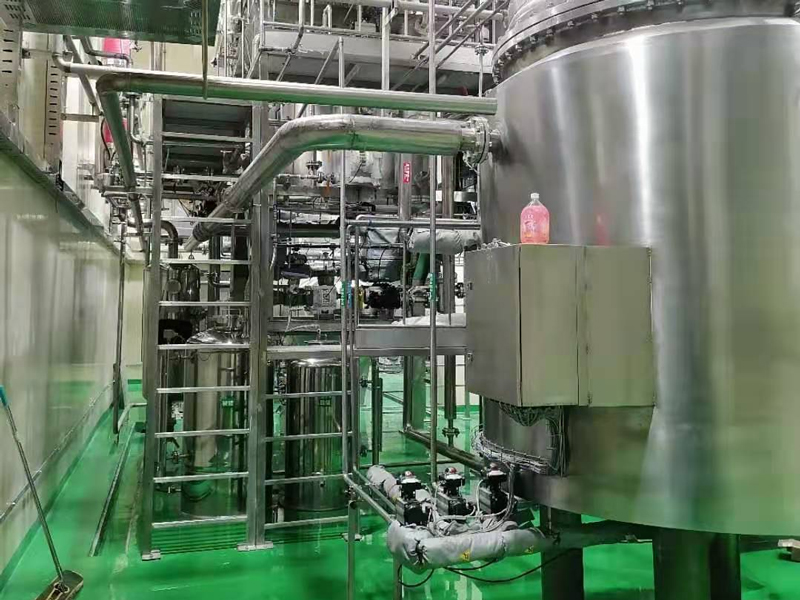
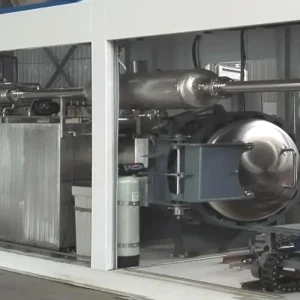
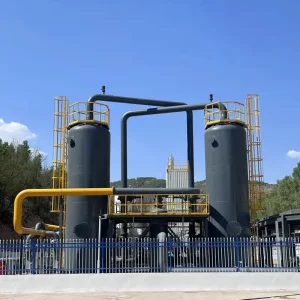
High-pressure thermal sterilization loop engineered for biological research facilities.
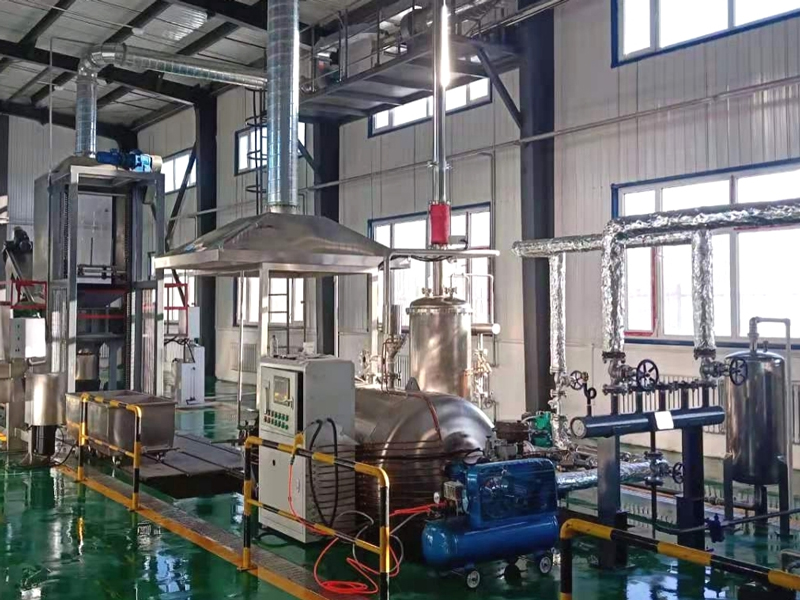
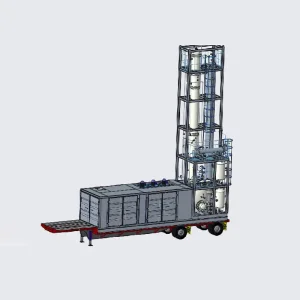
Autoclave systems mounted in rugged, towable trailers for fast field deployment.
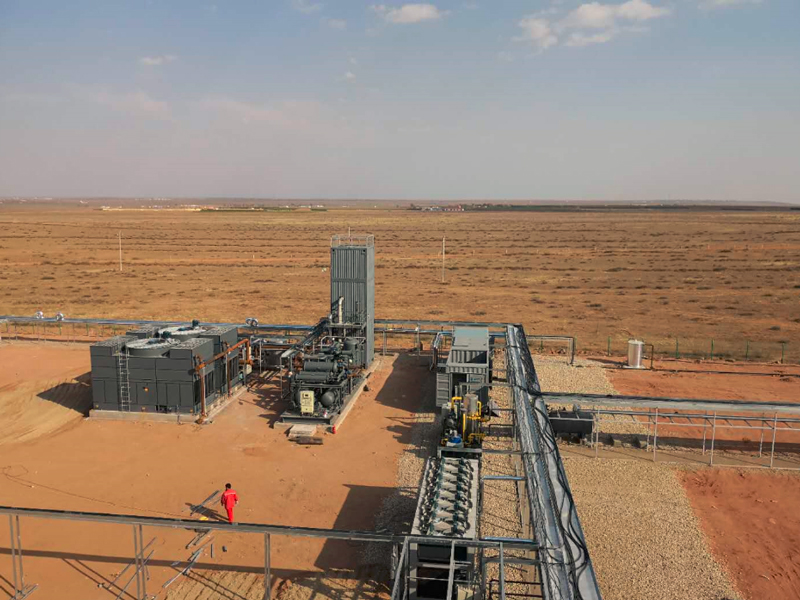
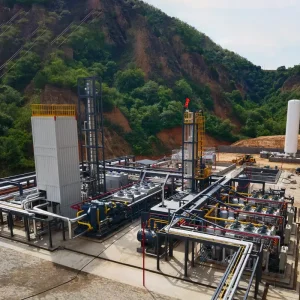
Skid-mounted gas capture installation recovering flared hydrocarbons from isolated fields.
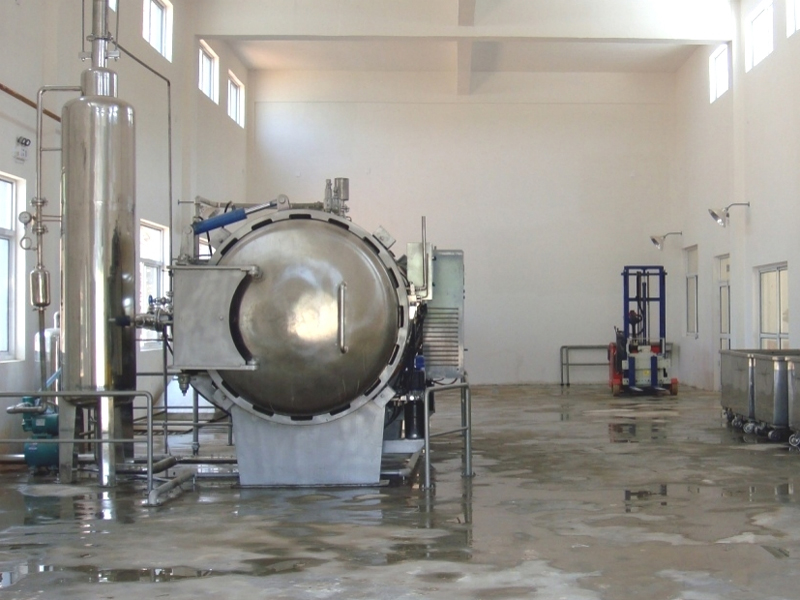
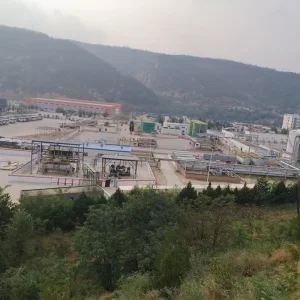
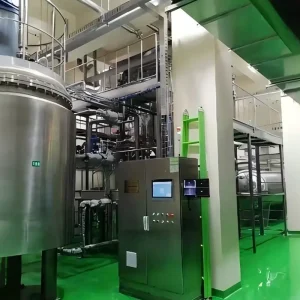
Large-scale sterilization facility configured to process municipal bio-waste streams.
In-depth insights covering compliance standards, design limitations, and integration parameters for industrial buyers.
Non-standard pressure vessels are custom containers designed for specific process temperatures, pressures, and chemical compositions. Unlike stock equipment, we custom-engineer shell thickness, flange types, and internal mixers. Our manufacturing facility holds the national A2 Class Pressure Vessel Manufacturing License (high-pressure limit) and maintains quality compliance under GB/T19001-2016 standards.
Our mobile units utilize high-temperature autoclaving technology combined with vacuum pre-conditioning cycles. The system draws air from the chamber through biological filters before introducing saturated steam. Once sterilized at 134°C under high pressure, pathogens are eliminated, ensuring all liquid and solid outflows are completely sterile before disposal.
Supervised by thermal researchers from the Chinese Academy of Sciences (CAS), our gas systems leverage customized mixed refrigerant cycles (MRC). By blending non-azeotropic hydrocarbons in optimized proportions, our systems match the natural heating curves during heat exchange. This reduces compressor power consumption by up to 15-20% compared to traditional single-component refrigerant processes.
Yes. For applications handling corrosive fumes, we build our exhaust systems using high-grade structural alloys, Hastelloy, or thick fluoropolymer (PTFE/FEP) liners. We also configure multi-stage chemical scrubbers to neutralize acidic components before the gas stream enters the organic adsorption phase, preventing equipment corrosion and extending the life of carbon beds.
We analyze the customer's biosafety levels (BSL-2 to BSL-4) and mechanical demands. We then customize the bench layout using seamless SS316L structures, integrated drop-lips, and direct connections to autoclaves, hydrolysis units, or localized exhaust scrubbers. This custom approach ensures zero fluid traps and prevents pathogen buildup in workspaces.
We provide remote engineering support, pre-shipment inspections, detailed piping and instrumentation diagrams (P&IDs), and complete digital twin models. For large-scale centralized systems or gas liquefaction skids, we dispatch engineering specialists to guide site preparation, installation, and commissioning, ensuring smooth integration with local utility lines.
Inside ourLangfang manufacturing facility: Heavy structural welding, robotic QA, and precise pressure vessel fabrication.
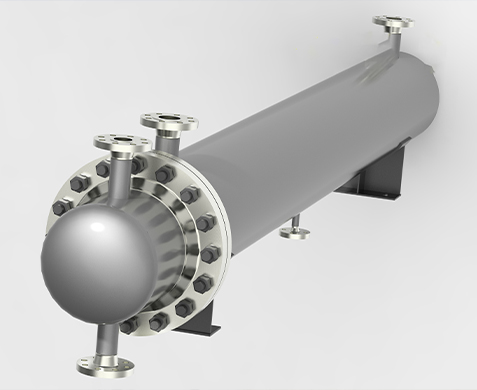
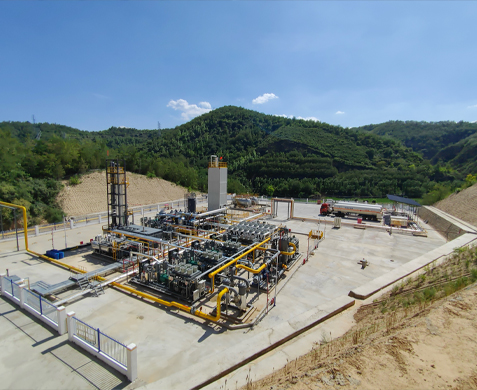
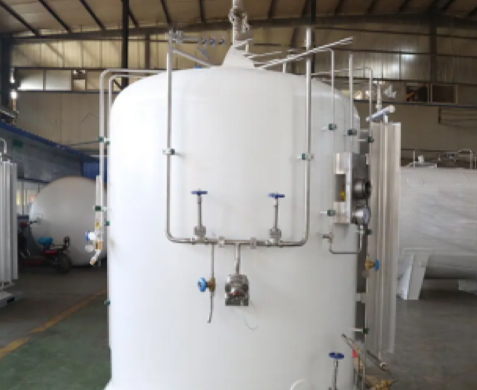
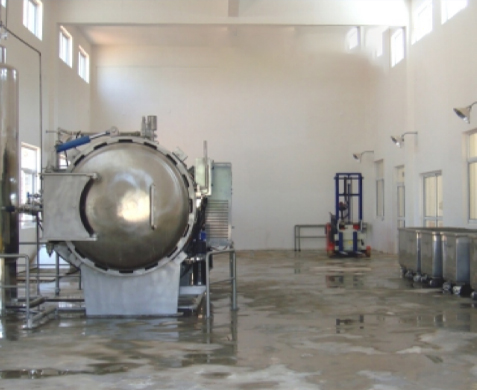
Discover our specialized medical waste, custom non-standard vessel systems, and volatile organic compound (VOC) treatment systems engineered to meet international safety and environmental benchmarks.
Partner with Hebei Hongke Qingneng for your next industrial lab configuration, custom A2 pressure vessel project, mobile waste sterilization system, or skid-mounted LNG process skid. Talk directly with our academic team to review technical requirements.
CONTACT OUR ENGINEERING OFFICE Hongke Qingneng