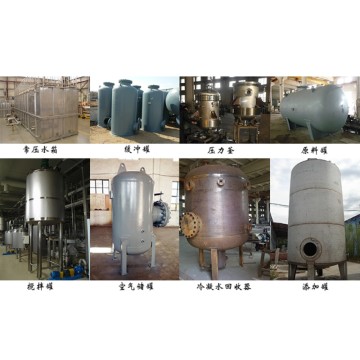
Explore our leading catalog of high-pressure purification, medical waste steam processing, and gas recovery technologies built to code.
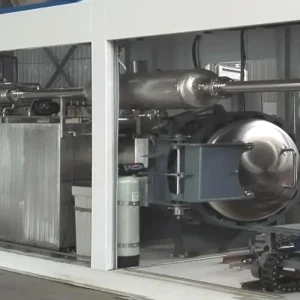
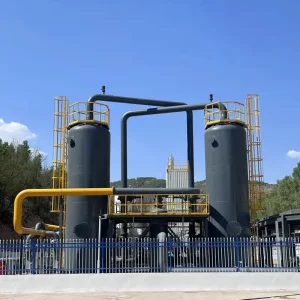
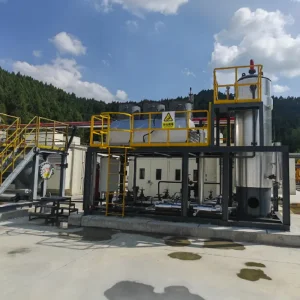
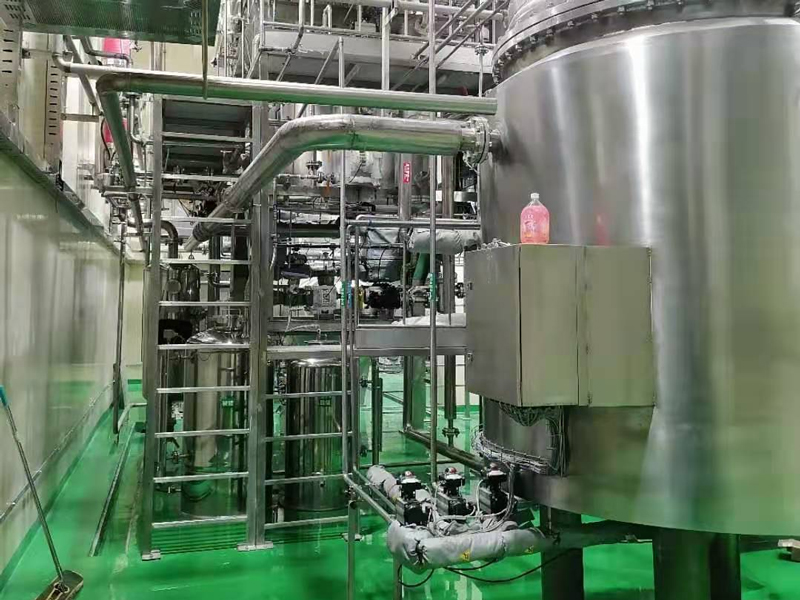
In modern heavy industry, energy efficiency, waste heat recovery, and strict environmental compliance dictate capital expenditure decisions. At the heart of thermal management, the Flash Steam Vessel operates as a vital node in thermodynamics. This specialized pressure vessel exploits isenthalpic expansion, flashing high-pressure condensate to recover high-energy low-pressure steam while separating the liquid fraction.
Historically, excessive thermal emissions and tail gas streams were routinely vented or flared. Modern industrial facilities, however, rely on precise vapor-liquid equilibrium (VLE) models to maximize thermodynamic yields. Efficient flash steam generation lowers boiler fuel consumption, protects downstream processing units, and actively mitigates carbon footprints in refineries, bio-pharmaceutical hubs, chemical processing plants, and LNG infrastructure.
With the tightening of global carbon emission standards (such as EU ETS and national net-zero pledges), the demands placed on flash steam vessels have shifted from simple liquid/vapor segregation to high-precision engineering. Heavy industrial plants require equipment characterized by extreme durability, compliance with international design codes (ASME Section VIII, GB/T 150), and integration into smart, skid-mounted automation architectures.
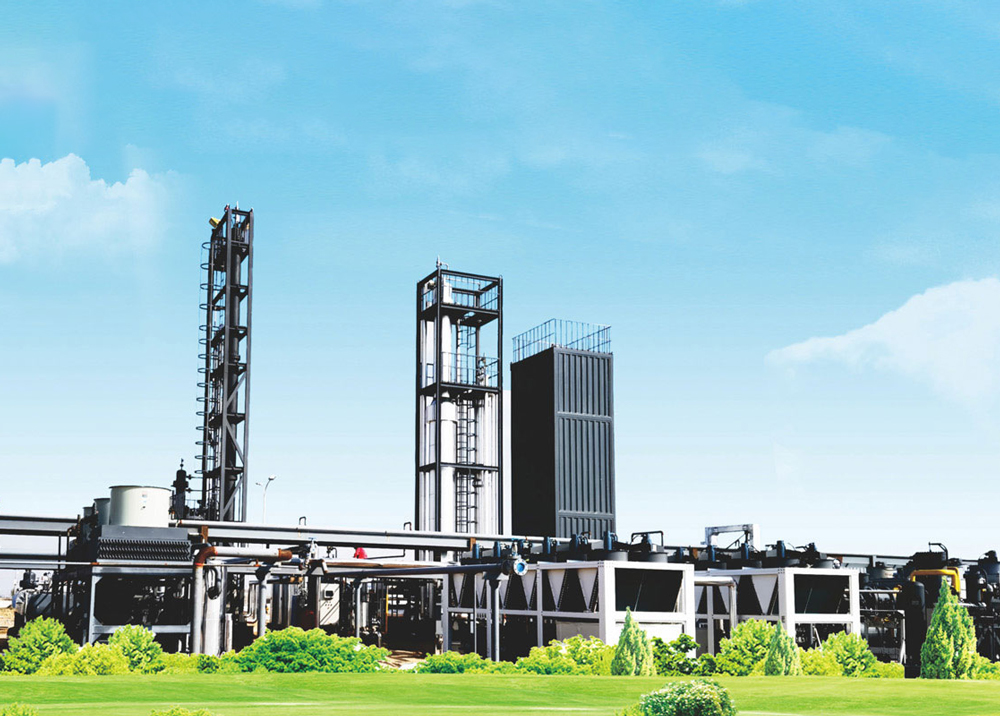
How Hebei Hongke Qingneng combines top-tier academic science with state-of-the-art manufacturing standards.
Established in June 2021 with a registered capital of 78 million yuan, Hebei Hongke Qingneng Environmental Protection Equipment Co., Ltd. has rapidly grown into a prominent manufacturer in the energy conservation and environmental protection sector. Located within the Sanhe Economic Development Zone, Langfang City, our production footprint specializes in designing, engineering, and manufacturing A2-grade pressure vessels, medical waste treatment systems, biological wastewater management tools, and modular gas recovery skids.
Unlike traditional fabricators, Hongke Qingneng is built on a foundation of scientific inquiry. Collaborating closely with research departments at Tsinghua University and the Institute of Physics and Chemistry Technology, Chinese Academy of Sciences (CAS), our technological developments translate direct cryogenic research into field-ready applications.
Our core mission revolves around "innovation-driven development and service-leading upgrading." This methodology enables us to provide one-stop, turnkey solutions for industrial players worldwide, engineering customized units that resolve complex thermodynamic and environmental challenges.
A powerhouse engineering leadership combining academic rigor with hands-on industrial execution.
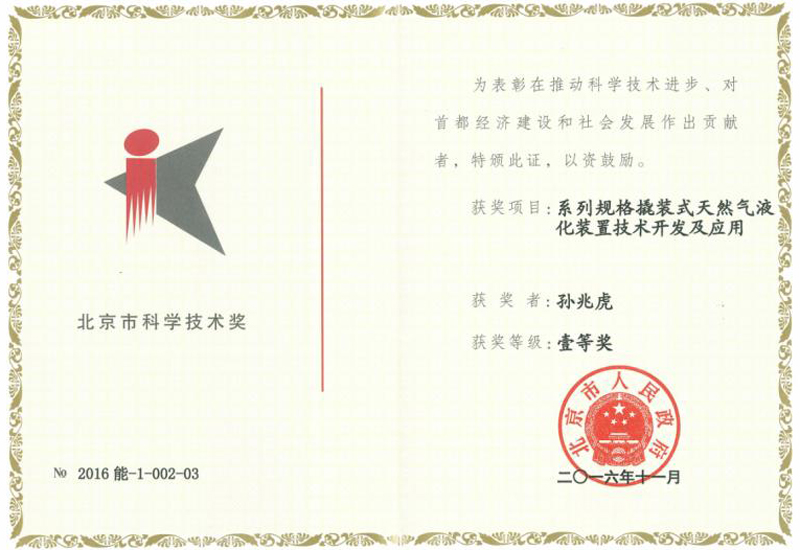
Holding a Ph.D. from the Institute of Physics and Chemistry Technology, CAS, Dr. Sun has spearheaded major national initiatives, including the National 863 Program and space-military research initiatives. Recipient of the Beijing Science and Technology First Prize (2016) and the Chinese Society of Refrigeration Technological Invention Special Prize (2015). Over his distinguished career, he has successfully developed over 20 proprietary patents, implementing more than 50 modular gas liquefaction units.
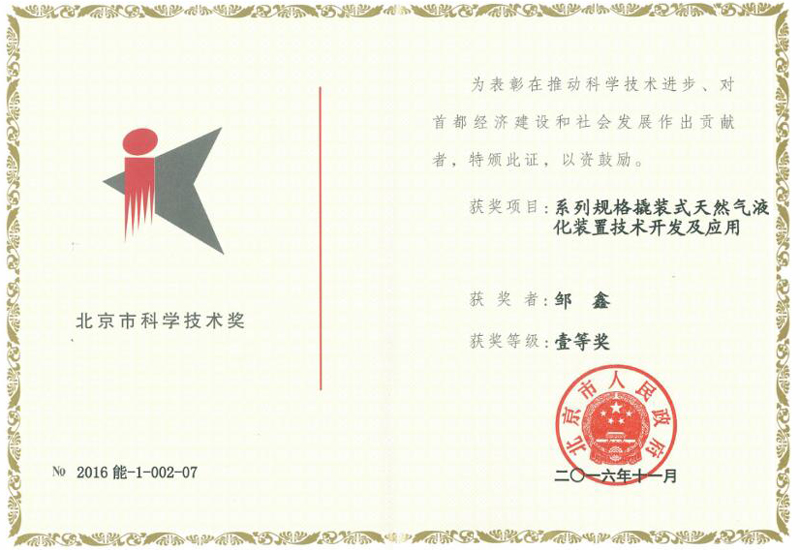
A Ph.D. candidate at the Institute of Physics and Chemistry Technology, CAS, Zou Xin oversees commercial scale-up and execution. Having published 24 domestic and international papers (with 11 indexed in SCI/EI), he has patented 5 major inventions. His research achievements include the Beijing Science and Technology Award First Prize and the Silver Medal at the 19th China International Industry Expo.
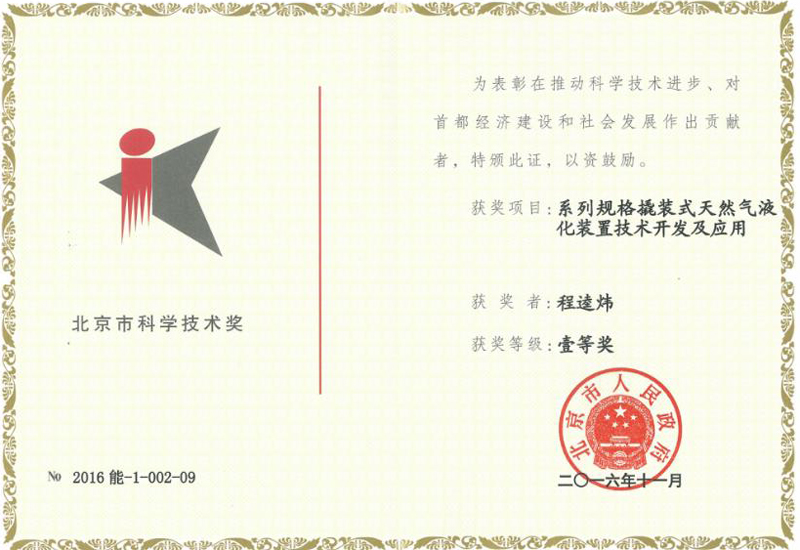
Dr. Cheng completed his doctoral training at the Institute of Physics and Chemistry Technology, CAS. He specializes in mixed working medium phase change heat transfer and flow characteristics. An expert in skid-mounted natural gas liquefaction systems, his industrial theories have been applied to multi-scale liquefaction plants across China, earning him prestigious refrigeration and thermodynamic engineering awards.
Technical evolution mapping our past successes and the future trajectory of green industrial solutions.
Our engineers utilize advanced fluid simulation models. By predicting the exact vapor quality of high-temperature condensates upon drop in pressure, we minimize vessel footprint while preventing fluid carryover and water hammer.
Standard vessels experience liquid droplets escaping with the steam. Our units feature custom-built mesh and vane demisters that achieve vapor purity levels exceeding 99.8%, protecting downstream compressors and heat exchangers from thermal shocks and corrosion.
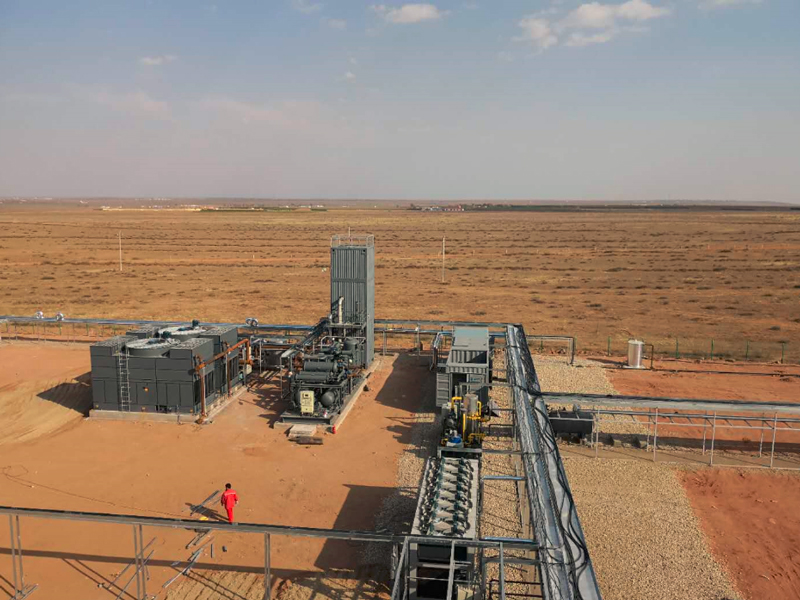
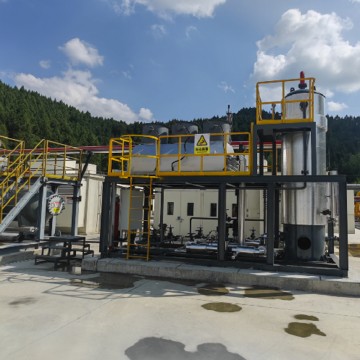
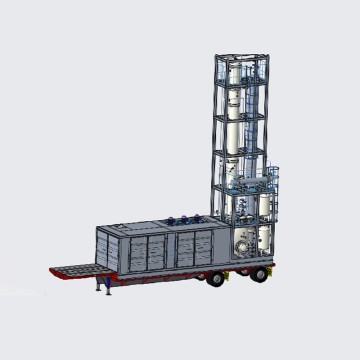
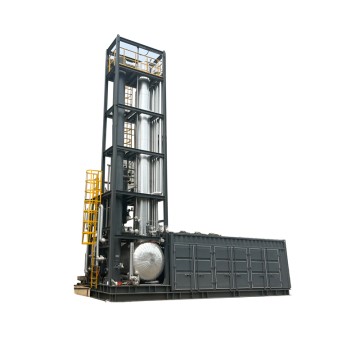
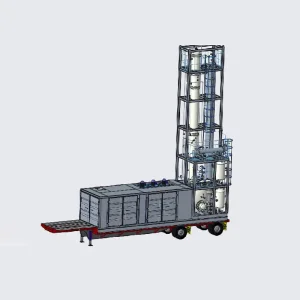
Translating theoretical chemistry to physical skid platforms. Integrating deacidification, dehydration, and heavy hydrocarbon removal equipment onto singular transportable platforms speeds up installation times by 70% in shale gas, coal bed methane (CBM), and remote natural gas fields.
Embedding high-precision thermal sensors and automatic pneumatic control valves. This allows real-time pressure fluctuation adjustments, allowing the flash vessel to autonomously adapt to upstream load changes in biopharmaceutical or waste processing cycles.
Registered Capital (RMB)
Proprietary R&D Patents
Skid Liquefaction Plants Built
Industrial Cryogenic Capability
How Hongke Qingneng integrates custom design across diverse macro-economic sectors.
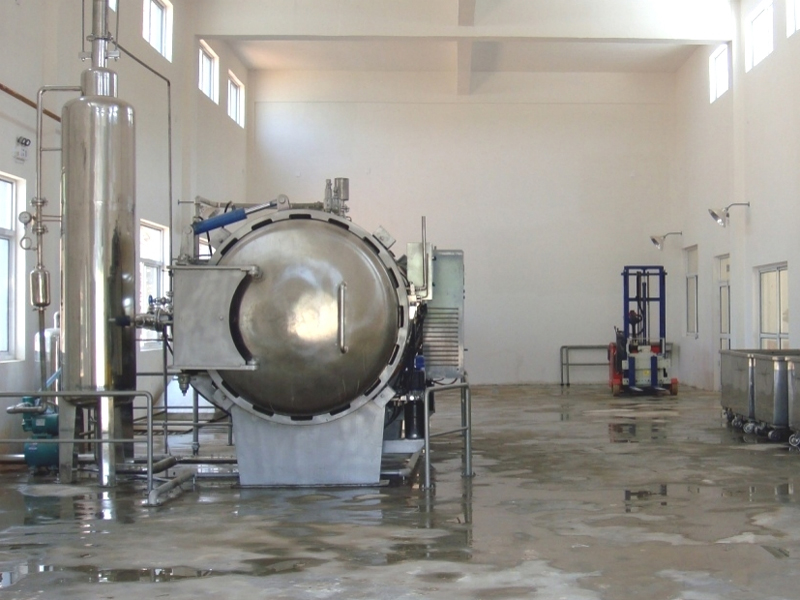
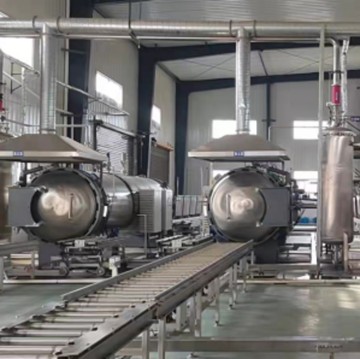
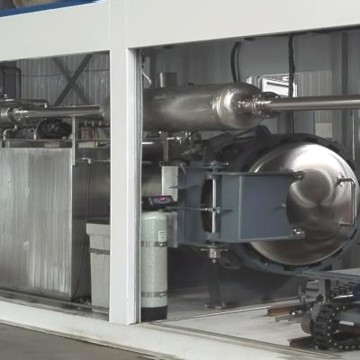
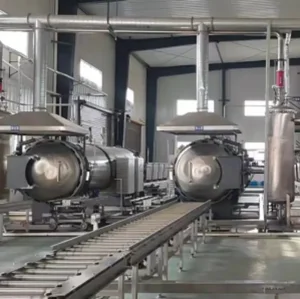
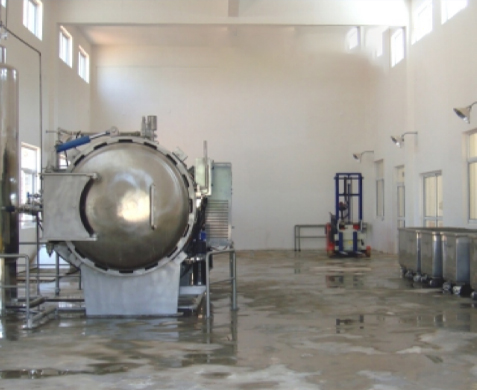
Centralized and mobile medical waste high-temperature steam treatment units. We construct autoclave steam processing equipment capable of handling highly hazardous bio-waste, ensuring complete sterilization in compliance with strict sanitary protocols.
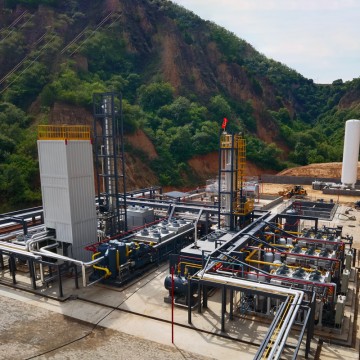
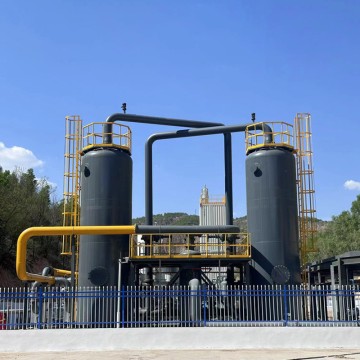
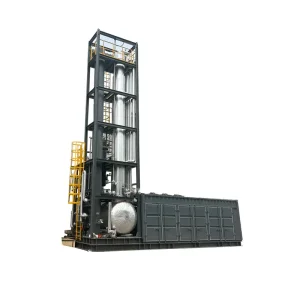
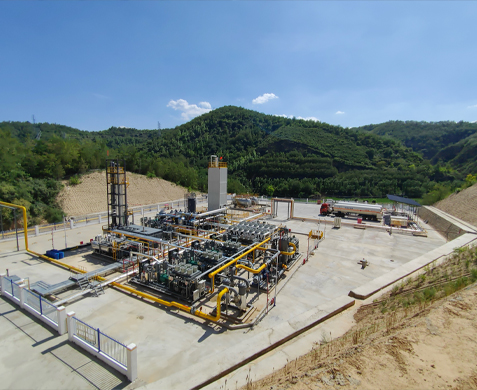
Skid-mounted gas processing solutions targeting acid gas removal, dewatering, and nitrogen removal. These systems enable cleaner extraction of shale gas, natural gas, and associated gas with high energy density recovery rates.
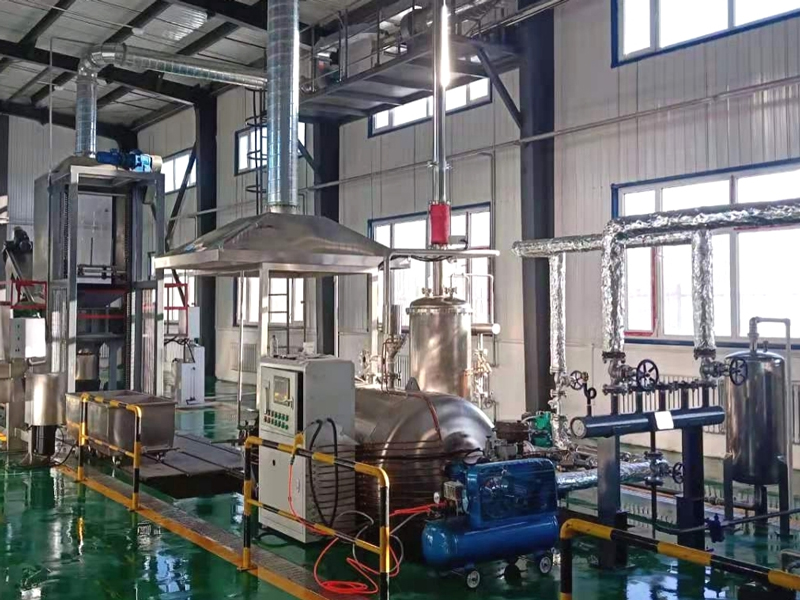
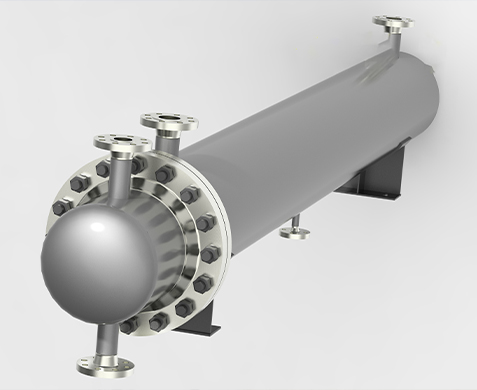
Designed and built in accordance with A2 quality certifications. We custom manufacture shell and tube heat exchangers, hot air stoves, chemical reaction separators, and experimental process benches for universities and military applications.
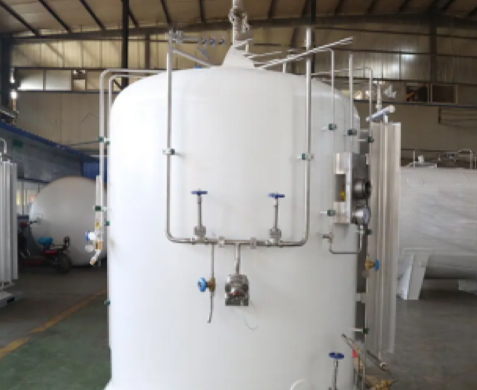
High-capacity refrigeration systems operating in the -40℃ to -180℃ range, custom freeze-dryers (-70℃ to -100℃), and vacuum cold traps (-135℃). These are designed for petrochemical fraction separation, biological sample storage, and volatile organic compound (VOC) treatment.
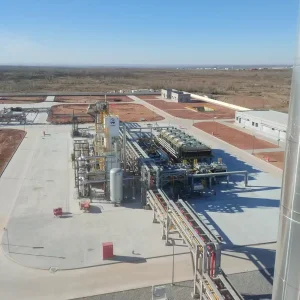
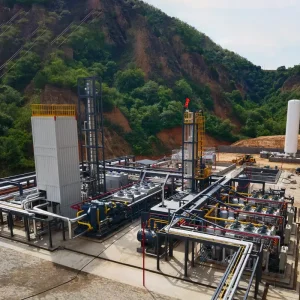
Direct applications of our patented systems across diverse industrial testbeds.
Expert clarifications regarding sizing calculations, mechanical safety codes, and optimization processes.
Vessel sizing relies heavily on calculating the allowable vapor velocity to avoid liquid droplet entrainment, commonly estimated using the Souders-Brown equation: V = K * sqrt((dL - dV) / dV), where 'K' is the design factor determined by the demister pad configuration, and 'dL' and 'dV' represent liquid and vapor density respectively. This establishes the cross-sectional area required to guarantee clean separation.
We adhere primarily to GB/T 150 (China's National Standard for Pressure Vessels) under our A2 license, and can coordinate with ASME Section VIII Division 1 & 2 protocols. Fabrication processes include 100% non-destructive testing (radiographic and ultrasonic) to ensure weld-joint efficiency factors conform strictly to hazardous environment standards.
By integrating the purification (deacidification and dehydration) and cryogenic liquefaction components on a single structurally reinforced steel skid, we eliminate field pipe fitting, reduce pressure drops along process lines, and ensure optimized thermal insulation. This minimizes heat leaks in cryogenic processes, achieving high refrigeration efficiencies.
High-temperature steam treatment (operating at 134°C to 138°C under continuous pressure) achieves complete sterilization of medical pathogens without emitting toxic combustion byproducts like dioxins or heavy metals into the atmosphere. This method is cleaner, more energy-efficient, and has lower capital and operating costs.
Explore our highly integrated liquefaction plants, skid-mounted LNG designs, and thermal hydrolysis systems.
 Hongke Qingneng