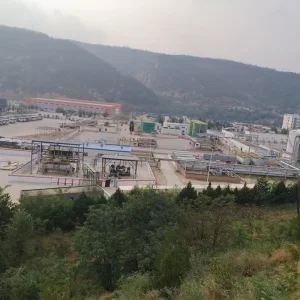
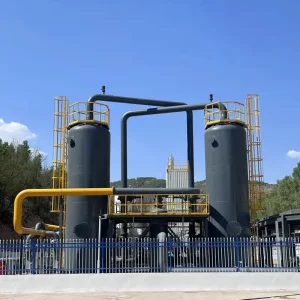
Explore our engineering portfolio, featuring high-efficiency skid-mounted solutions, medical waste systems, and advanced pressure vessels.
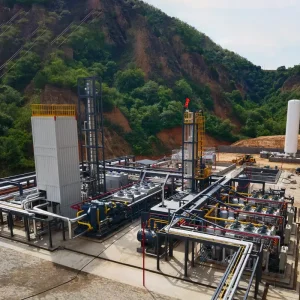
Liquefied Natural Gas (LNG) processing requires extreme thermodynamic precision. As key processing units, LNG heat exchangers facilitate the critical temperature drops required to condense natural gas into its liquid state at approximately -162°C (-260°F). Operating under cryogenic conditions necessitates structural integrity that prevents micro-cracks, thermal stress fractures, and efficiency losses.
At Hebei Hongke Qingneng Environmental Protection Equipment Co., Ltd., we combine computational fluid dynamics (CFD) with advanced metallurgy to build high-performance heat exchangers, vaporizers, and purification skids. Our process optimizations target phase transition zones to maximize thermal efficiency and minimize energy inputs across gas liquefaction cycles.
Driven by industry-leading academic research and premium manufacturing licenses.
Ph.D. from the Institute of Physics and Chemistry Technology, Chinese Academy of Sciences (CAS). National Senior Engineer with extensive experience leading major projects like the National 863 Program and Aerospace projects. Awarded the Special Prize of Technological Invention by the Chinese Society of Refrigeration.
Ph.D. Candidate & Senior Engineer at the Institute of Physics and Chemistry Technology (CAS). Has managed corporate operations for years, publishing 24 domestic and international academic papers (including 11 SCI/EI indexed papers). Holder of 5 national invention patents.
Doctor of Engineering from CAS. Recognized for breakthrough work on the phase change heat transfer characteristics and flow dynamics of mixed working media. Head designer of multiple large-scale industrial natural gas liquefaction plants.
Why international EPC projects choose Chinese fabrication facilities for cryogenic heat transfer assemblies.
Chinese production hubs feature local access to specialized metallurgies like cryogenic-grade stainless steels (such as 304L, 316L, and 9% Ni steels). This local ecosystem shortens material sourcing cycles and lowers transportation costs for oversized skid equipment.
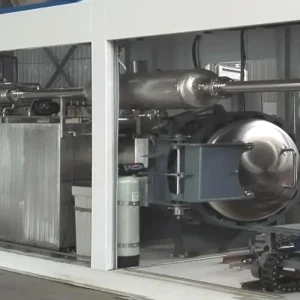
Our facility utilizes robotic longitudinal and circumferential seam welding, automated plasma arc cutting, and high-vacuum baking ovens. Advanced welding guarantees defect-free weld beads under high structural pressures, mitigating dangerous gas leakages.
We comply with international and domestic design standards, including the GB150 pressure vessel codes, the ASME Boiler and Pressure Vessel Code (Section VIII), and standard Sinopec HSSE management guidelines. This cross-compliance ensures project designs transition smoothly across markets.
Comprehensive environmental and energy solutions customized for municipal, industrial, and petrochemical facilities.
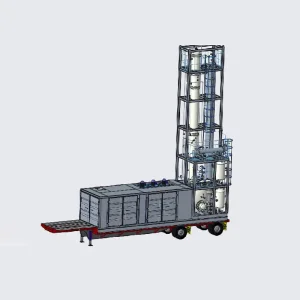
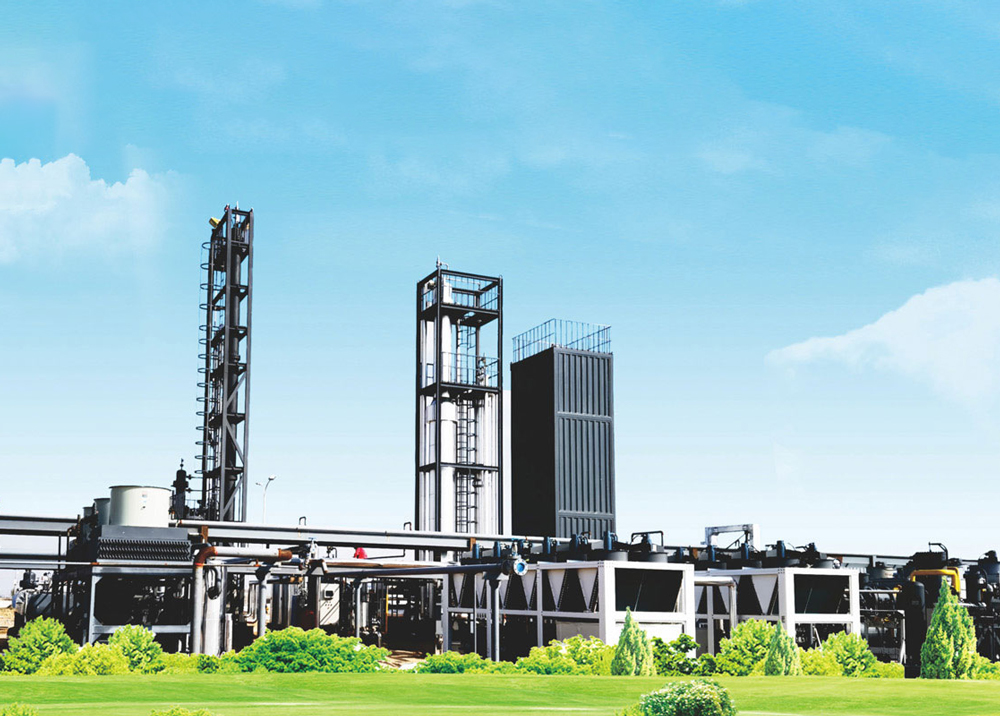
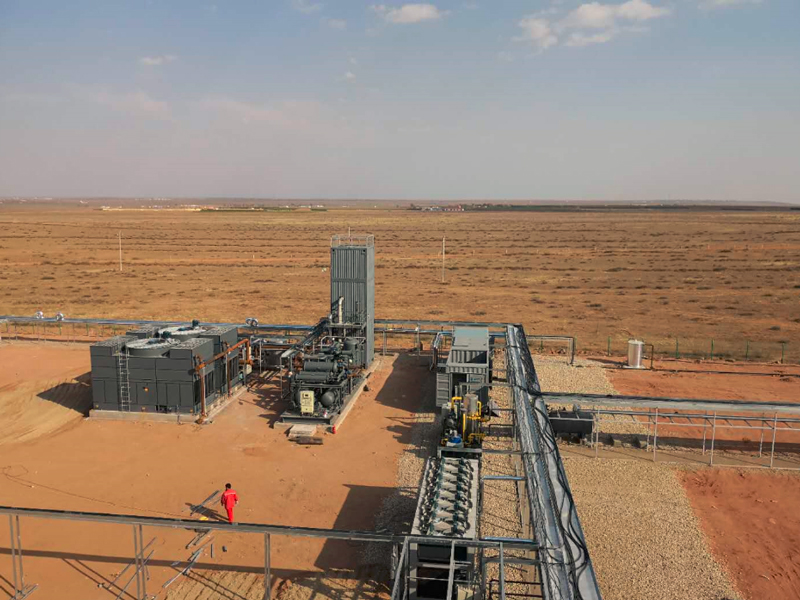
Operating in remote or marginal oil and gas fields requires flexible, self-contained processing systems. Our skid-mounted LNG liquefaction units incorporate feed gas pretreatment (deacidification, dehydration, heavy hydrocarbon removal) and liquefaction cooling into single, transportable frames.
These modular configurations reduce installation timelines on-site by up to 60%, allowing operators to capture flared wellhead gas and convert it into high-value LNG.
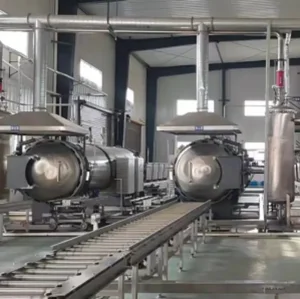
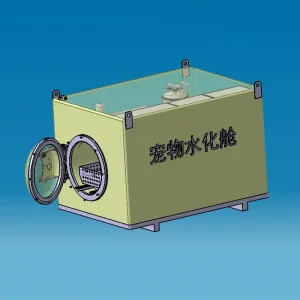
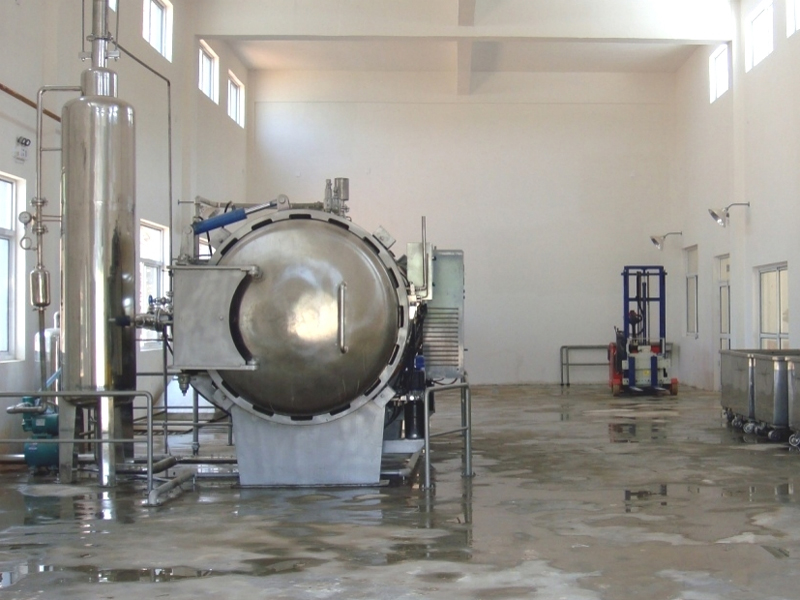
Contaminated medical waste requires reliable sterilization. Our high-temperature steam medical waste treatment systems deliver consistent sterilization performance through automated pressure-vacuum pulsing cycles.
These centralized and mobile steam installations utilize high-strength pressure vessel construction to operate continuously under strict bio-safety and emissions guidelines.
Ensure your equipment aligns with international standards during technical reviews and manufacturing audits.
Verify that the fabricator employs certified welders (according to ASME Section IX or ISO 9606) and executes Non-Destructive Testing (NDT) including Radiographic Testing (RT), Ultrasonic Testing (UT), and Helium Leak Mass Spectrometer Testing for high-vacuum insulation jackets.
Request mill test reports (MTRs) to confirm cryogenic toughness. Ensure Charpy V-notch impact tests are conducted at design temperatures down to -196°C to verify that the base metals and weld joints remain ductile under operation.
Review the factory's quality management framework. Confirm current ISO 9001:2015, ISO 14001, and OHSAS 18001/ISO 45001 safety credentials, alongside specific regional pressure vessel licenses (e.g., A2 for China, ASME U/U2 stamps for the US, PED for Europe).
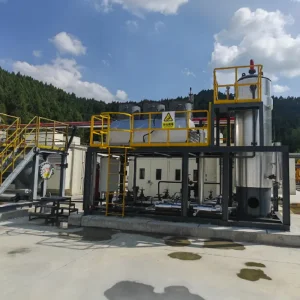
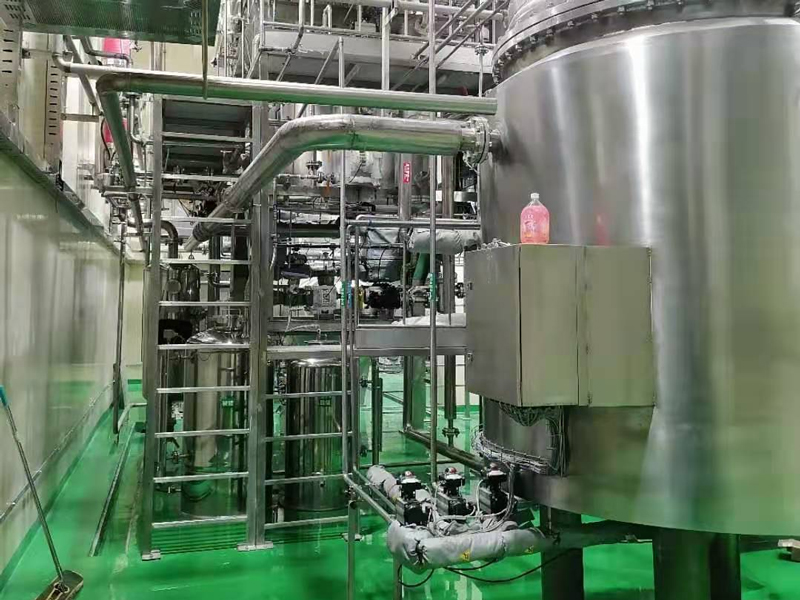
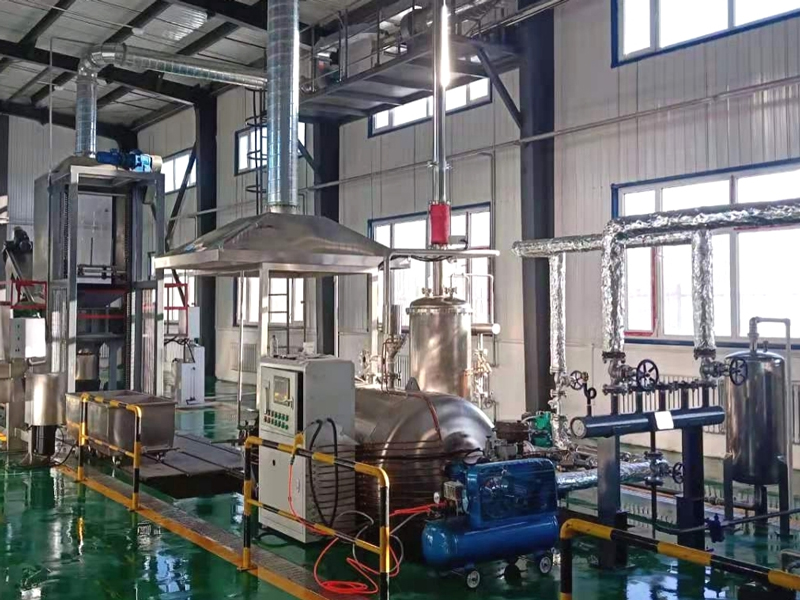
Explore some of our real-world projects operating across municipal energy and bio-safety treatment systems.
Get answers to common design, engineering, and manufacturing questions about LNG processing equipment.
Whether you are designing a centralized municipal waste system or an offshore LNG liquefaction facility, our technical team is ready to assist you with calculations, thermal design evaluations, and compliance requirements.
Contact Technical SupportComplete lines of vehicle-mounted gas purification plants, non-standard pressure vessels, and bio-waste treatment systems.
 Hongke Qingneng