Explore our premium range of industrial pressure vessels, skid-mounted gas treatment systems, and high-performance liquefaction solutions engineered for maximum lifecycle return.
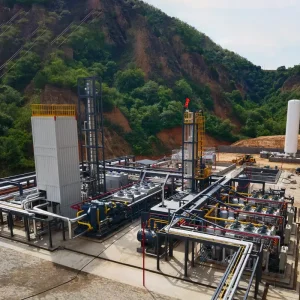
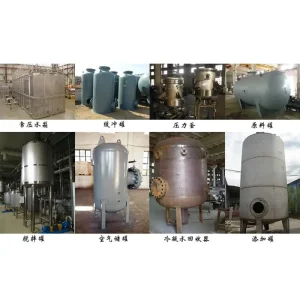
As the global energy transition accelerates, liquefied natural gas (LNG) stands as the primary bridging fuel, driving the displacement of high-carbon coal and diesel. Safely storing, transporting, and process-managing this cryogenic fluid at -162°C (-260°F) requires unprecedented thermodynamic reliability and mechanical integrity.
At Hebei Hongke Qingneng Environmental Protection Equipment Co., Ltd., we design and manufacture next-generation A2-level pressure vessels and skid-mounted cryogenic liquefaction units. Our systems act as critical nodes across the global natural gas supply chain, facilitating gas recovery, helium extraction, and heavy hydrocarbon purification. By scaling advanced thermodynamic principles from laboratory science into rugged field applications, we assist global industrial operators in meeting strict carbon reduction standards while mitigating resource waste.
From recovery of stranded shale gas to small-scale localized peak shaving, our bespoke pressure vessels and heat exchangers are constructed to withstand cyclic thermal stress, preventing Boil-Off Gas (BOG) accumulation and minimizing fugitive methane emissions.
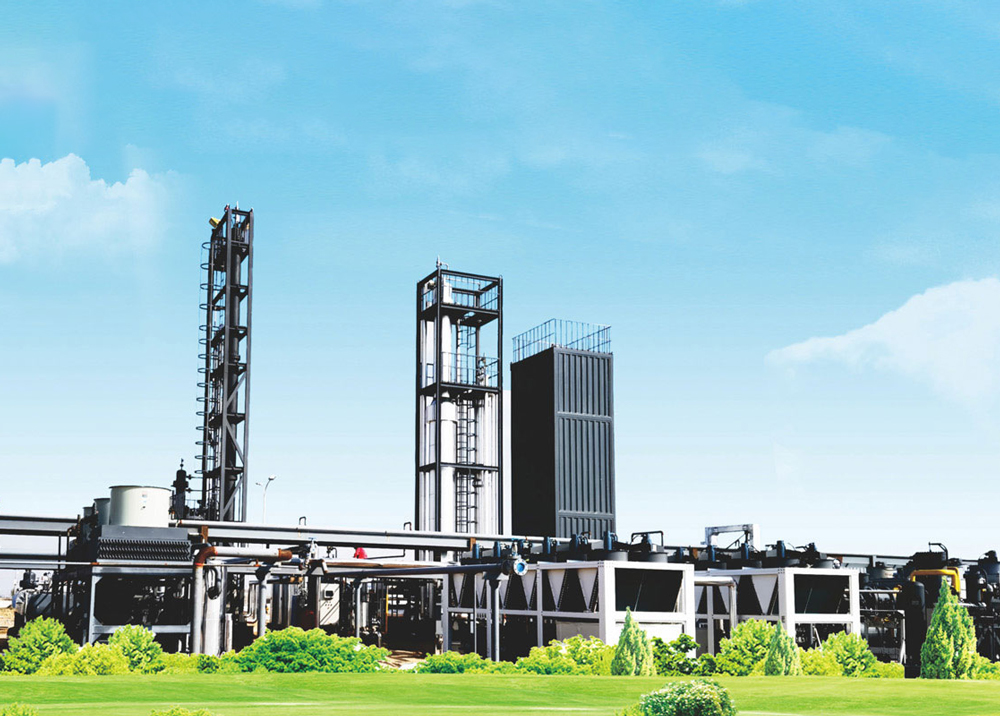
Our operational capabilities are underpinned by strict international certifications, elite academic design collaborations, and a strong sense of environmental stewardship.
Our design team comprises elite technical experts originating from Tsinghua University and the Institute of Physics and Chemistry Technology, Chinese Academy of Sciences (CAS). By combining cryo-refrigeration research with robust structural engineering, we hold multiple independent intellectual property patents, maintaining high efficiency in mixed refrigerant cycle (MRC) processing.
We hold the highly coveted A2-level Pressure Vessel Manufacturing License and the Pressure Pipeline Component Manufacturing License. Fully certified under GB/T19001-2016 (ISO 9001), Sinopec HSSE, and China Petroleum Health, Safety and Environment Management Systems, our facilities guarantee uncompromising QA/QC protocols.
We are dedicated to localized environmental remediation. Our commercial systems enable flare gas utilization, centralized hazardous medical waste sterilization, and BOG helium recovery. We actively contribute to reducing industrial carbon intensity and preventing atmospheric ozone and particulate pollution globally.
Our products are designed and vetted by recognized doctors and researchers of thermodynamic engineering, bridging the gap between theoretical physics and high-pressure industrial equipment.
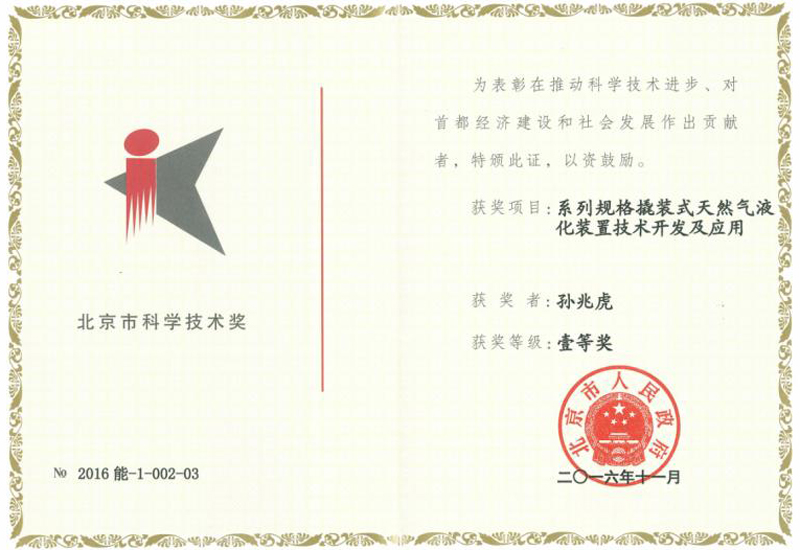
Dr. Sun obtained his doctorate from the Institute of Physics and Chemistry Technology, Chinese Academy of Sciences (CAS). A national senior engineer, he has presided over the National 863 Program, natural science foundation projects, and aerospace engineering systems. His contributions have received the First Prize of Science and Technology of China Coal Industry and the Special Prize of Technological Invention of the Chinese Society of Refrigeration.
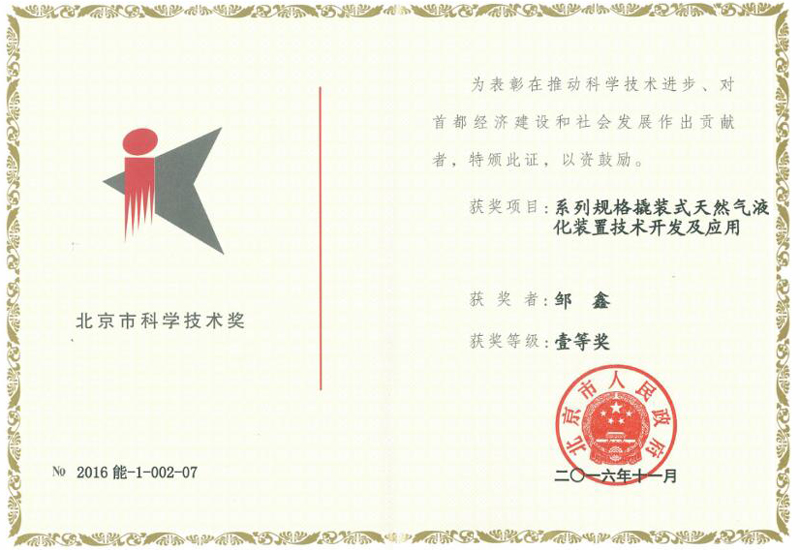
Zou Xin is a PhD candidate and senior engineer from the Institute of Physics and Chemistry Technology, CAS. He has managed over 50 large-scale skid-mounted installations, published 24 domestic and international academic papers (including 11 SCI/EI indexed papers), and authored multiple invention patents. He holds the Beijing Science & Technology Award (1st Class).
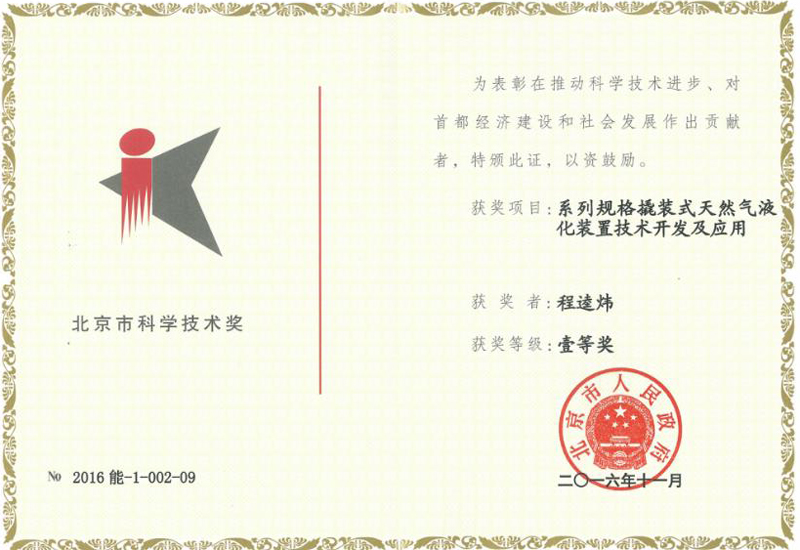
Dr. Cheng holds a Doctor of Engineering from the Institute of Physics and Chemistry Technology, CAS. Specialized in phase change heat transfer characteristics and flow dynamics of mixed working mediums, he pioneered the specs for skid-mounted natural gas liquefaction. He leads basic-to-applied technology bridges for all custom petrochemical pressure vessels.
Our manufacturing and engineering footprint spans four distinct divisions, ensuring highly specialized oversight for every project type.

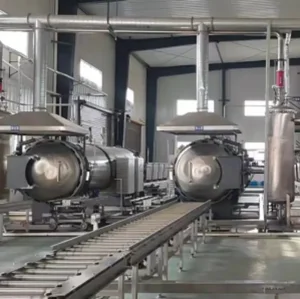
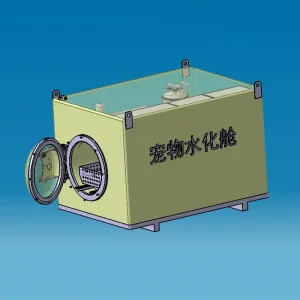
Centralized and mobile medical waste high-temperature steam treatment equipment, biological wastewater decontamination units, and lab animal residue harmless hydrolysis processing systems.

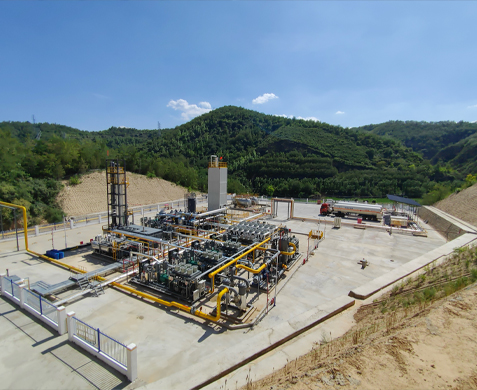
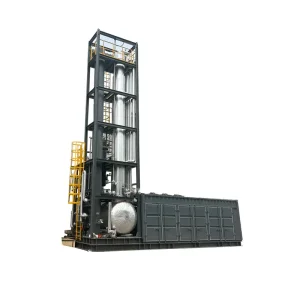
Skid-mounted liquefaction equipment for natural gas and shale gas, deacidification, dehydration, and heavy hydrocarbon purification, plus natural gas plant exhaust gas recovery systems.

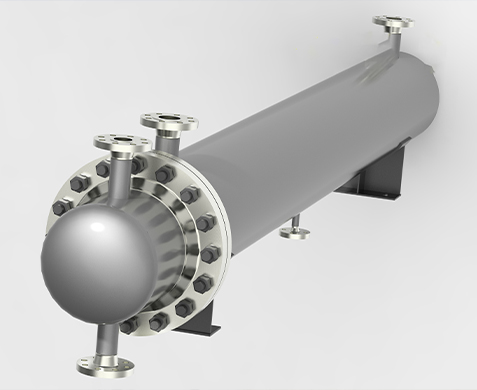
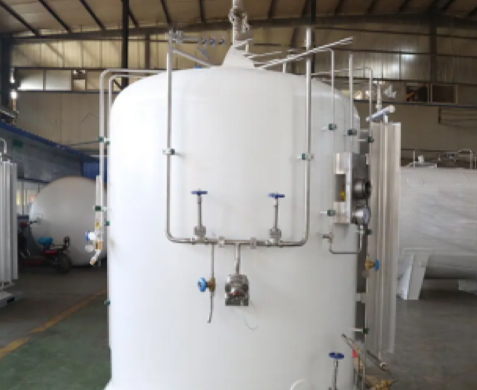
Design and manufacturing of bespoke A2-level pressure vessels, complex shell and tube heat exchangers, high-capacity hot air stoves, and custom experimental research test benches.

Broad spectrum industrial refrigeration machinery operating from -40℃ down to -180℃, deep freeze dryers (-70℃ to -100℃), and high-efficiency vacuum cold traps down to -135℃.
All non-standard pressure vessels are modeled utilizing advanced FEA (Finite Element Analysis) stress simulation and designed in strict alignment with regional design codes.
| Application Standard | Primary Material Selection | Design Temp Range | Working Pressure Capacity | NDT Inspection Scope |
|---|---|---|---|---|
| ASME Sec VIII Div 1 & 2 (Americas) | SA-516 Gr. 70, SA-240 Type 304/316L, 9% Nickel Steel | -196°C to +350°C | Up to 35.0 MPa | 100% RT / UT + MT / PT for weld lines |
| GB 150.1~.4 (China National Standard) | Q345R, Q345R(R-HIC), 06Cr19Ni10, 15CrMoR | -196°C to +450°C | Up to 40.0 MPa | TOFD + Phased Array Ultrasonic testing option |
| PED 2014/68/EU / EN 13445 (Europe) | P265GH, P355NL2, 1.4301, 1.4404 Stainless Steel | -200°C to +300°C | Up to 32.0 MPa | Visual inspection, helium leak rate checking |
To prevent freeze-outs in low-temperature exchangers, CO₂ must be reduced below 50 ppm, and H₂O below 1 ppm. Our purification systems use physical solvent absorption coupled with molecular sieve TSA beds.
Benzene and C5+ elements solidify easily under cryogenic states. Our integrated rectifying separation columns isolate and draw down heavy components, yielding a clean methane stream ready for sub-cool liquefaction.
Utilizing cryogenic distillation and membrane technologies, we extract high-purity Helium from Boil-Off Gas (BOG). Our skid systems capture vaporized LNG, compressing and condensing it back to liquid phase.
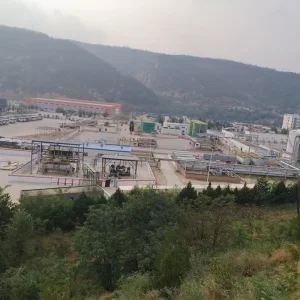
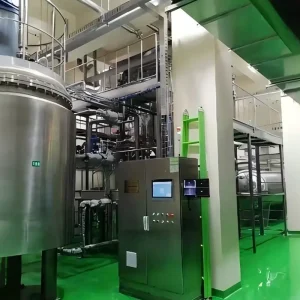
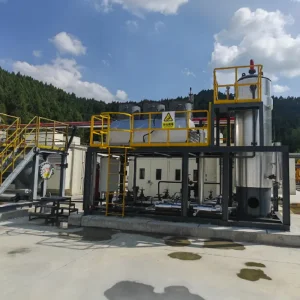
Explore real-world deployments of our skid-mounted liquefaction systems, hazard treatment platforms, and custom pressure vessels.
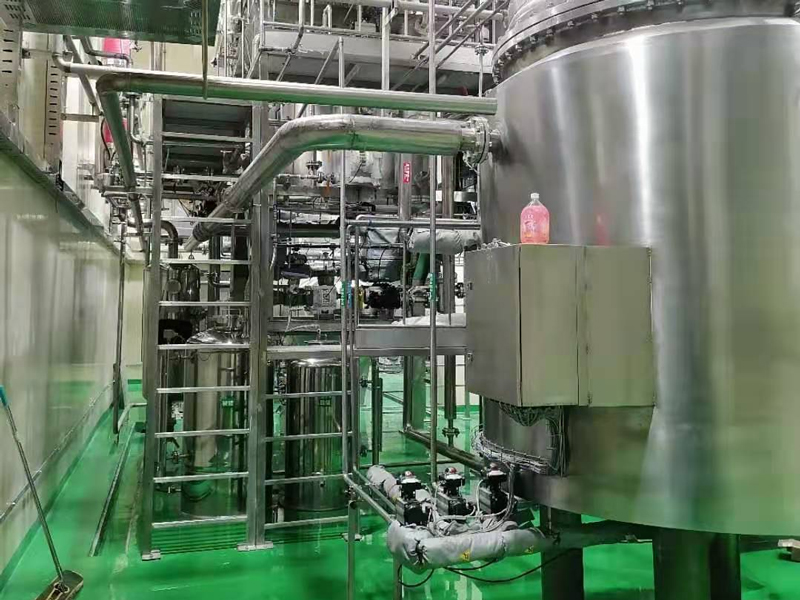
High-pressure thermal hydrolysis processing for research centers.
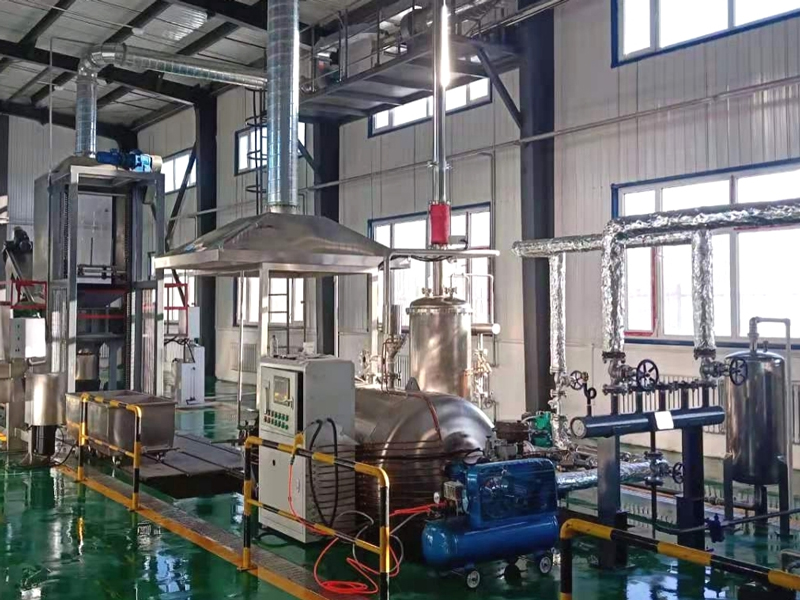
Compact, containerized steam sterilization for rapid hospital response.
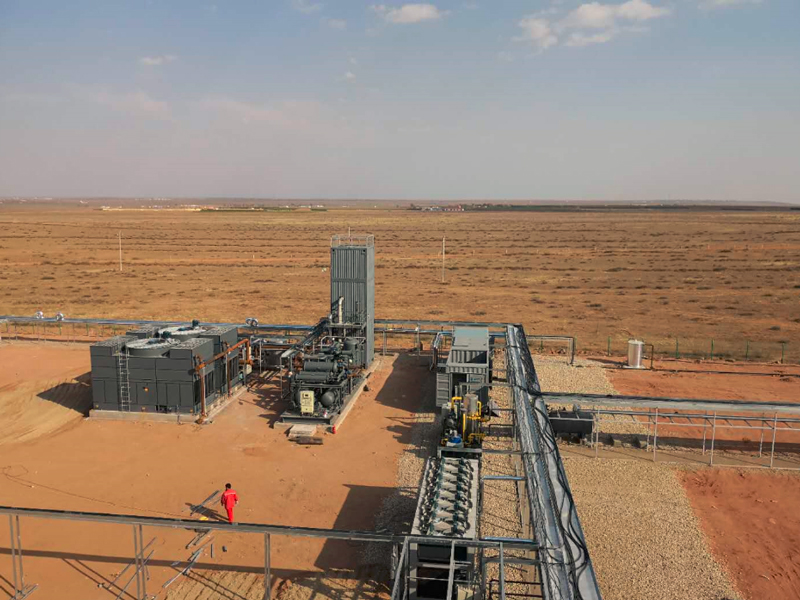
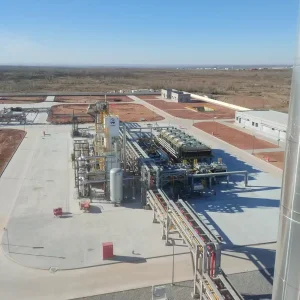
Decentralized skid systems capturing stranded wellhead gas.
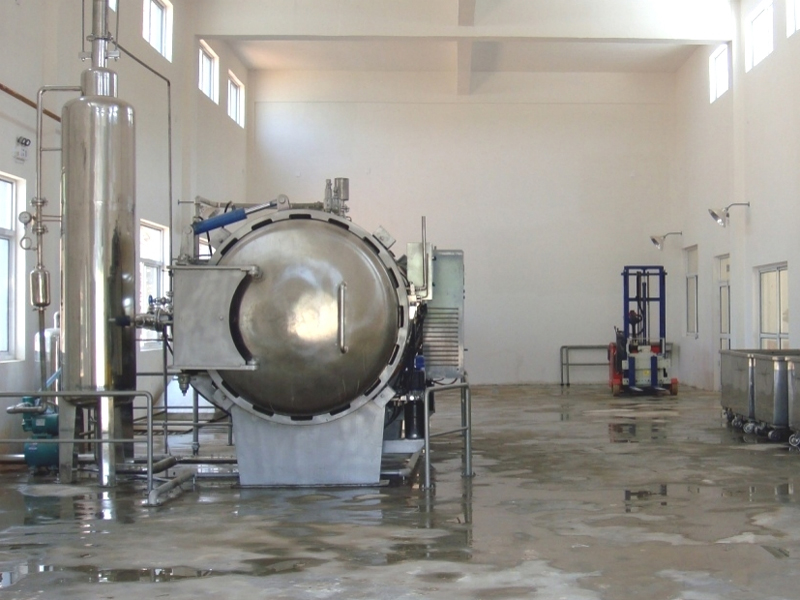
High-volume saturated steam treatment for regional hospital hubs.
In-depth insights addressing primary structural, metallurgical, and thermodynamic inquiries commonly raised by engineering procurement managers.
Explore our complete environmental recovery range, including advanced VOC exhaust purification and heavy hydrocarbon removal skid systems.
 Hongke Qingneng