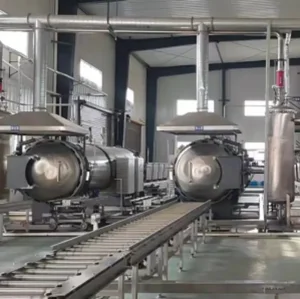
Explore our high-performance systems certified under A2 pressure vessel standards, designed for critical industrial containment, gas liquefaction, and sterilization processes.
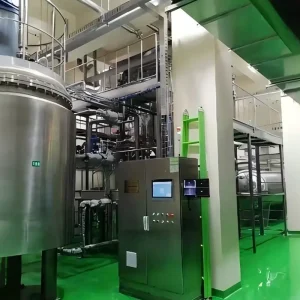
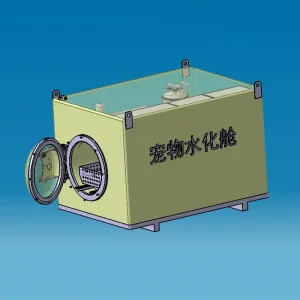
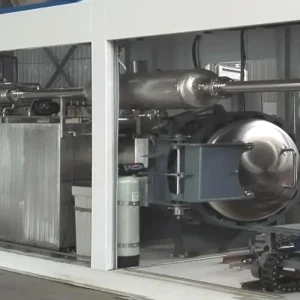
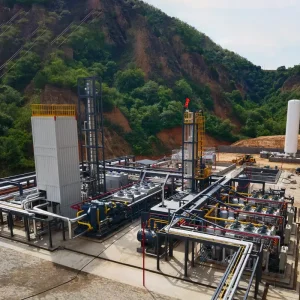
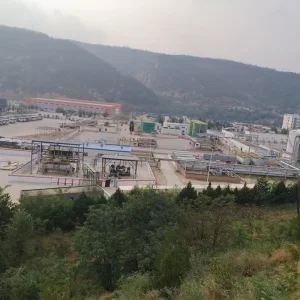
Established in June 2021 with a substantial registered capital of 78 million yuan, Hebei Hongke Qingneng Environmental Protection Equipment Co., Ltd. operates from the state-of-the-art industrial base within the Sanhe Economic Development Zone, Langfang City. We are an innovation-centric pioneer dedicated to the R&D, design, and precision manufacturing of high-vacuum pressure vessels, advanced environmental equipment, and skid-mounted industrial gas systems.
Our foundational engineering DNA is rooted in China's most prestigious research academies. By collaborating directly with researchers from Tsinghua University and the Institute of Physics and Chemistry Technology, Chinese Academy of Sciences (CAS), we bridge the gap between complex thermodynamic theory and robust industrial applications.
The company maintains the highly coveted A2 level pressure vessel manufacturing license, alongside certifications for pressure pipeline component manufacturing, GB/T19001-2016 quality management, and Sinopec HSSE / China Petroleum Health, Safety, and Environment management systems.
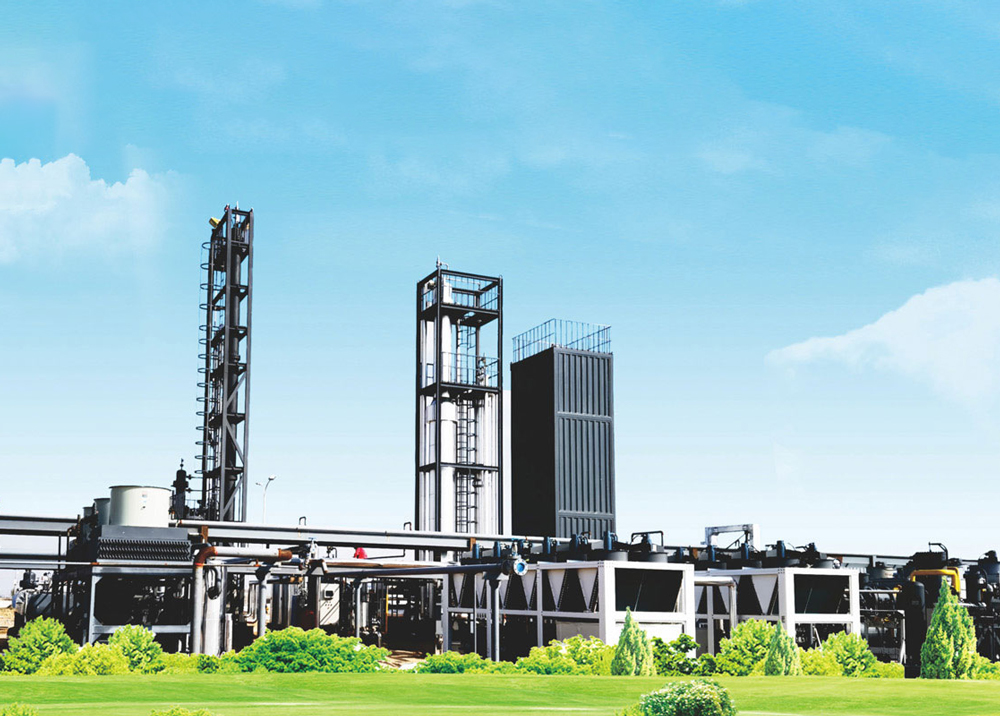
Led by PhDs and Senior Engineers from the Chinese Academy of Sciences, driving state-of-the-art engineering practices.
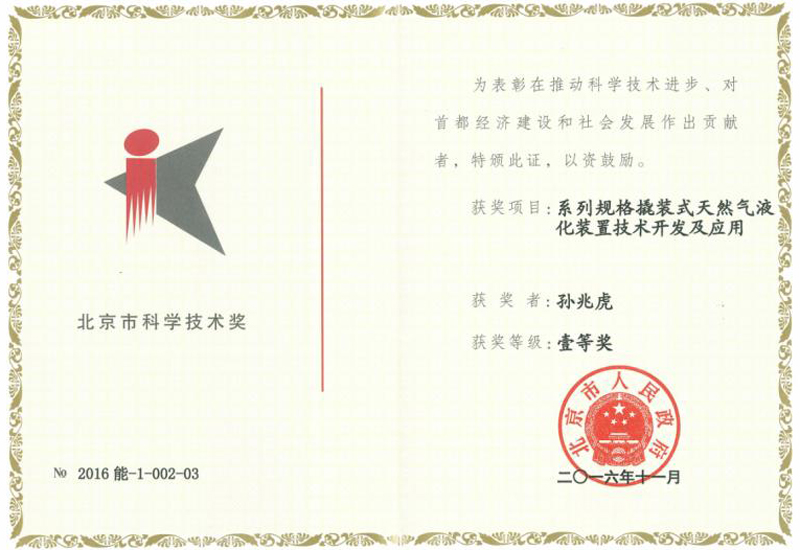
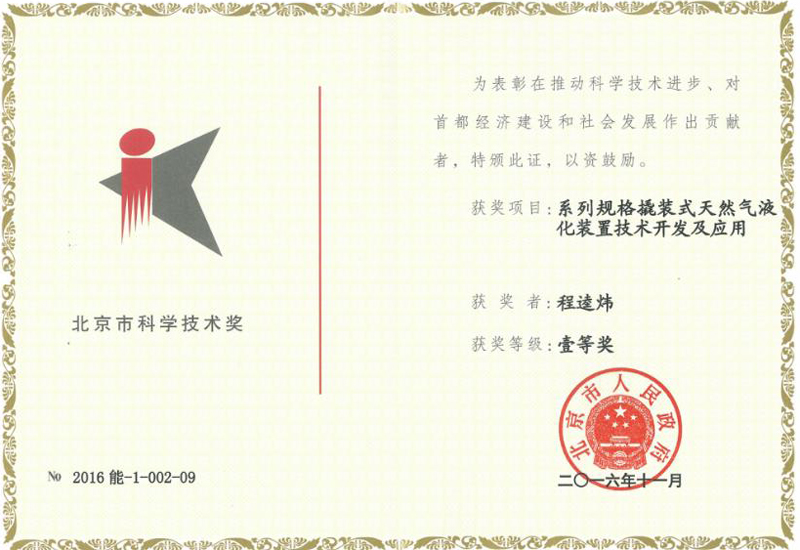
Dr. Sun obtained his doctorate from the Institute of Physics and Chemistry Technology, CAS. As a National Senior Engineer, he has directed projects under the National 863 Program, the Natural Science Foundation, and major aerospace defense systems. He is the recipient of the Special Prize of Technological Invention from the Chinese Society of Refrigeration (2015) and the Beijing Science and Technology Award First Prize (2016).
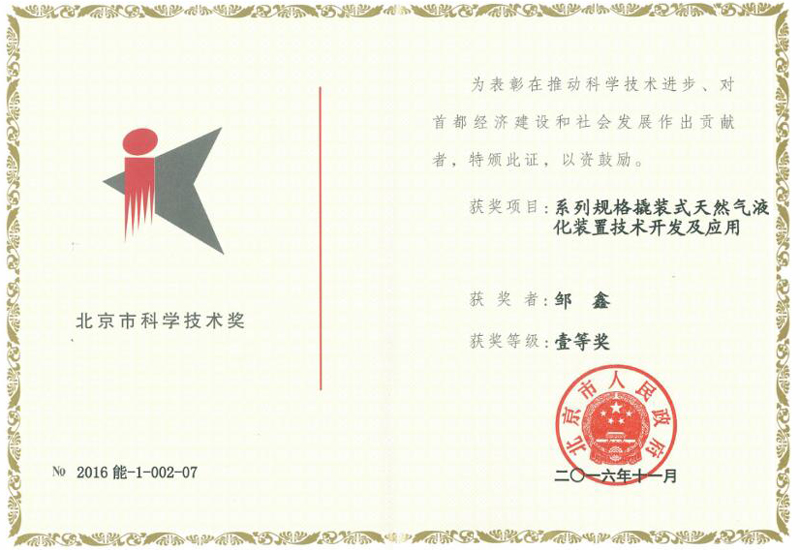
A Ph.D. candidate at CAS, Zou has directed business strategy and market deployment for over a decade. He has authored 24 major academic publications (including 11 SCI/EI indexed papers) and holds multiple invention patents. He earned the Special Award of the 7th China Refrigeration Society Technological Invention Award and the Silver Medal of the 19th China International Industry Expo.
Dr. Cheng received his Doctor of Engineering from CAS. His landmark work, "Technology Development and Application of Skid-mounted Natural Gas Liquefaction Units," earned him the Beijing Science and Technology Award First Prize. His specialized focus centers on phase change heat transfer characteristics and flow properties of multi-component mixed working mediums.
A deep look into the structural physics, materials, and heat transfer science behind modern vacuum containment vessels.
Industrial vacuum pressure vessels are engineered to withstand extreme differential pressures while preventing gas permeation and heat ingress. In cryogenic applications (-40°C to -190°C) and high-temperature thermal hydrolysis processes, the preservation of internal energy states requires high-grade double-walled construction separated by vacuum insulation chambers.
Our technical roadmap centers on reducing outgassing rates and mitigating the effects of thermal bridging. By incorporating multi-layer insulation (MLI) under high-vacuum conditions (10-5 to 10-6 mbar), we dramatically reduce radiative and gas-conduction heat transfer. This technology is vital for skid-mounted LNG liquefaction systems and deep industrial refrigeration machinery.
High-vacuum operations require meticulous attention to micro-structural defects. Our manufacturing protocols utilize low-carbon stainless steel (SS304, SS316L, and duplex steels) to minimize hydrogen embrittlement and prevent stress corrosion cracking. Every weld undergoes intensive Non-Destructive Testing (NDT) including radiographic, ultrasonic, and helium mass spectrometer leak detection methods to guarantee a leak rate of less than 1×10⁻⁹ Pa·m³/s.
| Equipment Category | Operational Temperature Range | Design Standards / Compliance | Structural Configuration |
|---|---|---|---|
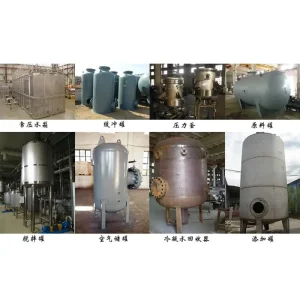
| Non-Standard Pressure Vessels | -196°C to +350°C | ASME Sec VIII Div 1 & 2, GB150 | Single/Double-Wall, Jacket or Coil Heating |
| Industrial Cryogenic Units | -40°C to -180°C | GB/T150, A2 Manufacturing Class | Multi-Layer Vacuum Insulation (MLI) |
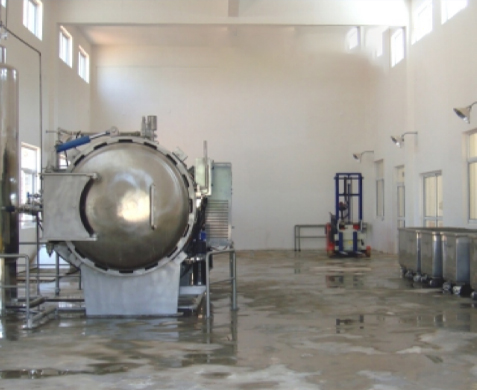
| Medical Waste Steam Treatment | Ambient to +150°C | GB150, Medical Device Registration | High-Pressure Autoclave Chamber with Vacuum Pulses |
| Skid-Mounted LNG Liquefaction | Down to -162°C | ASME, China Class Society (CCS), GB | Skid Integration with Phase-Change Heat Exchanger |
Deploying academic innovations to address global environmental challenges, energy processing, and bio-safety protocols.
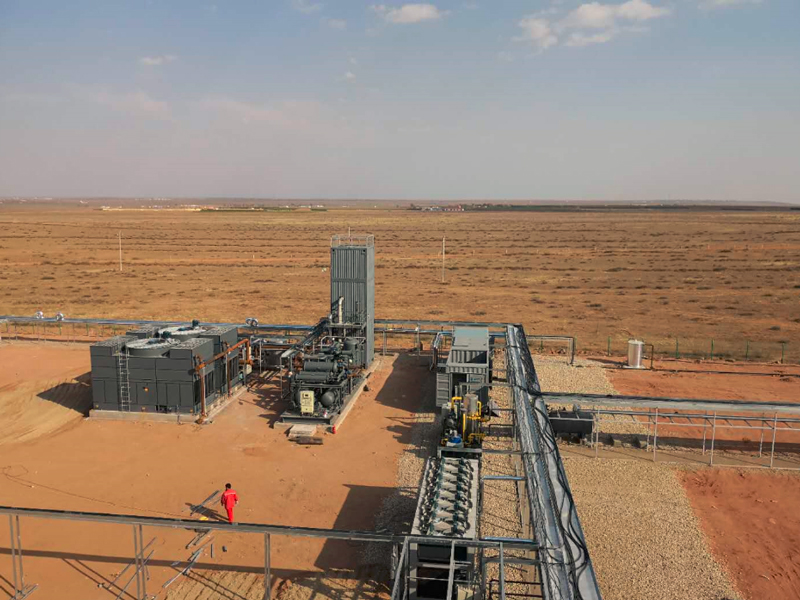
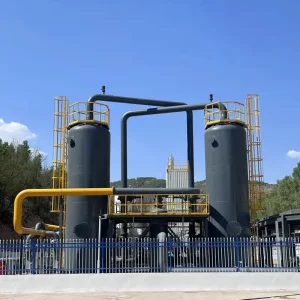
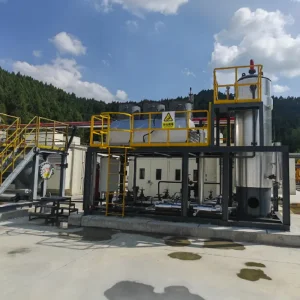
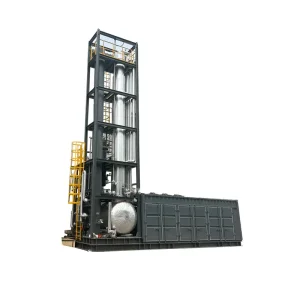
We supply skid-mounted units for the processing of Natural Gas, Shale Gas, and Coal Bed Methane (CBM). Our complete solutions integrate high-efficiency purification steps—specifically deacidification, dehydration, and heavy hydrocarbon removal—followed by liquefaction. Powered by mixed refrigerant cycle (MRC) technology optimized by our CAS engineering leaders, these plants minimize power consumption and speed up field installation.
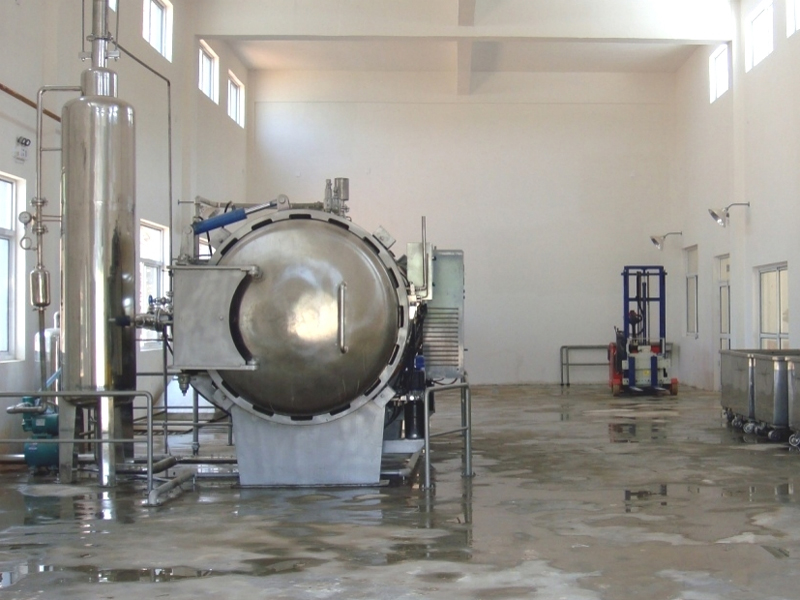
Our centralized and mobile medical waste high-temperature steam treatment systems are engineered to isolate and neutralize high-pathogen hazards. By using vacuum pulse steam sterilization, we achieve absolute sterilization levels. Similarly, our animal tissue hydrolysis treatment systems provide bio-safe disposal for agricultural, veterinary, and scientific laboratories, adhering to strict bio-containment guidelines.
Reducing volatile organic compound (VOC) emissions is a top environmental priority. Our industrial exhaust recovery and desulfurization plants leverage customized absorption columns and chemical gas treatment interfaces to clean flue gases and recycle valuable hydrocarbons, helping enterprises lower their carbon footprint.
Combining structural cost advantages with high precision, digital manufacturing, and secure global delivery.
We benefit from the theoretical insights of Tsinghua University and the CAS Institute of Physics and Chemistry. Our engineering designs undergo simulation testing for mechanical stress, gas flows, and thermal dynamics prior to physical fabrication.
Holding the official A2 level pressure vessel manufacturing license and the pressure pipeline component manufacturing license, our plant follows comprehensive QA/QC programs. Our processes are fully certified under ISO9001, Sinopec HSSE, and CNPC standards.
Our Sanhe factory offers pre-assembled, pre-commissioned, skid-mounted systems. This modular layout cuts construction schedules down by up to 50%, reducing complex pipework and wiring on site.
A quick guide for global engineering buyers assessing offshore manufacturers.
Our engineering team handles all regulatory compliance steps. We provide clear, transparent calculations, detailed material test records, and comprehensive documentation to simplify validation by local inspectors at the installation site.
Demonstrating our field performance and the versatility of our custom non-standard design capabilities.
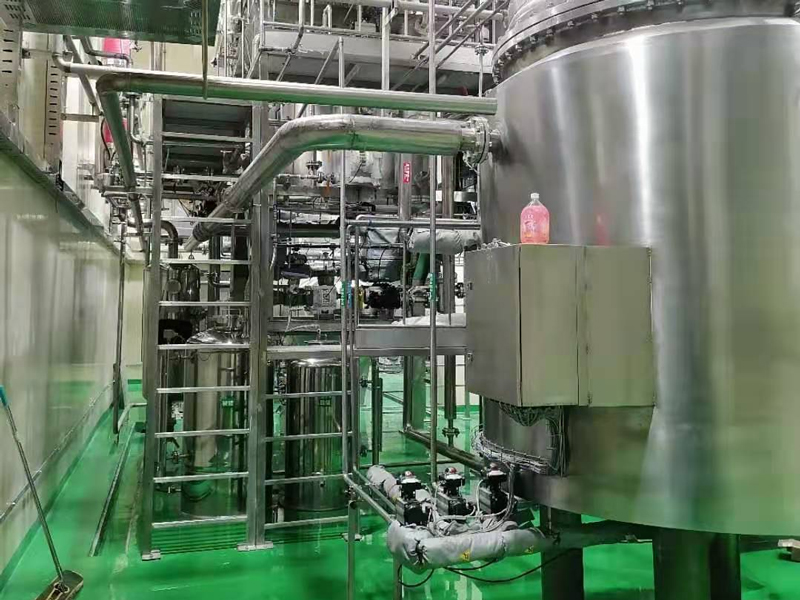
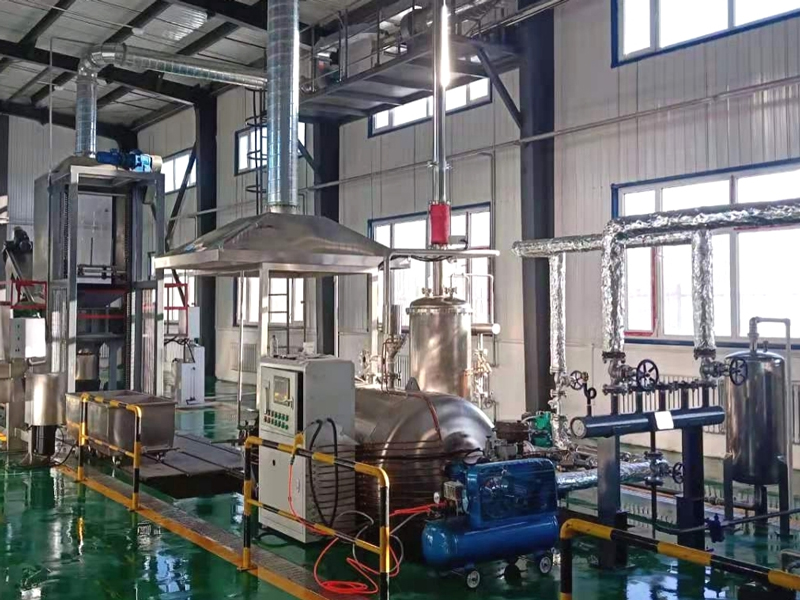
Answering key thermodynamic, regulatory, and engineering questions for industry specialists.
Explore our complete catalog of industrial purifiers, recovery skids, VOC exhaust processors, and custom pressure vessels.
 Hongke Qingneng