Advanced high-pressure autoclaving and thermal liquefaction solutions built to withstand heavy operations.
As a critical global logistics hub and an expanding agricultural market, Panama is strengthening its sanitary, phytosanitary, and biosecurity protocols. From agricultural powerhouses in Chiriquí and Los Santos to the intensive logistics nodes surrounding the Panama Canal, local industries face stricter mandates for handling organic residues. Traditional landfill dumping and open-air incineration are no longer compliant under MINSA (Ministry of Health) and MiAmbiente (Ministry of Environment) guidelines.
Tropical climates amplify biological hazards. High humidity and consistent heat accelerate decay, turning agricultural and veterinary residues into vectors for pathogens like Avian Influenza, African Swine Fever, and bovine contagions. High-temperature hydrolysis and medical-grade autoclaving systems provide the only secure barrier, neutralizing pathogens at the molecular level while preparing organic matter for safe, secondary use or eco-friendly disposal.
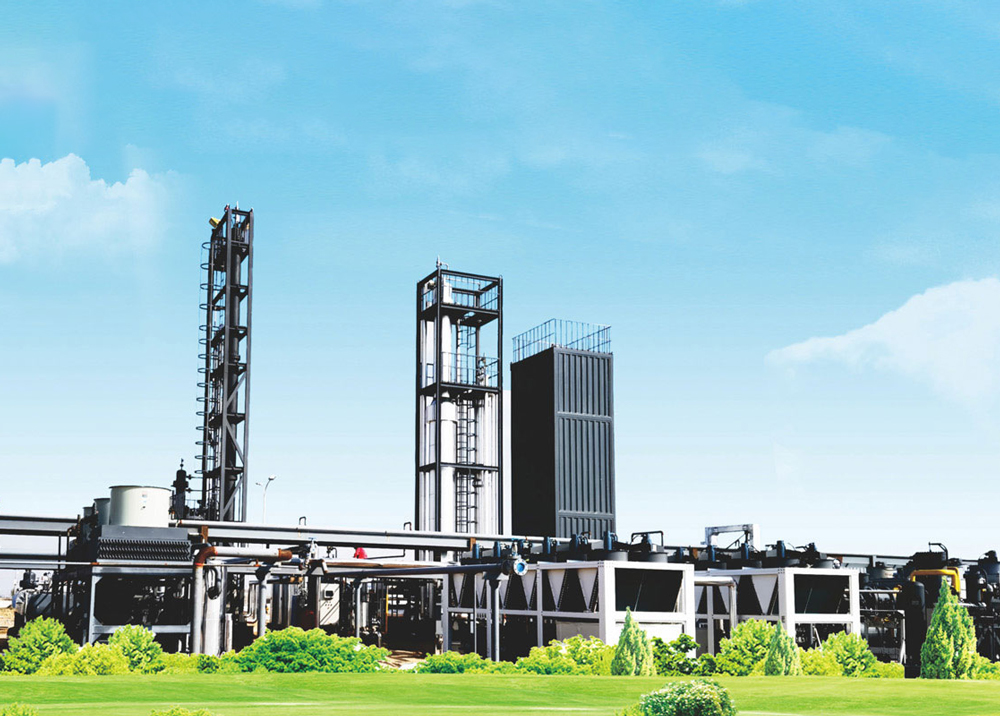
Hebei Hongke Qingneng Environmental Protection Equipment Co., Ltd. brings top-tier environmental engineering to Central America.
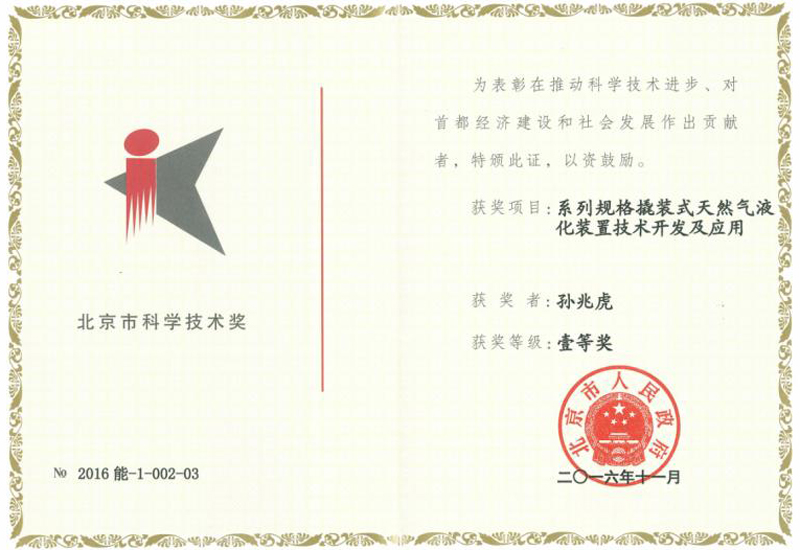
Established in June 2021 with a registered capital of 78 million yuan, Hebei Hongke Qingneng Environmental Protection Equipment Co., Ltd. operates out of the Sanhe Economic Development Zone, Langfang City. We focus on energy conservation, environmental protection systems, and high-specification pressure vessels. Our engineering capabilities range from biological waste treatment systems to advanced LNG purification skids, tailoring all equipment to the regulatory, mechanical, and safety requirements of international destinations like Panama.
Our core strengths lie in our R&D lineage, housing researchers and experts trained at Tsinghua University and the Institute of Physics and Chemistry Technology, Chinese Academy of Sciences. We hold the Chinese A2 level pressure vessel manufacturing license, pressure pipeline component manufacturing license, GB/T19001-2016 quality system certifications, and Sinopec HSSE / China Petroleum Health, Safety and Environment Management System credentials.
Our technologies are led by award-winning Chinese Academy of Sciences doctors and industrial refrigeration specialists.
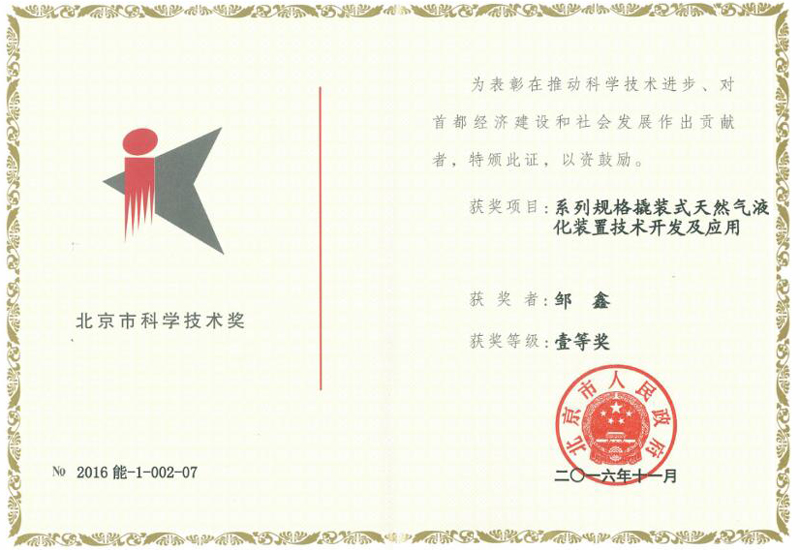
Founder & Chairman: Holds a Ph.D. from the Institute of Physics and Chemistry Technology, Chinese Academy of Sciences. A national senior engineer who has led Chinese National 863 Program projects and aerospace/military-grade thermal development, receiving the Beijing Science and Technology Award for his breakthroughs in thermal systems.
General Manager: Ph.D. candidate and senior engineer of the Institute of Physics and Chemistry Technology, CAS. Author of 24 international papers (including 11 SCI/EI papers) and 5 national invention patents. Expert in commercial operations and skid-mounted waste equipment deployment.
Chief Engineer: Doctor of Engineering from CAS. Specialist in phase change heat transfer characteristics and flow dynamics of mixed working mediums. Underpins the technological design of our non-standard pressure vessels and high-temperature hydrolysis vessels.
Why modern operations in Latin America are transitioning to pressurized hydrolysis systems.
| Parameter | High-Temp Thermal Hydrolysis | Traditional Incineration |
|---|---|---|
| Operating Principle | Steam & chemical hydrolysis under high pressure | Direct thermal combustion at 850°C - 1100°C |
| Pathogen Control | Complete destruction (inc. prions & bacterial spores) | Complete destruction, risk of secondary ash contamination |
| Carbon Emissions | Up to 75% lower carbon footprint | High carbon emission, requires complex gas scrubbing |
| Energy Source | Optimized steam boiler or skid-mounted thermal energy | Heavy fuel oil or high-volume natural gas injection |
| End Product Value | Sterile organic liquid/slurry (convertible to organic fertilizer) | Toxic or sterile fly ash requiring landfill containment |
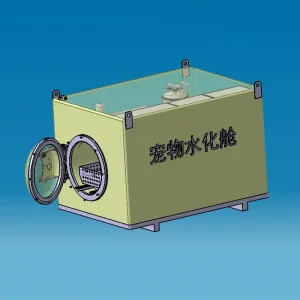
Thermal hydrolysis equipment subjects carcass tissue and pathogen-loaded wastes to high-pressure saturated steam (typically 130°C to 160°C, and pressure fields of 0.4 to 0.8 MPa). This environment deconstructs cell walls, dissolves proteins, and hydrolyzes lipids into safe, low-viscosity organic materials.
By leveraging double-jacketed pressure vessels built with high-quality corrosion-resistant alloys (SS316L for chemical contact areas), Hebei Hongke Qingneng ensures structural reliability over tens of thousands of cycles. This technology is vital for veterinary centers, slaughterhouses, and bio-testing labs in Panama looking to lower operational fuel costs while meeting the environmental expectations of the regional regulatory bodies.
Adapting physical systems for tropical climates, logistics networks, and regional electrical grids.
Panama's electricity grid relies on 60Hz frequency. We configure our control cabins, variable frequency drives (VFDs), and heavy-duty steam generation motors to natively accept 480V 60Hz three-phase power, removing the need for costly transformers.
Panama's ports and production regions feature high atmospheric salinity and high relative humidity. Our exterior skids are protected with offshore marine-grade epoxy coatings, and all instrumentation boxes are IP66 rated for outdoor installation.
All autoclaving, hydrolysis, and sterilization cycles are automated via PLC controls. Data logs are stored securely to comply with international Sanitary and Phytosanitary (SPS) audit protocols and local ministry guidelines.
Global Quality Management Standards for manufacturing precision.
Compliance with high safety, security, health, and environmental standards.
Certified for high-pressure, thermal-grade steam sterilization chambers.
Pre-piped, pre-wired configurations shipped directly for site installation.
Answers to technical questions from process engineers, laboratory directors, and waste managers in Panama.
Proof of reliability from real-world operations, scaling from localized laboratories to regional logistics facilities.
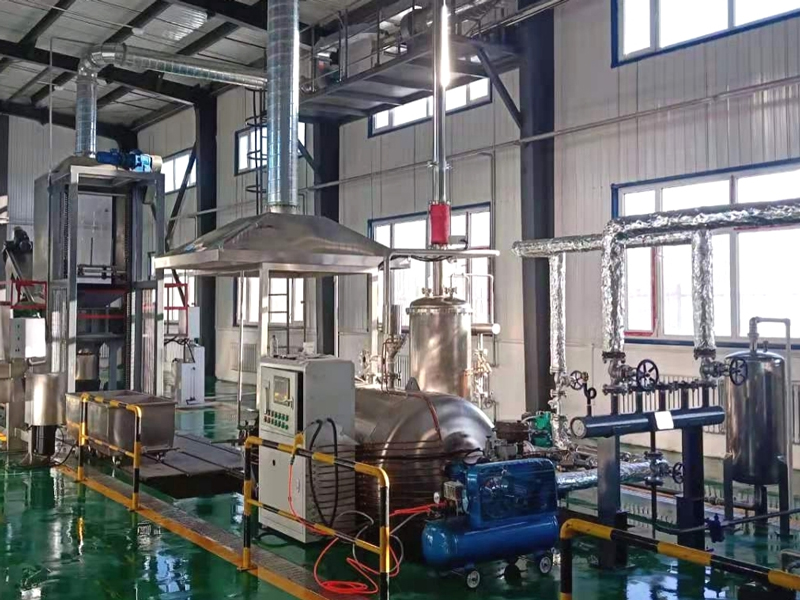
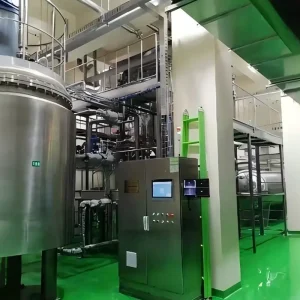
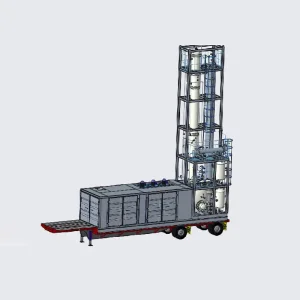
We designed, engineered, and delivered mobile and skid-mounted medical waste sterilization units. Equipped with automated hydraulic lifts and steam-hydrolysis autoclaves, these units process up to 5 metric tons of biological waste daily, operating in compliance with strict public health standards.
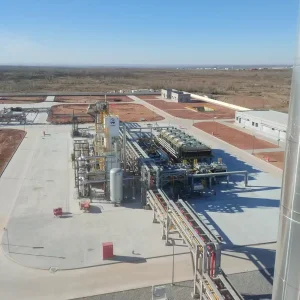
This skid-mounted layout is designed for immediate deployment at regional health hubs or consolidated processing points, minimizing logistics challenges for agricultural and municipal waste management.
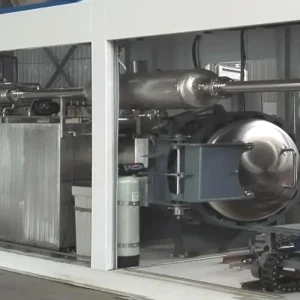
Built for bio-testing facilities and research institutes requiring reliable biocontainment. This system uses high-temperature alkaline hydrolysis to neutralize pathologically contaminated laboratory carcasses.
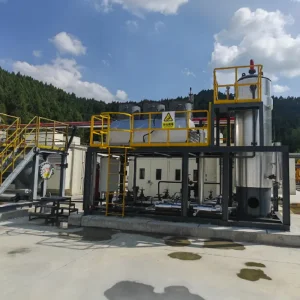
Designed with airtight seal mechanisms, dedicated exhaust scrubbing, and PLC monitoring, it ensures operators work safely while keeping emission rates well within environmental regulations.
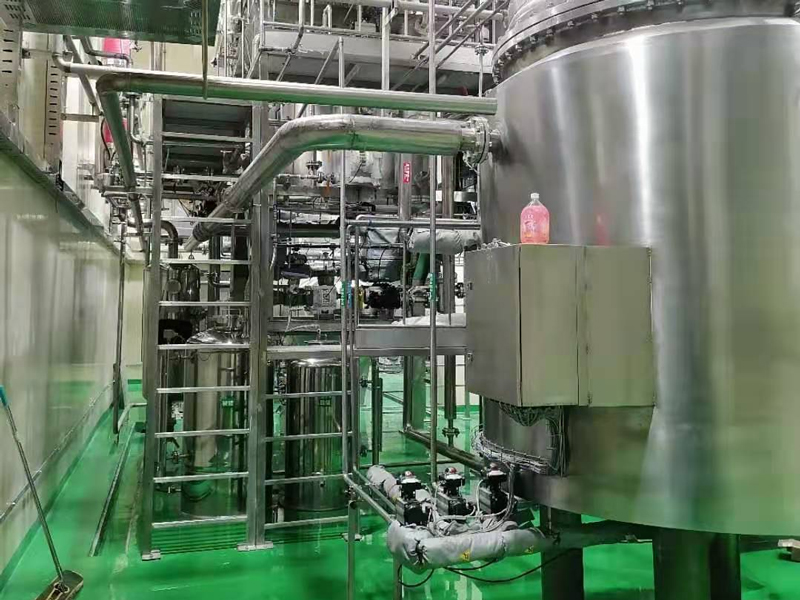
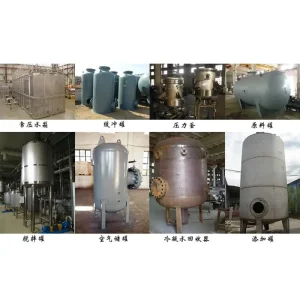
Explore our engineering line, featuring certified pressure vessels, VOC control modules, and LNG skids.
Get in touch with our engineering team for sizing calculations, thermodynamic parameters, CAD layout planning, and custom manufacturing solutions tailored for Panamanian standards.
 Hongke Qingneng