Core ecological equipment configured for biological purification, agricultural recovery, and laboratory bio-containment in Pakistan.
Pakistan holds one of the largest livestock inventories in South Asia, with over 200 million heads of cattle, buffalo, sheep, and poultry spanning key agricultural belts like Punjab and Sindh. However, this massive meat production pipeline generates vast volumes of organic residues, processing waste, and diseased carcasses. Traditional open-air disposal, landfilling, and unregulated rendering pose severe bio-security threats, leading to soil degradation, contamination of aquifers (such as the Indus basin), and recurrent outbreaks of zoonotic pathogens like anthrax, avian influenza, and foot-and-mouth disease (FMD).
As the Pakistan Environmental Protection Agency (Pak-EPA) and provincial entities (such as the Punjab EPA) tighten environmental compliance frameworks, abattoirs, municipal slaughterhouses, and veterinary laboratories are rapidly shifting toward integrated, thermal-based sterilization and hydrolysis. Our advanced pressure vessels and hydrolysis reactors serve this exact transition, enabling safe carcass conversion into inert, nutrient-rich soil additives or industrial-grade fats, completely neutralizing pathogenic threats.
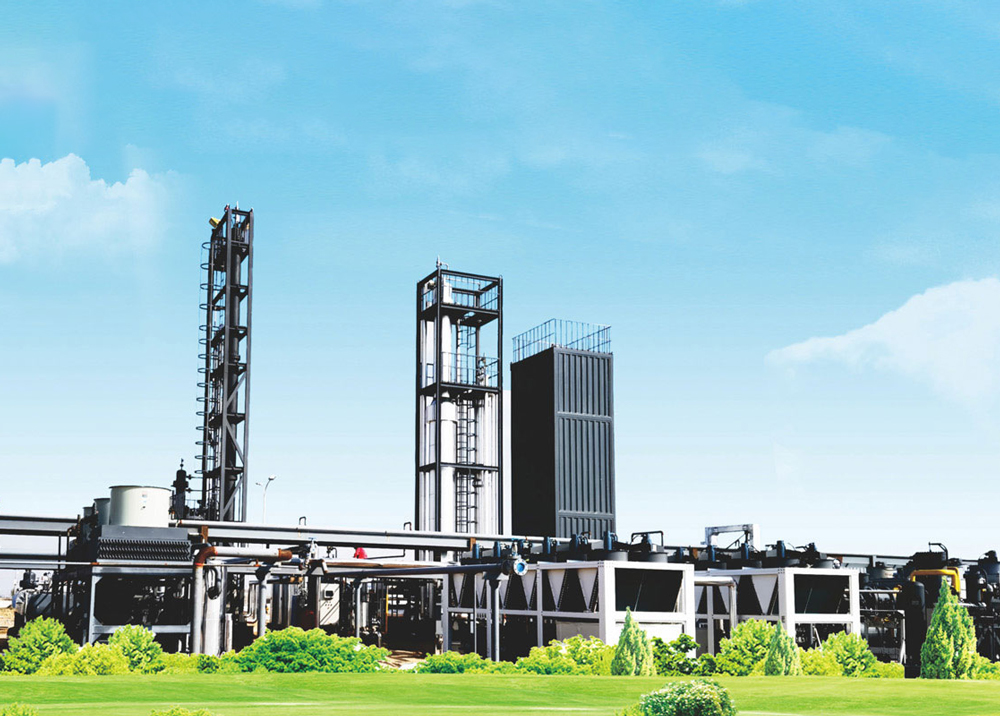
Ensures 100% destruction of highly resistant spores, viruses, and bacterial strains through regulated high-temperature thermal cycles exceeding 134°C.
Minimizes onsite civil engineering requirements with pre-fabricated, compact, skid-mounted components ready for instant utility connection.
Supports the circular economy by converting otherwise hazardous biological components into valuable bone meal, structural protein, and industrial tallow.
Understanding how modern engineering resolves the ecological challenges of animal processing waste.
Across Europe, North America, and rapidly developing regions, biological waste treatment has shifted from open incineration to high-efficiency thermal hydrolysis. Wet rendering and dry rendering methodologies utilize specialized pressure vessels designed to withstand prolonged steam and chemical stress. By exposing animal tissue to elevated pressures (typically 3 to 5 bar) and thermal parameters for precise hold times, cellular walls rupture, releasing moisture and sterilizing the organic matrix.
Our solutions align with European Regulation (EC) No 1069/2009 standards for Class 1, 2, and 3 animal by-products, ensuring that the resulting treated cake is fully pasteurized, safe to transport, and ready for integration into bio-gas digests or fertilizer processing setups.
| Methodology | Process Conditions | Odor Level | Resource Yield | Suitability in Pakistan |
|---|---|---|---|---|
| Incineration | 850°C - 1100°C | Medium (Requires Scrubbing) | Low (Ash only) | Not cost-effective for mass agricultural processing due to fuel costs. |
| Dry Rendering | 115°C - 130°C under continuous vacuum | High (Requires VOC System) | High (Tallow & Meal) | Highly recommended for commercial poultry & meat processor clusters. |
| High-Temp Hydrolysis | 134°C - 160°C at 3-5 bar pressure | Low (Hermetically sealed) | High (Hydrolyzed proteins) | Best for laboratory containment, bio-waste, and municipal quarantine. |
Hebei Hongke Qingneng Environmental Protection Equipment Co., Ltd. combines advanced physical-chemical research with practical pressure-vessel engineering to deliver industry-leading thermal solutions.
Ph.D. from the Institute of Physics and Chemistry Technology, Chinese Academy of Sciences (CAS). Senior national engineer, lead researcher on National 863 Program projects and aerospace thermodynamic systems. Recipient of the Special Prize of Technological Invention of the Chinese Society of Refrigeration.
Senior engineer at CAS Institute of Physics and Chemistry Technology. Project lead for national major science & technology programs. Published 24 academic papers (11 SCI/EI indexed), holder of 5 national invention patents, specializing in commercializing high-efficiency gas purification.
Doctor of Engineering from CAS. Leading specialist in mixed-medium phase-change heat transfer. Designed and oversaw the process deployment of dozens of large-scale skid-mounted natural gas, VOC, and custom thermal treatment installations globally.
Leveraging advanced supply chains, specialized metallurgy, and rigorous certification frameworks to lower project overheads in Pakistan.
Purchasing large-scale biological processing hardware from European manufacturers often introduces prohibitive capital expense barriers, long custom-engineering lead times, and complex maintenance logistics. Our state-of-the-art facility located in the Sanhe Economic Development Zone, Langfang, resolves these issues through:
Deploying specialized pressure systems across the country's most critical bio-processing sectors.
High-capacity thermal hydrolysis reactors integrated directly with meat rendering operations in major urban centers like Karachi (Bhains Colony) and Lahore. Safely treats condemnation cuts, offal, and bones while capturing raw tallow for soap manufacturing and export processing.
Specialized laboratory animal residue units designed to meet BSL-3 laboratory requirements at national health institutes, veterinary universities, and animal health centers in Islamabad and Peshawar. Guarantees inactivation of all persistent bio-hazard agents.
Compact, energy-efficient rendering systems optimized for poultry industrial clusters in Sargodha, Rawalpindi, and Faisalabad. Converts eggshells, dead-in-shell embryos, and processing waste into high-protein poultry meal additives under local environmental rules.
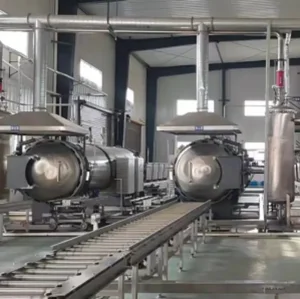
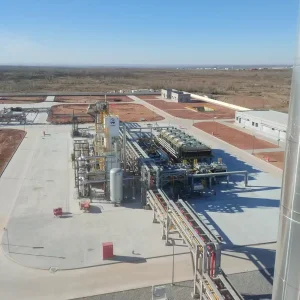
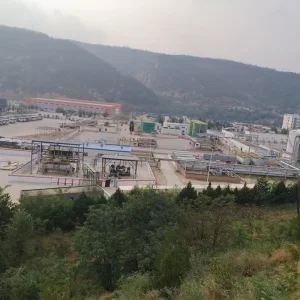
High-performance bio-safety projects executed with precision engineering.
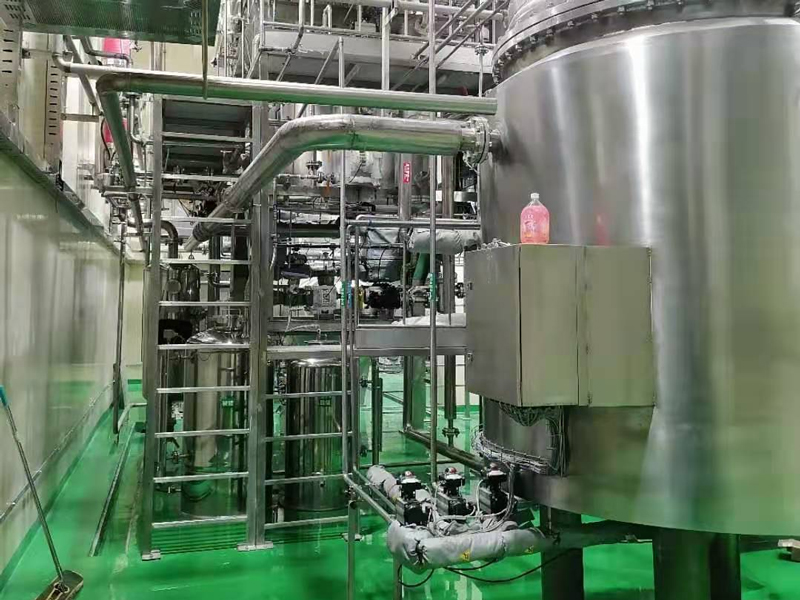
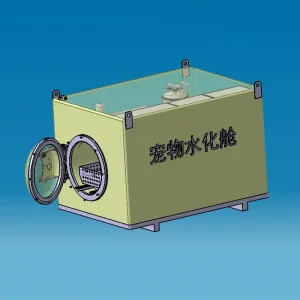
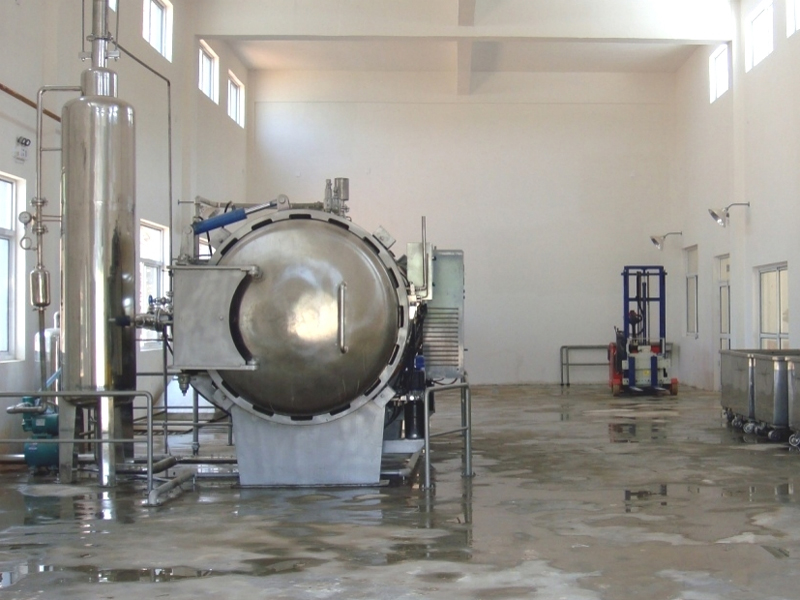
A heavy-duty high-temperature sterilization chamber engineered for veterinary universities and research labs.
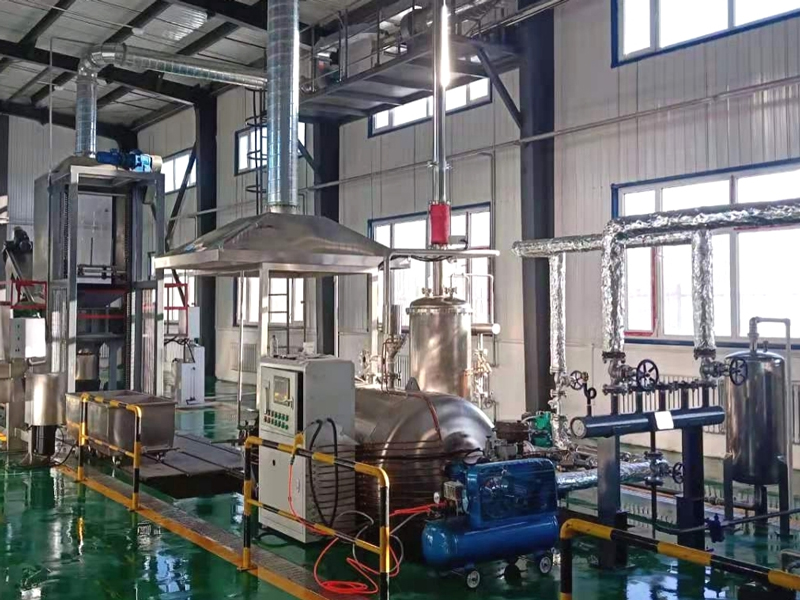
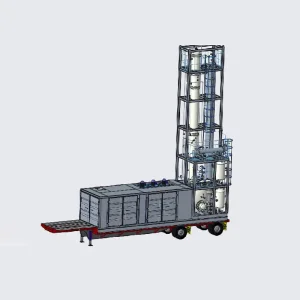
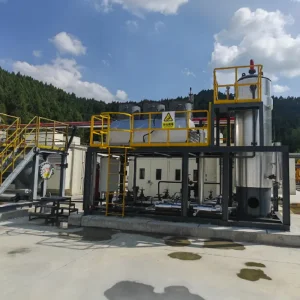
A containerized unit for emergency disease control, animal quarantine, and rapid deployment in rural zones.
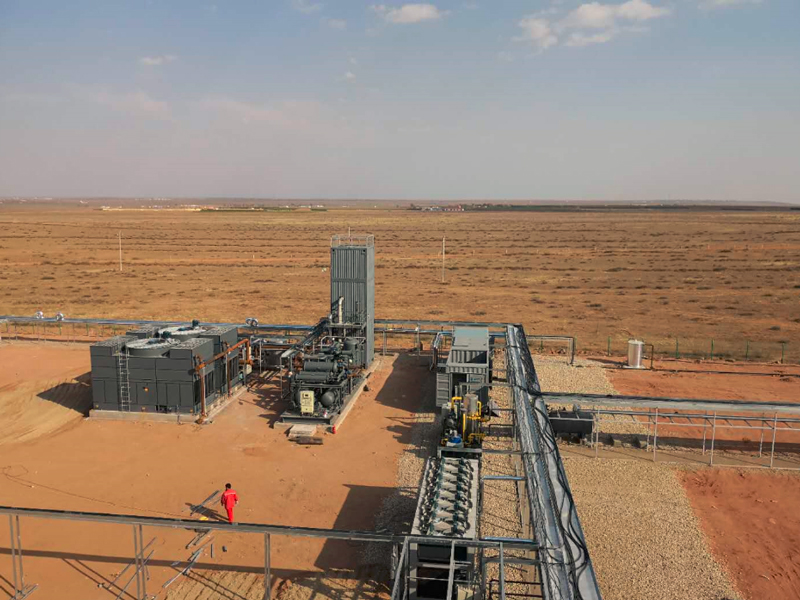
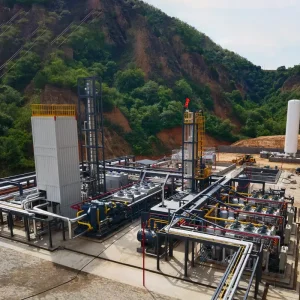
High-pressure purification setup converting stranded methane resources into industrial power and heat feeds.
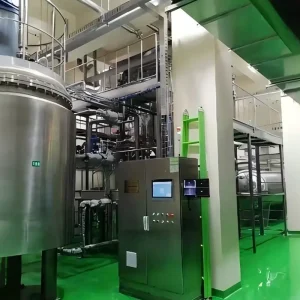
Industrial-scale multi-vessel processing hub operating continuously under automated Siemens PLC controls.
When sourcing industrial hydrolysis reactors for Pakistani projects, procurement officers must evaluate multiple mechanical and thermal properties to ensure long-term operational viability. Our team guides you through selecting the correct system configuration based on specific requirements:
To achieve total biological inactivation, steam chambers must sustain pressures up to 5 bar and temperatures reaching 160°C. Standard commercial vessels do not suffice. Verify the manufacturing factory possesses an A2 Pressure Vessel License and utilizes premium ASME/GB standards. This ensures safety margins that prevent rupture under intense load cycles.
Processing animal carcasses releases high concentrations of organic fatty acids, water vapor, and sulfur compounds. Using standard carbon steel leads to premature rusting and structure failure. Our reactors utilize internal chambers made from SS304 or SS316L stainless steel, complete with passivation treatments to prevent pitting corrosion.
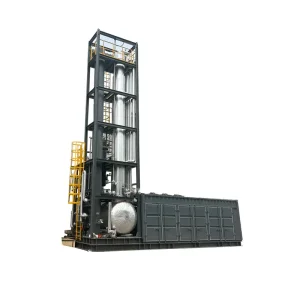
Rendering processes release volatile organic compounds (VOCs) and sulfurous gases (such as hydrogen sulfide and mercaptans). For installations near urban areas in Lahore or Karachi, the system must include negative-pressure capture and multi-stage VOC purification towers or thermal oxidizers to maintain clean operations.
Modern industrial setups rely on automated control panels. Our equipment comes equipped with PLC systems, touchscreens, and digital logging. This provides real-time pressure, temperature, and cycle time tracking, allowing operators to run standard processes at the push of a button.
Expert technical answers addressing the procurement, setup, and operation of bio-waste treatment systems in Pakistan.
High-pressure vessels, VOC treatment solutions, and gas liquefaction skids for municipal and industrial plants in Pakistan.
Connect directly with our senior research team and engineering experts. We design tailor-made, skid-mounted pressure vessels that match your specific project requirements, biological loads, and regional environmental standards.
 Hongke Qingneng