Premium, high-performance units optimized for local research institutions, agricultural centers, and municipal slaughter facilities.
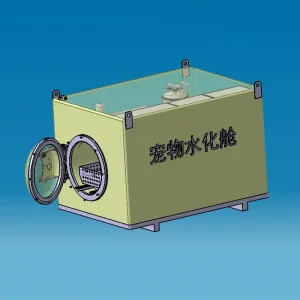
Advanced high-pressure thermal solutions designed for pet cremation and veterinary clinical waste disposal, complying with EPA Ghana standards.
Technical Specifications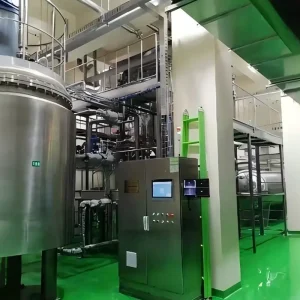
Sealed alkaline digestion technology with zero-gas emissions, suitable for biosecurity research laboratories and universities in Accra and Kumasi.
Technical Specifications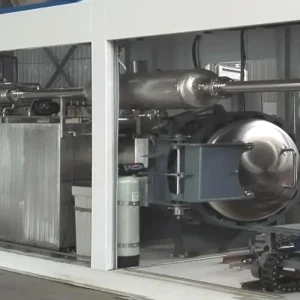
Skid-mounted emergency treatment systems ideal for quick deployment during livestock epidemic outbreaks or remote mining hospital support.
Technical Specifications
Large-capacity chemical degradation vessels that turn infectious tissue into safe liquid effluent and sterile calcium powder residue.
Technical SpecificationsA comprehensive analysis of agricultural growth, urbanization challenges, and environmental frameworks governing waste handling in West Africa.
Ghana's agricultural sector is undergoing a transition driven by population growth, rising meat consumption in metropolitan areas like Accra and Kumasi, and state initiatives like "One District One Factory". The expansion of commercial poultry farms, pig husbandries, and municipal abattoirs has increased the volume of animal tissues and slaughterhouse residue that must be managed to prevent groundwater contamination and odor pollution.
Traditional carcass management practices—including shallow burial and open pit burning—face strict regulatory challenges due to their environmental impact on delicate aquifers in coastal and Savannah zones. Pathogens such as African Swine Fever (ASF), Avian Influenza, and anthrax require active control measures to protect both livestock populations and human public health.
Under the Environmental Protection Agency (EPA) Act 490 and the Environmental Assessment Regulations (LI 1652), industrial facilities, veterinary research centers, and food processing plants must install validated containment systems. Developers must meet specific standards:
As a leading supplier with extensive engineering expertise, Hebei Hongke Qingneng designs specialized high-temperature hydrolysis vessels that help Ghanaian enterprises achieve EPA certification while generating valuable, sterile byproducts.
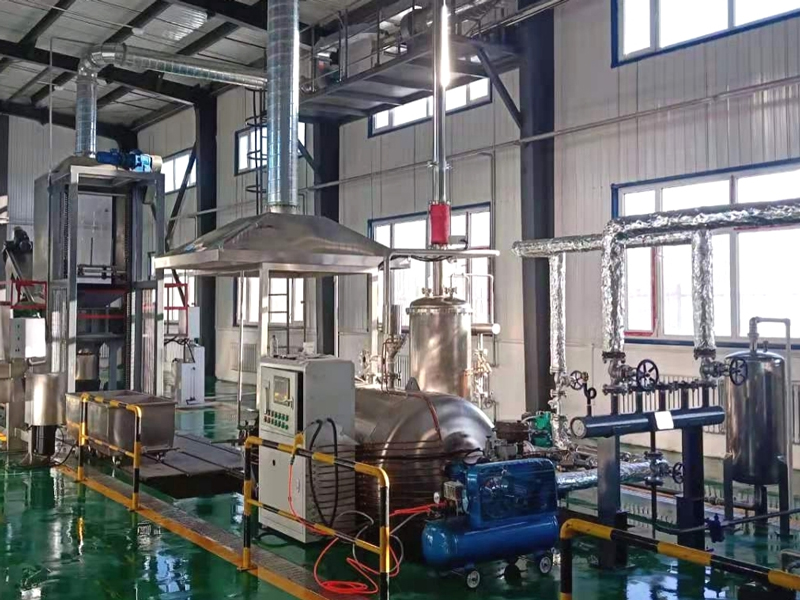
Comparing thermodynamic efficiency, environmental footprints, and operational parameters for West African facilities.
Operates under high pressure (0.3 to 0.6 MPa) and temperature (130°C - 160°C). Utilizes potassium hydroxide (KOH) or sodium hydroxide (NaOH) to break down peptide bonds. Safe, highly efficient, produces zero toxic ash, and has low carbon emissions.
Requires high diesel fuel consumption to reach 850°C - 1100°C. Releases particulate emissions, sulfur oxides, and nitrogen oxides, requiring multi-stage filtration towers. It has a high carbon footprint and significant ongoing fuel costs.
Applies heat to dehydrate the raw material while separating fats (tallow) from solids (meat and bone meal). This process is ideal for high-capacity livestock processing factories looking to create agricultural fertilizer ingredients.
Note on Pathogen Inactivation: Studies confirm that thermal hydrolysis systems operating at 134°C for 20+ minutes achieve complete biological destruction, rendering transmissible spongiform encephalopathies (TSE), ASF, and anthrax inactive.
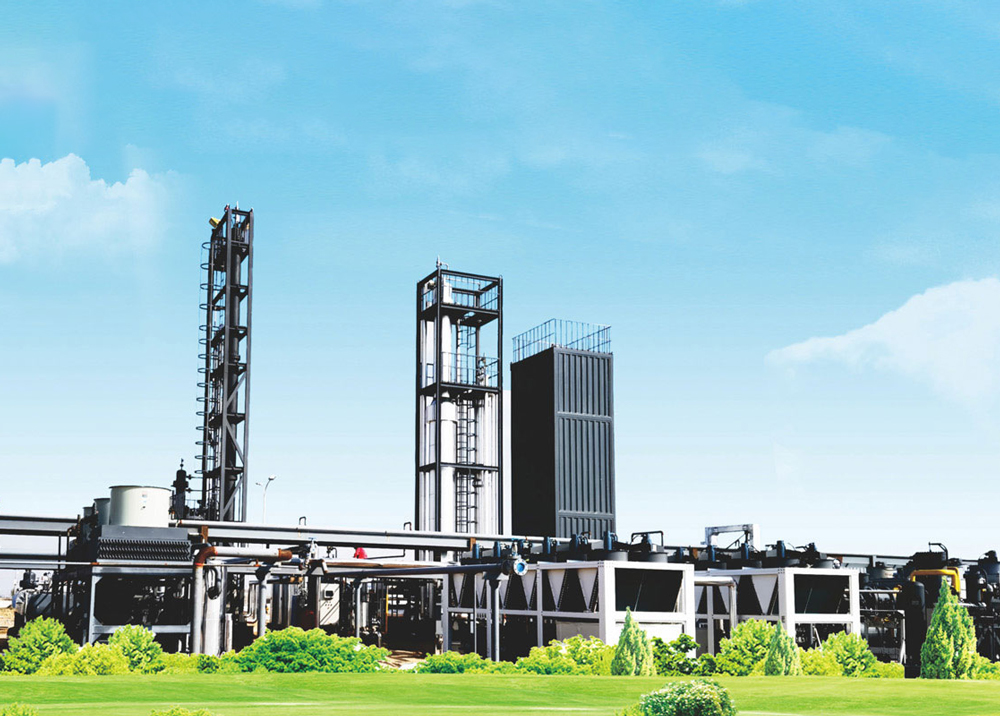
Headquartered in the Sanhe Economic Development Zone, Langfang City, we are a high-tech environmental engineering firm focused on pressure vessel design, biosecurity sterilization, natural gas processing, and exhaust gas recovery systems.
Our team brings together professional talent from Tsinghua University and the Institute of Physics and Chemistry Technology, Chinese Academy of Sciences (CAS). We provide certified design, production, and installation services under rigorous international and Chinese quality standards.
Our technologies are designed and developed by PhDs and senior engineers from top-tier research institutes.
PhD from the Institute of Physics and Chemistry Technology, Chinese Academy of Sciences (CAS). National Senior Engineer. Led major national projects under the 863 Program. Winner of the Beijing Science and Technology Award and the Special Prize of the Chinese Society of Refrigeration.
PhD Candidate and Senior Engineer at CAS. Managed major national science special projects. Published 24 papers (11 SCI/EI indexed) and holds 5 patents. Recipient of the Silver Medal at the 19th China International Industry Expo.
Doctor of Engineering from CAS. Leading developer of skid-mounted environmental protection systems. Expert in phase change heat transfer mechanisms and non-standard pressure vessel flow structures.
Registered Capital (RMB)
Pressure Vessel License
Intellectual Patents
Successful Deliveries
Our animal tissue treatment equipment is built to meet international biosafety standards. Operating pressure vessels requires strict compliance to protect worker safety and ensure long-term durability. We hold comprehensive credentials, including:
We supply skid-mounted, pre-wired systems to minimize on-site installation work in Ghana. Whether your project is near the coastal humidity of Tema or in the dry northern Savannah, our marine-grade anti-corrosion coatings and durable heating elements ensure reliable performance in tropical climates.
Real-world examples of our environmental protection equipment deployed in bio-containment and industrial recovery applications.
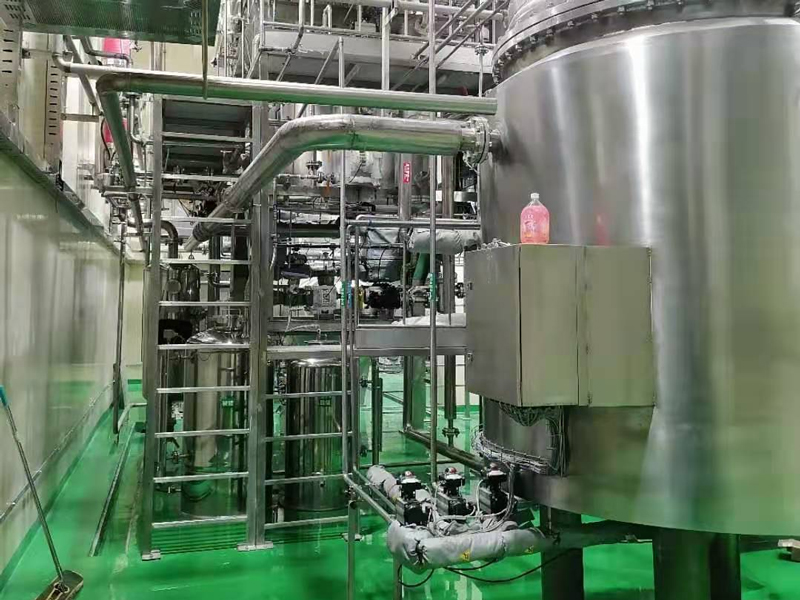
High-efficiency thermal hydrolysis systems installed in leading research universities to destroy infectious laboratory carcasses.
Skid-mounted and trailer-mounted disinfection systems designed for rapid response in clinical zones and rural clinics.
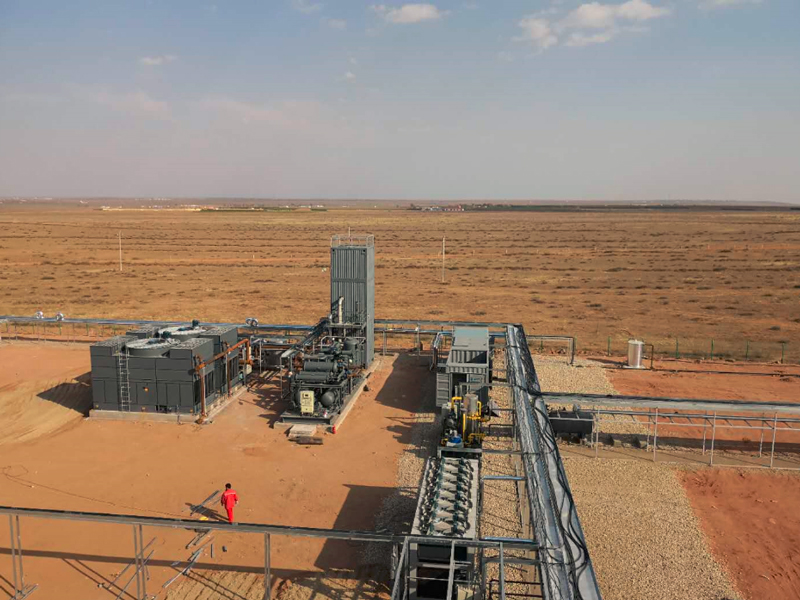
Turnkey gas recovery plant built to process associated energy gases, reducing greenhouse emissions and flaring.
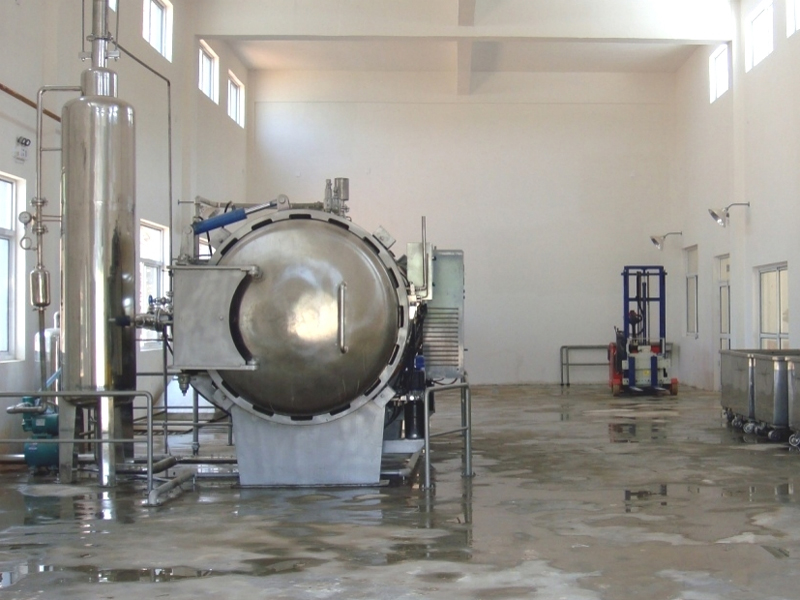
Large-scale municipal waste sterilization installation processing biological residues daily with high throughput.
Comprehensive environmental control, gas recovery, desulphurisation, and VOC abatement options for processing plants.
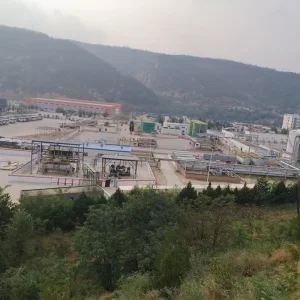
High-efficiency gas treatment systems designed to capture organic odors and VOCs from slaughterhouse and rendering lines.
Technical Specifications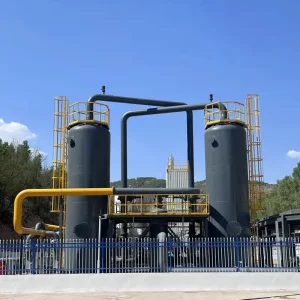
Engineered scrubbing systems designed to neutralize sulfur dioxide and acid gases released during chemical processing.
Technical Specifications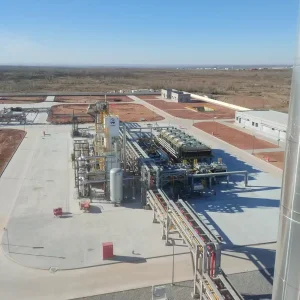
Comprehensive industrial systems for natural gas recovery, deacidification, and cryogenic methane liquefaction.
Technical Specifications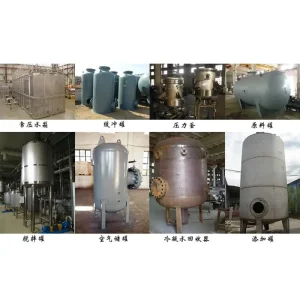
Heavy-duty, high-durability autoclaves and thermal vessels manufactured to withstand corrosive liquids and high pressures.
Technical Specifications
Dual-bed absorption systems designed to capture and recover organic solvent vapors from pharmaceutical and bio-waste plants.
Technical Specifications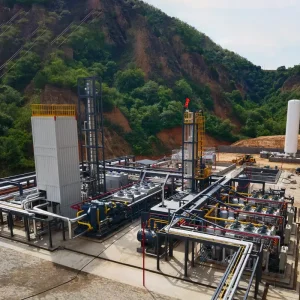
Fully assembled, compact skid systems for associated petroleum gas (APG) capture in oilfields and manufacturing sites.
Technical Specifications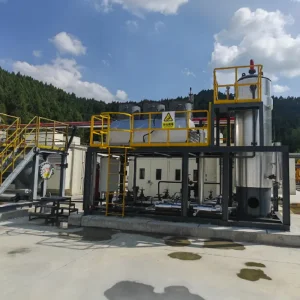
Emission abatement systems designed to recover volatile hydrocarbons and reduce venting at gas plants and biological refineries.
Technical Specifications
Strictly polished, zero-contamination biological reactors designed for pharmaceutical production, laboratories, and vaccines.
Technical SpecificationsOur logistical, customs, and technical support frameworks ensure a smooth deployment process from factory design to site commissioning in West Africa.
We coordinate secure sea freight shipments from Tianjin or Qingdao ports directly to the Port of Tema. All pressure vessels undergo strict protective packaging—including heavy shrink-wrap, custom anti-vibration timber framing, and moisture-absorbing desiccant blocks—to protect electronic controls during maritime transit.
Our engineers provide complete installation blueprints, electrical schematics, and P&ID diagrams. For complex projects, we offer on-site engineering support in Ghana to oversee assembly, piping insulation, and cold-run validation. In addition, we provide comprehensive training programs for local plant operators, covering safety relief valve monitoring, gasket maintenance, and digital control system operation.
To prevent downtime in industrial installations, we maintain a dedicated inventory of critical mechanical components, including:
Detailed engineering and logistical answers for project planners, environmental managers, and procurement officers.
High-temperature hydrolysis utilizes saturated steam heat under pressure (often coupled with alkaline agents) to break down protein matrices into sterile aqueous fractions and mineral residues. Unlike combustion, this process is odour-free, does not generate hazardous airborne ash or fly particles, and consumes significantly less fuel. This makes it easier to obtain environmental permits from the EPA in urban areas of Ghana.
Yes. Our manufacturing facilities hold the A2 level pressure vessel manufacturing license. All vessels are engineered according to ASME Section VIII Division 1 or European EN 13445 standards, and undergo non-destructive ultrasonic and X-ray testing to guarantee structural integrity before shipment.
We integrate multi-stage VOC purification systems, including chemical scrubbers and activated carbon filtration beds. Highly concentrated organic gases are routed through condenser units to remove moisture before passing through gas-treatment filters. This ensures that exhaust air meets strict municipal environmental standards.
Most of our systems are shipped as skid-mounted, pre-wired modules. Once on-site, the installation team places the skid on a flat concrete foundation, connects the utility lines (electricity, steam, and water drainage), and connects the exhaust venting. We provide step-by-step remote support or can deploy engineers to your site in Ghana for commissioning.
You can contact our sales team by clicking the button below or writing to us with details about your required processing capacity, animal tissue type, and target site location. Our engineers will generate an initial layout drawing and pricing estimate within 48 hours.
 Hongke Qingneng