Engineered to bypass centralized logistic vulnerabilities. These four advanced biological neutralization systems provide rapid, on-site, eco-friendly sterilization directly within the Uzbekistan clinical network.
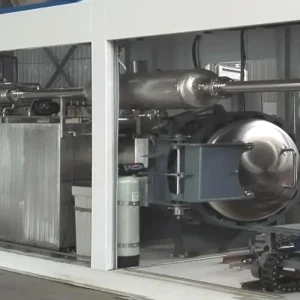
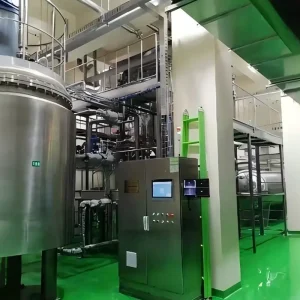
The Republic of Uzbekistan, under its ongoing healthcare modernization strategies, is experiencing a fundamental transition in how biohazardous materials are treated. Traditionally, municipal and rural clinics relied heavily on burning, which resulted in air pollution and violated international protocols. Today, the Ministry of Health of Uzbekistan enforces strict environmental codes that closely match European and WHO guidelines. This regulatory shift mandates non-incineration thermal sterilization technologies, positioning mobile high-temperature autoclave steam systems as the primary solution for regional clinics.
Geography plays a decisive role in Uzbekistan’s waste management logistics. With highly populated administrative centers like Tashkent, Samarkand, and Fergana contrasted by vast, arid regions such as Karakalpakstan, Bukhara, and Navoiy, establishing centralized waste treatment facilities is often economically and logistically impractical. Transporting Class B (infectious) and Class C (highly infectious) waste across long desert distances poses significant bio-contamination and public health risks.
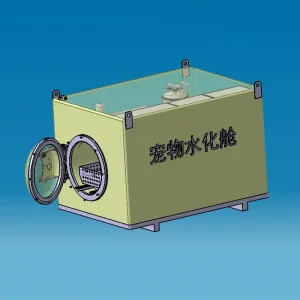
Decentralized mobile medical waste disposal equipment bypasses these logistics. By placing a complete autoclave and shredding system on a mobile truck or a containerized trailer, medical facilities can sterilize hazardous waste directly at the source. Once processed at 134°C under high pressure, the waste is rendered completely inert, non-infectious, and unrecognizable—safe to be disposed of alongside ordinary municipal solid waste (MSW) in local landfills without risk.
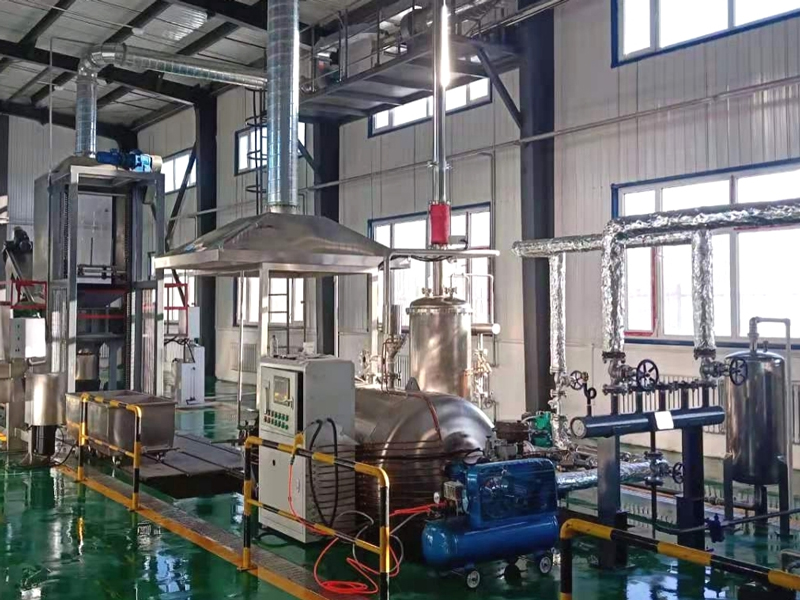
Globally, environmental and public health agencies are steering away from medical waste incinerators due to the generation of highly toxic dioxins and furans. Steam sterilization (autoclaving) coupled with mechanical shredding has emerged as the global gold standard for treating medical waste. Leading facilities utilize high-vacuum autoclave systems that extract air from the chamber before steam injection. This ensures deep heat penetration into hollow medical devices, tubing, and dense waste fabrics.
Modern mobile waste treatment systems are designed as self-sustaining units, incorporating built-in diesel generator sets, steam boilers, water purification packages, and multi-stage air filtration systems (HEPA and carbon filters) to prevent pathogens and odor emissions during sterilization. These units achieve a Level III microbial inactivation rate (Log 6 reduction of Bacillus stearothermophilus spores), ensuring the highest standard of biological safety.
Hebei Hongke Qingneng Environmental Protection Equipment Co., Ltd. was established in June 2021 with a registered capital of 78 million yuan. Located in the Sanhe Economic Development Zone, Langfang City, Hebei Province, our company sits at the heart of the Beijing-Tianjin-Hebei industrial corridor. We specialize in the research, development, and manufacturing of environmental protection equipment, non-standard A2-level pressure vessels, medical waste treatment facilities, and advanced thermodynamic skid-mounted assemblies.
Our engineering advantages stem from deep academic and scientific collaborations. We have built a robust R&D team featuring professionals from Tsinghua University and the Institute of Physics and Chemistry Technology, Chinese Academy of Sciences (CAS). By combining basic thermodynamics research with practical environmental engineering, we hold numerous independent patents and have implemented dozens of high-performance waste disposal and gas purification systems globally.
Guided by academic excellence and senior engineers, Hebei Hongke Qingneng integrates high-level physics and chemical thermodynamic technologies into modern environmental protection machinery.
Procuring mobile medical waste disposal equipment from Hebei Hongke Qingneng offers distinct operational and financial advantages for Uzbekistan municipal authorities and private healthcare groups compared to Western European alternatives:
1. Complete Supply Chain Integration: Located near major heavy industrial hubs and steel mills in northern China, we source raw materials and premium components (such as Siemens PLC units, automated valves, and high-tensile steel plates) with minimal lead times. This integration reduces production costs without compromising component quality.
2. Advanced CNC Welding & NDT Inspections: Our pressure vessel manufacturing utilizes automated plasma cutting and robotic submerged arc welding. Every single vessel seam undergoes rigorous Non-Destructive Testing (NDT), including radiographic testing (RT) and hydrostatic pressure testing, to ensure risk-free operation under high temperatures and pressures.
3. Seamless Transport to Central Asia: Leveraging the Belt and Road Initiative, our factory in Langfang has direct rail and road connections to Uzbekistan (Tashkent, Samarkand). We package our equipment in standard sea freight containers or trailer mounts, enabling secure shipping with short overland transit times.
4. Localized On-Site Commissioning: Our engineers provide comprehensive installation support, operator training in Russian/English, and remote diagnostic capabilities. This ensures your local technical team can operate and maintain the equipment with minimal downtime.
| Feature / Metric | Mobile Steam Autoclaving (Hongke Qingneng) | Traditional Incineration | Chemical Disinfection |
|---|---|---|---|
| Environmental Footprint | Zero emissions, no toxic flue gases, minimal odor. | High risk of dioxins, heavy metals, and fly ash. | Chemical residue handling and secondary runoff risk. |
| Uzbekistan SanPiN Compliance | Fully compliant; strongly recommended for new sites. | Strictly regulated; banned in urban residential sectors. | Partially compliant for specific waste streams. |
| Logistical Mobility | Mounted on trailers/trucks; treats waste on-site. | Fixed installation; requires heavy logistics. | Fixed or semi-mobile; chemical transport hazards. |
| Operating Cost | Low (electricity/water/diesel; standard maintenance). | High (fuel oil, post-combustion gas scrubbing). | Medium (continuous cost of chemical reagents). |
| Inactivation Standard | Log 6 reduction ($99.9999\%$). Safe for municipal disposal. | Destroys organic matter, leaving hazardous bottom ash. | Varies; risk of incomplete core penetration. |
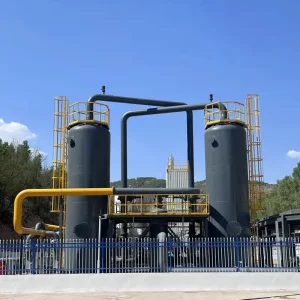
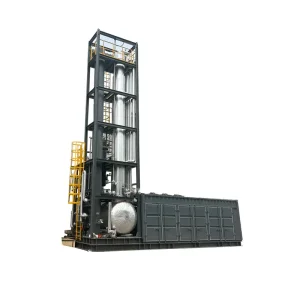
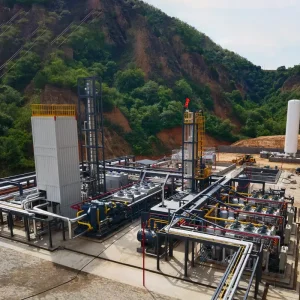
Beyond medical waste systems, Hebei Hongke Qingneng designs and fabricates complete purification, liquefaction, and gas treatment lines for regional energy, healthcare, and chemical processing facilities.
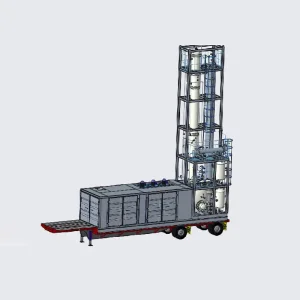
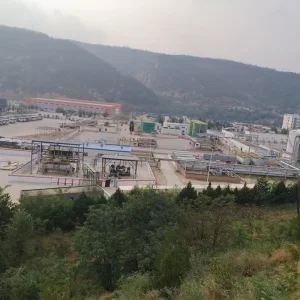
Technical and regulatory insights on deploying mobile autoclaving systems in Uzbekistan and global markets.
 Hongke Qingneng