Advanced engineering systems designed to support Ethiopian infrastructure, mining, energy, and medical sectors.
Adapting advanced gas processing and purification solutions to East Africa's fastest-growing economy.
Ethiopia is undergoing a historic industrial transformation. Driven by the government’s Ten-Year Development Plan (2021–2030) and the continuous expansion of specialized industrial parks (such as Hawassa, Bole Lemi, and Adama), the demand for high-efficiency process equipment has risen sharply. As light manufacturing, chemical processing, pharmaceutical synthesis, and energy sectors advance, the requirement for localized, high-integrity purification technology becomes critical.
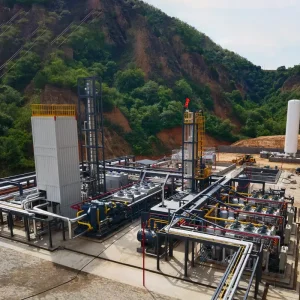
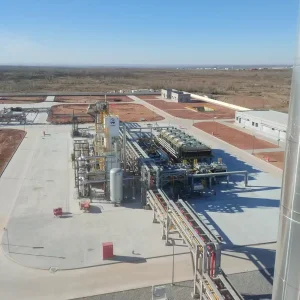
In the energy sector, the development of natural gas reserves in the Ogaden Basin highlights the need for skid-mounted processing units. Because these resource-rich areas are located in remote geographical environments, traditional large-scale infrastructure is logistically challenging. Compact, pre-commissioned skid systems offer a practical, modular path to monetization. These systems enable efficient acid gas removal (CO2/H2S mitigation), gas dehydration, and cryogenic hydrocarbon liquid extraction directly at the wellhead.
Simultaneously, Ethiopia's rapid urbanization has placed a strain on municipal and clinical waste infrastructures. Modernizing medical waste sterilization is a core environmental priority. Under the guidance of the Federal Environmental Protection Authority (EPA) and the Ministry of Health, there is a strong push to phase out polluting combustion incinerators in favor of zero-emission, high-pressure steam sterilization technology. This transition helps prevent dioxin emissions and aligns with international environmental standards.
Operating processing equipment in Ethiopia requires addressing unique physical conditions. A major portion of the country's industrial activity is located on the high-altitude East African Plateau. For example, Addis Ababa sits at approximately 2,300 meters above sea level, where the atmospheric pressure drops to about 77 kPa. This lower pressure directly alters thermodynamic behavior, reducing the boiling point of water to approximately 92.5°C.
For sterilization processes, this requires specialized pressure control systems. Standard autoclaves designed for sea-level operation cannot achieve reliable pathogen elimination under local ambient pressures without custom calibration. Our engineered sterilization units feature adaptive PLC control algorithms. These systems modify steam pressure ratios to maintain a stable, uniform temperature profile of 134°C, meeting strict biological safety standards (Log-6 reduction) despite the altitude. Similarly, gas compressors and air-cooled heat exchangers are equipped with oversized surface areas and custom variable-frequency drives (VFDs) to compensate for the lower density of high-altitude cooling air.
Registered Capital (RMB)
Pressure Vessel License
Skid-Mounted Systems Delivered
R&D Patents & IP Rights
Hebei Hongke Qingneng Environmental Protection Equipment Co., Ltd.
Established in June 2021 with a registered capital of 78 million yuan, Hebei Hongke Qingneng Environmental Protection Equipment Co., Ltd. operates its primary research and manufacturing facility in the Sanhe Economic Development Zone, Langfang City. The company specializes in engineering, manufacturing, and supporting process equipment for energy conservation, gas purification, and environmental control.
Our core strength lies in our close collaboration with leading academic institutions, including Tsinghua University and the Institute of Physics and Chemistry Technology of the Chinese Academy of Sciences (CAS). By translating laboratory-tested thermodynamic and cryogenic theories into industrial-scale machinery, we design systems that offer high efficiency and reliable field performance.
Our facility holds an A2-level Pressure Vessel Manufacturing License, a Pressure Pipeline Component Manufacturing License, and certifications for GB/T19001-2016 / ISO9001:2015 Quality Management Systems. We are also certified under the Sinopec HSSE and China Petroleum Health, Safety, and Environment Management Systems, ensuring our equipment meets the standards required by international oil, gas, and chemical operators.
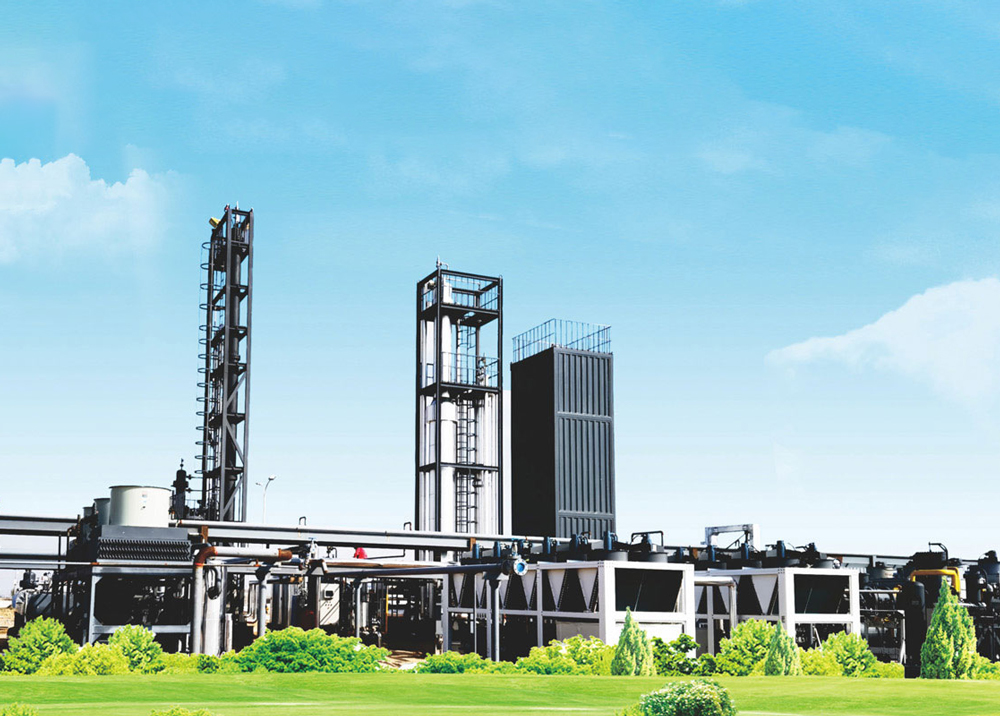
Our designs are led by engineering professionals from Tsinghua and the Chinese Academy of Sciences, supported by independent patents in mixed-refrigerant cryogenics and high-pressure gas purification.
We operate under certified ISO 9001 and A2 pressure vessel standards, performing comprehensive testing (NDT, hydrostatic, and helium leak testing) before shipping systems to Africa.
Our processing systems are built to reduce emissions, support energy recovery, and help industrial facilities meet local and global environmental standards.
Our technology is developed and guided by recognized experts in thermal thermodynamics and cryogenic engineering.
Founder & Chairman
General Manager & Researcher
Chief Process Engineer
High-performance engineering systems customized for the operational demands of the East African region.
For Ethiopia's regional natural gas deposits and industrial fuel networks, our processing systems provide a compact alternative to large, site-built infrastructure. They are designed for modular installation and easy transport:
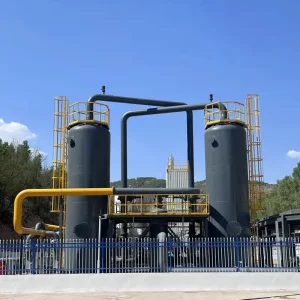
• Amine Deacidification Units: Utilize optimized aqueous formulations of MDEA/DEA to selectively remove CO2 and H2S, helping protect downstream equipment from corrosion.
• Molecular Sieve Dehydration: Uses a multi-bed adsorption system to lower water dew points to ≤ -40°C, preventing hydrate formation during high-pressure transmission or cryogenic processing.
• Hydrocarbon Condensate Extraction: Employs mechanical refrigeration or Joule-Thomson expansion to recover valuable heavy hydrocarbons (C3+), rendering the dry gas suitable for local power generation or distribution.
In response to Ethiopia's medical infrastructure initiatives, we supply high-temperature steam sterilization systems designed to replace open combustion:
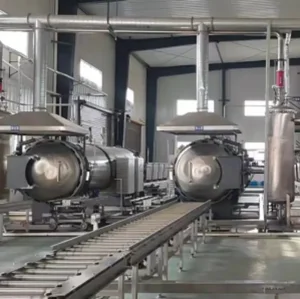
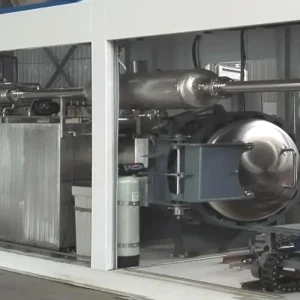
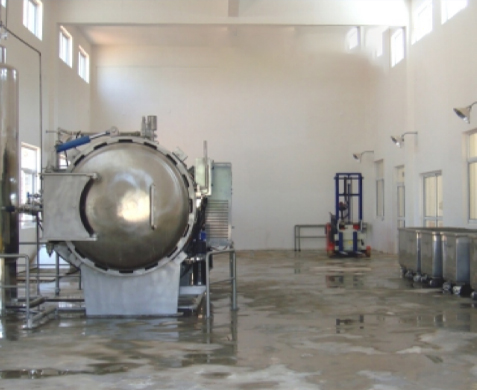
• Centralized Autoclaving Systems: Feature heavy-duty, corrosion-resistant vacuum chambers equipped with automated shredding and vacuum pre-conditioning cycles. This configuration ensures complete steam penetration and sterilization of large batches of infectious waste.
• Mobile Treatment Units: Self-contained, skid-mounted, or containerized systems designed for rapid transport to regional clinics, providing reliable waste sterilization without requiring permanent facilities.
To support air quality goals in Ethiopia's growing industrial parks, we offer customized emission control and VOC abatement systems:
• Multi-Stage Absorption & Condensation: Captures organic vapors from pharmaceutical and solvent-using manufacturing plants, helping operators meet environmental guidelines.
• Desulphurisation Units: Dry and wet desulphurisation systems designed to treat industrial flue gases and biogas, reducing sulfur dioxide emissions.
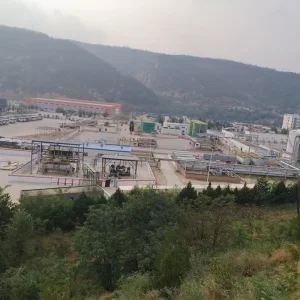
Examples of our systems configured for municipal, industrial, and energy applications in East Africa.
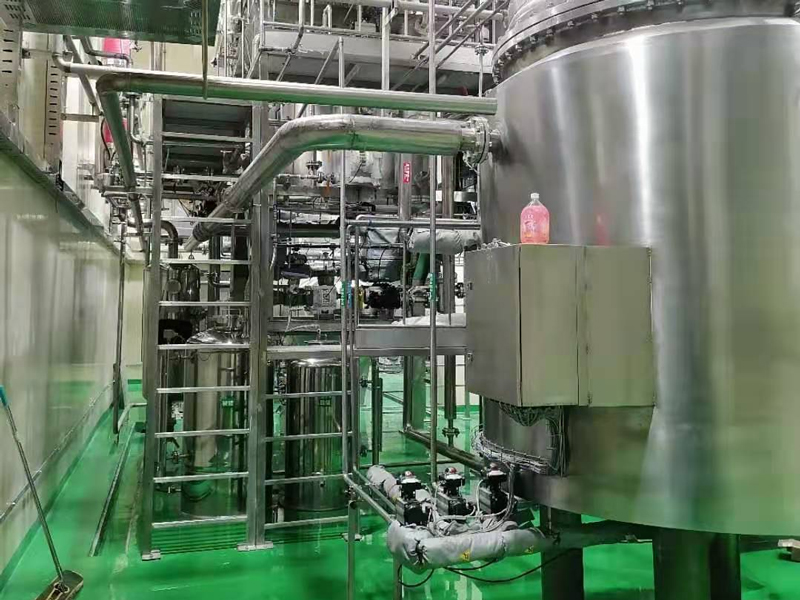
Safe biological containment systems designed for research institutes in high-altitude environments.
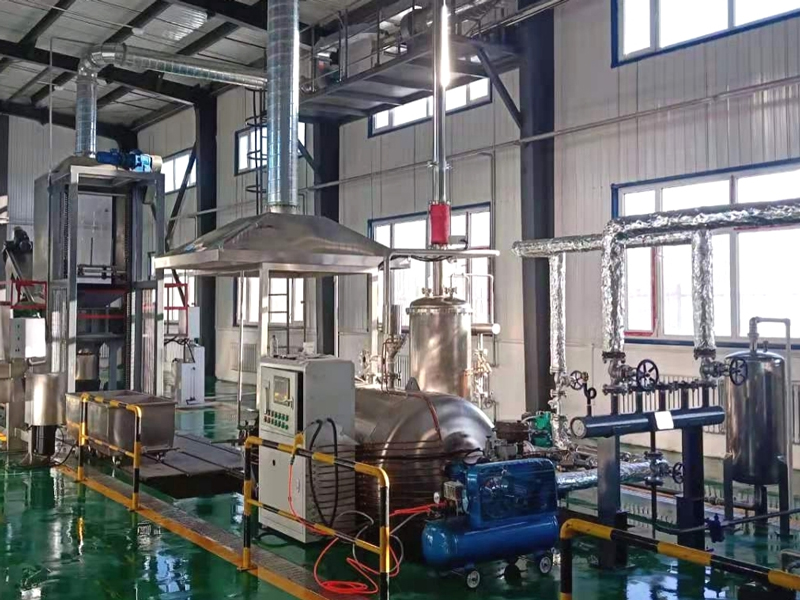
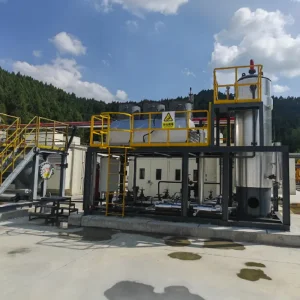
Self-contained, containerized steam sterilizers supplying rural health clinics across the region.
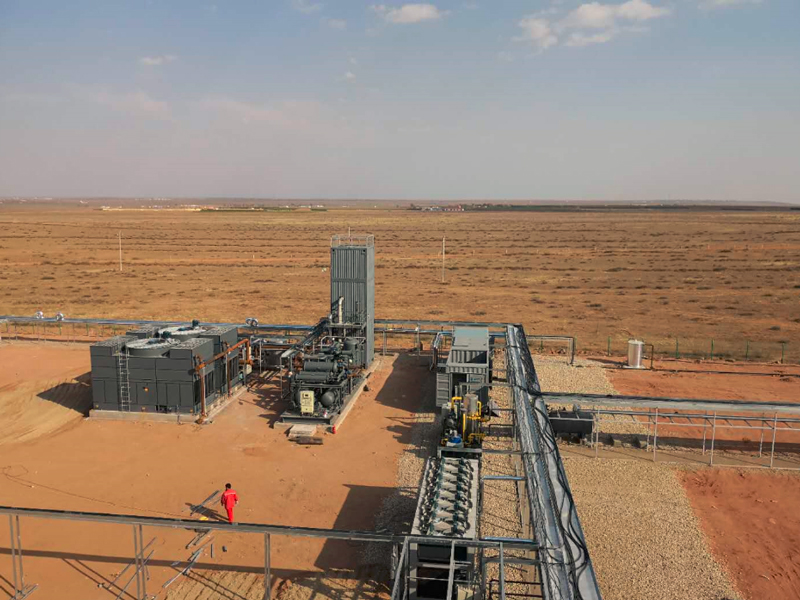
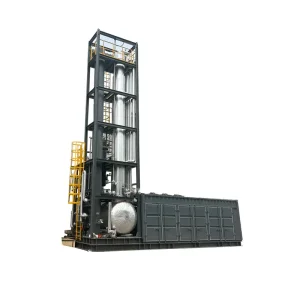
A modular, skid-mounted LNG system built for quick setup in remote gas fields.
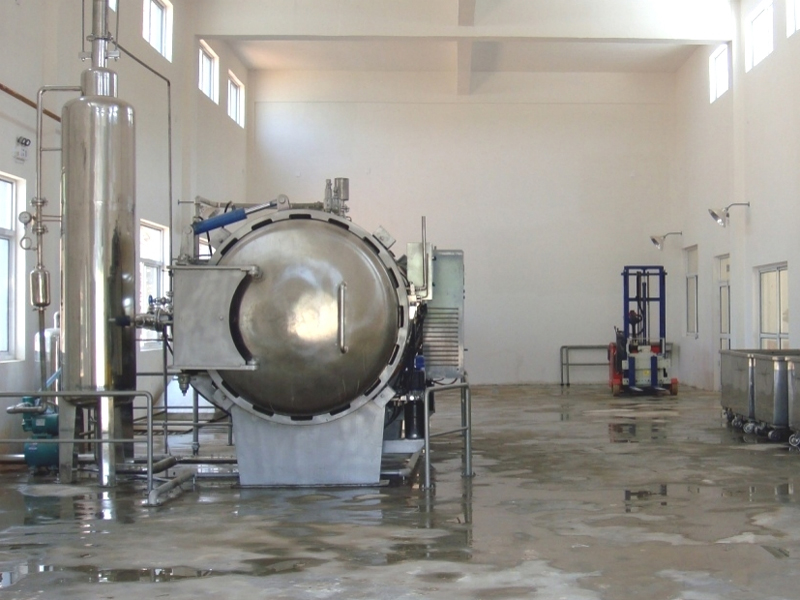
High-capacity autoclave facilities processing municipal and clinical waste from nearby regions.
Images from our manufacturing facilities showing vessel assembly, quality testing, and skid packaging.
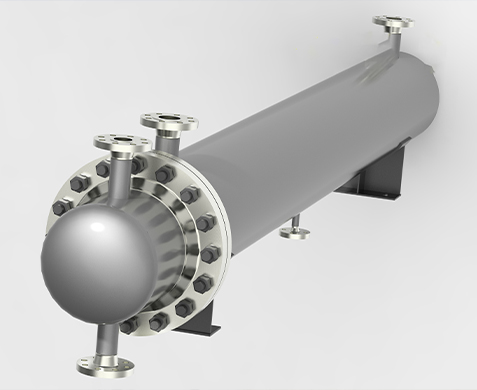
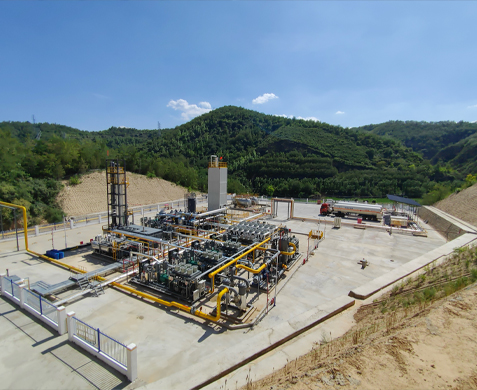
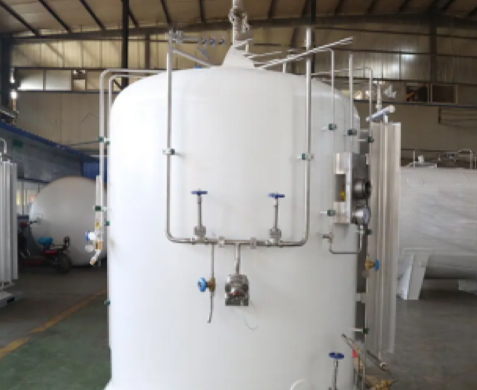
Ensuring smooth import, customs clearance, installation, and compliance with local regulations.
Shipping large-scale process equipment to landlocked Ethiopia requires careful logistics and planning. Our logistics team works with international carriers to manage shipping routes through the Port of Djibouti, handling transport along the Djibouti-Addis Ababa corridor to ensure secure delivery to your site.
Our skid-mounted systems are pre-assembled and fully tested at our facility. This minimizes on-site assembly work, reducing the need for extensive field welding or pipe fitting. It also limits installation challenges in areas with limited local resources.
We design our equipment to comply with Ethiopian regulatory frameworks, including the directives of the Ministry of Water and Energy and the Environmental Protection Authority (EPA). Upon delivery, our field engineering team is available to assist with commissioning, startup, and training local staff to ensure safe and efficient system operations.
Common questions from engineering managers and procurement officers regarding our equipment and services.
A broader range of gas processing, sterilization, and industrial emission control systems built to international codes.
 Hongke Qingneng