High-performance industrial purification, VOC recovery, and medical waste management systems optimized for regional Boston compliance and international standards.
The Greater Boston area, stretching from the biotechnology clusters in Cambridge to the high-tech and aerospace manufacturing corridors along Route 128 and Interstate 495, is operating under some of the most rigorous air quality standards in the United States. Controlled by the Massachusetts Department of Environmental Protection (MassDEP) under the regulatory framework of 310 CMR 7.00 (Active Air Pollution Control), local enterprises are required to demonstrate strict compliance with Volatile Organic Compound (VOC) limits.
In municipal hubs like South Boston, Chelsea, and Quincy, VOC control is not merely a matter of environmental responsibility but an operational mandate. Key industries—ranging from commercial printing, industrial coating, and chemical synthesis to advanced pharmaceutical R&D laboratories—are subjected to stringent evaluation criteria. Facilities must implement Maximum Achievable Control Technology (MACT) to curtail emissions of hazardous air pollutants (HAPs). As local authorities tighten limits on ground-level ozone precursors, the demand for high-performance abatement machinery like Regenerative Thermal Oxidizers (RTOs), carbon adsorbers, and cryogenic condensation loops has escalated.
Industrial facilities emitting volatile organic compounds within the Boston non-attainment area are typically required to implement control systems capable of achieving a VOC destruction/removal efficiency (DRE) of 95% to 99%+. This demands precision thermal engineering, optimized gas-phase mass transfer, and highly reliable control logic to ensure safety and continuous operation.
Worldwide, the transition towards low-carbon, zero-emission industrial manufacturing is altering the technology design of VOC mitigation. Rather than treating exhaust systems as cost centers, current trends focus on energy integration and resource recovery. Modern treatment equipment utilizes recuperative heat exchangers, organic rankine cycle (ORC) recovery, and carbon adsorption systems with solvent extraction to recycle raw materials back into the manufacturing process, effectively lowering the carbon intensity of the facility.
Choosing the appropriate process depends entirely on concentration levels, exhaust stream composition, safety specifications, and downstream integration possibilities.
Utilizes ceramic heat-exchange media bed to preheat incoming process air before passing to the combustion chamber. Excellent for medium-to-high VOC concentrations where self-sustaining thermal operation (autothermal point) can be achieved, eliminating auxiliary burner fuel usage.
Employs activated carbon, carbon fiber, or zeolite matrices to capture solvent molecules. Desorption utilizing steam or inert gas (N2) retrieves high-value solvents (e.g., ethanol, IPA, ethyl acetate) for distillation and reuse in production plants.
Uses liquid nitrogen (LN2) cooling loops to condense organic vapours directly out of dry nitrogen carrier streams. Crucial for high-concentration pharmaceutical reactor vents, preventing emissions while operating safely below explosive limits.
Leverages specialized microbial colonies fixed on structured packings to metabolize highly water-soluble, low-concentration VOCs and odors. A cost-effective, zero-fuel method for wastewater treatment plants and chemical compounding areas.
Hebei Hongke Qingneng Environmental Protection Equipment Co., Ltd. was established in June 2021, with a registered capital of 78 million yuan. Operating from our advanced manufacturing facility in the Sanhe Economic Development Zone, Langfang City, we focus heavily on the research, development, and high-precision manufacturing of energy-efficiency and environmental equipment.
We are a certified national high-tech enterprise, operating a municipal-level R&D platform. Our production processes conform to GB/T19001-2016 quality systems, Sinopec HSSE, and China Petroleum Health, Safety, and Environment management standards. We hold the prestigious A2-level Pressure Vessel Manufacturing License and Pressure Pipeline Component Manufacturing License, ensuring all thermal oxidizers, vessels, and vapor recovery skids meet strict industrial safety codes globally.
Our solutions are built upon rigorous chemical thermodynamics and heat transfer principles pioneered by leading Chinese academic institutions.
Ph.D. from the Institute of Physics and Chemistry Technology, Chinese Academy of Sciences (CAS). National Senior Engineer. Recipient of the Special Prize of Technological Invention (Chinese Society of Refrigeration, 2015) and Beijing Science and Technology Award (2016). Led over 20 independent R&D patents and more than 50 large-scale skid-mounted environmental projects.
Ph.D. Candidate, Senior Engineer at the Institute of Physics and Chemistry Technology, CAS. Author of 24 international peer-reviewed papers (11 SCI/EI indexed) and holder of 5 national patents. Managed key industrial partnerships and directed project scaling operations for environmental containment and gas purification.
Ph.D. of Engineering from the Institute of Physics and Chemistry Technology, CAS. Specialized in multi-component mixed working fluid phase-change heat transfer. Awarded the First Prize of Science and Technology Award (Beijing, 2016). Supervises process simulation, dynamic modelling, and thermodynamic efficiency optimization.
Our manufacturing capability spans across four major environmental sectors, bringing high-tech thermal and mechanical solutions to industrial plants worldwide.
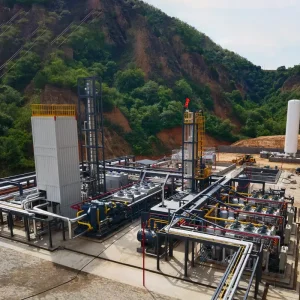
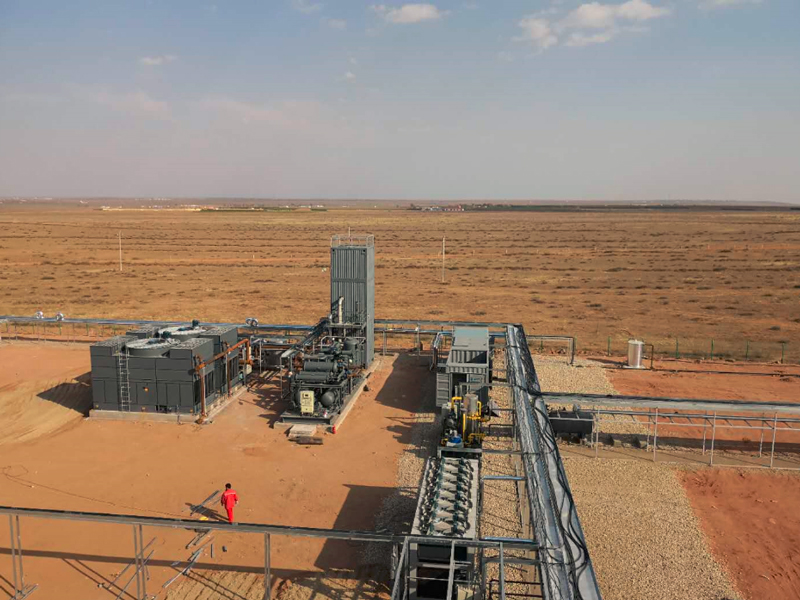
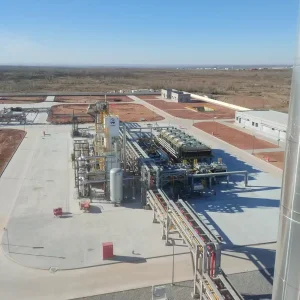
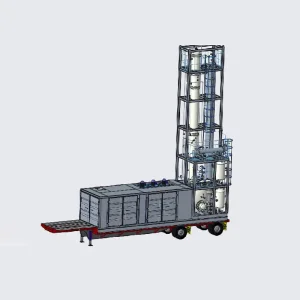
Skid-mounted processing, deacidification, dewatering, heavy hydrocarbon extraction, and cryogenic liquefaction units (LNG plants). Engineered to handle scattered oilfield gas and coalbed methane recovery efficiently under complex, remote site conditions.
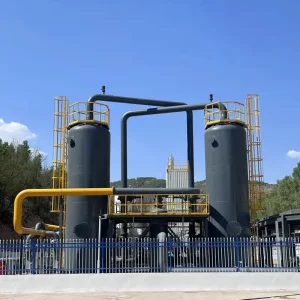
Direct-fired thermal oxidizers (TO), recuperative and regenerative systems (RTO), and high-density cryogenic condensation setups for capturing organic vapors. Specially formulated for zero-leak compliance in harsh chemical and pharma refining yards.
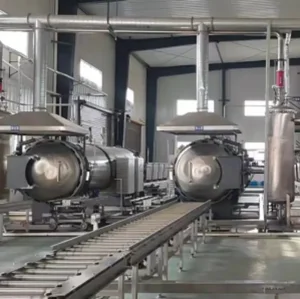
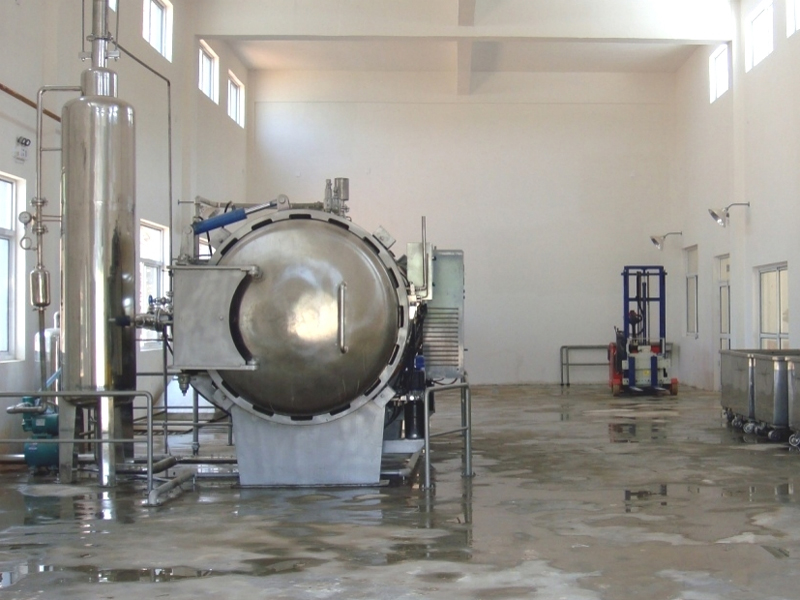
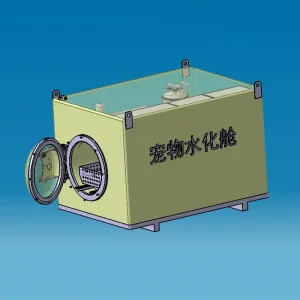
Centralized and mobile medical waste treatment complexes utilizing high-temperature steam. Also providing sterile carcass hydrolysis machinery and biological wastewater treatment systems designed to secure research centers and hospitals.
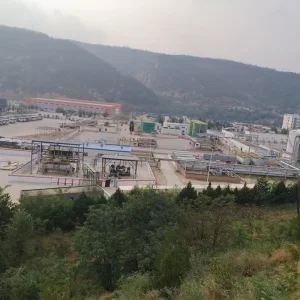
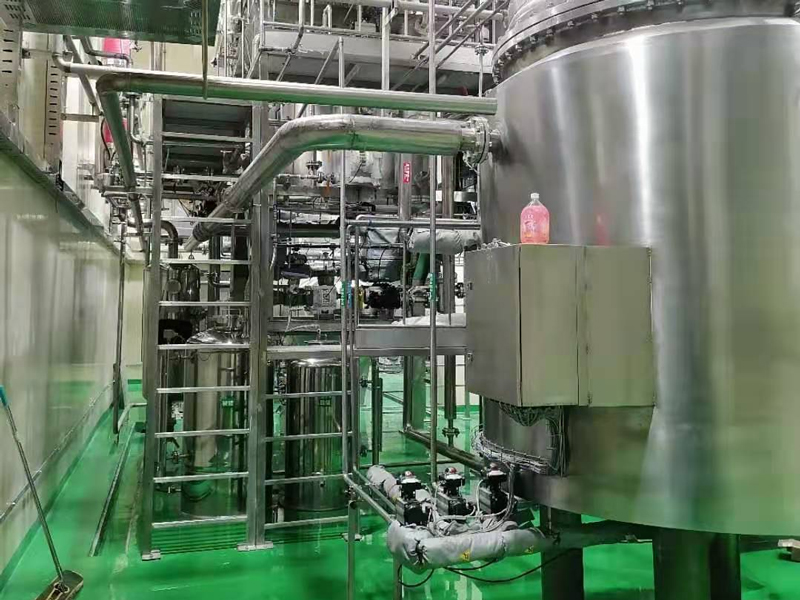
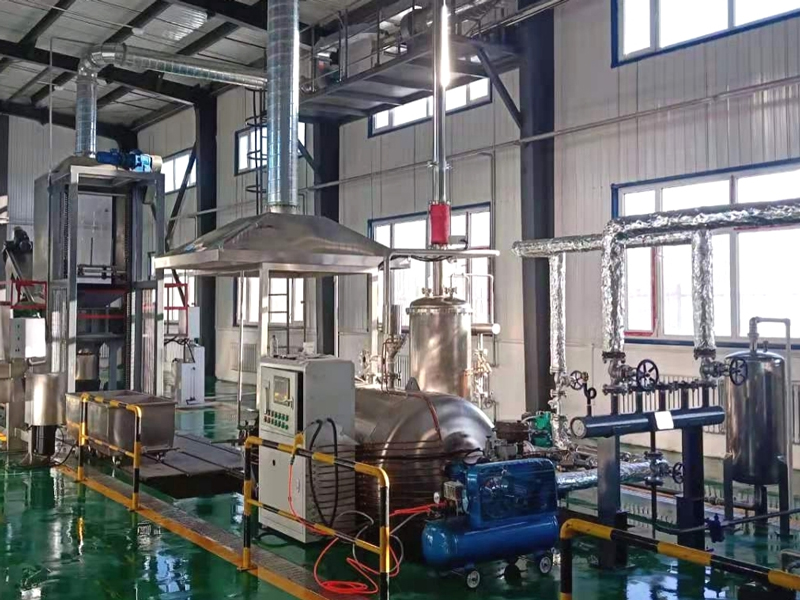
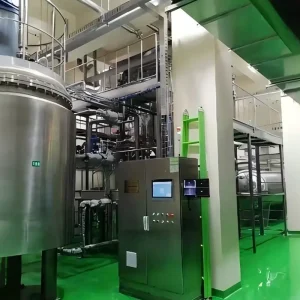
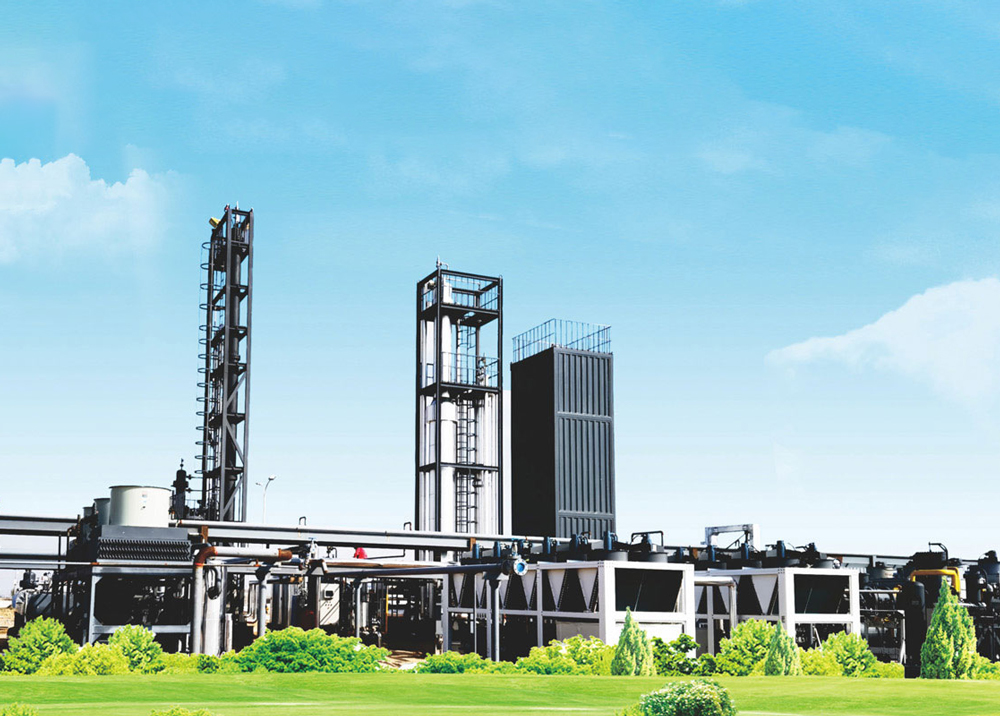
Demonstrated project operations showcasing advanced containment, extreme low-temperature refrigeration, and clean emissions.
Engineered thermal systems, custom pressure vessels, and cryogenic liquefaction components designed for clean energy and air protection.
Crucial considerations for engineering, installation, and operation of volatile organic compounds control equipment.
 Hongke Qingneng