Explore our industrial pressure vessels and advanced high-temperature sterilization product lineups.
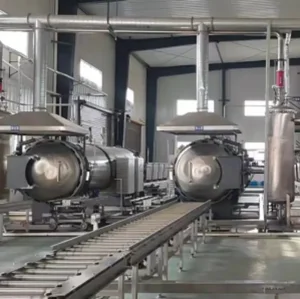
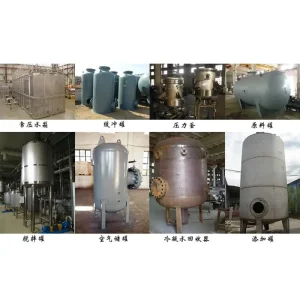
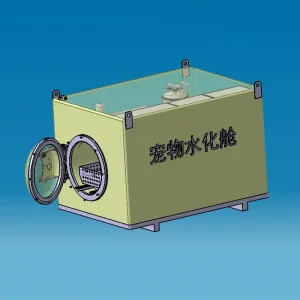
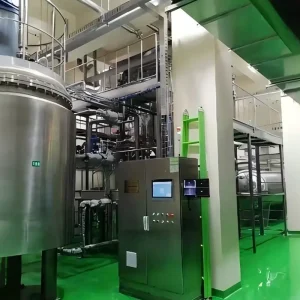
In modern clinical and laboratory environments, handling municipal-grade biohazard materials requires absolute microbial destruction coupled with drastic volume reduction. An autoclave shredder represents the pinnacle of medical waste engineering—integrating a high-torque mechanical size-reduction system with a pressurized saturated-steam thermal chamber.
Traditional treatment configurations processed waste by autoclaving first and shredding thereafter, or vice versa, exposing operators to dust and pathogens. Today's flagship systems perform both cycles inside a single hermetically sealed vacuum vessel, ensuring that no untreated volatile compounds, pathogens, or sharp objects bypass containment boundaries.
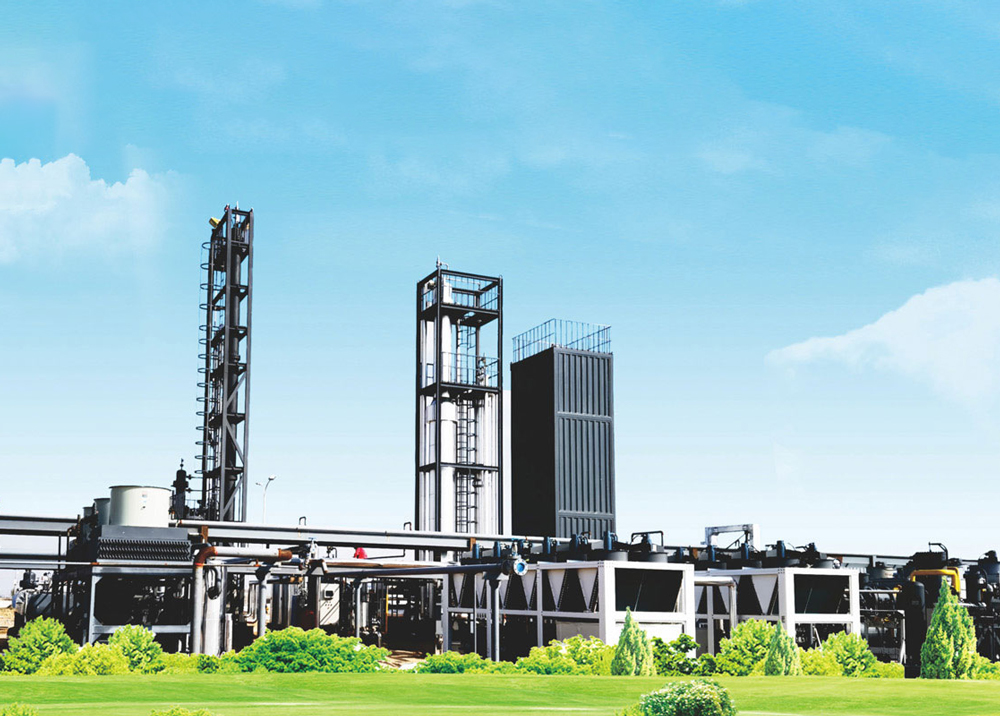
With R&D talents originating from Tsinghua University and the Institute of Physics and Chemistry Technology, Chinese Academy of Sciences (CAS), Hebei Hongke Qingneng Environmental Protection Equipment Co., Ltd. has developed state-of-the-art thermal process models and mechanical shredder configurations to address critical ecological challenges.
For global engineering procurement specialists, understanding the structural and thermal performance of autoclave systems is key to selecting the correct operational envelope.
| Sterilization Parameter | Pre-Shredding Integrated Vessel | Post-Shredding Dual-Chamber Vessel | Standard Gravitational Autoclave |
|---|---|---|---|
| Operating Temperature | 134°C - 138°C (273°F - 280°F) | 121°C - 134°C | 121°C (250°F) |
| Chamber Design Standard | ASME Sec VIII Div 1 / GB150 | GB150 Class II Pressure Vessel | Standard Boiler Pressure Shell |
| Mechanical Shredder Drive | Dual-shaft, high-torque, reverse-indexing | Single-shaft, high-speed impact shredder | None (requires standalone shredder) |
| Pathogen Containment | Absolute (Shredded under sterile vacuum) | High (Post-treatment physical size-reduction) | Critical hazard risk during unloading |
| Volumetric Reduction | Up to 85% - 90% | Up to 80% | 0% (Bulky materials remain intact) |
| Ideal Feedstock Applications | Red-bag medical waste, sharps, plastics | Municipal clinical waste, textiles | Liquid laboratory vials only |
A look at the credentials, manufacturing scale, and intellectual assets that make us a leading global autoclave partner.
Our collaborative pipeline includes leading minds from Tsinghua University and the Institute of Physics and Chemistry Technology, Chinese Academy of Sciences (CAS). We turn complex thermodynamic simulations into highly dependable environmental solutions.
The company maintains the A2 Level Pressure Vessel Manufacturing License and the Pressure Pipeline Component Manufacturing License. Certified under GB/T19001-2016 and Sinopec HSSE/China Petroleum HSE Systems.
Our system designs reduce the carbon footprint associated with medical waste logistics by optimizing local sterilization. We minimize combustion emissions, contributing directly to global greenhouse gas mitigation initiatives.
Modern clinical environments demand safe, reliable waste processing. Below is an engineering overview detailing how Hebei Hongke Qingneng integrates complex mechanics with advanced heat transfer science.
The primary point of failure in combined autoclave shredder devices is typically blade wear from processing metal materials (such as surgical scalpels and needles). Our factory utilizes wear-resistant steel alloys engineered for high impact strength and abrasion resistance. Under low-speed, high-torque configurations, the shredding teeth exert high crushing pressure without high dust generation, reducing the risk of filter clogging.
Crucially, our shredding units feature an automated reverse-indexing drive system. If the controller detects a torque spike from non-shreddable components, the shafts reverse automatically to clear the jam, ensuring continuous plant throughput.
Steam sterilization relies on direct contact between hot, saturated vapor and the surfaces of micro-organisms. Medical waste bags often contain air pockets that act as thermal barriers. Our autoclaves use fractional vacuum cycles (prevacuum phases) to remove residual air before steam injection.
By repeatedly cycling deep vacuums down to -0.09 MPa followed by pressurized steam pulses, we achieve rapid steam penetration. This ensures that every hollow space inside medical plastics is heated to the sterilization target temperature.
Our PLC-controlled systems monitor chamber parameters in real time. Cycles are automatically extended if temperature sensors detect cold spots, meeting strict regulatory standards for biological waste neutralization.
Our technological advantage is driven by experienced researchers and senior engineers specializing in cryogenics, thermodynamics, and pressure equipment design.
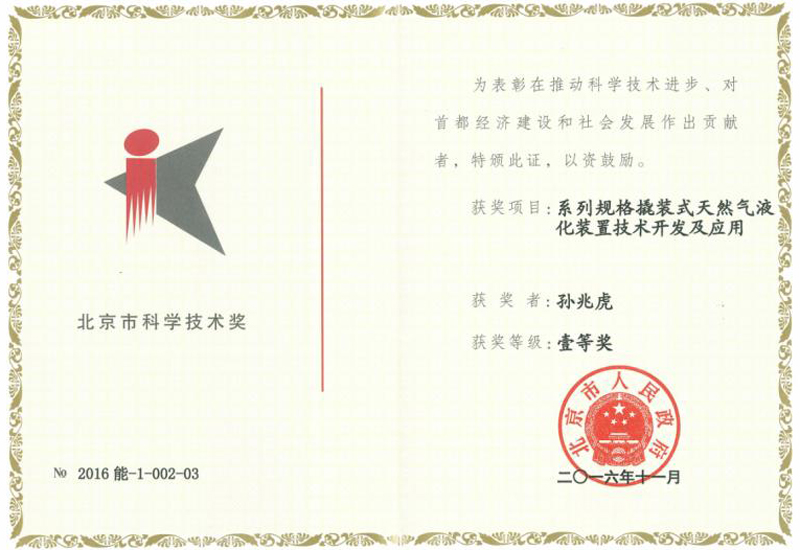
Holding a doctorate from the Institute of Physics and Chemistry Technology, CAS, and a senior engineer title, Dr. Sun has led various national research programs, including the National 863 Program and space initiatives. He has been recognized with the Special Prize of Technological Invention of the Chinese Society of Refrigeration (2015) and the Beijing Science and Technology Award (2016), bringing deep thermodynamic expertise to our design process.
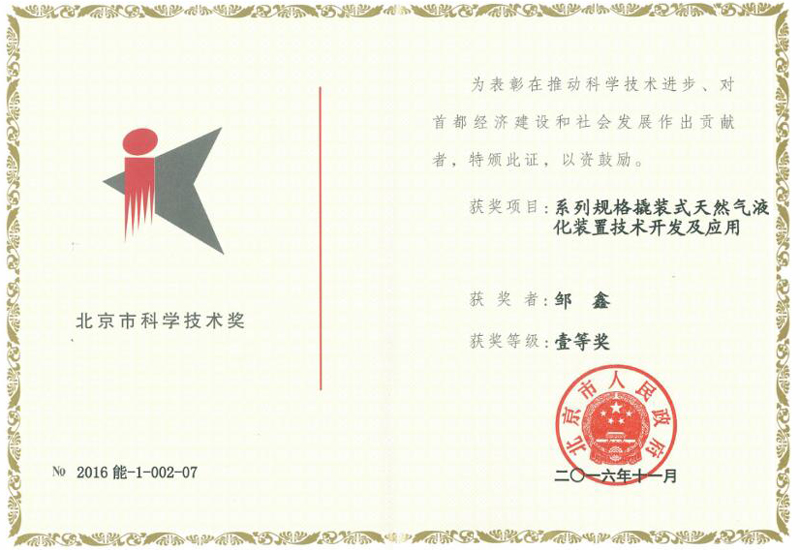
A Ph.D. candidate and Senior Engineer at the Institute of Physics and Chemistry Technology, CAS, Zou Xin has managed market operations and business development for years. He has contributed to national research initiatives, published 24 academic papers, and holds several patents. His work earned him the Beijing Science and Technology Award First Prize in 2016.
Dr. Cheng obtained his engineering degree from the Institute of Physics and Chemistry Technology, CAS. He has designed natural gas liquefaction plants and environmental systems, focusing on heat transfer under phase change. His research forms the basis of our energy-efficient thermal sterilization cycles.
Our environmental and pressure systems are deployed across diverse demanding industries worldwide.
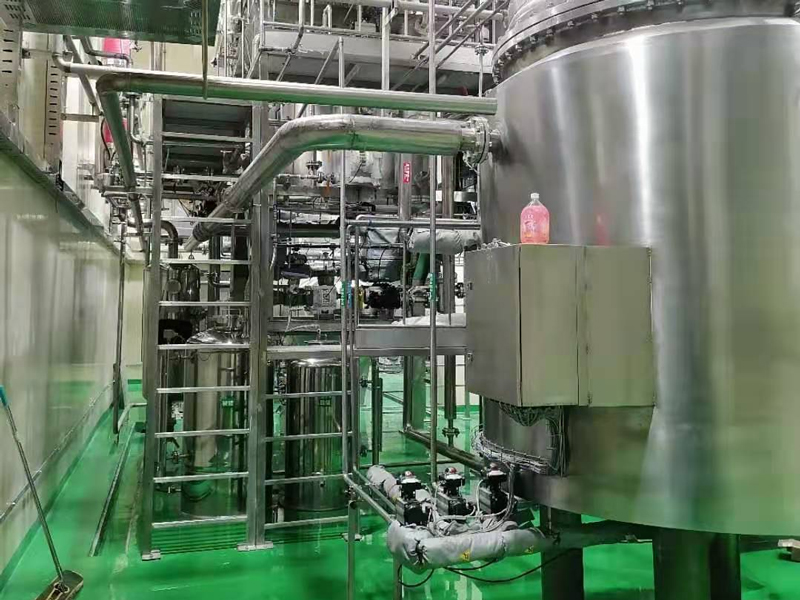
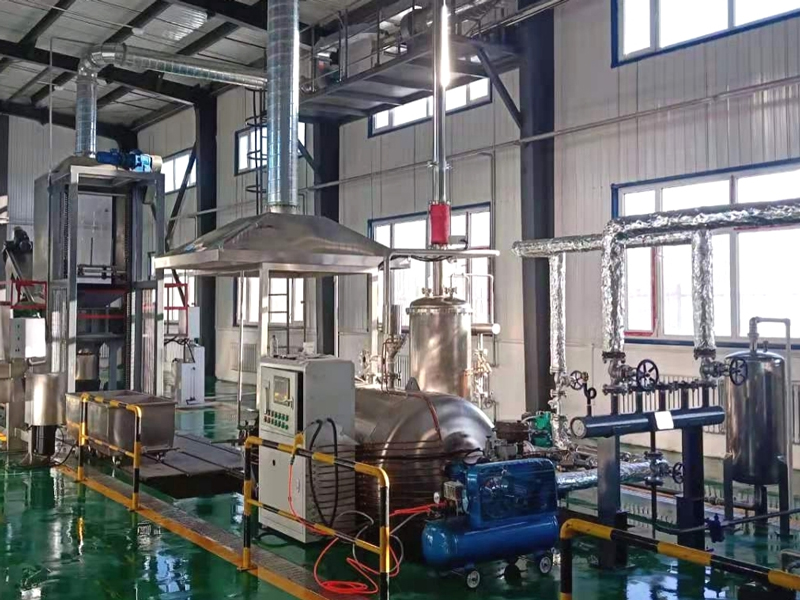
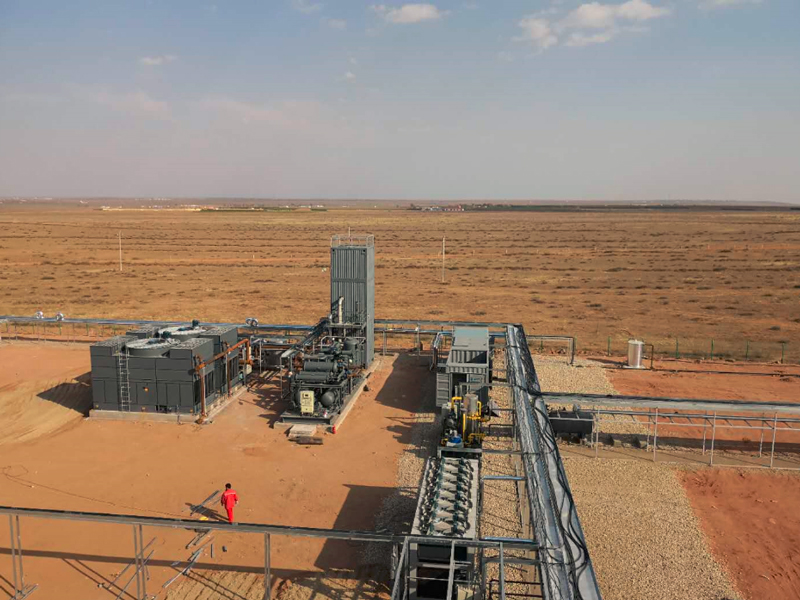
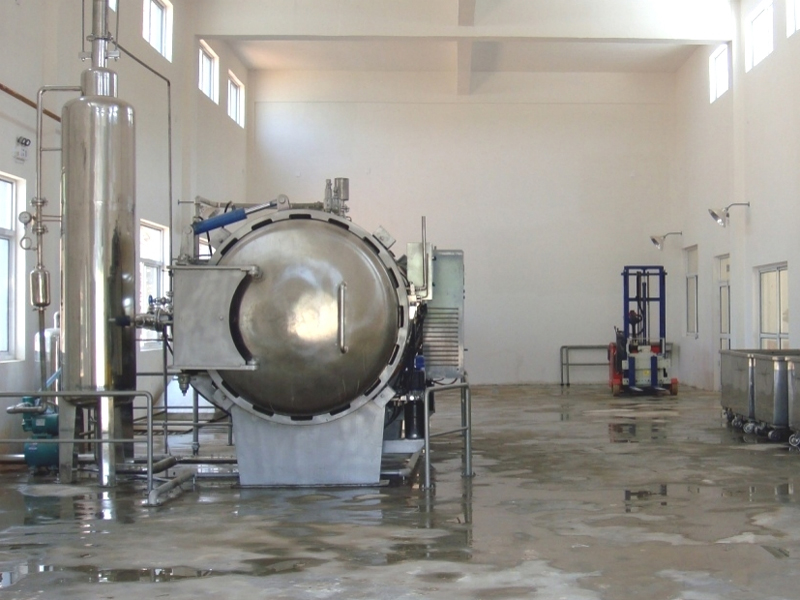
Building pressure vessels and waste processing machinery requires careful alignment with local regulatory environments. At Hebei Hongke Qingneng, we offer comprehensive lifecycle support, from initial planning to global certification compliance.
Every facility has unique requirements. We design custom layouts to integrate autoclaves with waste sortation lines, conveyor systems, and exhaust air scrubbers, fitting our machinery within existing site configurations.
Our pressure equipment can be stamped according to regional requirements, including ASME Section VIII for North America, the Pressure Equipment Directive (PED) for Europe, or local requirements in South America and Southeast Asia.
Expert insights on process parameters, system maintenance, and compliance questions.
In addition to waste processing technology, our team engineers specialized systems for clean energy and cryogenic gas purification.
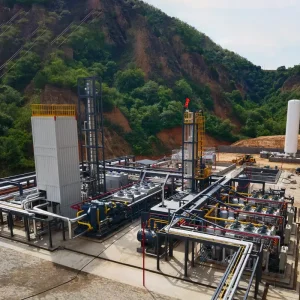
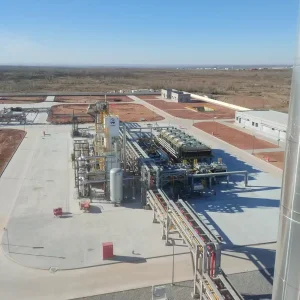
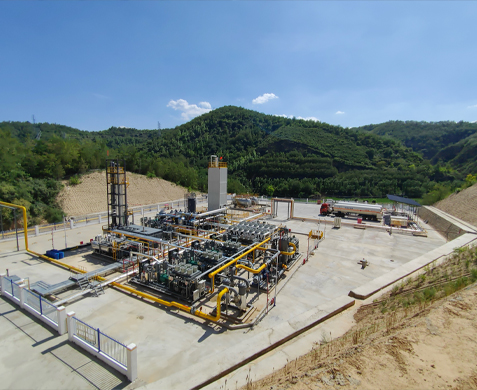
Skid-mounted systems designed for shale gas, coalbed methane, and associated gas processing, including acid removal, dehydration, and heavy hydrocarbon separation.
Ultra-low temperature refrigeration systems operating down to -180°C, and industrial freeze dryers designed for delicate chemical and biomedical applications.
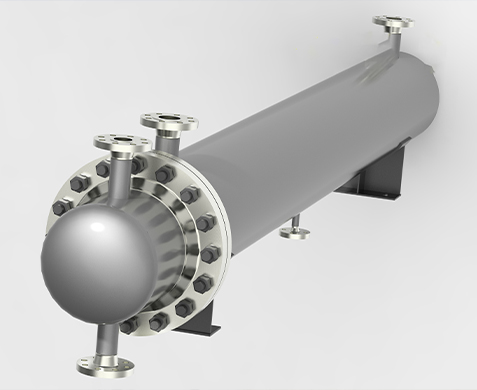
Custom shell-and-tube heat exchangers, experimental test rigs, and high-pressure storage vessels designed for unique industrial processes.
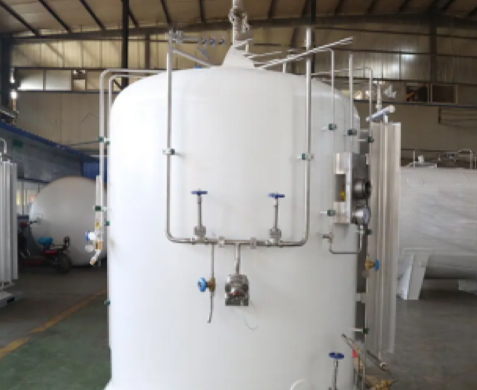
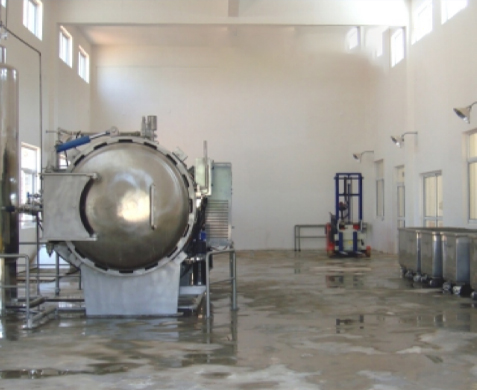
High-capacity equipment engineered for heavy industrial and municipal environmental plants.
 Hongke Qingneng